Mediterranean bergamot
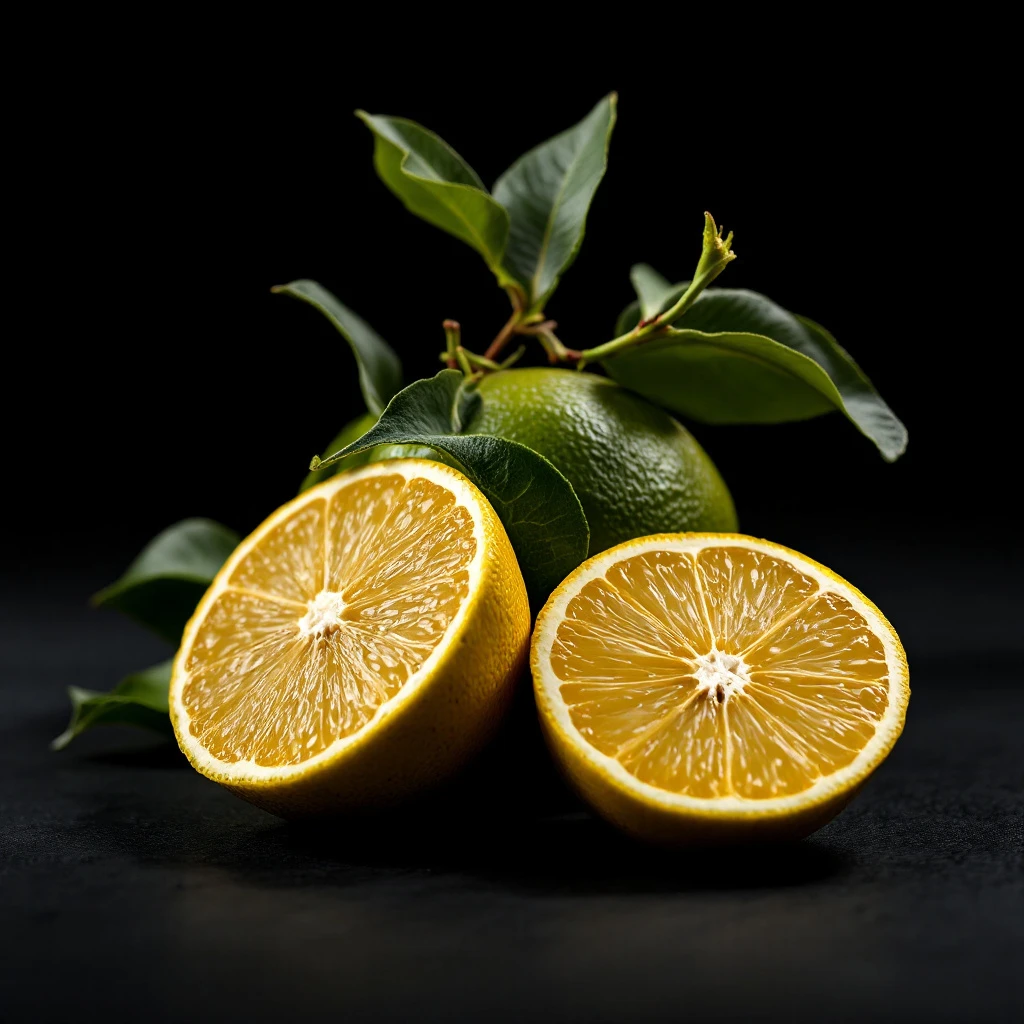
Mediterranean bergamot embodies the sun-drenched soul of Southern Italy, where citrus groves meet the Ionian Sea. Its bright, floral peel has perfumed everything from 18th-century Eau de Cologne to modern fine fragrances.
Character
How it smells
Citrus elevated by centuries of Calabrian sunlight.
One kilogram of bergamot oil requires approximately 200 kilograms of fresh fruit peel to produce.







Origin
Italy
Bergamot's origins trace to Southeast Asia, though the Calabrian variety became the standard for fine fragrance. The name may derive from the Italian city of Bergamo, or possibly the Turkish 'beg-armudu' meaning prince's pear, reflecting the fruit's noble reputation. By the 1700s, bergamot became central to fragrance history.
In 1709, Jean-Marie Farina crafted his iconic citrus blend in Cologne using bergamot as a primary component, creating what became the world's first modern perfume. The success of this formula shifted European perfumery away from heavy oriental bases toward bright, sparkling top notes, elevating bergamot from regional curiosity to an essential ingredient. Calabrian bergamot remained the benchmark for quality, with roughly 2,500 hectares under cultivation and geographic protections ensuring authenticity.
Beyond perfumery, bergamot became a culinary symbol of its region, appearing in teas and confectionery that draw visitors to the peninsula.
Wears it best
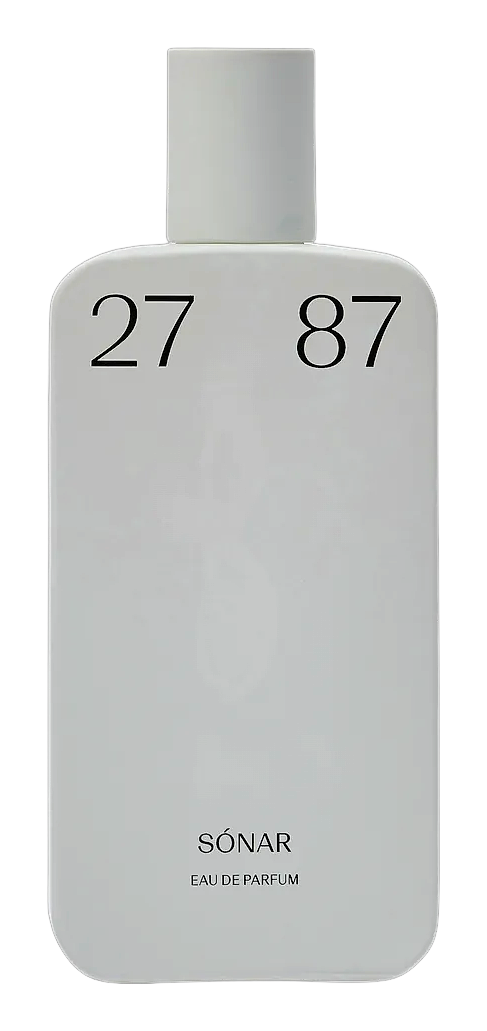
Fragrances featuring Mediterranean bergamot
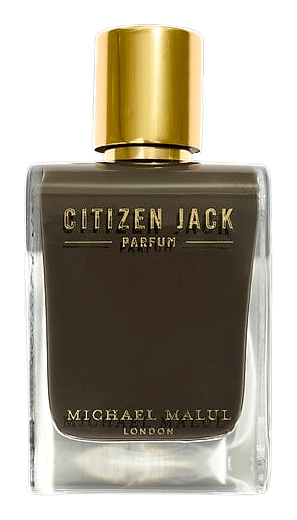
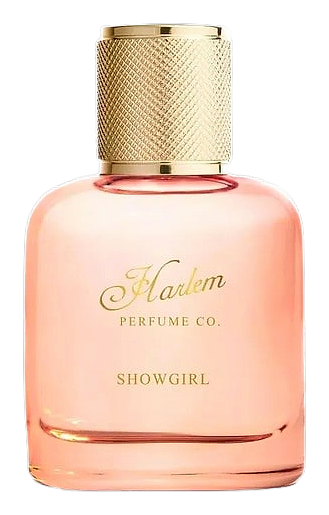

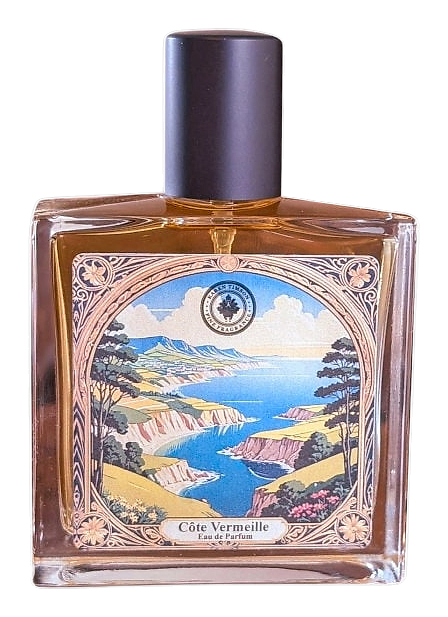

Brands
Brands known for Mediterranean bergamot
Good to know
Questions, answered
The essentials on Mediterranean bergamot in perfumery: how it smells, where it comes from, and how it behaves on skin.
Why is Calabrian bergamot considered superior for perfumery?
Calabrian bergamot benefits from the unique terroir of the Ionian coastal region. Cool sea breezes, mineral-rich soil, and specific humidity levels produce fruit with a more complex aromatic profile than bergamot grown elsewhere.
How does cold pressing preserve bergamot's scent?
Cold mechanical pressing maintains temperatures below 30 degrees Celsius throughout extraction, protecting fragile aromatic compounds like linalyl acetate and linalool that steam distillation would degrade.
When is bergamot harvested and processed?
Bergamot harvest occurs between December and February, when the fruit reaches peak ripeness. Hand-picking protects the peel from bruising that would compromise oil quality.
What compounds define bergamot's characteristic aroma?
Bergamot oil contains linalyl acetate at 30-45% concentration, linalool at 11-22%, and limonene at 25-40%. This combination produces the signature floral-citrus profile prized in fine fragrance.
How is bergamot used beyond perfumery?
Bergamot peel flavoring appears in Earl Grey tea, confectionery, and liqueurs. The fruit's aromatic oil also appears in cosmetics, aromatherapy products, and food-grade flavorings.
What quality standards protect Calabrian bergamot?
Calabrian bergamot producers operate under geographic designation protections that regulate cultivation methods, harvest timing, and extraction processes, ensuring authenticity and preventing adulteration.
Why does bergamot oil avoid steam distillation?
Steam distillation applies heat that destroys the delicate bergamot aroma molecules responsible for the bright, floral quality. Cold pressing extracts oil while preserving the full sensory profile.
What distinguishes bergamot from other citrus oils in perfumery?
Unlike most citrus oils, bergamot offers a sweet-floral quality alongside the expected bright citrus note. This dual character makes it versatile as both top and heart note material.