Mcintosh Apple
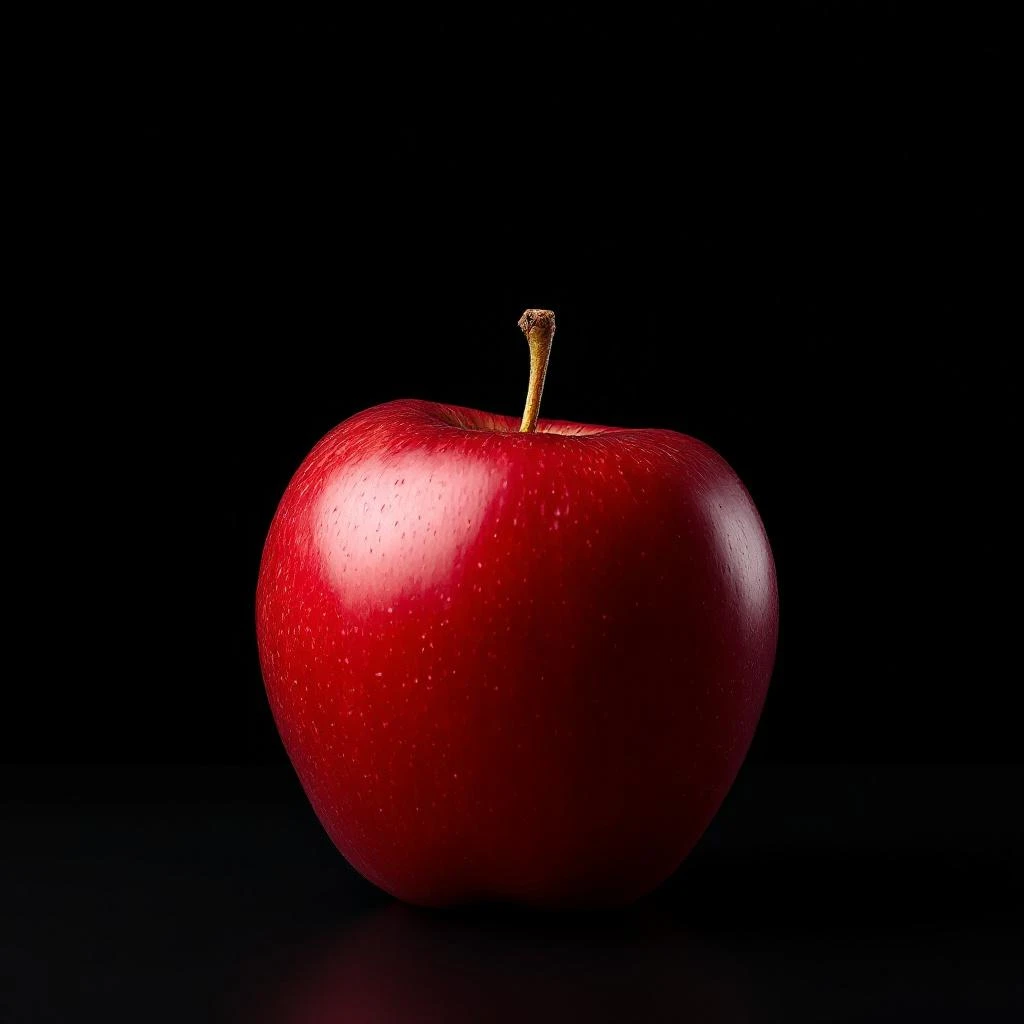
McIntosh Apple brings the unmistakable scent of a freshly cut red apple to perfumery: juicy, slightly tart, with that signature sweet-floral undertone that feels like biting into autumn. This note captures the variety's signature crunch in olfactory form.
Character
How it smells
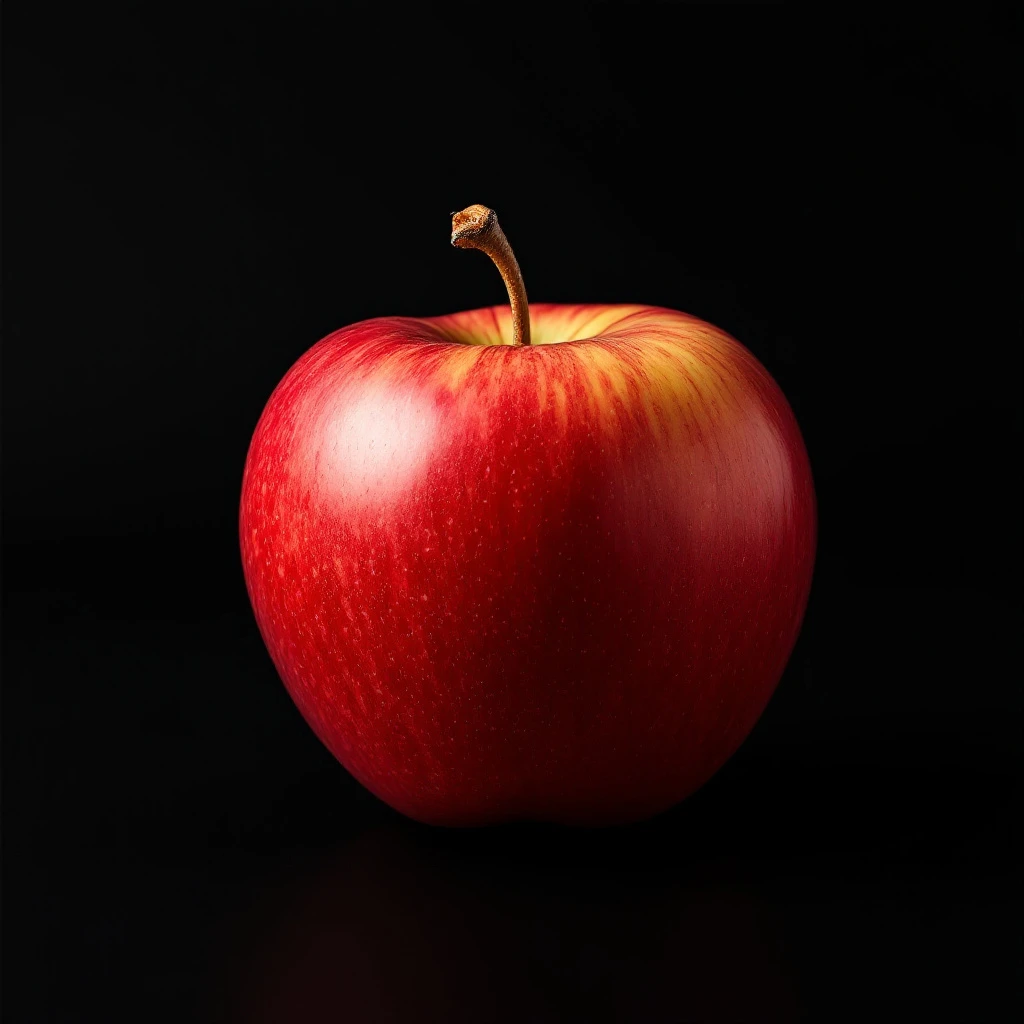
The quintessential bite of crisp red apple
No natural apple essential oil exists. Every McIntosh Apple note in perfume is a crafted accord, built molecule by molecule to replicate the fruit's distinctive character.
Pairs beautifully with


Origin
Canada
The McIntosh apple originated from a single seedling discovered by John McIntosh in 1811 on his farm near Dundela, Ontario. He passed the seedling to his son, who cultivated it for commercial production starting around 1870. The variety quickly dominated orchards across Ontario, Quebec, and New England, becoming Canada's most famous apple.
Its deep red skin, white flesh, and tangy-sweet flavor made it a household name. While perfumers have long captured apple in various forms, the McIntosh variety's distinct character as a note emerged alongside modern reconstruction techniques, allowing this Canadian heritage apple to become a recognizable fragrance ingredient worldwide.
Wears it best
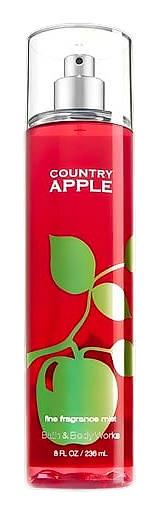
Fragrances featuring Mcintosh Apple
Brands
Brands known for Mcintosh Apple
Good to know
Questions, answered
The essentials on Mcintosh Apple in perfumery: how it smells, where it comes from, and how it behaves on skin.
Is McIntosh Apple a natural ingredient?
No. McIntosh Apple is a reconstructed synthetic accord. There is no natural apple essential oil. Perfumers build the note from individual aromatic molecules to replicate the variety's crisp, sweet-fruity character.
What does McIntosh Apple smell like?
Fresh-cut red apple with green top notes, sweet-fruity body, and a soft floral finish. The profile is slightly tart with a characteristic juicy quality that distinguishes it from other apple varieties.
How do perfumers create apple notes?
Apple accords combine specific synthetic molecules like cis-3-hexenol for green freshness, various esters for fruity sweetness, and aromatic compounds for the characteristic apple body. Formulators blend these precisely to achieve authenticity.
Where did the McIntosh apple originate?
John McIntosh discovered the original seedling on his farm near Dundela, Ontario, Canada in 1811. Commercial cultivation began around 1870, and the variety spread across eastern Canada and New England.
Can you extract fragrance directly from apples?
No. While apple-scented materials exist, no viable essential oil or absolute can be produced from apple fruit. Natural apple fragrance comes from other sources like apple leaf or synthetic reconstruction.
Which fragrance families use McIntosh Apple?
McIntosh Apple appears in fruity, chypre, and fresh fragrance constructions. It works well in top-note positions, lending immediate brightness and accessibility to perfumes across multiple categories.
How stable is McIntosh Apple in perfume?
The accord performs dependably in fragrance compounds. It holds well in alcohol-based perfumes but may require formulation adjustments for specific applications like candles or soaps.
What makes McIntosh Apple distinctive from other apple varieties in perfumery?
McIntosh carries a signature combination of tangy tartness and sweet fleshiness, with prominent green notes from the skin and a softer, rounder sweetness in the flesh that perfumers specifically target.