Magnolia Wood
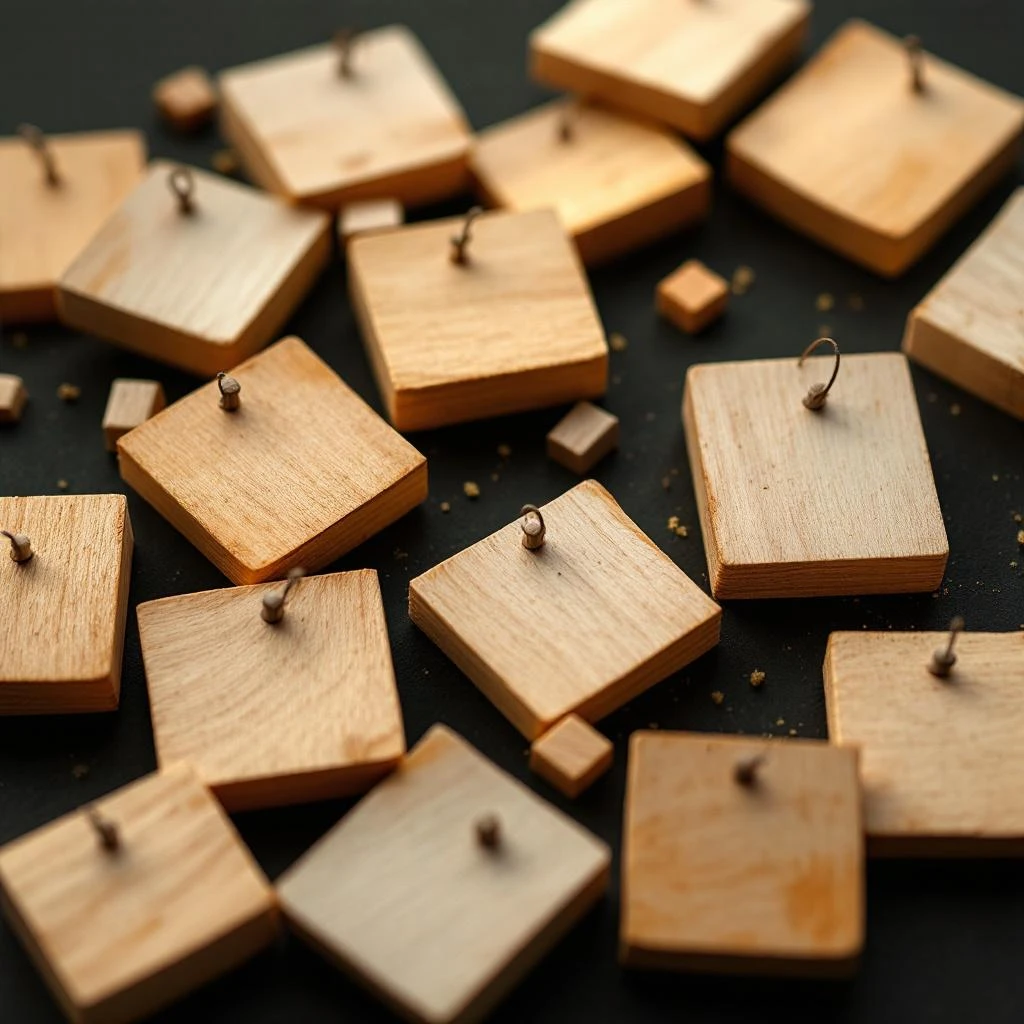
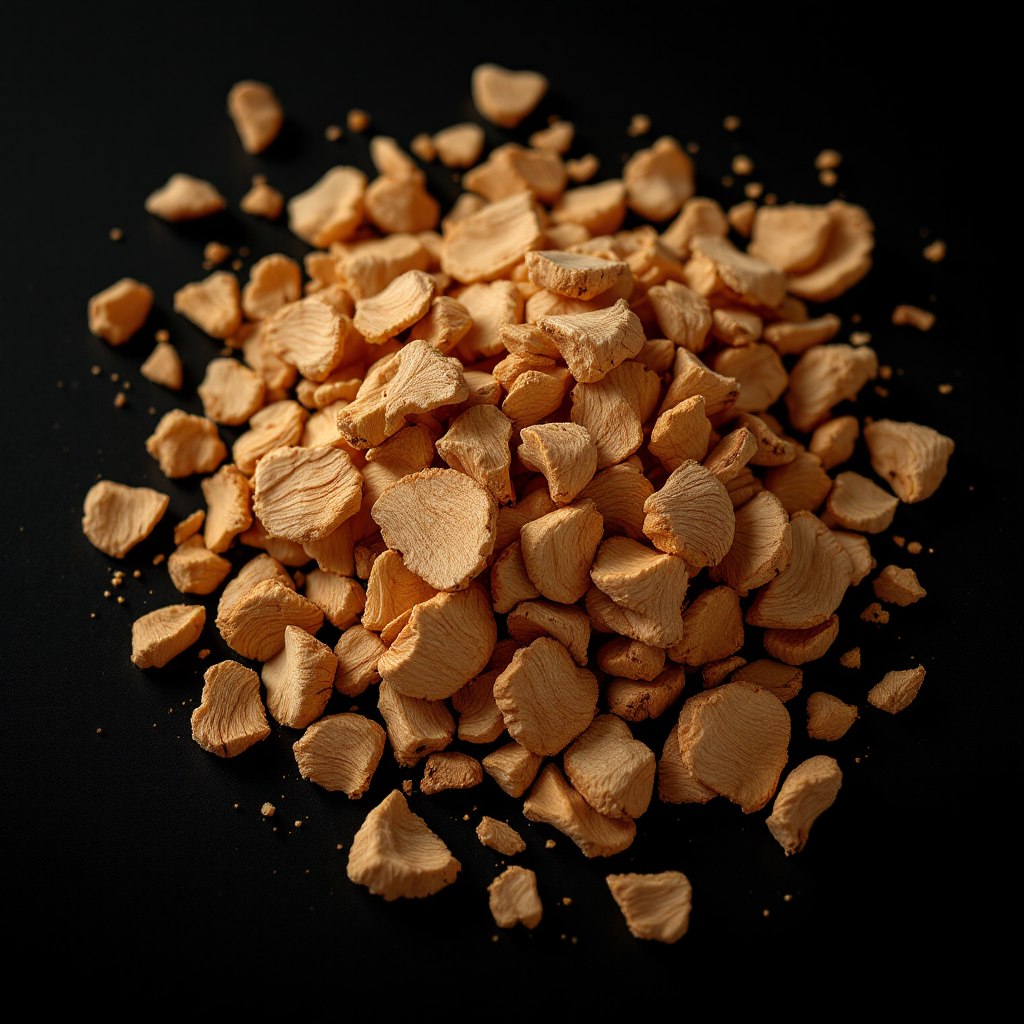
Magnolia Wood captures the warm, creamy soul of this Southern garden icon—imagine sun-warmed petals softened by sandalwood depth and the quiet resonance of aged cypress.
Character
How it smells
The creamy flower softened by warm, dry woody depth.
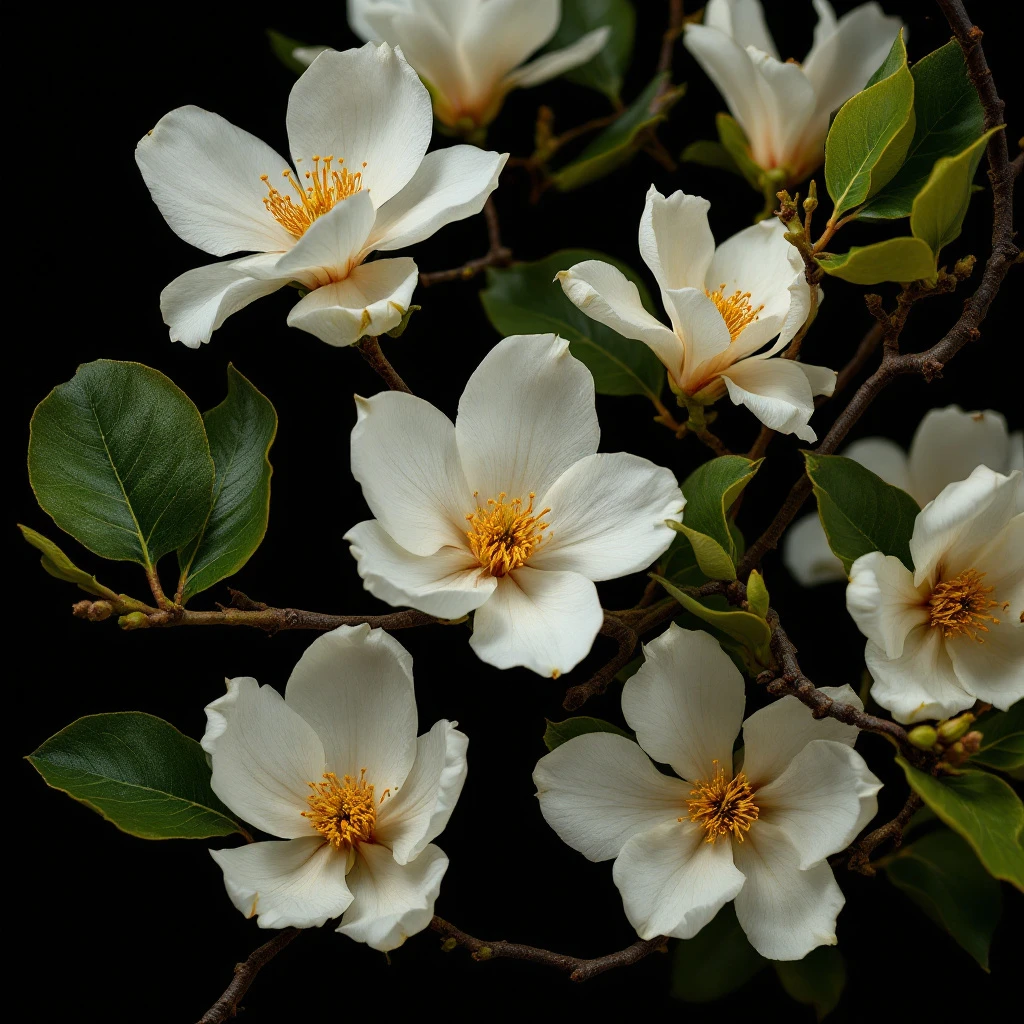
The magnolia bears Pierre Magnol's name—the 17th-century botanist who invented the plant family classification system still used today.
Pairs beautifully with



Origin
China
The magnolia's botanical heritage traces to Pierre Magnol, a 17th-century French botanist who developed the revolutionary concept of classifying plants into families based on shared characteristics. His system proved so effective that Carolus Linnaeus later incorporated similar principles into his own taxonomic work.
European explorers encountered magnolia species in North America and Asia during the 1600s and began bringing them back to Europe, where they quickly became prized garden specimens for their dramatic white blooms and intoxicating fragrance. The flower's association with the botanist who helped organize the plant kingdom feels almost poetic—a flower named for the man who helped make sense of nature itself.
Chinese traditional medicine had long valued Magnolia officinalis bark, while the flowers themselves became symbols of nobility and purity in East Asian cultures. Today, the magnolia remains both garden ornamental and perfumery treasure, its creamy white flowers continuing to captivate nearly four centuries after European gardeners first encountered them.
Wears it best
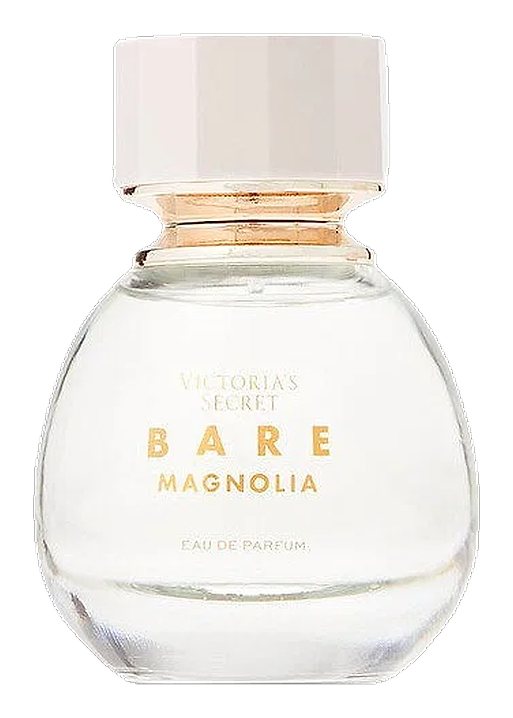
Fragrances featuring Magnolia Wood
Brands
Brands known for Magnolia Wood
Good to know
Questions, answered
The essentials on Magnolia Wood in perfumery: how it smells, where it comes from, and how it behaves on skin.
What does Magnolia Wood smell like?
Magnolia Wood blends the flower's signature creamy, citrus-kissed petals with warm, dry woody undertones. The result feels like walking beneath a magnolia tree at dusk—the luminous floralcy softened by the grounded depth of aged wood.
Is Magnolia Wood a standard perfumery ingredient?
Magnolia Wood appears less frequently than magnolia flower, since true magnolia flower oil is not commercially produced. Perfumers typically build custom accords to achieve the magnolia-wood character they need.
Where does Magnolia Wood originate?
Commercial magnolia essence flows mainly from China's Guangxi and Fujian provinces, where Michelia alba and Magnolia grandiflora grow cultivated. Native species also flourish across the southeastern United States and East Asia.
How is Magnolia Wood obtained for perfumery?
Solvent extraction yields a greenish-yellow concrete from magnolia flowers at 1.2 to 1.63 percent. The wood itself sees minimal perfumery use. Perfumers construct magnolia-wood effects by combining flower-derived materials with complementary woody elements.
Why is this ingredient named after Pierre Magnol?
French botanist Pierre Magnol pioneered plant family classification during the 17th century, creating the system that grouped plants by shared traits. Carl Linnaeus later validated this approach, making Magnol's contribution foundational to botanical science.
What distinguishes Magnolia Wood from Magnolia Flower?
The flower provides magnolia's signature creamy, citrus-floral character. The wood contributes warm, dry woody undertones. Together they form a more complete portrait of the magnolia tree's aromatic identity.
Can Magnolia Wood be synthesized?
Yes. Since magnolia flower oil is not commercially produced, perfumers recreate the scent through blended aromatic molecules and natural extracts, often incorporating woody components to capture the 'wood' dimension.
Which fragrances feature Magnolia Wood?
Magnolia Wood appears in fine fragrances built around floral-woody themes, particularly spring and summer compositions seeking a sophisticated garden atmosphere. Specific usage varies by formulation.