Macassar Wood
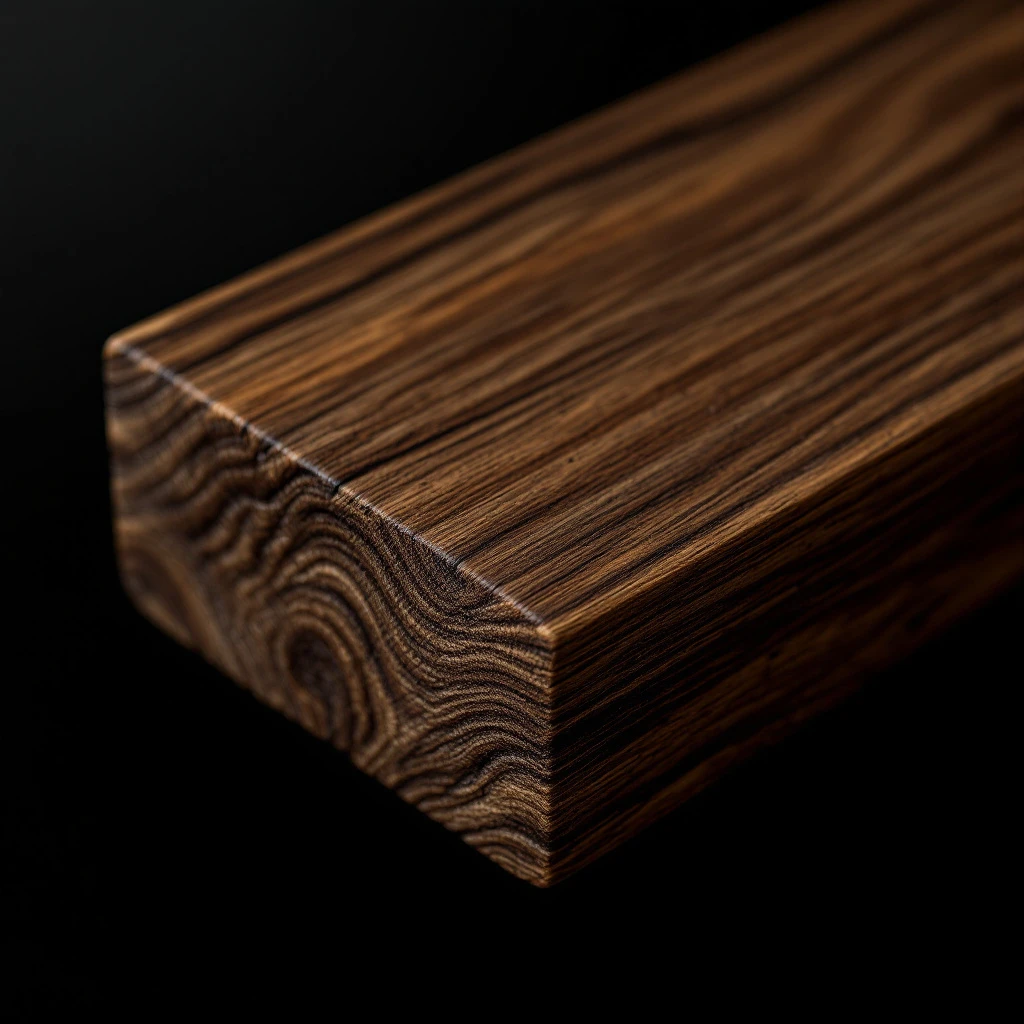
A rare and prized heartwood note, Macassar Wood delivers deep, resinous warmth with hints of smoke and leather. This precious ingredient adds a smoky, tactile depth that anchors modern fragrances.
Character
How it smells
Dark, smoky wood with rare depth and character.
The 1980 fragrance Macassar de Rochas popularized this rich wood note in perfumery, cementing its place in fragrance history.





Origin
Gabon
The name Macassar entered perfumery through the 1980 release of Macassar de Rochas, composed by Nicolas Mamounas. The fragrance drew its name from the Indonesian port city of Macassar, reflecting the perfumery industry's tradition of exotic nomenclature. However, the wood itself typically originates from African ebony species, particularly from Central and West African regions.
Throughout history, ebony has symbolized power and luxury. Ancient Egyptians used ebony in royal tombs, while Roman elites prized ebony furniture and decorative objects. The transition from furniture to fragrance came gradually, as perfumers discovered the wood's remarkable aromatic properties.
Today, Macassar Wood represents both the enduring appeal of natural materials and the perfumery world's ongoing commitment to discovering rare, characterful ingredients that tell stories through scent.
Wears it best
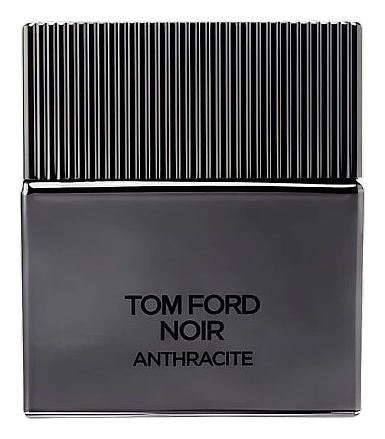
Fragrances featuring Macassar Wood
Brands
Brands known for Macassar Wood
Good to know
Questions, answered
The essentials on Macassar Wood in perfumery: how it smells, where it comes from, and how it behaves on skin.
What does Macassar Wood smell like?
Macassar Wood has a dark, smoky character with warm resinous notes and subtle leather undertones. It provides a tactile, smoky depth that adds complexity to fragrance bases.
Is Macassar Wood a natural ingredient?
Yes, Macassar Wood is a natural material derived from African ebony trees. The dense heartwood is extracted using solvent extraction to capture its aromatic compounds.
Where does Macassar Wood come from?
Macassar Wood primarily originates from Central African countries including Gabon, Cameroon, and the Congo region. The tropical forests of these areas provide ideal growing conditions for the ebony trees.
What makes Macassar Wood rare in perfumery?
Macassar Wood comes from heartwood that only develops after decades of growth. Combined with overharvesting concerns and habitat loss, this scarcity makes the ingredient increasingly precious.
How did Macassar Wood get its name in perfumery?
The term became widely used after the 1980 release of Macassar de Rochas, a fragrance composed by Nicolas Mamounas. The name references the Indonesian port of Macassar.
What type of fragrance compositions use Macassar Wood?
Perfumers use Macassar Wood primarily as a base note. Its fixative properties and smoky depth make it suitable for woody, oriental, and leather fragrance families.
Does Macassar Wood have fixative properties?
Yes, Macassar Wood serves as an effective fixative due to its dense composition. It helps slow the evaporation of more volatile top notes, extending fragrance longevity.
Is Macassar Wood sustainable?
Supply remains a concern due to slow tree growth and deforestation pressures. Responsible perfumers source through certified suppliers to ensure ethical procurement.