Lime water
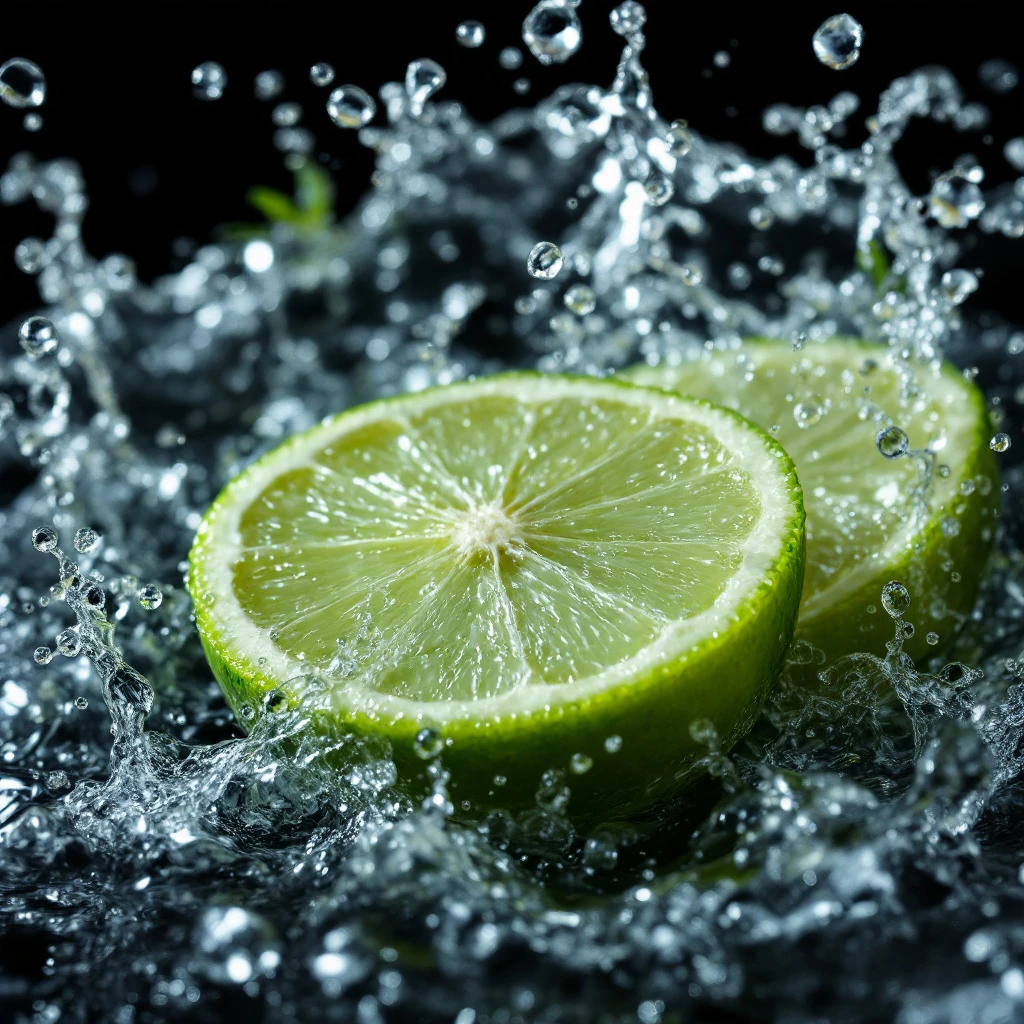
Lime water is a citrus hydrosol obtained during steam distillation of ripe lime peel. It captures the light, effervescent top notes that complement sharper citrus accords, offering perfumers a versatile aqueous芳香 base with the fruit's bright, refreshing character.
Character
How it smells
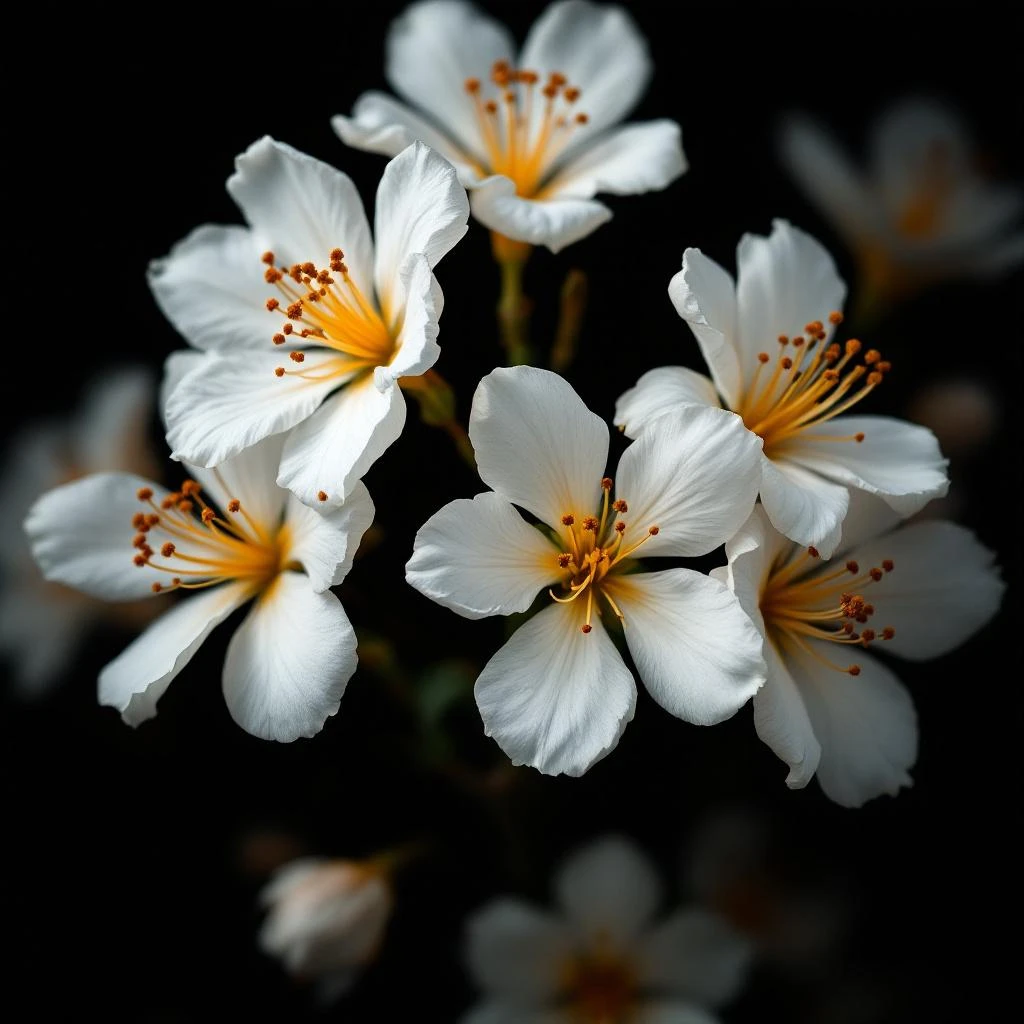
The bright, effervescent soul of sun-ripened citrus.
Mexican limes yield approximately 0.3-0.5% essential oil during distillation, with the remaining aromatic compounds dissolving into the hydrosol fraction.




Origin
Mexico
Lime has shaped fragrance traditions across tropical regions since antiquity. Ancient Malay communities used Citrus aurantifolia in ceremonial body oils, while Arabian traders introduced limes to the Mediterranean Basin by the 10th century.
By the 18th century, Caribbean plantations had established sustained lime cultivation for essential oil export to European perfumers. The hydrosol byproduct concept emerged from traditional Ayurvedic practices documented in the Charaka Samhita, where aromatic waters held therapeutic value.
Colonial trade routes transformed lime from a medicinal curiosity into a standard perfumery material. Mexican lime varieties, cultivated primarily in Oaxaca and Michoacán, became particularly prized during the 19th century when perfume houses sought brightening agents to counterbalance heavier tropical bases in fragrances destined for warmer climates.
Wears it best
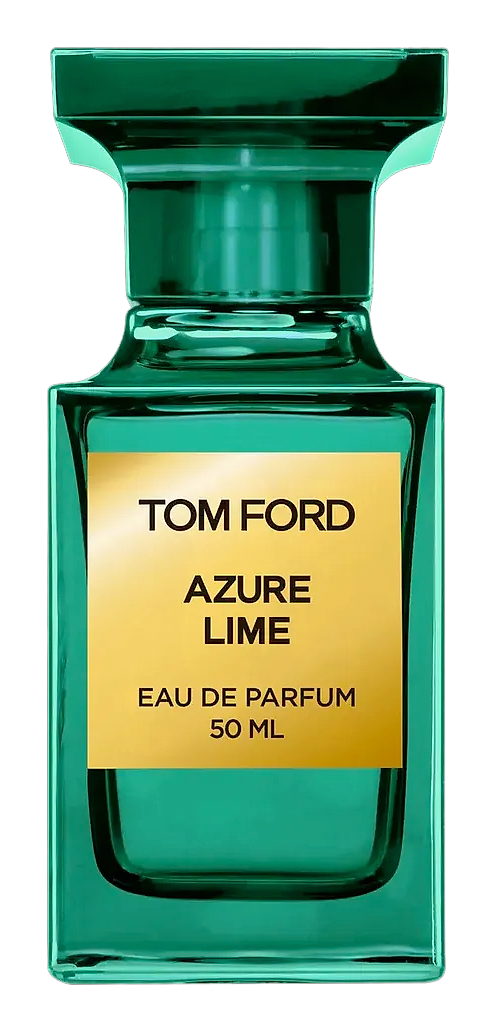
Fragrances featuring Lime water
Brands
Brands known for Lime water
Good to know
Questions, answered
The essentials on Lime water in perfumery: how it smells, where it comes from, and how it behaves on skin.
What does lime water smell like in a fragrance composition?
Lime water offers a bright, effervescent citrus character that reads as fresh, slightly tart, and undeniably effem. In blends, it adds lift to heavier base notes and rounds out sharper citrus peaks with a gentler aromatic presence.
Is lime water the same as lime essential oil?
No. Lime essential oil contains only the non-water-soluble aromatic molecules, while lime water captures water-soluble compounds the essential oil cannot hold. The two materials smell distinctly different and serve complementary functions in perfumery.
How long does lime water stay aromatic in a formula?
Lime water functions primarily as a top-to-heart note material. Its aromatic molecules tend to volatilize within the first 30 to 90 minutes of wear, making it best suited for formulations where initial brightness is the priority.
Which fragrance families pair well with lime water?
Lime water complements green, citrus, and marine families particularly well. It also works in tropical orientals where its brightening effect helps balance heavier base materials without adding sweetness.
Can lime water be synthesized or must it be naturally sourced?
Synthetic lime accord bases exist for mass-market applications, but natural lime water from steam distillation preserves a complex aromatic profile that replicates the fresh fruit more accurately than artificial alternatives.
How should lime water be stored after opening?
Refrigeration extends lime water's shelf life significantly. At cool temperatures, aromatic integrity remains stable for three to six months. Room temperature storage reduces viability to roughly four to six weeks.
What柑橘 varieties produce the highest quality hydrosol?
Mexican or Key limes (Citrus aurantifolia) yield the most aromatic hydrosol, though Persian limes (Citrus latifolia) produce a slightly milder alternative. The ripeness of fruit at distillation directly affects aromatic intensity.
Does lime water cause photosensitivity in skincare applications?
Unlike lime essential oil, which contains furanocoumarins responsible for phototoxic reactions, lime water has minimal photosensitizing potential. The water-soluble extraction process leaves most phototoxic compounds behind in the oil phase.