Licorice Blossom
The sweet, nostalgic note that conjures childhood candy jars and anise-laced liqueurs. Licorice blossom brings a distinct personality to fragrances, swinging between creamy confection and sharp aromatic herb. Its dual nature makes it unexpectedly versatile.
Character
How it smells
A sweet-sharp duality rooted in anethole.
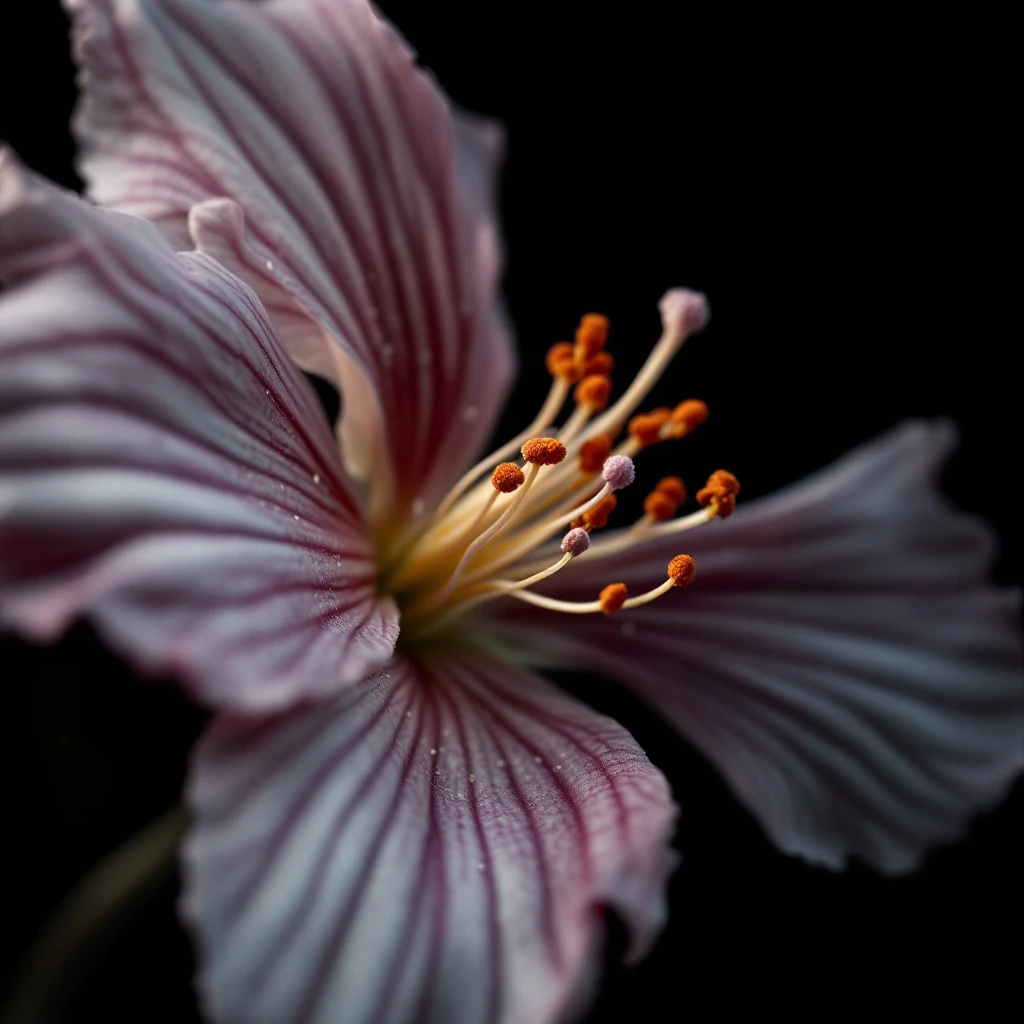
Licorice blossom cannot yield fragrance through standard extraction, so perfumers build its signature from star anise and synthesized anethole.
Pairs beautifully with



Origin
China
Licorice has ancient roots in traditional medicine across China, Greece, and Egypt, where practitioners prized the root for its sweetness and therapeutic properties. The distinctive aroma comes from anethole, a compound that perfumers began isolating in the 19th century alongside other pioneering synthetic ingredients like vanillin and coumarin. Before organic synthesis, perfumers achieved licorice-like effects through natural anise and fennel materials.
The modern licorice blossom note emerged as fragrance chemistry advanced, allowing precise recreation of the beloved sweet-herbaceous character. Today, this note appears across fragrance families, from orientals to fresh aromatics, honored for its immediate recognizability and nostalgic pull.
Wears it best
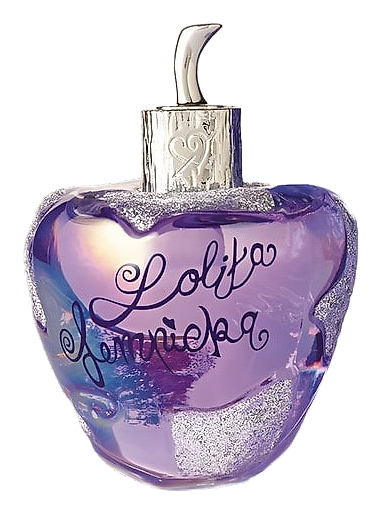
Fragrances featuring Licorice Blossom
Brands
Brands known for Licorice Blossom
Good to know
Questions, answered
The essentials on Licorice Blossom in perfumery: how it smells, where it comes from, and how it behaves on skin.
Is licorice blossom extracted from the actual licorice flower?
No. The licorice flower cannot yield fragrance through standard extraction methods. Perfumers instead reconstruct this note using synthesized anethole or star anise oil, which share the same aromatic compound.
What gives licorice blossom its characteristic sweet smell?
Anethole creates the signature sweet-licorice aroma. The same compound appears in star anise, fennel, and natural licorice root, all of which serve as source materials for reconstructing this note.
Does natural licorice extract exist in perfumery?
Licorice root extract exists but produces a different effect, offering earthy sweetness rather than the distinct aromatic licorice candy character. The recognizable blossom note is almost always reconstructed synthetically.
What family of fragrance compounds does anethole belong to?
Anethole belongs to the phenylpropene family, sharing structural similarities with estragole and methylchavicol. It was among the earliest aroma compounds synthesized in the 19th century alongside vanillin and coumarin.
How does licorice blossom function in a fragrance composition?
Licorice blossom typically appears as a heart or top note, providing immediate sweetness that softens sharper accords. It pairs well with vanilla, spices, and aromatic herbs while adding warmth to oriental compositions.
Which fragrance families most commonly feature licorice blossom?
Oriental and aromatic fragrances feature licorice blossom most frequently. It also appears in certain floral and fougère compositions where its sweet-herbaceous character provides unexpected depth.
Is there an ethical concern with synthetic licorice production?
Synthetic production avoids the agricultural resources required for natural cultivation, making it a more sustainable choice. Synthetic anethole also ensures consistent quality and supply regardless of crop conditions.
Can licorice blossom trigger allergies in sensitive users?
Anethole has a favorable safety profile compared to many natural materials. Regulatory bodies classify it as generally recognized as safe, though as with any fragrance ingredient, individual sensitivities can occur.



