Lemon Orpur
Lemon Orpur® captures the sun-drenched essence of Mediterranean groves. Cold-expressed from ripe fruit peel, this premium ingredient delivers an immediate brightness that defines countless modern fragrances.

Character
How it smells
Sunlit citrus with a green bite
It takes roughly 3 tons of lemon peel to produce just one kilogram of essential oil.






Origin
Italy
Lemons traveled a remarkable path across civilizations before becoming a perfumery staple. First cultivated in the region around present-day India and China, lemons spread slowly westward through ancient trade networks. Arab traders introduced them to the Mediterranean basin around the 10th century, where warm coastal climates proved ideal for cultivation.
Italian and Spanish groves quickly became central to lemon production, with Renaissance-era perfumers beginning to incorporate citrus oil into early fragrance preparations. By the 19th century, as perfumery shifted from artisanal craft to industrial production, lemon oil became a foundational ingredient in colognes and bright citrus compositions. The fruit's sharp, clean scent symbolized freshness and purity across European culture, appearing in everything from bathing rituals to ceremonial spaces. Today, lemon remains one of the most recognizable fragrance ingredients globally, its green-fresh character instantly familiar in countless formulations.
Wears it best
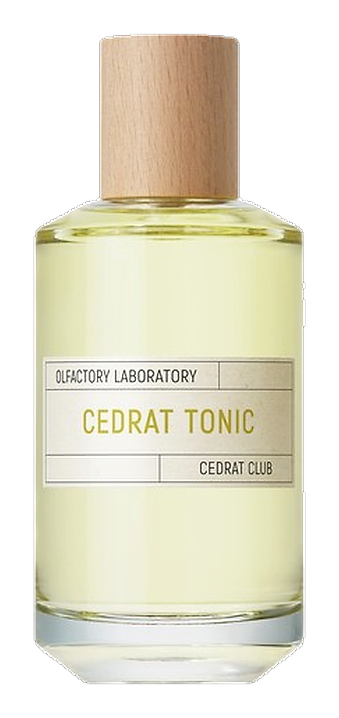
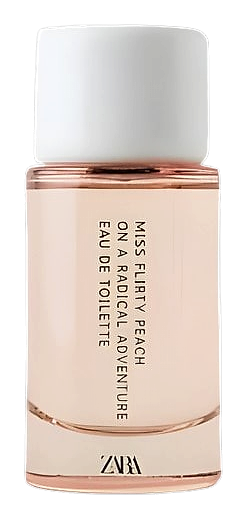
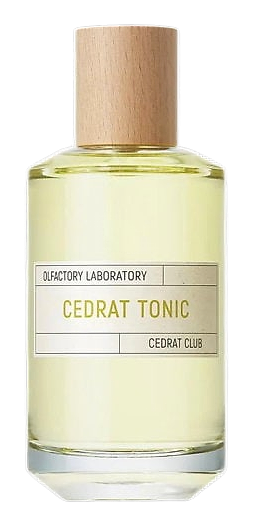
Fragrances featuring Lemon Orpur



Brands
Brands known for Lemon Orpur
Good to know
Questions, answered
The essentials on Lemon Orpur in perfumery: how it smells, where it comes from, and how it behaves on skin.
What is cold expression and why does it matter for lemon oil?
Cold expression uses mechanical pressure to extract oil from fresh fruit peel without heat. This matters because lemon's aromatic compounds are sensitive to temperature. Heat processing would degrade the delicate top notes, leaving a flattened, less vibrant scent profile.
Where do Lemon Orpur® ingredients originate?
Orpur® lemon oil comes primarily from Italian and Spanish Mediterranean groves. The warm, sunny climate and mineral-rich soil produce lemons with particularly aromatic peels. Givaudan maintains direct relationships with growers to ensure consistent quality.
What gives lemon oil its characteristic scent?
Lemon oil contains high concentrations of d-limonene (up to 70%) along with citral, which combines geranial and neral. Citral contributes the sharp, zesty character, while limonene provides the underlying citrus backbone that perfumers rely on for bright, clean openings.
How does Lemon Orpur® differ from synthetic lemon compounds?
Natural lemon oil contains a complex mixture of several hundred aromatic molecules that interact in ways synthetic alternatives cannot fully replicate. The subtle green notes and natural variation between batches create an organic depth that purely synthetic materials lack.
What fragrance families pair well with lemon oil?
Lemon works across citrus, floral, and green fragrance families. It pairs naturally with bergamot, neroli, and other citruses. It also combines well with aromatic herbs like lavender and rosemary, and base notes including cedar and white musk that extend its bright character.
Does lemon oil oxidize and how should I store it?
Lemon oil oxidizes faster than many ingredients due to its high limonene content. Exposure to air, light, and warmth accelerates degradation. Store in a cool, dark place with minimal headspace to extend shelf life and preserve the fresh, green character.
What role does lemon play in fragrance pyramid construction?
Lemon functions as a classic top note in fragrance construction. Its small molecular size means it evaporates quickly, reaching the nose within seconds of application. Perfumers use lemon to create immediate impact and draw attention to a fragrance's opening.
Are there seasonal limitations on lemon oil availability?
Lemon harvesting occurs twice yearly, primarily in winter and early summer depending on region. This means fresh oil production follows seasonal cycles. However, proper storage allows perfumers to maintain year-round access to high-quality material.