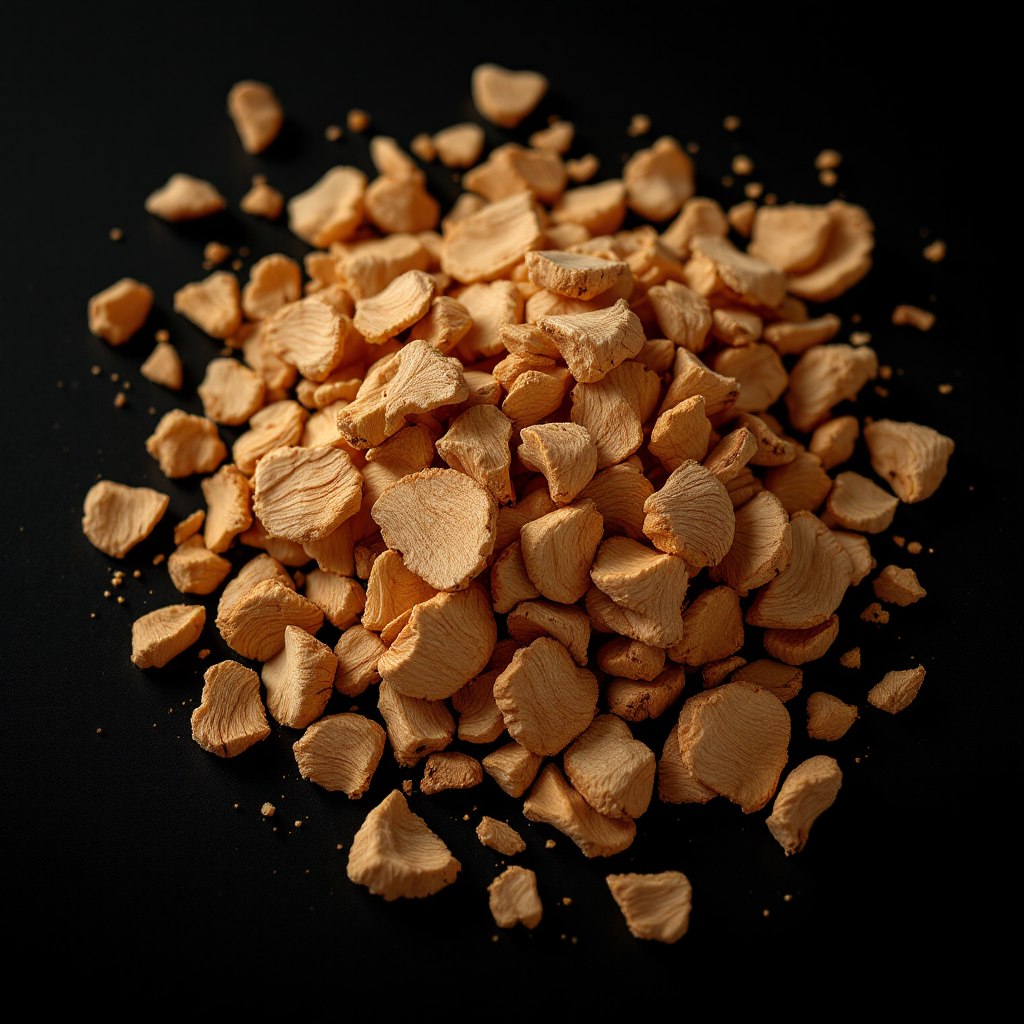
Laurel Wood
Laurel wood brings the fresh, spicy essence of Mediterranean groves to perfumery. Its crisp, camphorated aroma with subtle green and eucalyptus facets creates distinctive masculine and classical fragrances that evoke sun-drenched hillsides.
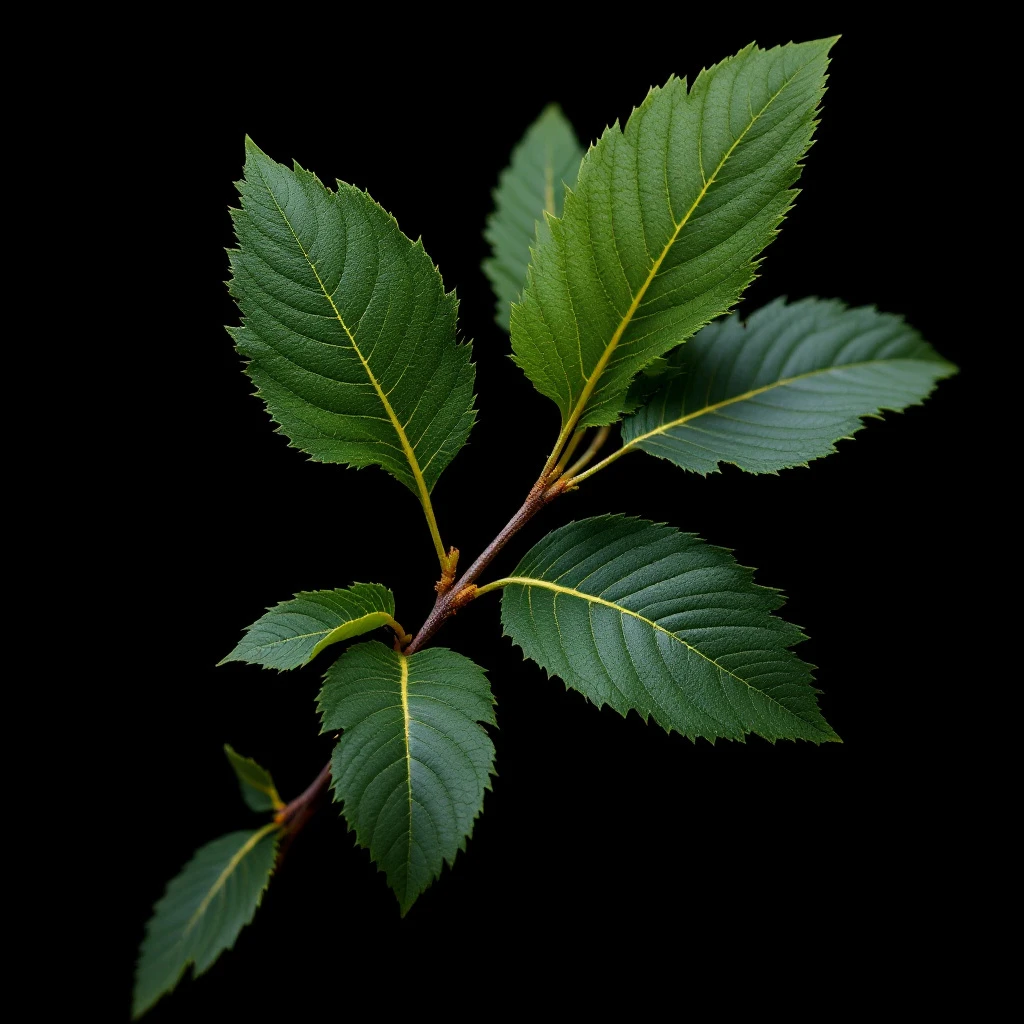
Character
How it smells
The ancient crown of victory, captured in scent.
Ancient Greeks and Romans believed laurel branches warded off lightning, placing laurel wreaths on victors' heads as sacred protection.
Pairs beautifully with
Origin
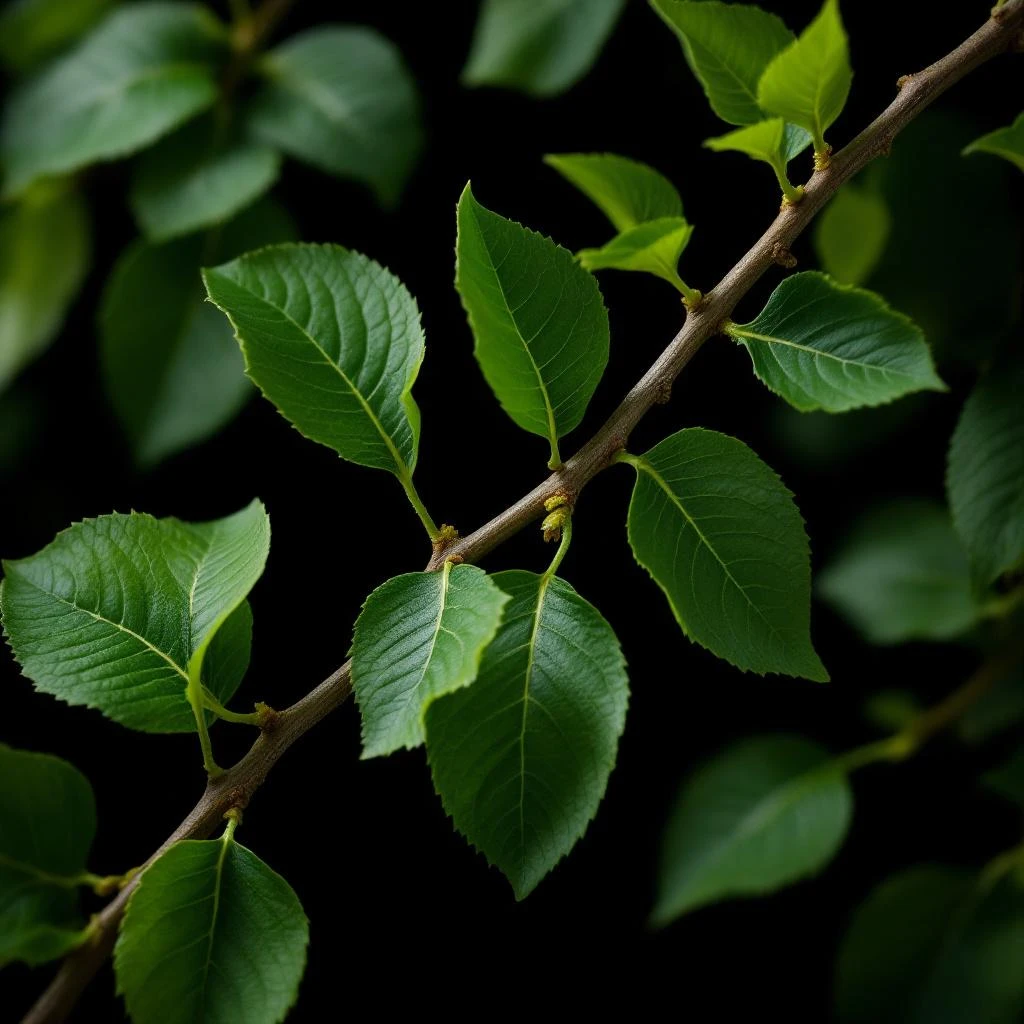
Mediterranean Basin (Greece)
Laurel has occupied a singular place in Mediterranean civilization for over three thousand years. The ancient Greeks associated Laurus nobilis with Apollo, the god of prophecy, poetry, and archery, stemming from the myth where the nymph Daphne transformed into a laurel tree to escape his pursuit. Apollo thereafter wore laurel wreaths as a symbol of achievement and spiritual purification.
Greek athletes, poets, and military commanders received laurel crowns upon victory, establishing the word "laureate" still used today. Romans adopted the tradition, crowning generals during triumphs and using laurel in religious rituals. Beyond ceremonial use, physicians of antiquity prescribed laurel preparations for digestive complaints, respiratory ailments, and joint pain.
Arab physicians later documented its distillation for medicinal applications during the medieval period. The aromatic exploitation of laurel for perfumery emerged gradually, with 19th-century French and Italian perfumers incorporating laurel leaf oil into herbal masculine bases. Its presence in classic fragrances persists as a nod to this ancient botanical heritage, lending an unmistakable Mediterranean character.
Wears it best
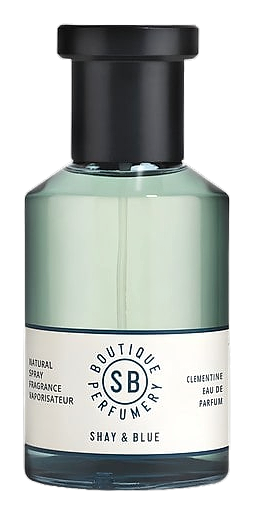
Fragrances featuring Laurel Wood
Brands
Brands known for Laurel Wood
Good to know
Questions, answered
The essentials on Laurel Wood in perfumery: how it smells, where it comes from, and how it behaves on skin.
What does laurel wood smell like in perfume?
Laurel wood oil presents a fresh, sharp aroma with strong camphor and eucalyptus-like qualities. It carries green, slightly medicinal facets with subtle spicy undertones reminiscent of clove and black pepper.
Is laurel wood used in masculine or feminine fragrances?
Laurel wood appears predominantly in masculine and unisex compositions due to its crisp, herbal character. However, it occasionally features in classical feminine fragrances as a supporting note in chypre or aromatic structures.
How long has laurel been used in perfumery?
Laurel leaf distillation for aromatic purposes dates to the 19th century, though the plant held ceremonial significance in Mediterranean cultures for over 3,000 years before entering perfumery.
What fragrance families commonly feature laurel wood?
Aromatic fougere, chypre, and herbaceous compositions most frequently incorporate laurel wood. It pairs well with lavender, oakmoss, coumarin, and citrus materials.
Is laurel wood oil sustainable to harvest?
Laurus nobilis grows abundantly across the Mediterranean and can be sustainably harvested through selective pruning of leaves and twigs without damaging mature trees.
Does laurel wood oil contain allergens?
Laurel oil contains eucalyptol (1,8-cineole) and linalool, which appear on IFRA allergen lists. Perfumers limit concentration in final formulations to comply with safety standards.
What is the difference between laurel leaf oil and bay laurel oil?
True laurel (Laurus nobilis) differs from bay rum tree (Pimenta racemosa) and Indian bay leaf (Cinnamomum tamala). Only Laurus nobilis carries the characteristic crisp, medicinal freshness prized in perfumery.
Can laurel wood be synthetically replicated?
Synthetic eucalyptol (1,8-cineole) can mimic one facet of laurel's aroma, but the complete oil's complexity including terpinyl acetate and pinene notes remains difficult to reproduce faithfully.