Lacquered Wood
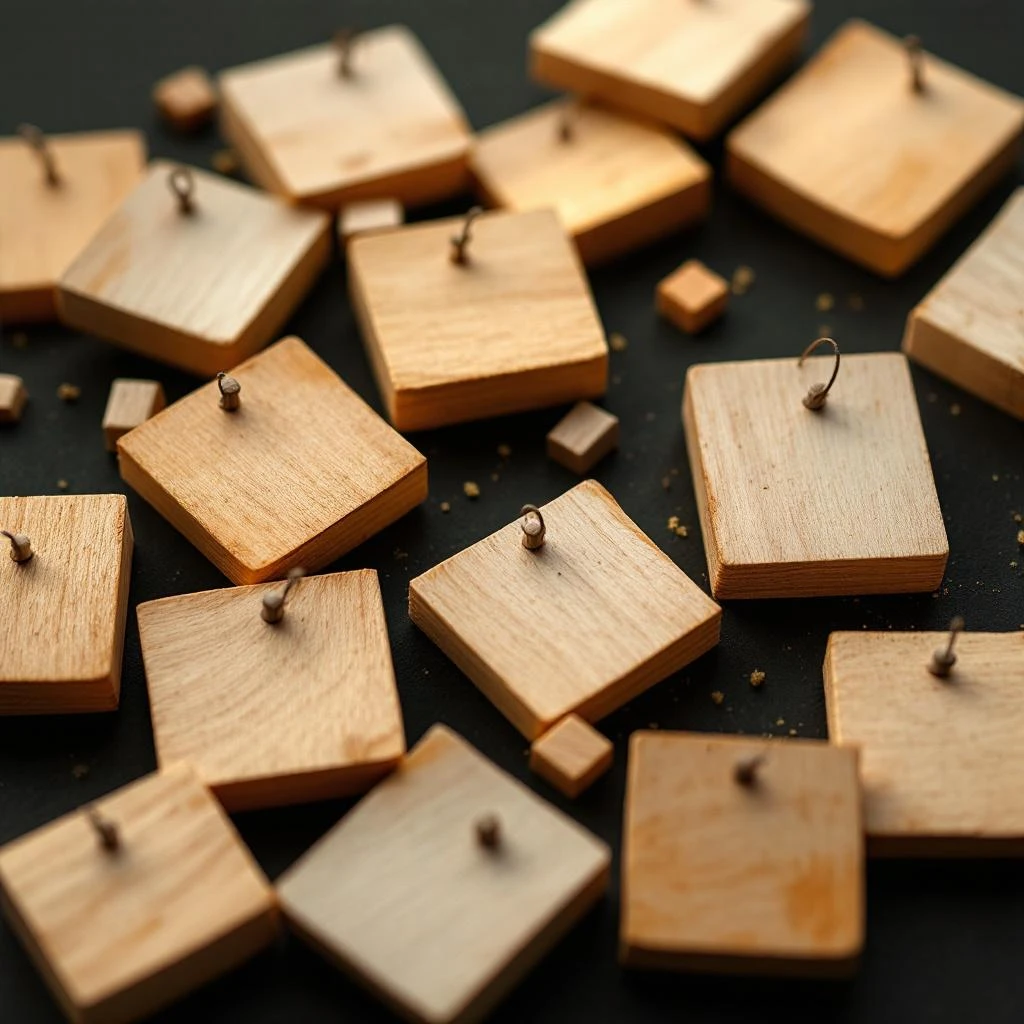
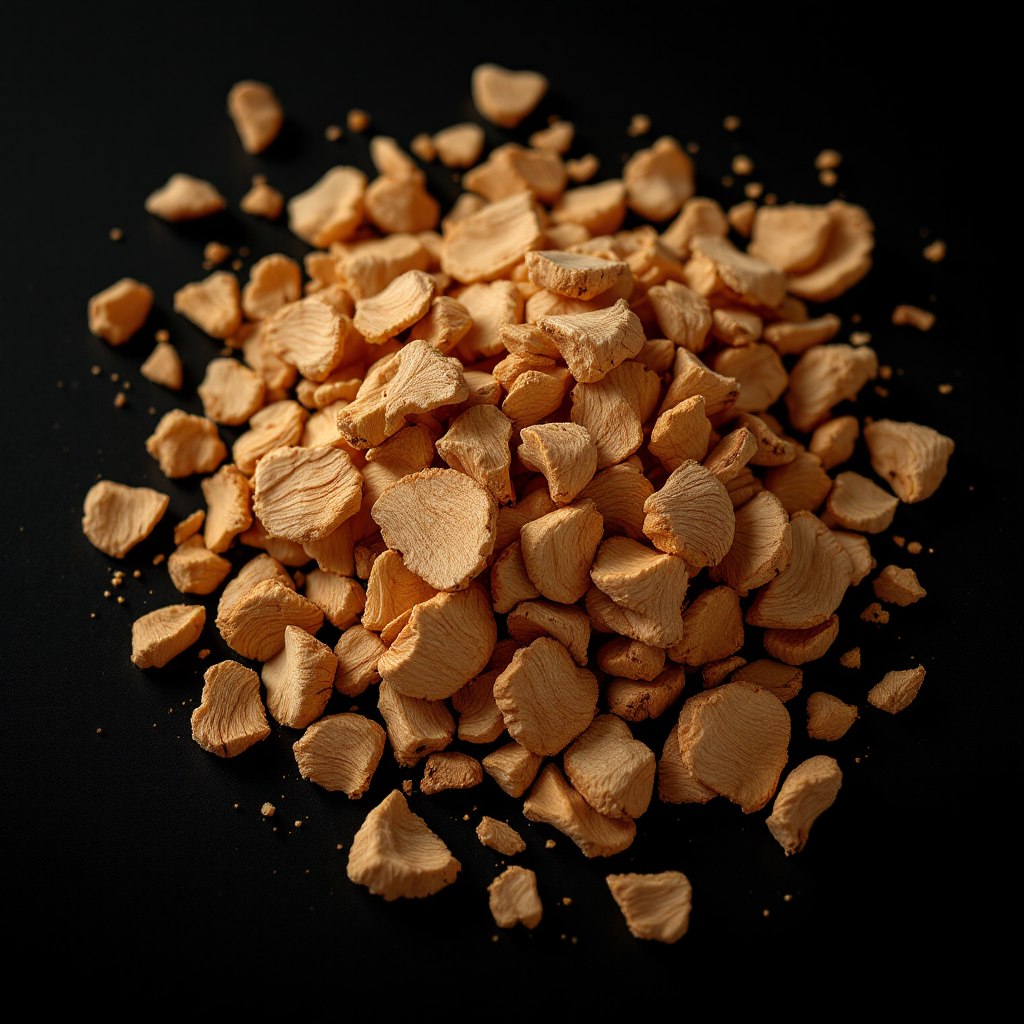
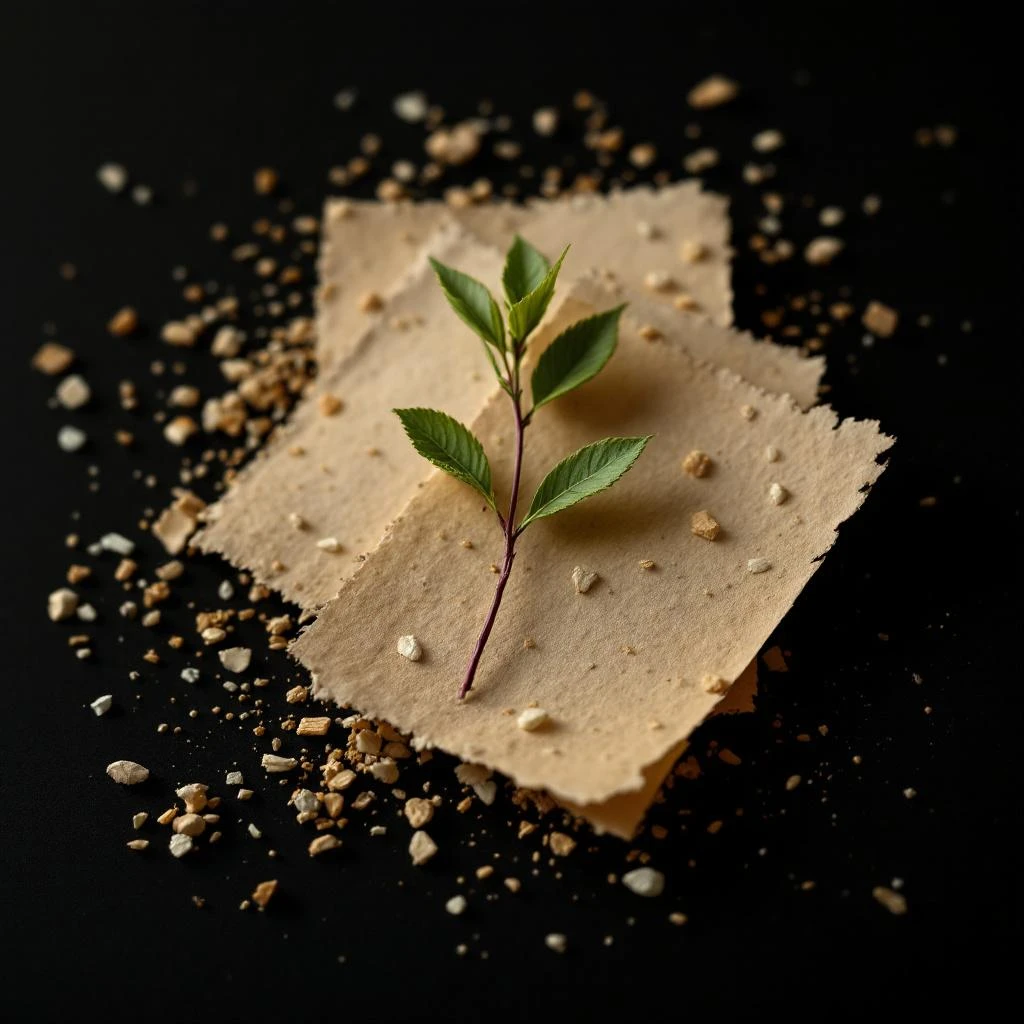
Lacquered Wood captures the scent of polished, glossy wooden surfaces—smooth, warm, and modern. This note evokes the visual elegance of lacquered furniture and boxes, translating a tactile experience into olfactory form. Discover how perfumers create this contemporary woody signature.

Character
How it smells
The scent of polished elegance on warm wood.
The lacquered wood accord draws inspiration from traditional Asian lacquerware, which uses sap from the Toxicodendron vernicifluum tree to create glossy, aromatic finishes.


Origin
France
The concept of Lacquered Wood in perfumery draws from centuries of Asian lacquerware tradition, where artisans in China, Japan, and Korea coated wooden objects with lacquer derived from the lacquer tree (Toxicodendron vernicifluum). This natural lacquer dried to a hard, glossy finish while releasing a distinctive aromatic scent.
Modern perfumery adapted this sensory experience into an abstract note, translating the visual elegance of lacquered wood into fragrance form. Contemporary perfumers began constructing Lacquered Wood accords in the late 20th century as consumers sought modern, refined woody signatures that differed from traditional raw wood materials.
Wears it best
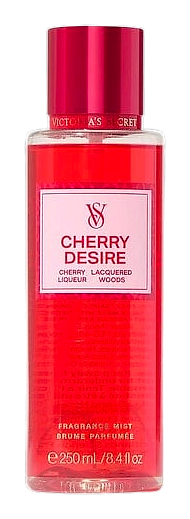
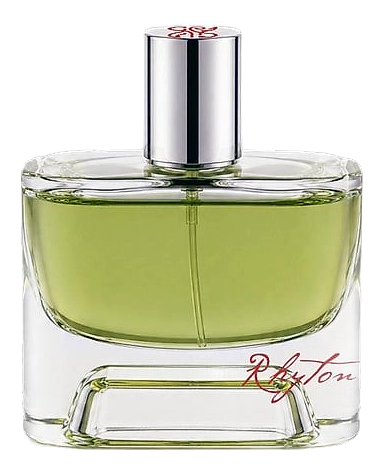
Fragrances featuring Lacquered Wood
Brands
Brands known for Lacquered Wood
Good to know
Questions, answered
The essentials on Lacquered Wood in perfumery: how it smells, where it comes from, and how it behaves on skin.
What does Lacquered Wood smell like?
Lacquered Wood smells smooth, warm, and polished—like the surface of a freshly finished wooden box or piece of furniture. It combines warm woody notes with a subtle sweetness and a clean, modern finish.
Is Lacquered Wood a natural ingredient?
Lacquered Wood is primarily a constructed accord combining synthetic aromatic molecules with natural woody extracts. It is not a single natural ingredient but rather a perfumer's interpretation of lacquered wood surfaces.
Which perfumes feature Lacquered Wood as a prominent note?
Several niche and designer fragrances feature Lacquered Wood accords, particularly those with modern woody compositions. Check specific fragrance listings to identify which compositions prominently feature this note.
How does Lacquered Wood differ from other woody notes?
Unlike raw woody notes such as cedar or sandalwood, Lacquered Wood has a polished, almost glossy quality. It feels smoother and more refined, lacking the natural roughness of unprocessed wood.
Can Lacquered Wood be combined with other fragrance families?
Lacquered Wood pairs well with oriental, spicy, and floral notes. It adds warmth and sophistication to compositions and works particularly well with amber, vanilla, and aromatic herbs.
When was Lacquered Wood first used in perfumery?
Lacquered Wood accords became common in perfumery during the late 20th century as consumers increasingly sought modern, sophisticated woody signatures that departed from traditional raw wood materials.
Does Lacquered Wood come from lacquerware traditions?
The concept draws inspiration from Asian lacquerware traditions, where artisans used natural lacquer from the lacquer tree to create glossy finishes on wooden objects. Modern perfumery translates this sensory experience into an abstract note.
Is Lacquered Wood suitable for vegan or natural perfumery?
Most Lacquered Wood accords contain synthetic components, making them unsuitable for natural-only perfumery. Some perfumers create semi-natural versions using primarily natural woody extracts with minimal synthetic enhancement.