Juniper needle
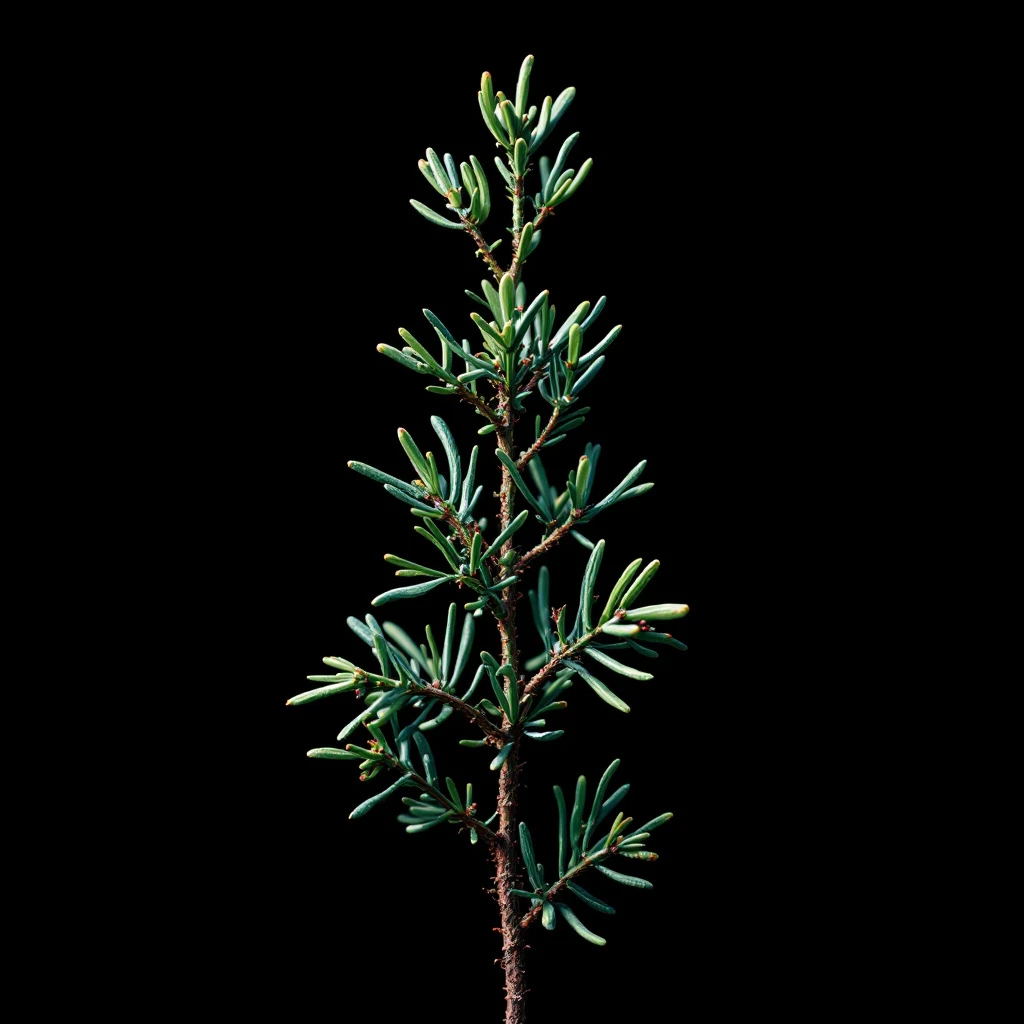
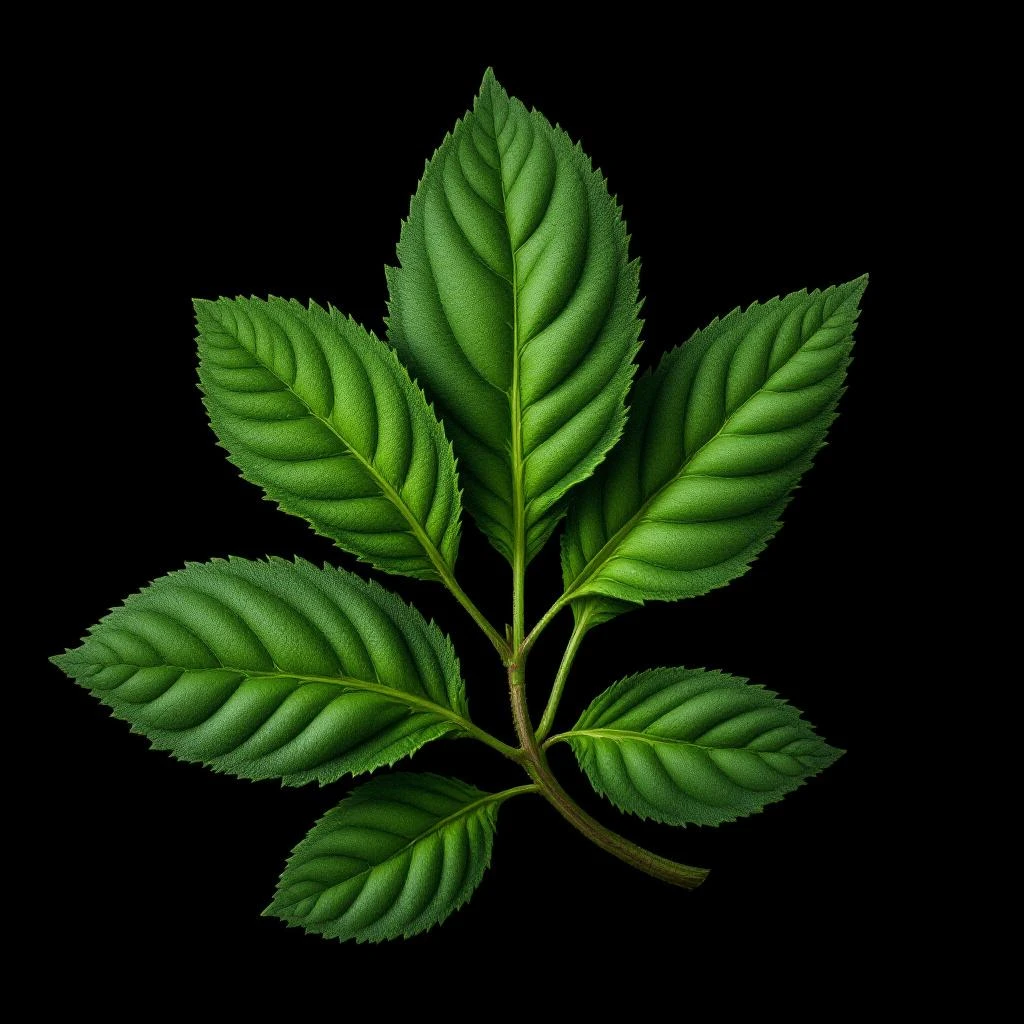
Juniper needles yield a crisp, resinous essential oil with camphoraceous freshness and dry wood undertone. The aromatic needle oil provides sharp, terebinthinate character distinct from the berry - more herbal, less sweet. Perfumers value it for its bracing forest accord.
Character
How it smells
Bracing alpine air, captured in oil.
Juniper needles yield up to 3.5% essential oil by weight, making them one of the most potent needle extracts in perfumery.


Origin
Balkans region (multiple nations)
Juniper holds one of the oldest documented positions in botanical perfumery. Ancient Romans burned juniper branches during ritual purification ceremonies and stuffed them into sandals for stamina during long marches. Medieval Europeans planted juniper at doorways believing its penetrating scent repelled spirits and halted epidemic disease.
Alpine shepherds regularly burned juniper in mountain shelters. Native American peoples used juniper smoke in cleansing ceremonies long before European contact. The plant earned its protective reputation through centuries of practical observation.
By the 18th century, when gin production standardized juniper as a botanical, perfumers had already been distilling juniper needles for decades. The earliest French and British perfume houses listed juniper needle oil in formularies from the 1820s onward, using it to anchor herbal and fougere compositions. Juniperus communis grows across the Northern Hemisphere, and regional chemotypes developed independently across Balkan, Mediterranean, and North American traditions, each producing subtly different oil profiles recognized by professional buyers today.
Wears it best
Fragrances featuring Juniper needle
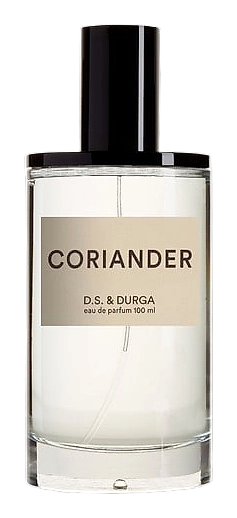
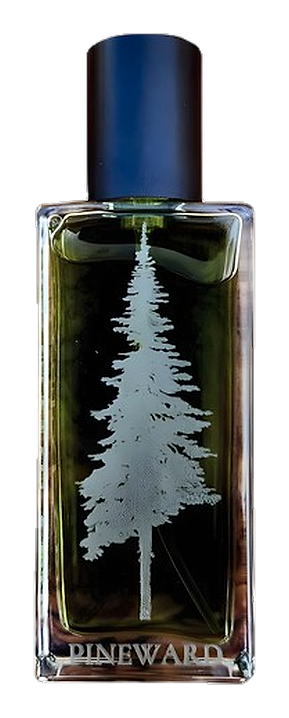
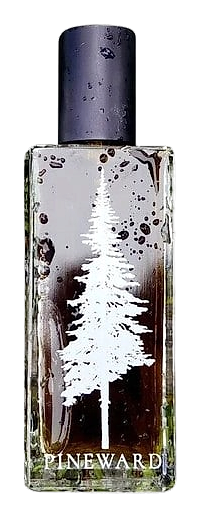
Brands
Brands known for Juniper needle
Good to know
Questions, answered
The essentials on Juniper needle in perfumery: how it smells, where it comes from, and how it behaves on skin.
What does juniper needle oil smell like?
Juniper needle oil smells sharp and pine-like with camphor and terebinthinate notes. The overall impression is fresh-cut evergreen with a dry, slightly medicinal backbone. It lacks the sweet berry quality found in juniper berry oil.
How does juniper needle oil differ from juniper berry oil?
Needle oil reads as more herbal and resinous, while berry oil carries recognizable gin-like sweetness with fleeting berry fruitness. Needle oil also contains higher camphor content, giving it a cooler, more medicinal character. Berry oil dominates in masculine colognes; needle oil anchors masculine and unisex forest compositions.
What extraction method produces juniper needle oil?
Steam distillation is the prevailing commercial method. Fresh needles and young twigs undergo hydrodistillation or steam injection for 4 to 8 hours, yielding 0.2 to 0.5% oil by weight. CO2 supercritical extraction is a premium alternative preserving more sesquiterpene fractions.
Which countries produce the best juniper needle oil?
Balkan nations, particularly Bosnia and Herzegovina and Croatia, produce high-alpha-pinene juniper needle oils preferred by European香水 houses. Himalayan and North American sources offer distinct chemotypes with elevated camphor and bornyl acetate profiles.
Is juniper needle oil safe for skin use?
Juniper needle oil requires dilution to 2% or lower in fixed oils for topical application. It shows good dermal tolerance at low concentrations but may cause irritation in undiluted form. IFRA guidelines restrict its use in leave-on products above certain concentrations due to limonene and alpha-pinene oxidation potential.
What fragrance families use juniper needle oil?
Juniper needle oil appears primarily in fougere,chypre, and aromatic masculine compositions. It also functions as a top-note modifier in fresh colognes, adding natural evergreen lift without synthetic aldehydic sharpness. Occasionally found in high-end unisex fragrances built around forest or green accords.
Can juniper needle oil be synthesized or mimicked artificially?
Synthetic alpha-pinene exists and appears in less expensive fragrance compounds, but it lacks the full-spectrum complexity of true juniper needle oil. The natural extract contains over 60 identified compounds including sesquiterpenes and minor constituents that artificial reconstruction cannot economically replicate.
What is the shelf life of juniper needle essential oil?
Properly stored in dark glass bottles at refrigeration temperatures, juniper needle oil remains stable for 2 to 3 years. Exposure to heat and light accelerates oxidation of monoterpene constituents, degrading aromatic quality and potentially increasing skin sensitization risk.