Jujube honey
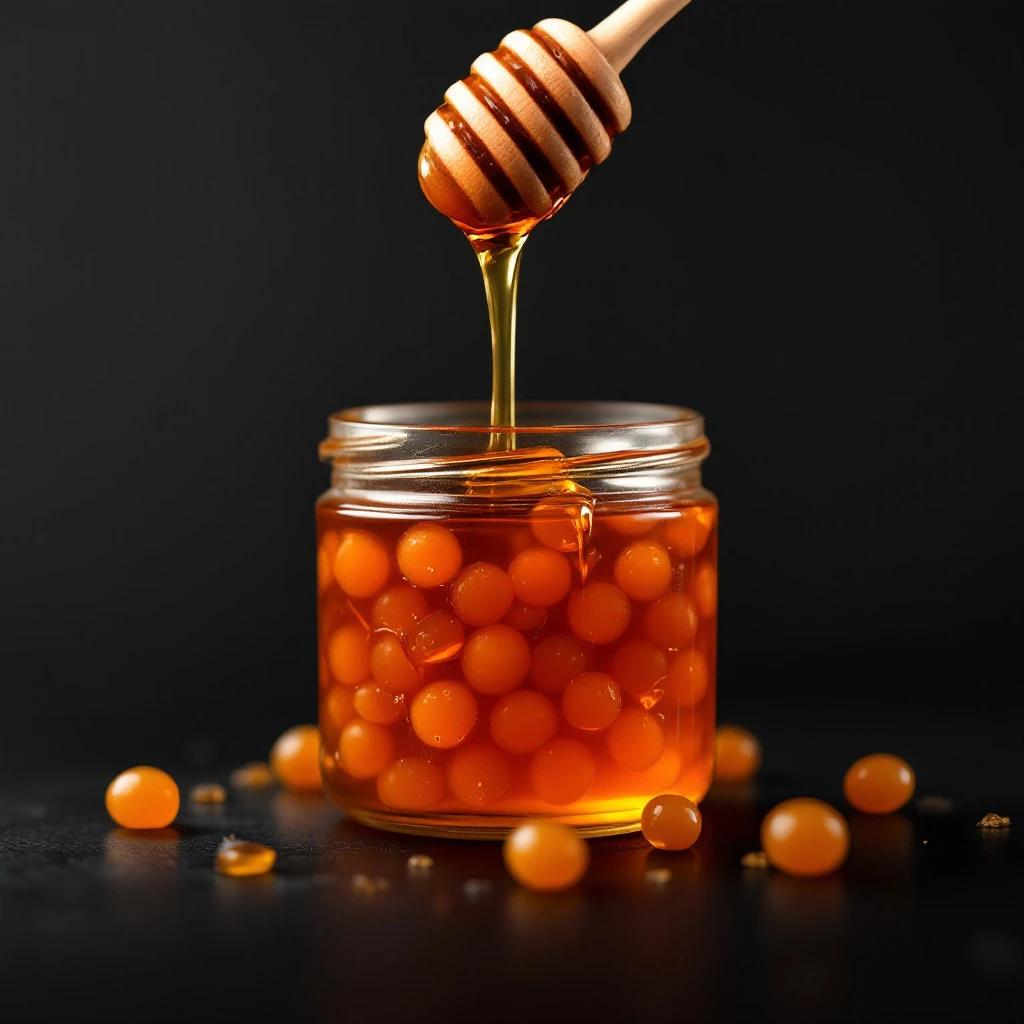
Jujube honey captures the intoxicating sweetness of the jujube fruit, rendered through careful extraction to deliver warm, caramel-like notes with a subtle fruity depth. This prized ingredient bridges ancient wellness traditions with modern perfumery, offering a honeyed warmth that elevates compositions with its comforting yet sophisticated character.
Character
How it smells
Ancient fruit sweetness, distilled into aromatic gold.
Jujube trees can live for over 1,000 years, with some specimens in China documented at 600+ years old, still producing fragrant blossoms prized by bees for honey production.




Origin
China
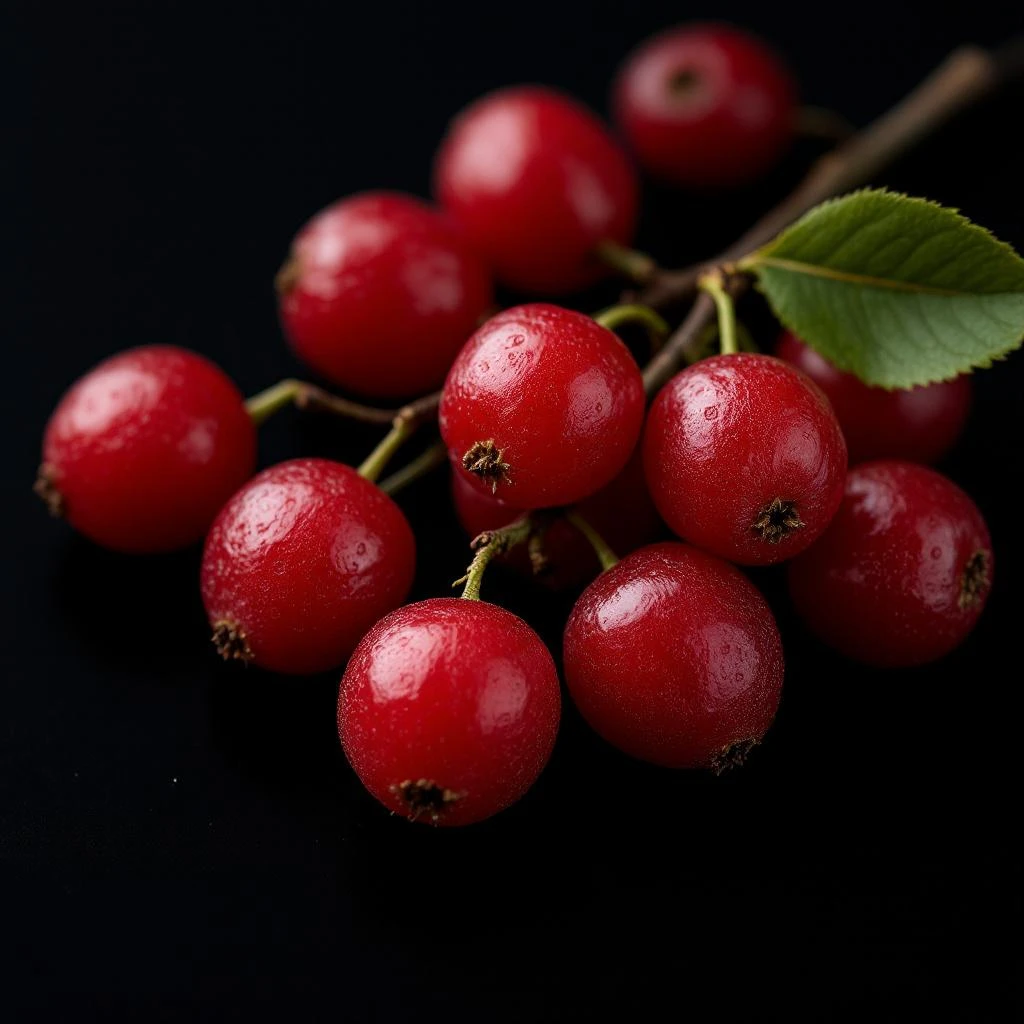
Jujube holds a revered position in traditional medicine systems spanning China, India, and the Mediterranean, where practitioners utilized its fruit for calming properties and digestive support for over 4,000 years. Ancient Chinese texts document jujube as one of the earliest cultivated fruit trees, with records dating to 7,000 BC in the Shandong region.
The fruit's honey-like sweetness made it valuable not only as food but as a medicinal sweetener that balanced herbal preparations. In perfumery, jujube's aromatic potential remained largely unexplored until contemporary extraction techniques allowed perfumers to capture its nuanced sweetness.
The ingredient emerged as a distinct note in niche perfumery during the 2000s, as artisans sought to expand their palette beyond conventional floral and citrus materials. Today, jujube honey represents a bridge between culinary heritage and olfactory artistry, valued for its warm, comforting character that evokes sun-dried fruits and wildflower meadows.
Wears it best
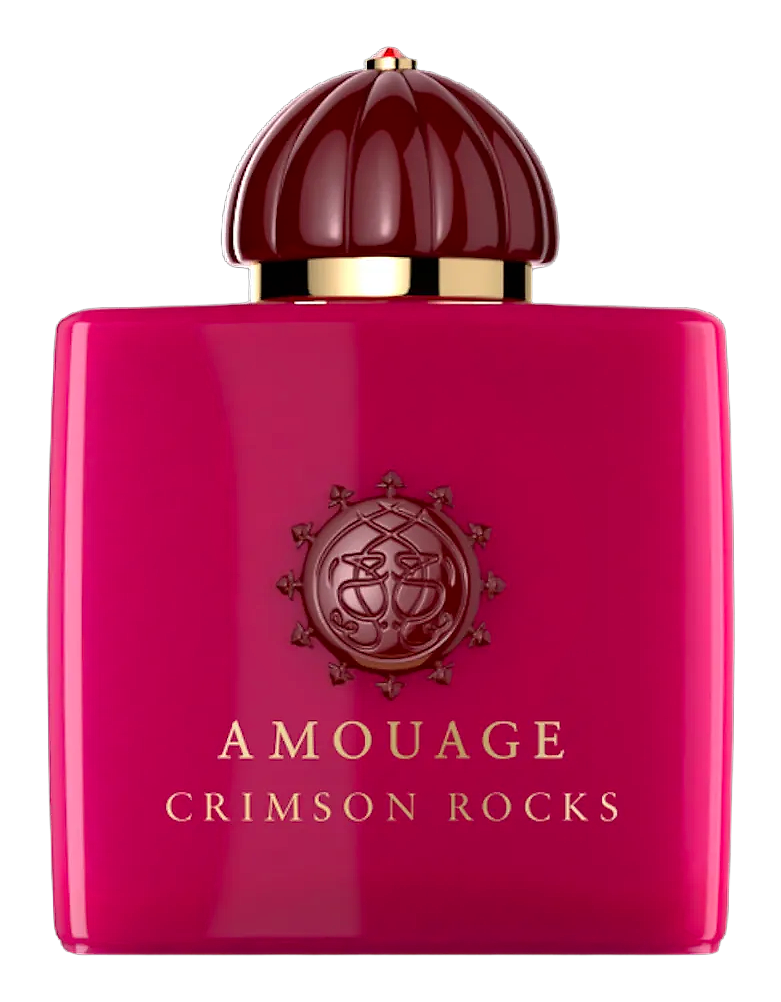
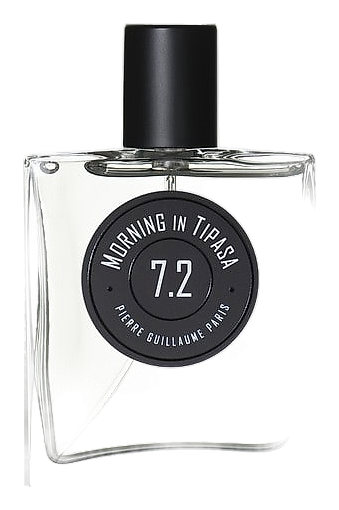
Fragrances featuring Jujube honey
Brands
Brands known for Jujube honey
Good to know
Questions, answered
The essentials on Jujube honey in perfumery: how it smells, where it comes from, and how it behaves on skin.
What does jujube honey smell like?
Jujube honey presents warm, sweet notes reminiscent of date paste, caramel, and wildflower honey with a subtle tangy undertone reminiscent of dried apricot. It adds comforting warmth to fragrance compositions.
Is jujube honey a natural or synthetic ingredient?
Jujube honey exists in both forms. Natural jujube absolute is extracted from the fruit using solvents, while reconstructed accords combine natural extracts with nature-identical aromatic compounds for consistency.
Which fragrance families typically use jujube honey?
Jujube honey appears frequently in oriental and amber fragrances, where its warm, sweet character enhances richness. It also features in modern fruity-gourmand compositions and some chypre variations.
Does jujube honey have any aromatic rivals?
Date absolute and caramel absolute share similar sweet, dried fruit characteristics. However, jujube honey offers a unique combination of honeyed warmth with subtle fruit acidity that distinguishes it.
How much jujube honey is typically used in a fragrance?
Jujube honey serves as a supporting to heart note, typically used at 2-8% concentration in fragrance concentrates. Its substantive nature allows even small amounts to contribute significant warmth.
What extraction method produces jujube honey absolute?
Solvent extraction of the jujube fruit yields a concrete, which is then processed into absolute using ethanol. This method captures the fruit's complex sugar-derived aromatics most effectively.
Can jujube honey be found in commercial perfumes?
Jujube honey has appeared in niche fragrances since the early 2000s, often marketed for its unique warm-sweet character. It remains more common in artisanal and boutique perfumery than mass-market products.
Does jujube honey pair well with other ingredients?
Jujube honey harmonizes beautifully with vanilla, benzoin, and labdanum, creating rich amber signatures. It also pairs with neroli and orange blossom for a sweeter floral direction, or with spices like cardamom for complexity.