Cinnamon Essential
Cinnamon bark essential oil delivers warm, complex sweetness with sharp spice. Its rich, sweet-spicy aroma anchors oriental fragrances and adds inviting warmth to winter compositions.
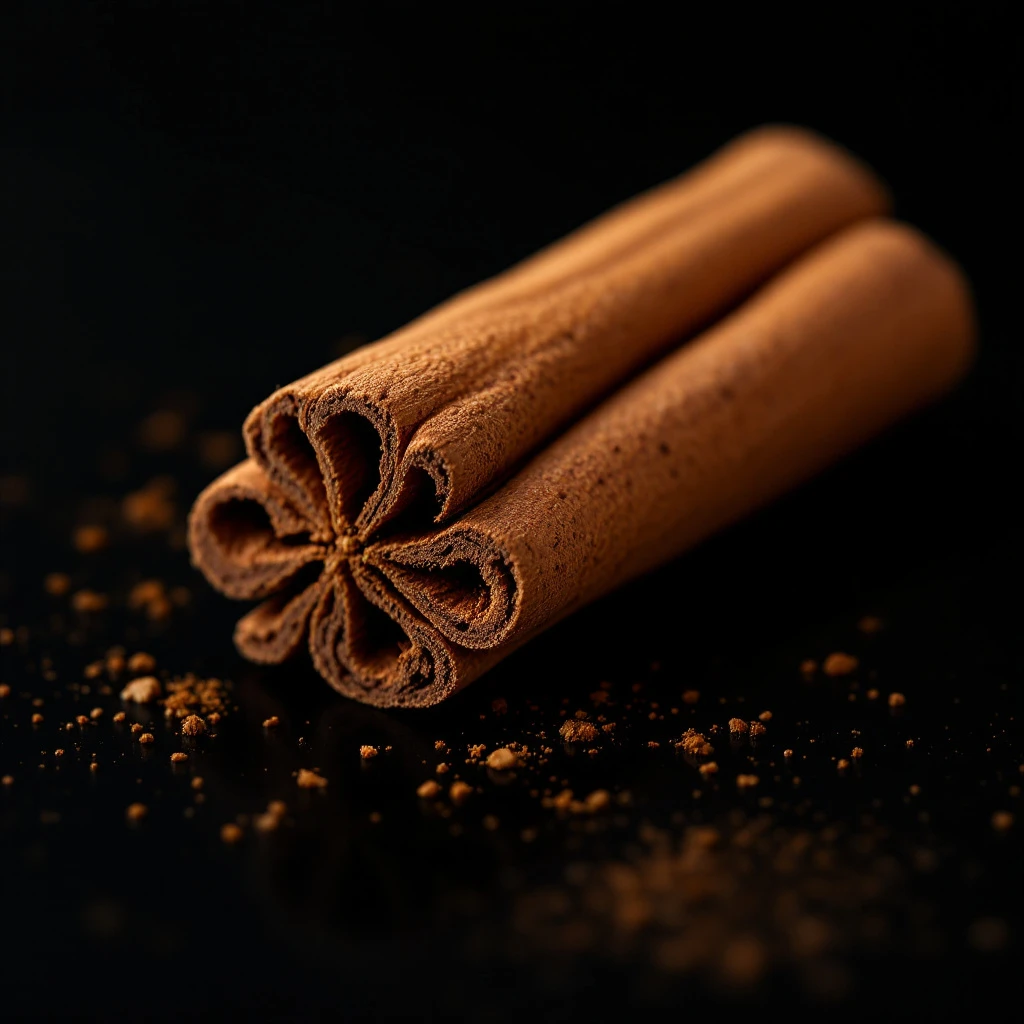
Character
How it smells
Volcanic warmth from Ceylon's ancient bark
Chinese emperors once paid more for cinnamon than silver
Pairs beautifully with


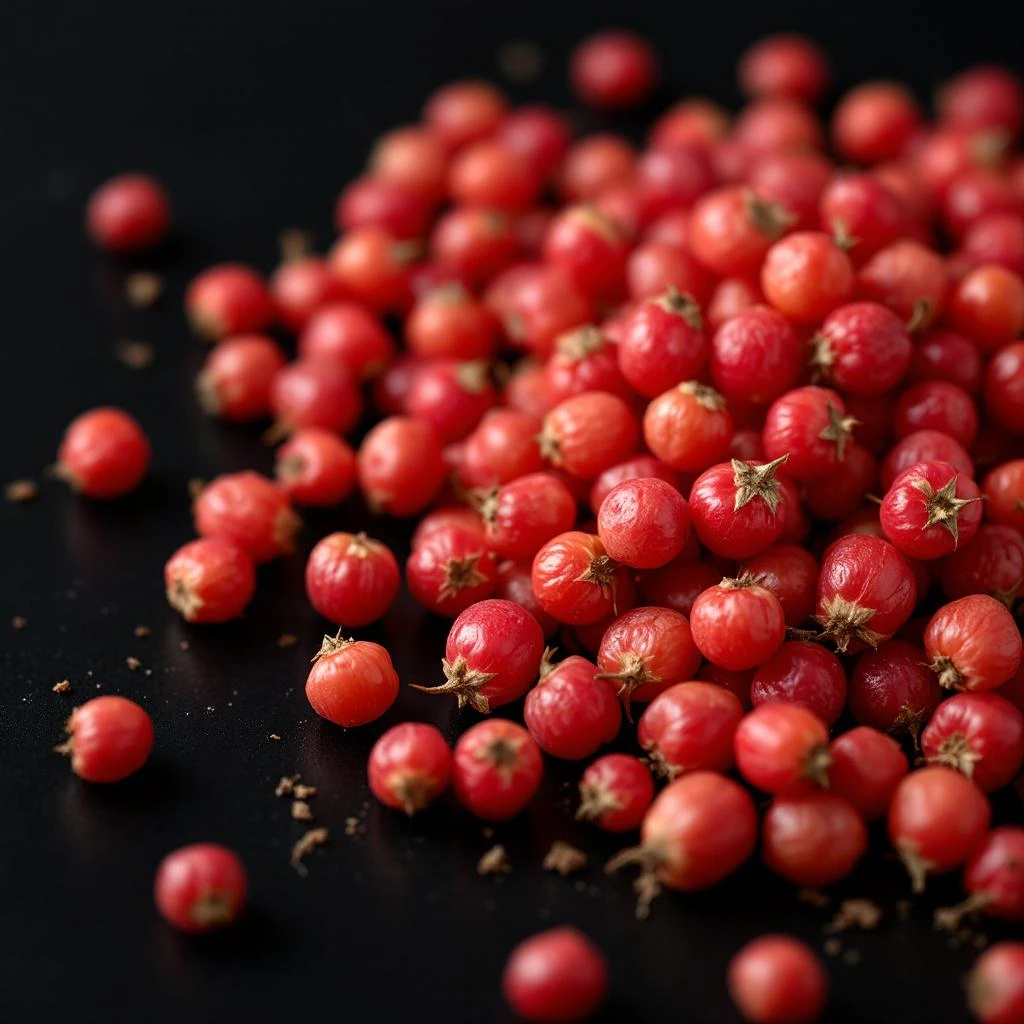
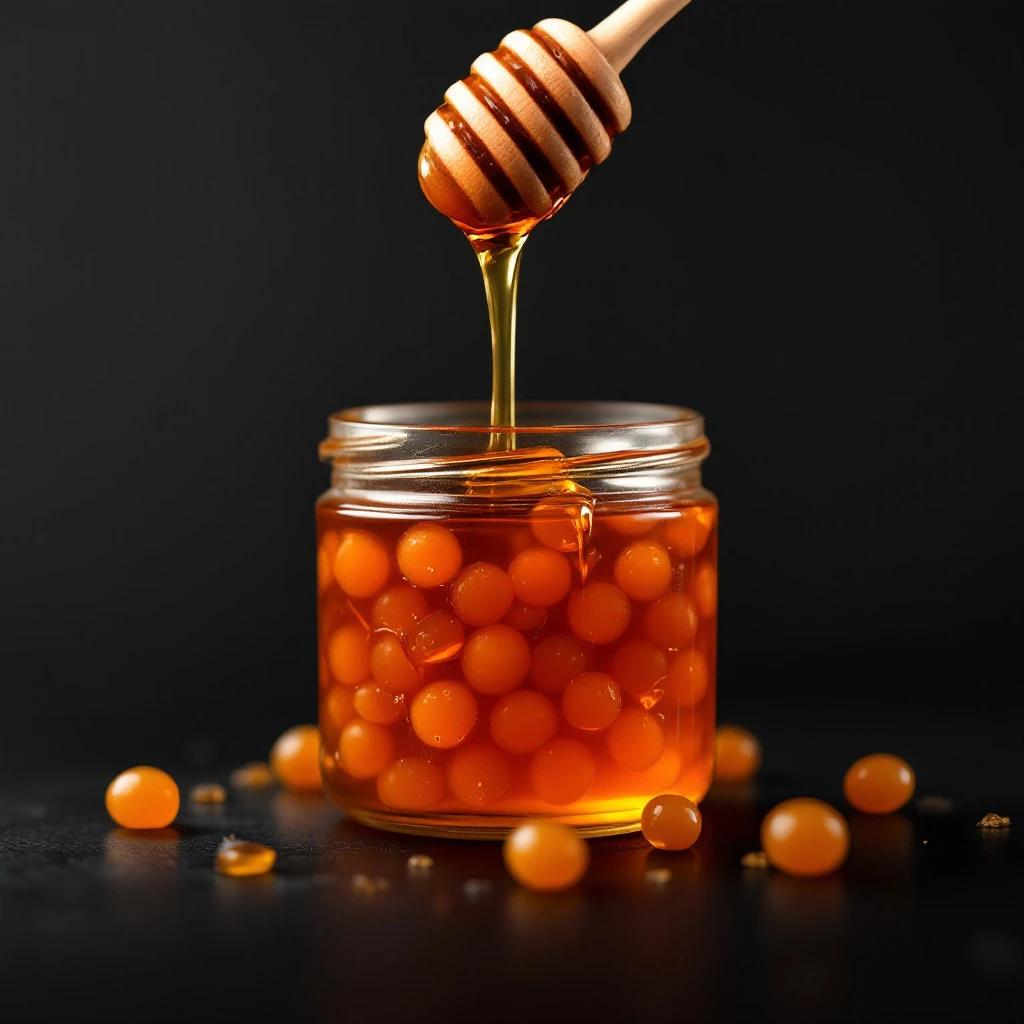
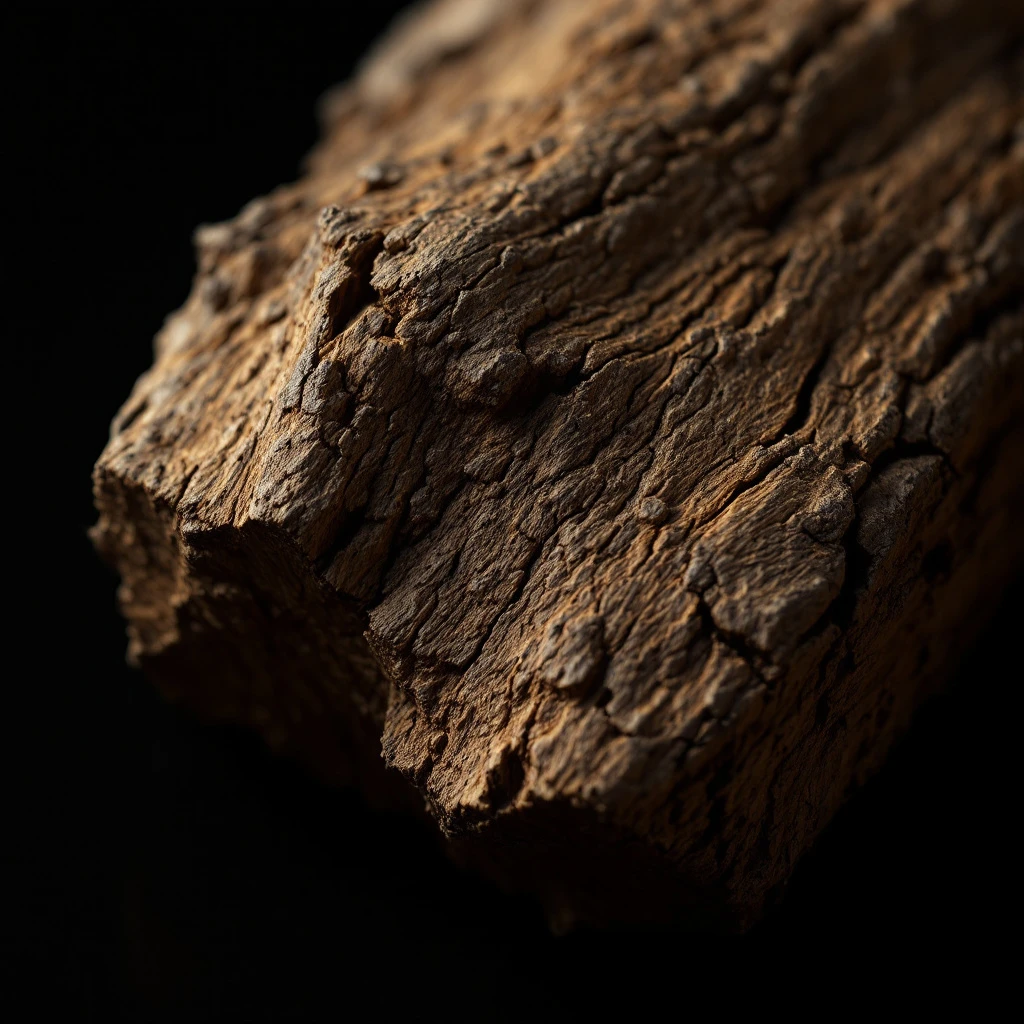

Origin
Sri Lanka
Cinnamon ranks among the oldest traded spices in human history, originating in tropical Asia where ancient trade routes first circulated aromatic materials. Sri Lanka's Ceylon cinnamon held particular esteem, commanding prices that rivaled precious metals in ancient markets. Cleopatra's Egypt used cinnamon in embalming rituals, while Romans and Chinese civilizations prized it for ceremonial and medicinal applications.
Medieval European apothecaries relied on cinnamon as a foundational ingredient in medicinal preparations. When Portuguese explorer Vasco da Gama reached Asian markets in 1498, the spice trade shifted dramatically. By the 1600s, the Dutch East India Company controlled Sri Lanka's cinnamon exports, establishing a near-monopoly that shaped colonial history.
This spice's journey from ancient economies to modern perfumery reflects its enduring appeal across centuries.
Wears it best
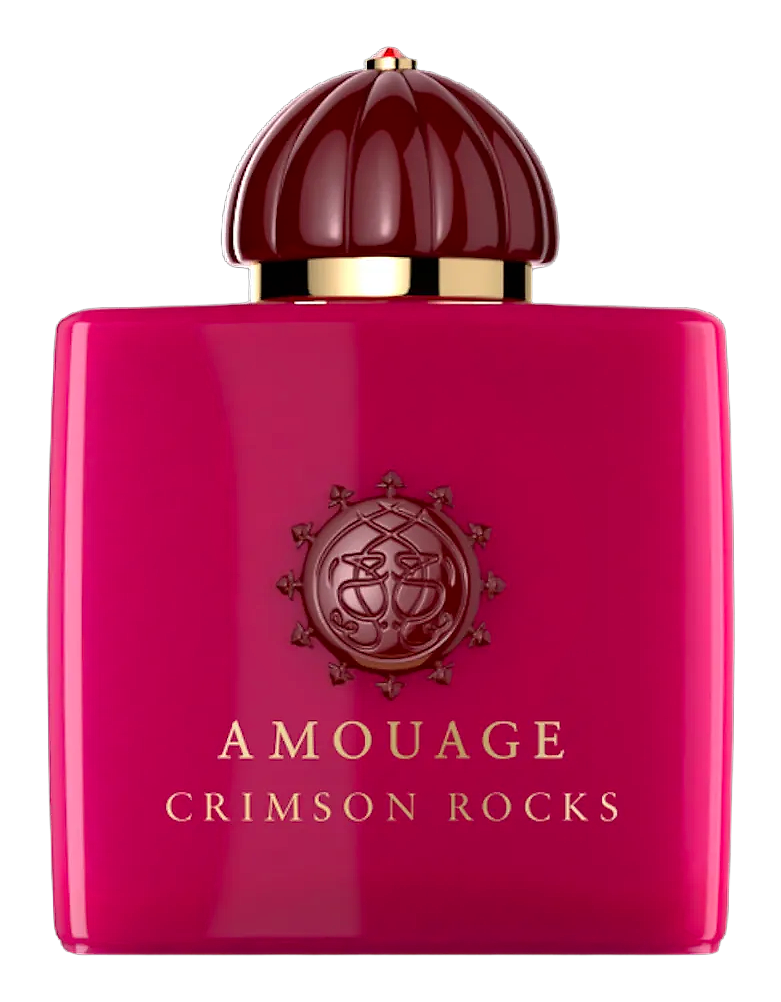
Fragrances featuring Cinnamon Essential
Brands
Brands known for Cinnamon Essential
Good to know
Questions, answered
The essentials on Cinnamon Essential in perfumery: how it smells, where it comes from, and how it behaves on skin.
What does cinnamon bark oil smell like in perfumery?
Cinnamon bark oil in perfumery smells warm and sweet-spicy with sharp intensity. It combines comfort with assertive character, offering the familiar warmth of holiday baking and mulled drinks. The oil brings complex, multifaceted warmth that perfumers value for anchoring oriental compositions.
What makes bark oil different from other cinnamon extracts?
Bark oil contains substantially higher cinnamaldehyde content than leaf oil, typically 60-75% for Cinnamomum zeylanicum bark oil. This concentration delivers the distinctive warm-spicy character associated with true cinnamon. Leaf oil yields less oil with notably lower cinnamaldehyde levels, producing a different aromatic effect.
How long has cinnamon been used in perfumery?
Cinnamon bark has featured in perfumery for thousands of years, long before synthetic fragrance compounds emerged at the end of the 19th century. Ancient Egyptian, Roman, and Chinese perfumery relied entirely on botanical materials, with cinnamon appearing in sacred oils, unguents, and ceremonial preparations.
What chemical gives cinnamon oil its characteristic aroma?
Cinnamaldehyde is the primary compound responsible for cinnamon oil's distinctive warm-spicy character. In Cinnamomum zeylanicum bark oil, cinnamaldehyde content ranges from 60-75%, creating the recognizable warm-spicy effect that defines authentic cinnamon fragrance.
What pairs well with cinnamon in fragrance compositions?
Cinnamon harmonizes naturally with warm resinous materials like frankincense and myrrh, woody bases such as sandalwood, other warm spices including clove and vanilla, and select florals like rose. It contrasts poorly with bright citrus notes and aquatic accords.
Are there safety considerations when using cinnamon bark oil?
Cinnamon bark oil requires careful handling due to cinnamaldehyde content that acts as a skin sensitizer. The International Fragrance Association caps usage at 0.25% for leave-on applications to minimize sensitization risks.
How do perfumers use cinnamon oil safely?
Skilled perfumers incorporate cinnamon bark oil at low dilutions, typically dissolving it in perfume alcohol at 1-5% concentration. This approach allows professional perfumers to harness the ingredient's characteristic warmth while respecting safety guidelines.
How should cinnamon bark oil be stored?
Cinnamon bark oil keeps for 4-5 years when stored correctly in sealed containers away from light and heat. Proper storage helps preserve the oil's fragrance profile and therapeutic properties throughout its shelf life.