Italian bergamot petitgrain
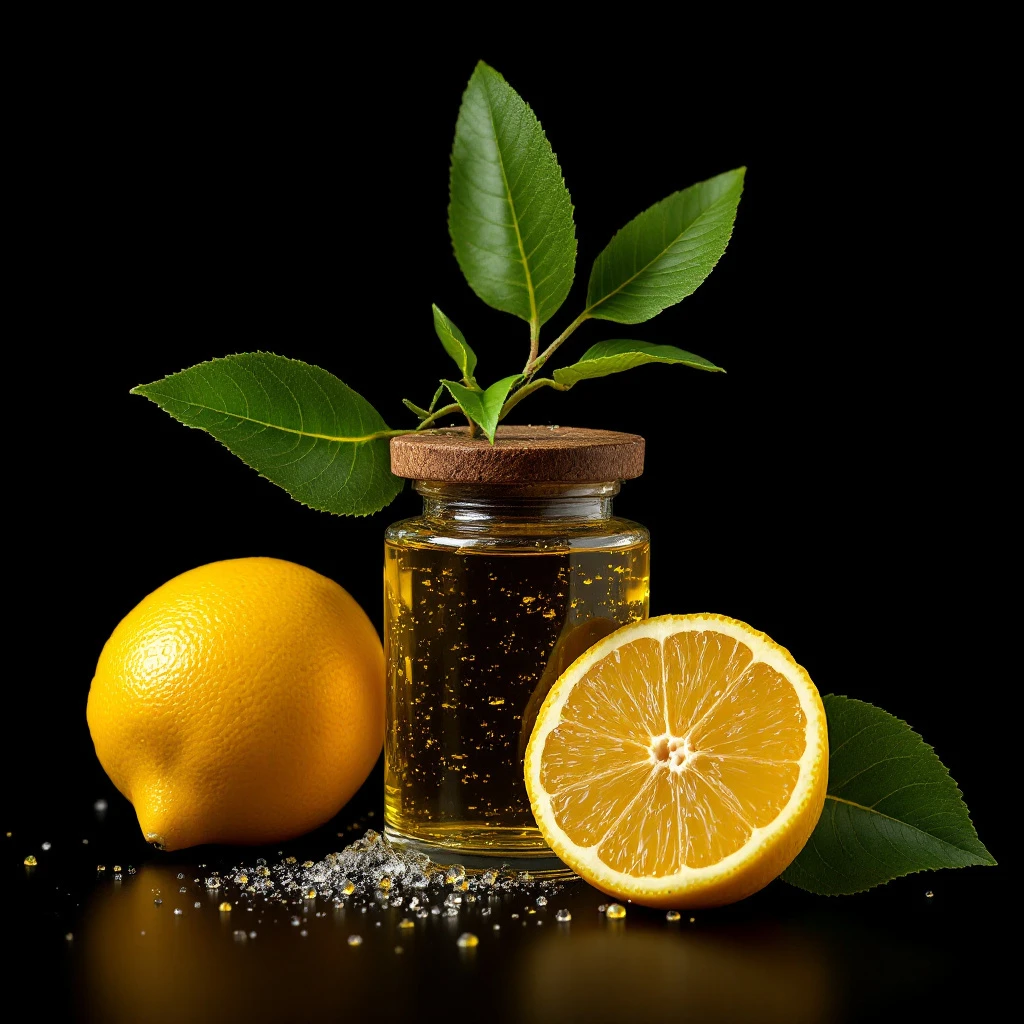
A dual-origin citrus material pairing Calabrian bergamot's luminous peel with petitgrain's green-leaf nuance from bitter orange, creating a complex top note with both sparkle and depth. Italian production honors centuries of Mediterranean perfumery tradition.
Character
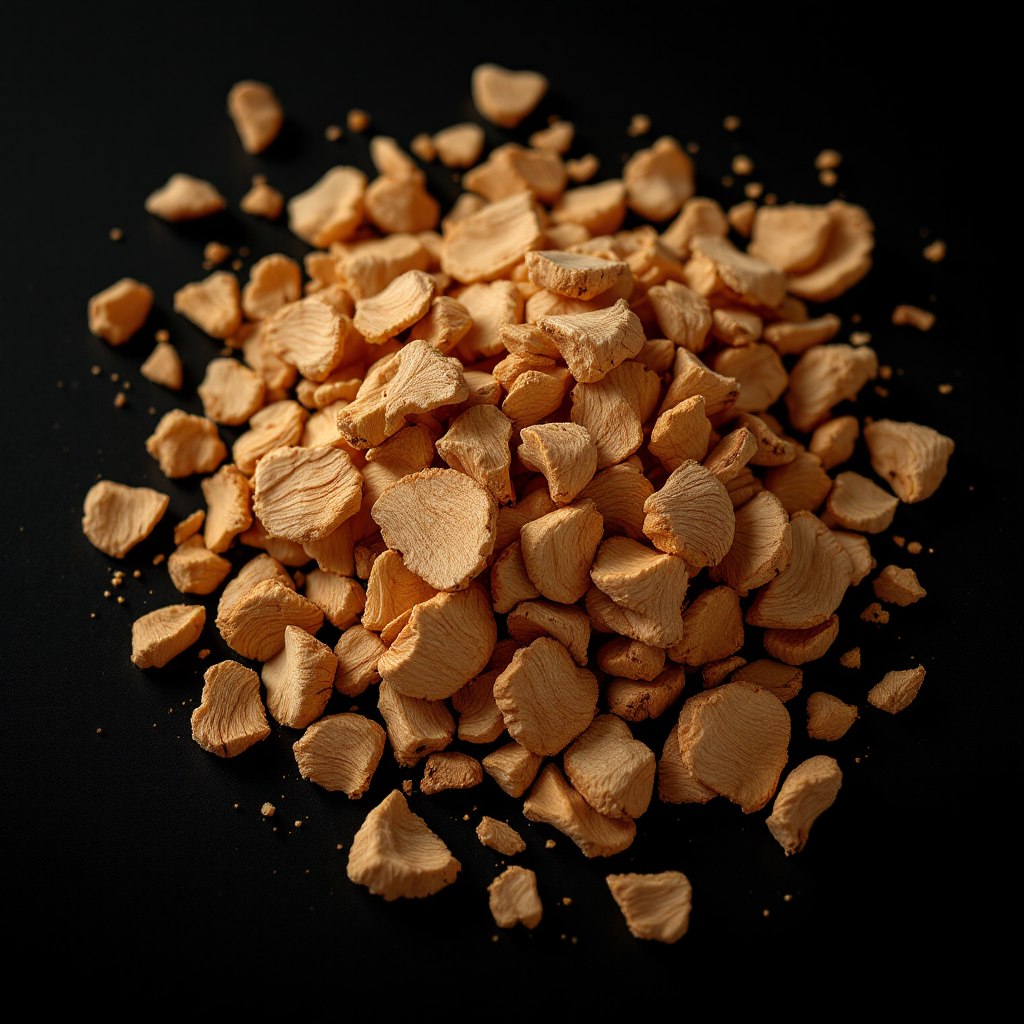
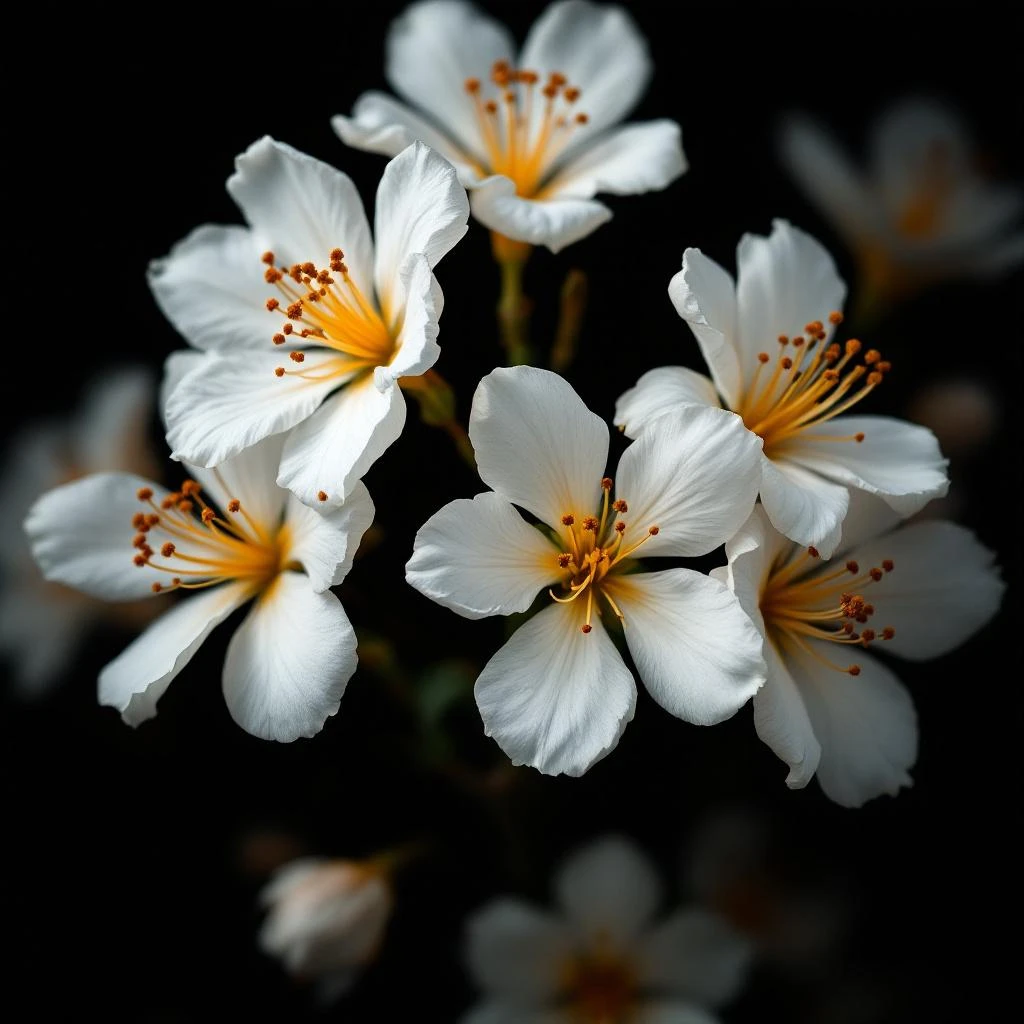
How it smells
Mediterranean citrus with dual soul: peel luminosity and leaf depth.
Calabrian bergamot grows along just one coastal strip, yet appears in over half of all prestige perfumes worldwide.




Origin
Italy
Bergamot's documented use in perfumery stretches back to 17th-century Italy, where Francis Procopius, a Sicilian gentleman, introduced bergamot water to France around 1686. Italian fragrance culture draws from Renaissance traditions where perfumed gloves, pomanders, and scented gloves dominated.
By the 1700s, bergamot had established itself as a cornerstone ingredient in fine perfumery. Petitgrain, named for the small grains or petit grains of bitter orange leaves used in its production, emerged as a distinct material as French perfumery developed in Grasse.
Italian production of both materials reflects the country's privileged position in Mediterranean citrus cultivation. The bergamot growing region of Calabria remains one of the world's most geographically restricted agricultural products, concentrated along a narrow coastal strip where the Ionian Sea creates a unique microclimate ideal for Citrus bergamia.
Wears it best
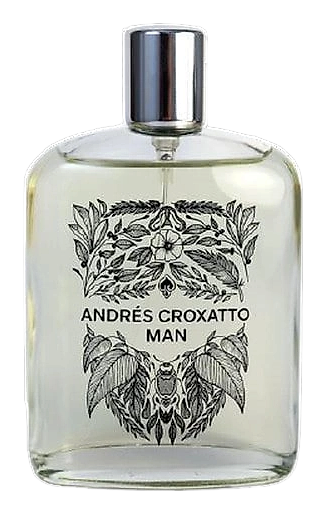
Fragrances featuring Italian bergamot petitgrain
Brands
Brands known for Italian bergamot petitgrain
Good to know
Questions, answered
The essentials on Italian bergamot petitgrain in perfumery: how it smells, where it comes from, and how it behaves on skin.
What is Italian bergamot petitgrain in perfumery?
Italian bergamot petitgrain combines bergamot peel oil from Calabria with petitgrain distilled from bitter orange leaves grown in Italy, creating a citrus material with both sparkling brightness and green, woody depth used as a top note in fine fragrances.
What does Italian bergamot petitgrain smell like?
Italian bergamot petitgrain opens with the classic sparkling, slightly floral citrus character of Calabrian bergamot, followed by petitgrain's green, herbaceous, and subtly woody undertone from the leaf distillation.
Where does Calabrian bergamot grow?
Calabrian bergamot grows along a narrow coastal strip of the Ionian Sea in the Calabria region of southern Italy, where a unique microclimate creates ideal growing conditions for Citrus bergamia.
How is petitgrain different from bergamot essential oil?
Bergamot oil comes from cold-pressing the fruit peel and delivers bright, zesty citrus with a floral quality. Petitgrain comes from steam-distilling leaves and twigs, offering green, woody, less overtly sweet citrus notes.
When did bergamot become used in perfumery?
Bergamot entered perfumery in 17th-century Italy, with documented introduction to France around 1686 through Sicilian trader Francis Procopius. By the 1700s it had become a cornerstone fragrance ingredient.
Can bergamot Petitgrain cause photosensitivity?
Unlike bergamot peel oil, petitgrain from leaves and twigs contains minimal furanocoumarins and causes significantly less phototoxic reaction. Bergamot Petitgrain is gentler than pure bergamot oil for skin application.
What fragrance families use Italian bergamot Petitgrain?
Italian bergamot Petitgrain appears in citrus, chypre, fougère, and fresh oriental compositions. It serves as a versatile top note that bridges bright opening accord and deeper heart notes in fragrance construction.