Iris tingitana absolute
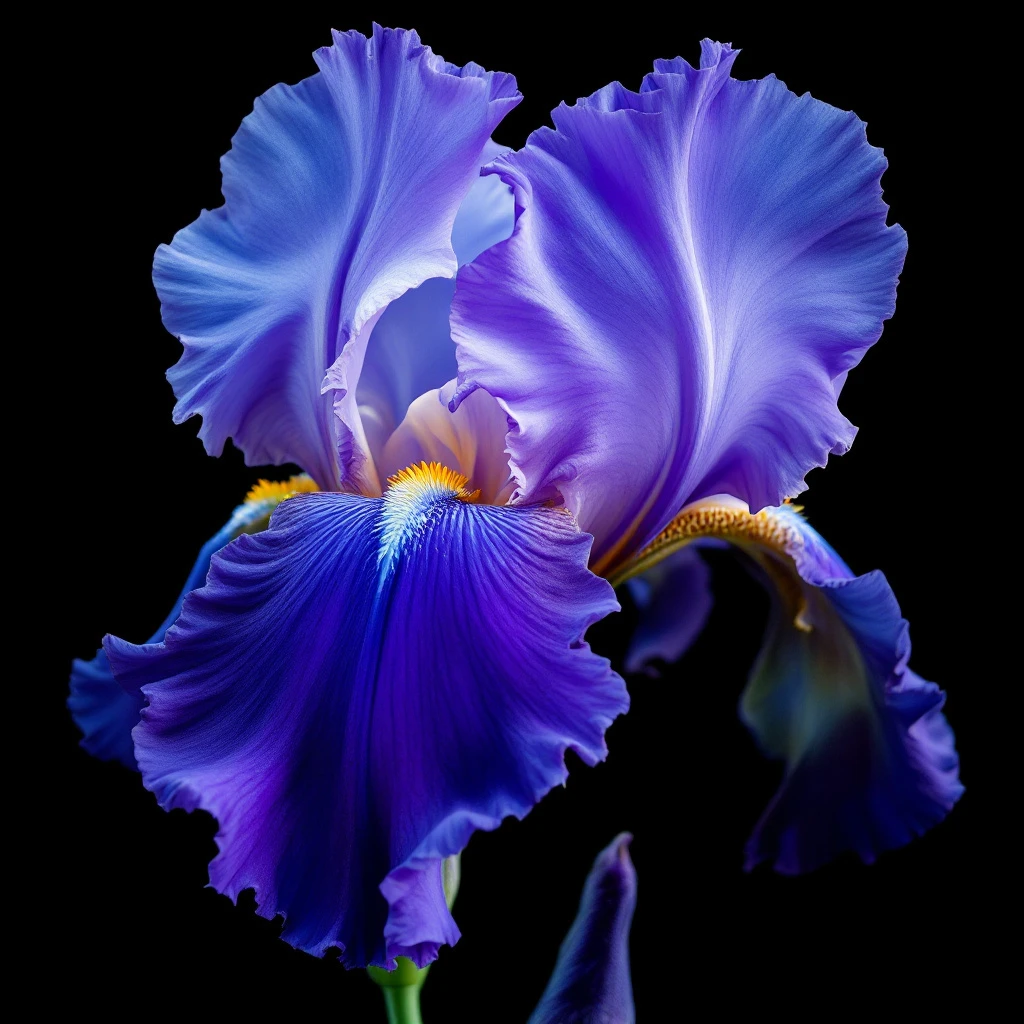
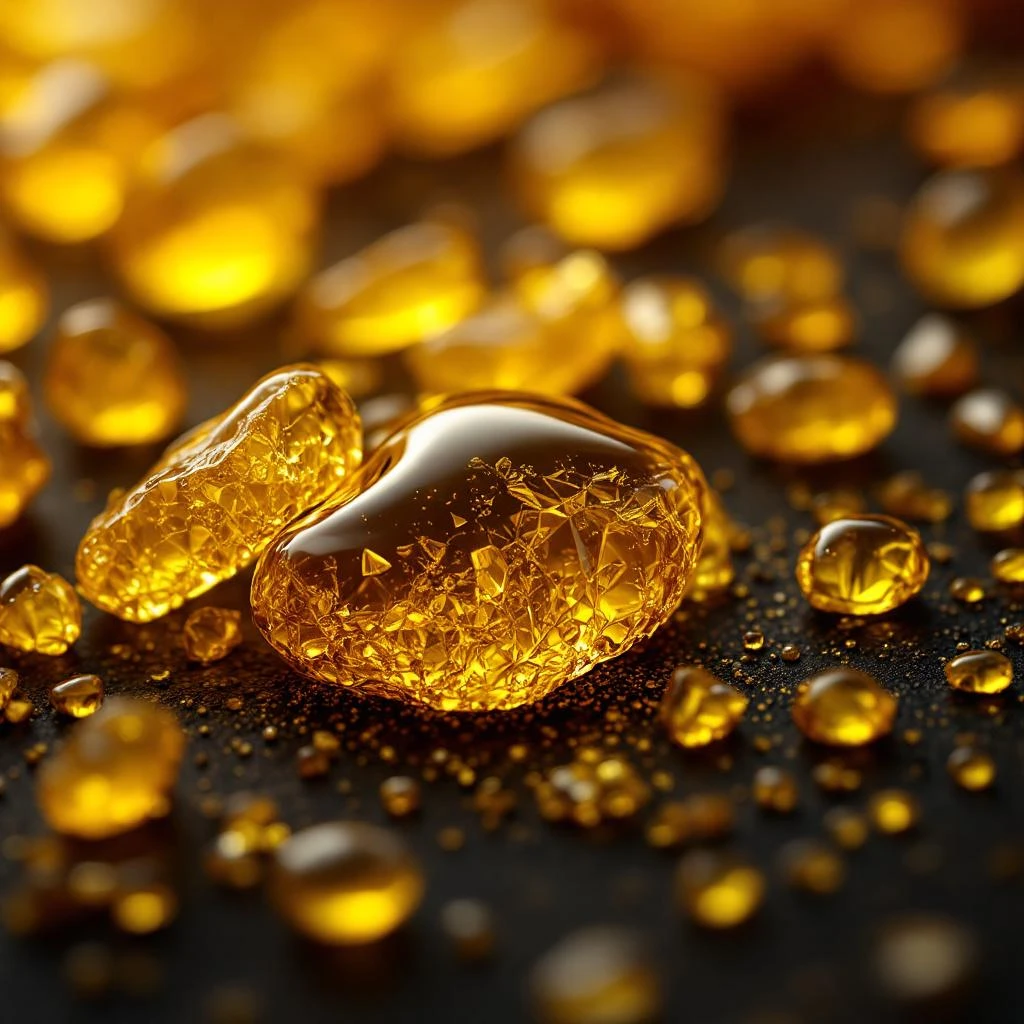
A rare Moroccan iris species yielding one of perfumery's most coveted absolutes. Its powdered, violet-leaf warmth carries a delicate sweetness that anchors high-end fragrances with quiet sophistication.
Character
How it smells
Morocco's contribution to the world's most expensive scent.
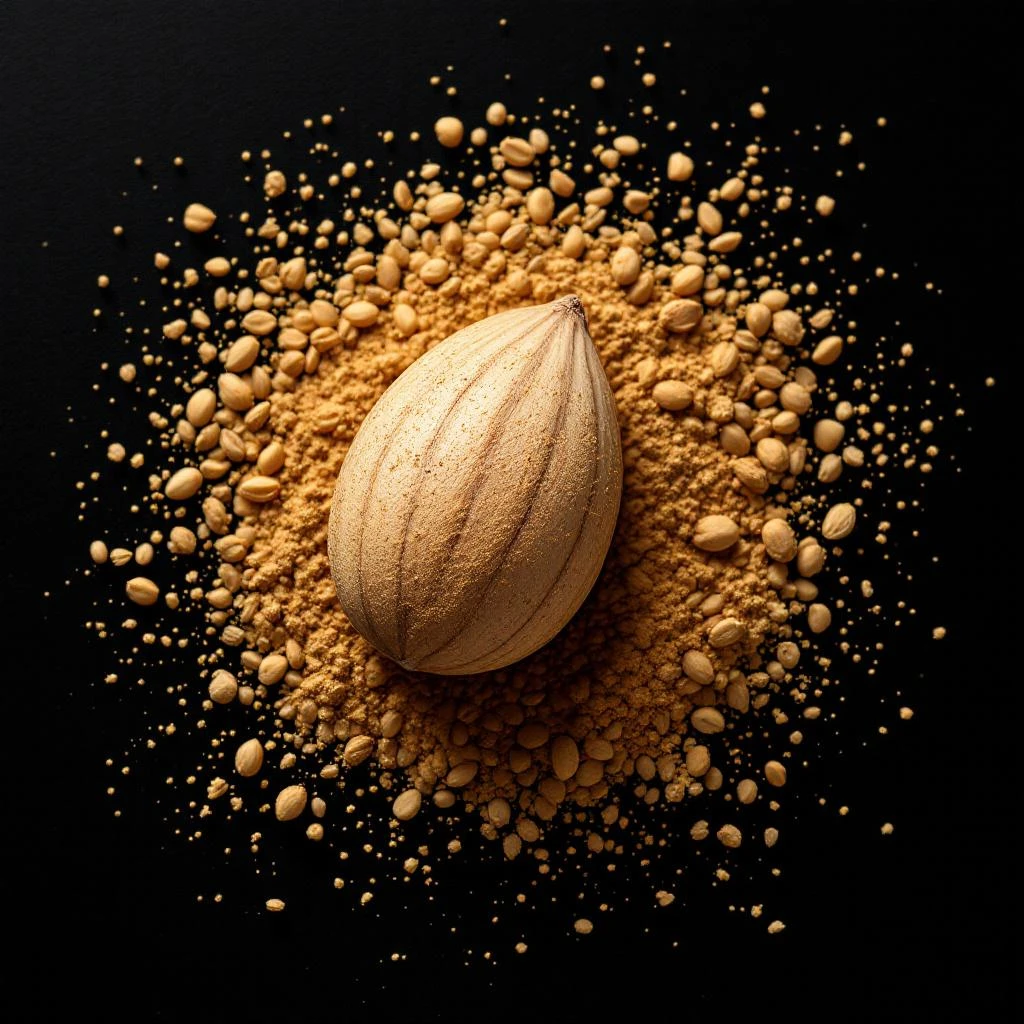
Iris rhizomes must cure for three to five years before extraction, making every drop of absolute a patient labor of time.


Origin
Morocco
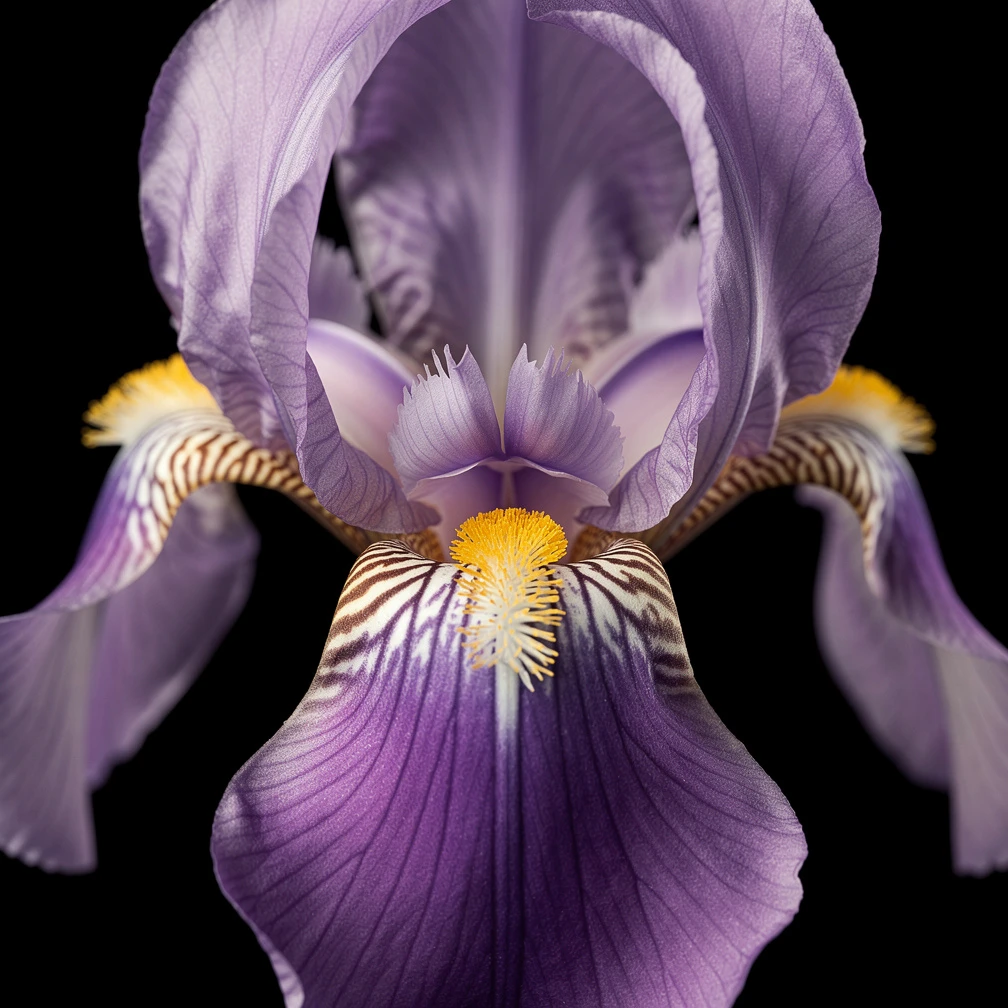
Iris tingitana draws its botanical name from Tingis, the ancient Roman designation for Tangier on Morocco's northern coast. While orris butter from Italian Iris pallida dominates traditional perfumery, Moroccan perfumers have long valued the tingitana species for its slightly different aromatic profile. North African perfumers incorporated iris root preparations into incense and pomades centuries before European interest emerged.
By the 19th century, French fragrance houses began sourcing tingitana rhizomes, recognizing how this regional variant contributed subtle fruity, rather than purely woody, notes to compositions. Today, Moroccan cooperative farms in the Rif Mountains maintain cultivation traditions that connect directly to these historical networks.
Wears it best
Fragrances featuring Iris tingitana absolute
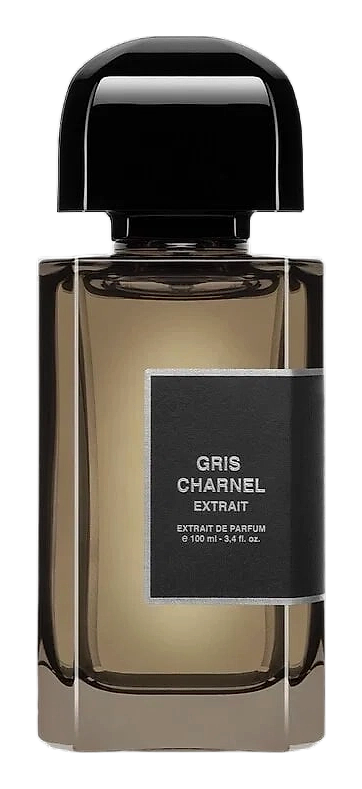
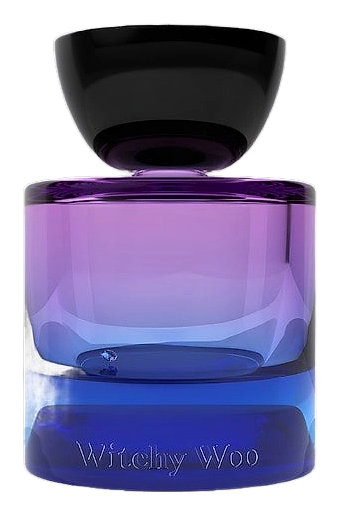
Brands
Brands known for Iris tingitana absolute
Good to know
Questions, answered
The essentials on Iris tingitana absolute in perfumery: how it smells, where it comes from, and how it behaves on skin.
What does Iris tingitana absolute smell like?
Iris tingitana absolute presents a powdery, violet-leaf character with earthy undertones and a faint fruity sweetness. The scent lacks the sharp metallic edge sometimes found in orris butter, offering instead a soft, creamy warmth suited to modern fine fragrances.
Why is iris absolute so expensive?
The cost reflects a three-to-five-year curing period before extraction and an approximately 1,000:1 raw material-to-absolute ratio. Combined with hand-harvested rhizomes and labor-intensive solvent extraction, each kilogram represents years of patient cultivation.
How does Iris tingitana differ from Iris pallida?
Iris tingitana grows natively in North Africa, while Iris pallida dominates Italian and French cultivation. The tingitana species tends toward fruitier, less woody facets in its absolute, making it distinct despite similar extraction methods.
What fragrances use Iris tingitana absolute?
Niche and high-end designers use this absolute primarily as a heart-note anchor in powdery florals, chypres, and woody compositions. It appears rarely in mainstream fragrances due to cost constraints.
Is Iris tingitana absolute natural?
Yes, absolute denotes a natural solvent extraction method. No synthetic substitutes replicate the full aromatic complexity of properly cured iris rhizome absolute.
What part of the plant yields the absolute?
The rhizome, the underground root stem, contains the aromatic compounds. Unlike flower absolutes, iris requires underground plant parts, explaining the digging and cleaning labor involved.
How long must iris rhizomes cure before extraction?
Minimum three years, with five years preferred for premium grades. During curing, volatile compounds undergo chemical transformations that develop the signature powdery character perfumers seek.
Where does commercial Iris tingitana cultivation occur?
Morocco's northern regions, particularly the Rif Mountains and areas near Tangier, represent the primary source. Small cooperative farms maintain traditional harvesting methods passed through generations.