Indonesian cassia
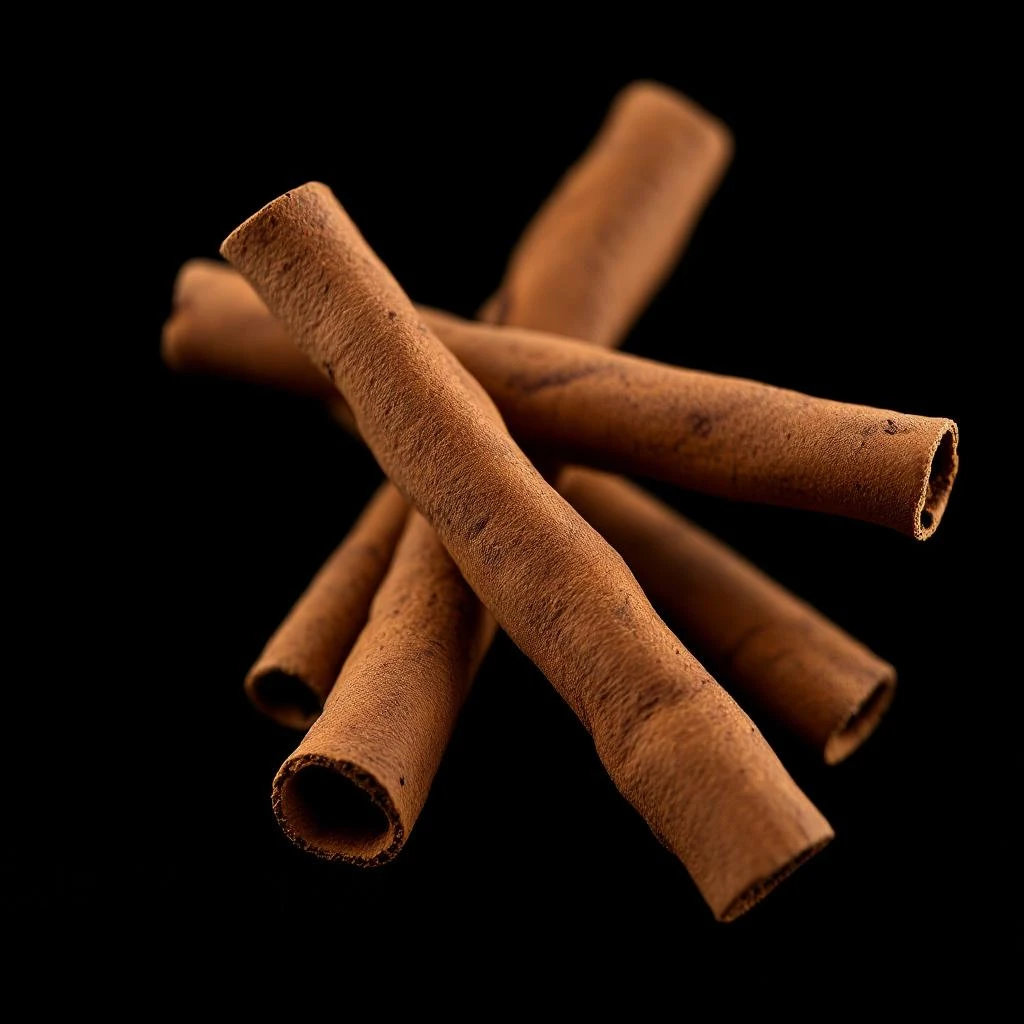
Bold, warm and unmistakably alive—Indonesian cassia delivers a spicy sweetness that anchors oriental fragrances with an intensity that synthetic molecules struggle to match. Discover this bark-born ingredient.
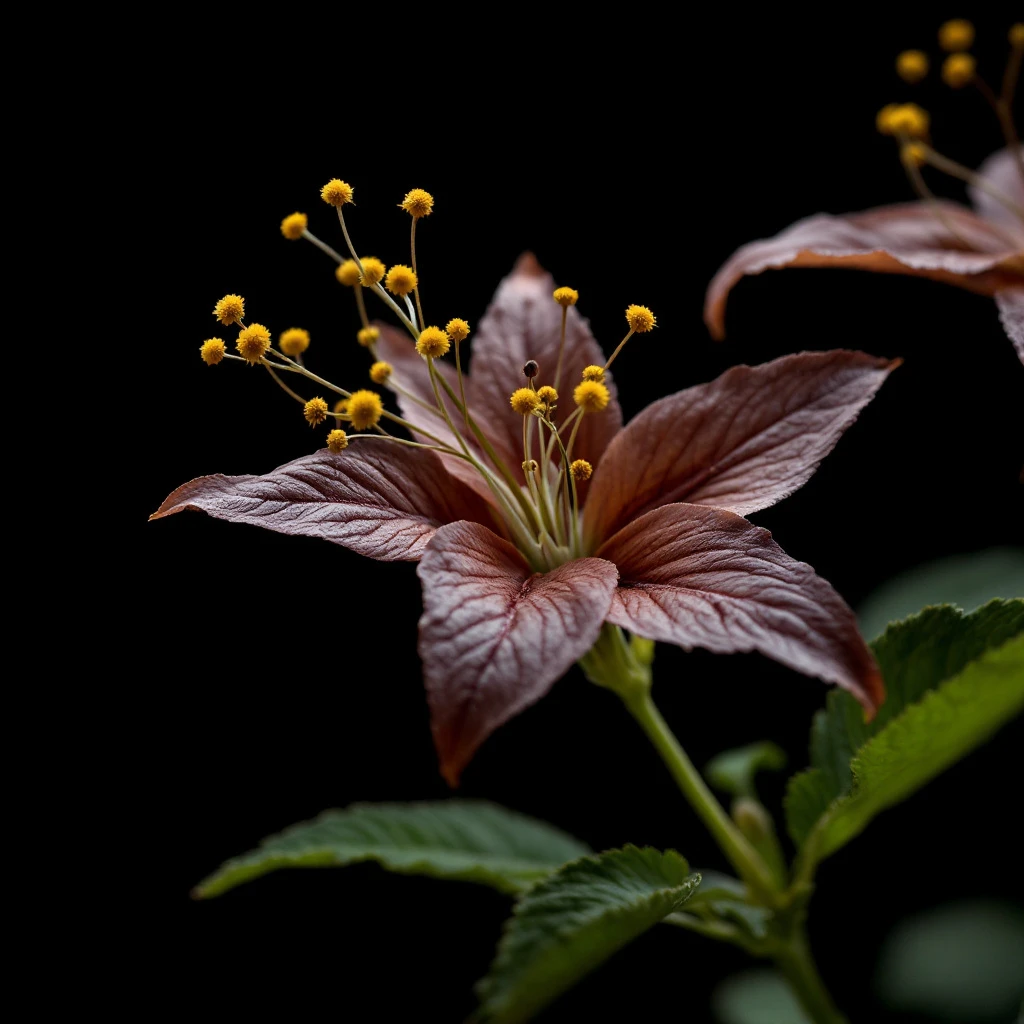
Character
How it smells
The bold Indonesian bark that defines oriental fragrance depth.
Korintje cassia from West Java contains up to 3% essential oil content, significantly higher than most cinnamon varieties—making every extraction remarkably potent.



Origin
Indonesia
Cassia reached European markets through ancient Silk Road trade routes, though its Indonesian connection emerged much later. Dutch colonial interests in the 17th and 18th centuries established spice cultivation across Java and Sumatra, recognizing that the archipelago's volcanic soil produced cassia with distinctive character different from Chinese varieties.
The spice trade reshaped regional economies and fueled exploration across the archipelago. Unlike Ceylon cinnamon, which became synonymous with culinary prestige in Europe, Indonesian cassia found its place in traditional medicine and perfumery, valued for its raw intensity and warmth.
Local healers used cassia preparations for digestive complaints and respiratory support long before fragrance chemists isolated its key aromatic compounds. Today, Indonesian cassia remains an important material for perfumers seeking warm, spicy depth—particularly in oriental andchypre compositions that require natural complexity that synthetic alternatives cannot fully replicate.
Wears it best
Fragrances featuring Indonesian cassia

Brands
Brands known for Indonesian cassia
Good to know
Questions, answered
The essentials on Indonesian cassia in perfumery: how it smells, where it comes from, and how it behaves on skin.
What is Indonesian cassia in perfumery?
Indonesian cassia is a bark-derived fragrance material from Cinnamomum species cultivated in Java and Sumatra. It provides warm, sweet-spicy aromatic depth valued in oriental andchypre fragrance compositions since the colonial era.
What does Indonesian cassia smell like?
It presents a warm, sweet-spicy aroma dominated by cinnamaldehyde—the same compound found in cinnamon—balanced with subtle balsamic undertones and a mildly resinated drydown that distinguishes it from true cinnamon.
How is Indonesian cassia different from Ceylon cinnamon?
Indonesian cassia comes from different Cinnamomum species than Ceylon cinnamon. Korintje cassia contains notably higher essential oil content, producing a more intense aromatic profile with slightly different chemical composition, particularly in coumarin levels.
What extraction method produces Indonesian cassia oil?
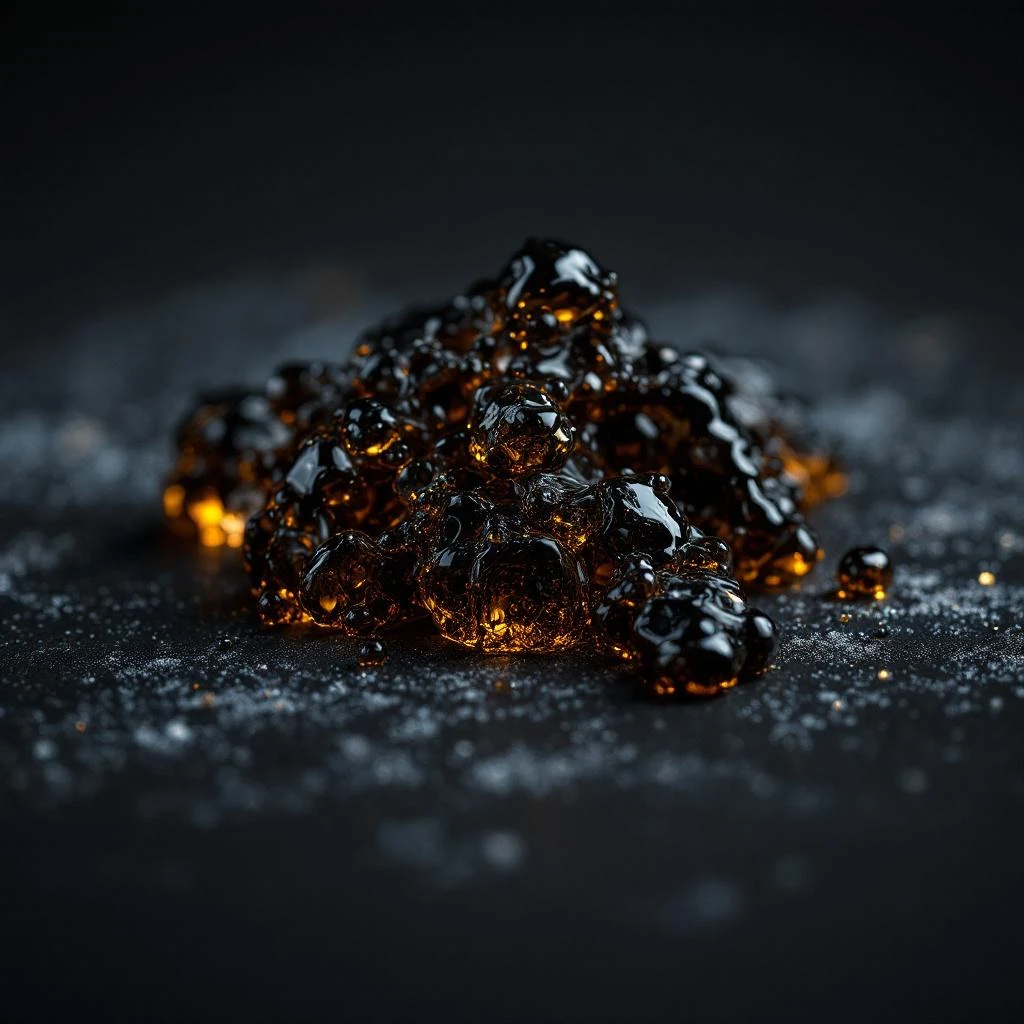
Manufacturers use solvent extraction to produce Indonesian cassia oil, which better preserves the aromatic complexity than steam distillation. This yields a viscous, amber-colored concrete containing the full spectrum of aromatic compounds from the bark.
Where does Indonesian cassia grow?
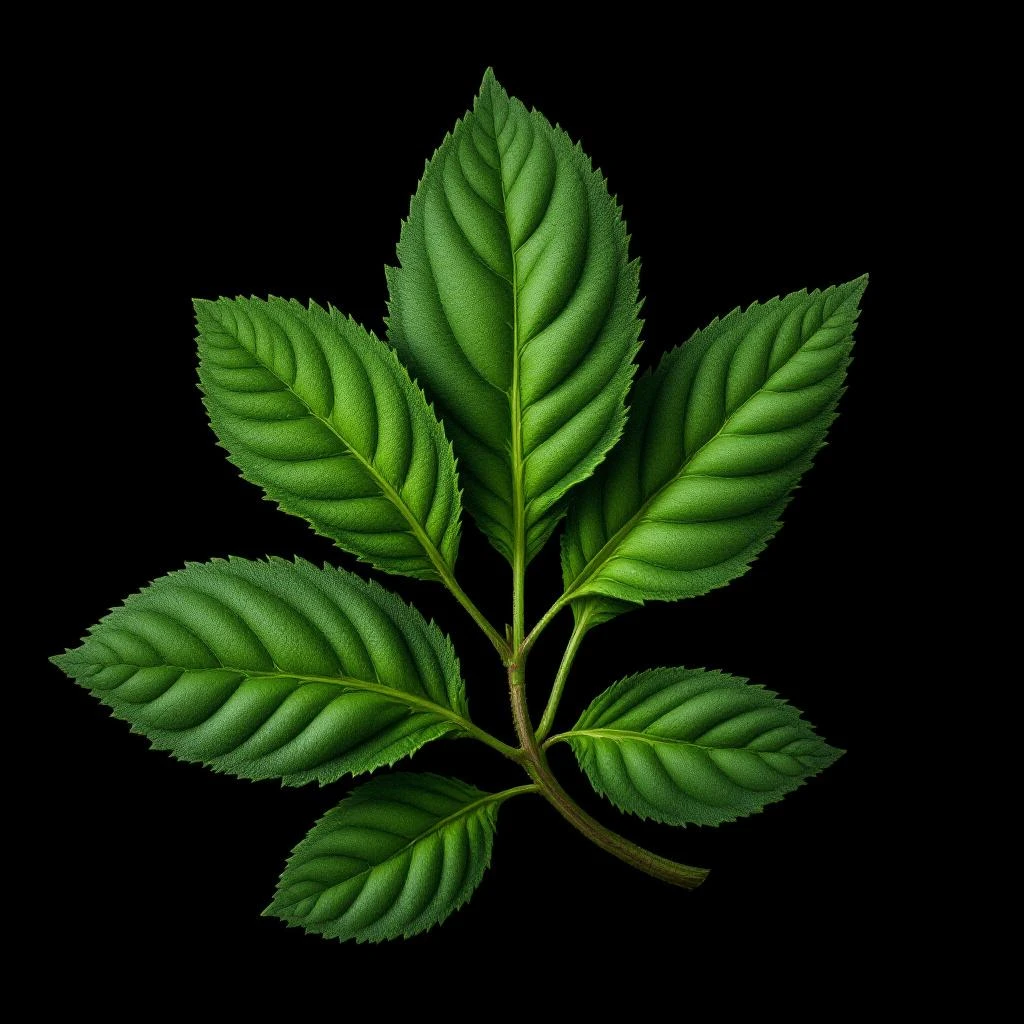
The primary cultivation region is West Java, Indonesia, where volcanic soil and tropical climate produce cassia with characteristic aromatic intensity. Farmers harvest bark during the dry season for optimal oil content.
What fragrance families use Indonesian cassia?
Perfumers incorporate Indonesian cassia primarily in oriental andchypre compositions. Its warm, sweet-spicy character works well as a base note, providing lasting depth and a natural complexity that enhances amber, vanilla and woody fragrance combinations.
Is Indonesian cassia safe for fragrance use?
When properly diluted for IFRA compliance, cassia oil is safe for cosmetic and fragrance applications. The key constraint involves cinnamaldehyde content, which affects maximum usage concentrations in final products.
What are the key aromatic compounds in Indonesian cassia?
Cinnamaldehyde comprises the dominant aromatic constituent, typically 65-75% of the oil. Additional compounds include cinnamyl acetate, coumarin and various sesquiterpenes that contribute to cassia's warm, complex scent profile.