Indian nutmeg
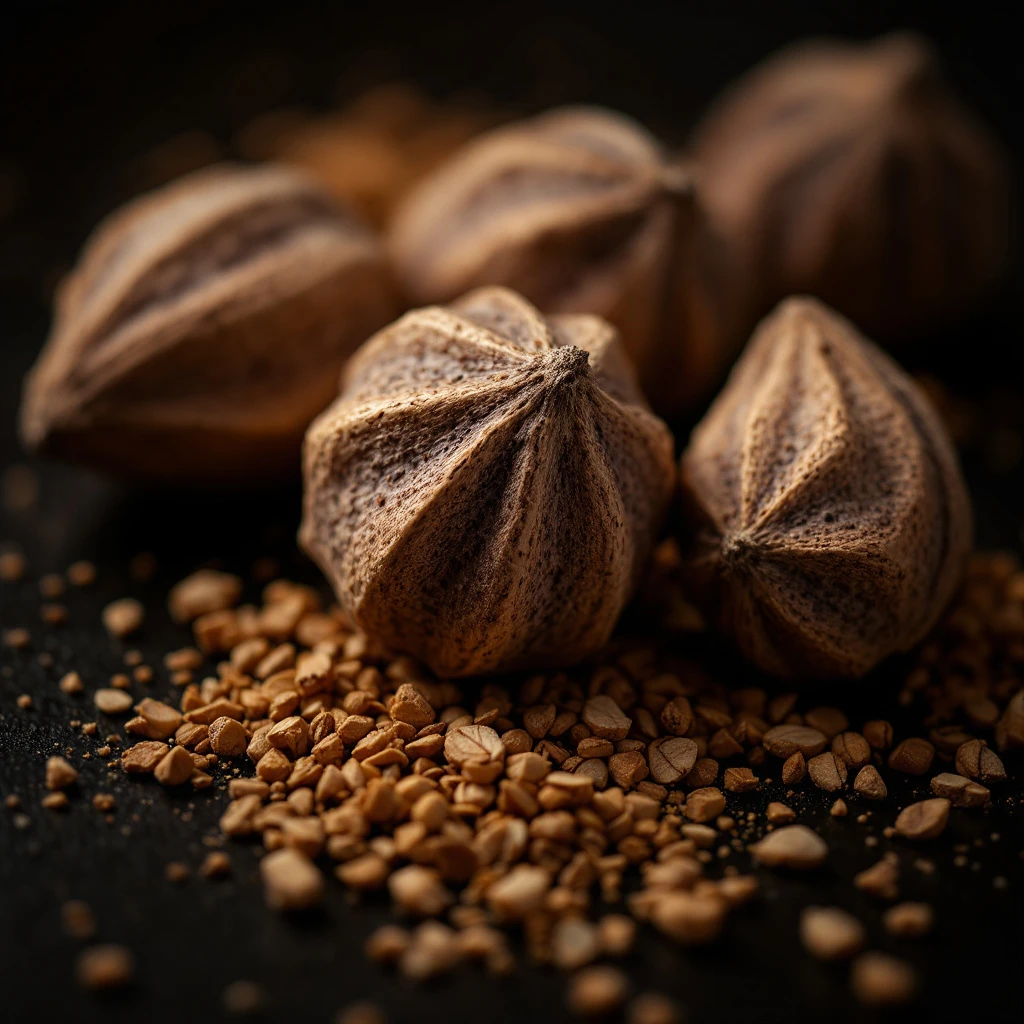
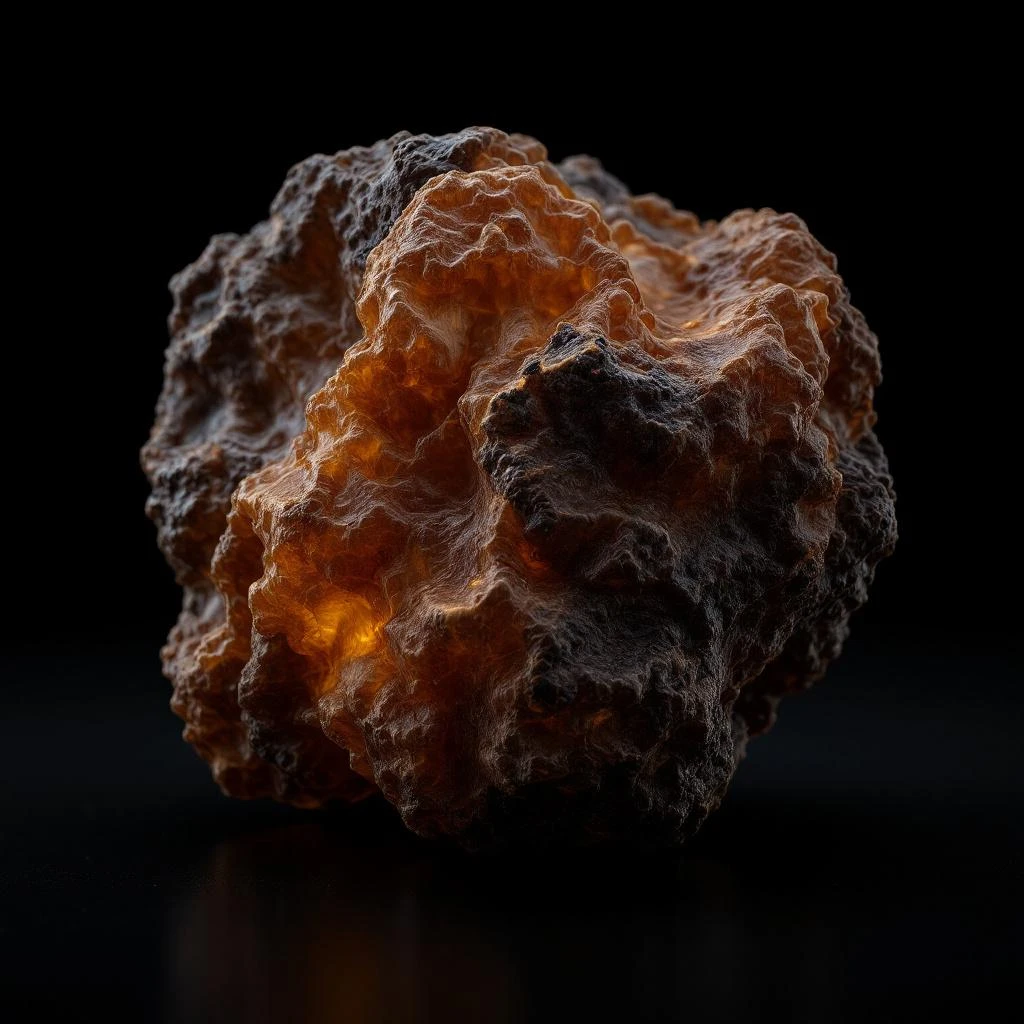
Indian nutmeg delivers a warm, spicy complexity that sits between sweet and savory. Distilled from the seed of the Myristica fragrans tree, it adds aromatic depth that perfumers have prized for centuries.
Character
How it smells
Warm spice from Kerala's spice gardens
For over 200 years, the Dutch executed anyone caught smuggling nutmeg seeds out of the Banda Islands, maintaining a global monopoly.



Origin
India
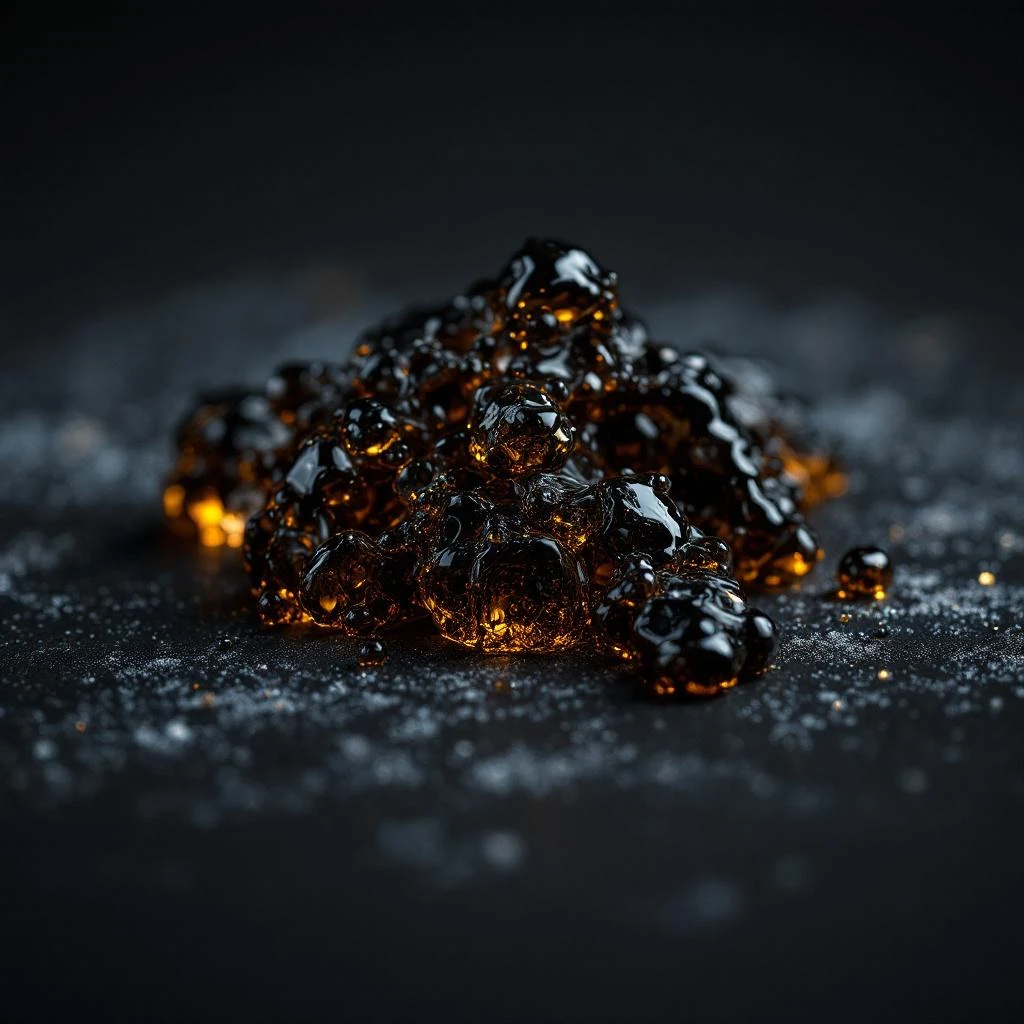
Nutmeg originated exclusively in Indonesia's Banda Islands, where the Dutch East India Company maintained a brutal monopoly for more than two centuries through the 1800s. Arab traders first brought nutmeg to India as early as the 9th century, and it quickly became embedded in both culinary and medicinal traditions. India's Ayurvedic texts document nutmeg for digestive and neurological applications.
By the late 18th century, the French and British smuggled nutmeg seedlings to their colonial territories, and commercial cultivation eventually reached Kerala. Today India ranks among the world's top nutmeg producers, and the ingredient remains central to Kannauj's traditional ittar distillation, where perfumers combine nutmeg with sandalwood, saffron, and floral essences in coconut oil bases passed down through family lineages.
Wears it best
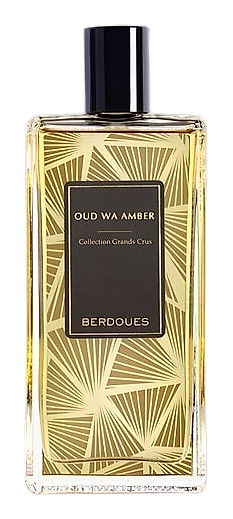
Fragrances featuring Indian nutmeg

Brands
Brands known for Indian nutmeg
Good to know
Questions, answered
The essentials on Indian nutmeg in perfumery: how it smells, where it comes from, and how it behaves on skin.
What does Indian nutmeg smell like in perfumery?
Indian nutmeg carries warm, spicy warmth with sweet undertones and a subtle camphoraceous edge. It bridges savory and sweet, adding aromatic complexity that works across masculine and unisex compositions.
Where does Indian nutmeg come from?
Indian nutmeg is primarily cultivated in Kerala and Tamil Nadu. The Myristica fragrans tree thrives in Kerala's humid monsoon climate and laterite soil, producing seeds with high oil content.
How is nutmeg oil extracted?
Producers dry nutmeg seeds indoors for four to eight weeks until the kernels shrink and rattle. Steam distillation then extracts the essential oil, yielding a pale yellow oil with a sharp, warm aroma.
Is nutmeg used in Indian traditional perfumery?
Yes. Nutmeg is a core material in Kannauj's ittar tradition, where perfumers incorporate it into oil-based blends alongside sandalwood, saffron, and floral essences using centuries-old family methods.
What is the difference between nutmeg and mace?
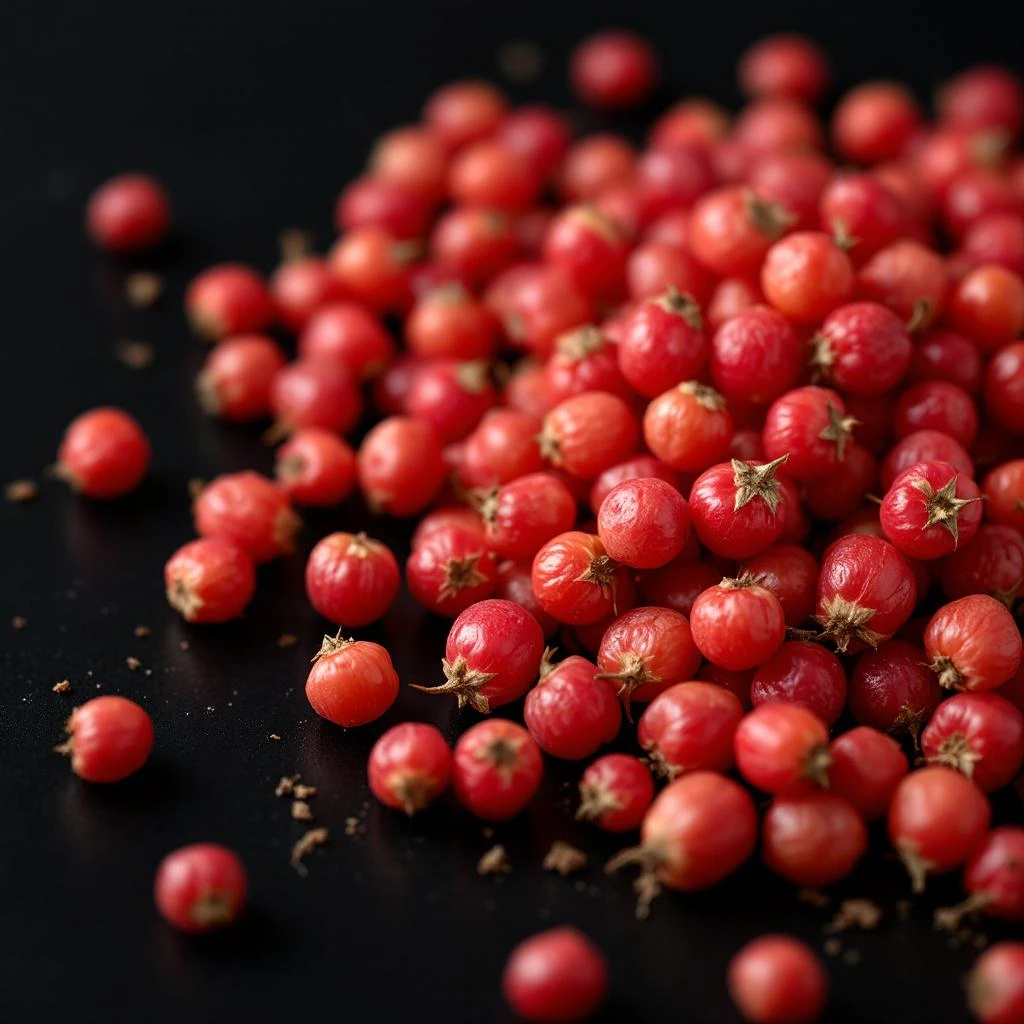
Both come from the Myristica fragrans fruit. Mace is the bright red outer covering (aril) surrounding the seed, while nutmeg is the seed itself. Mace has a more delicate, floral spice profile compared to nutmeg's warmer, more concentrated intensity.
When did nutmeg arrive in India?
Arab traders introduced nutmeg to India by the 9th century. It rapidly entered both culinary use and Ayurveda, valued for its aromatic and therapeutic properties long before it became a mainstream Western spice.
What gives nutmeg its characteristic aroma?
Sabinene makes up roughly 40 to 60 percent of nutmeg oil. Myristicin and elemicin contribute warm, slightly sweet complexity, while eugenol adds subtle spice. The blend creates nutmeg's distinctive warm-spicy profile.
How does Indian nutmeg differ from Indonesian nutmeg?
Indian nutmeg typically exhibits slightly higher oil content due to Kerala's climate and soil conditions. Indonesian nutmeg from the Banda Islands is considered the historical reference origin, but Indian material is prized for its robust aromatic profile in professional fragrance work.