Indian cypriol
A deeply aromatic rhizome from the sedge family, Indian cypriol (Cyperus scariosus) distills a smoke-tinged, earthy essence long treasured in South Asian perfumery. Known as nagarmotha, it anchors oriental fragrances with a grounded, resinous character that speaks of ancient traditions.

Character
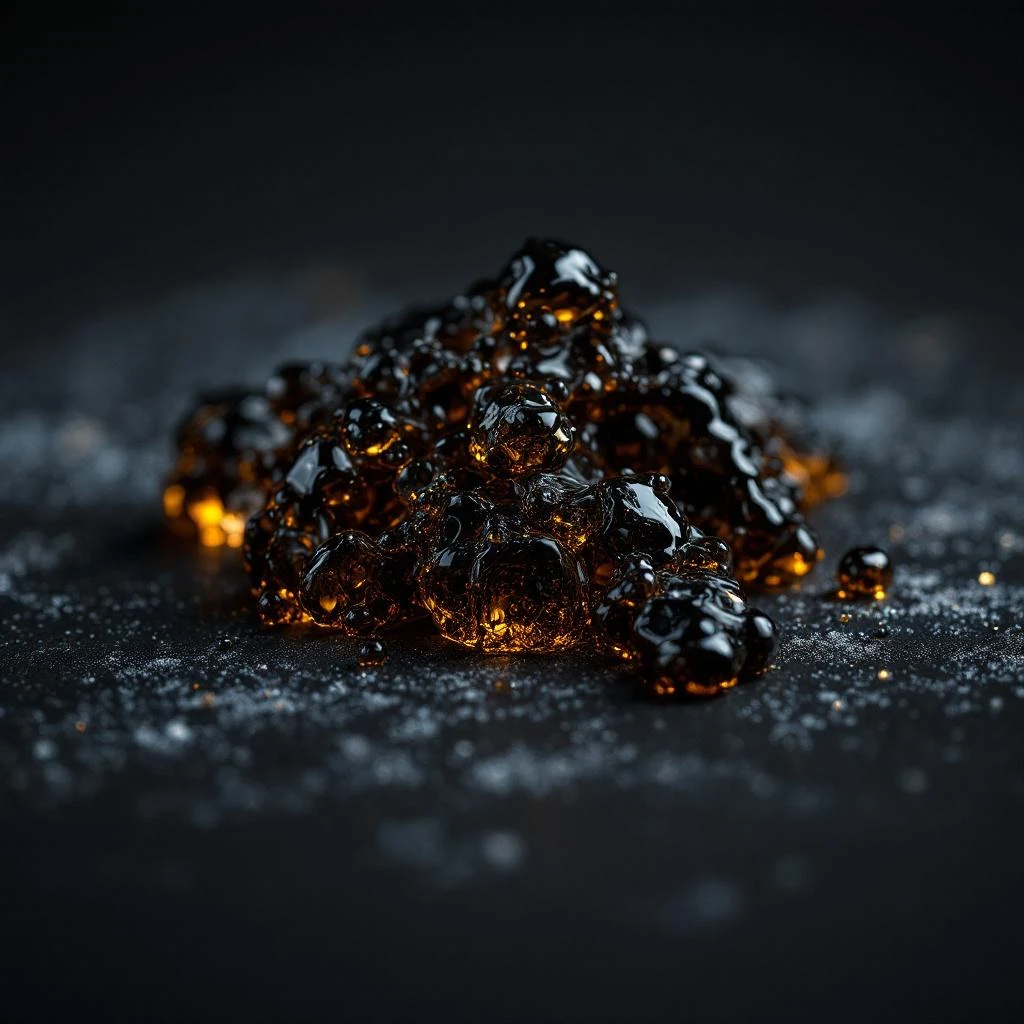
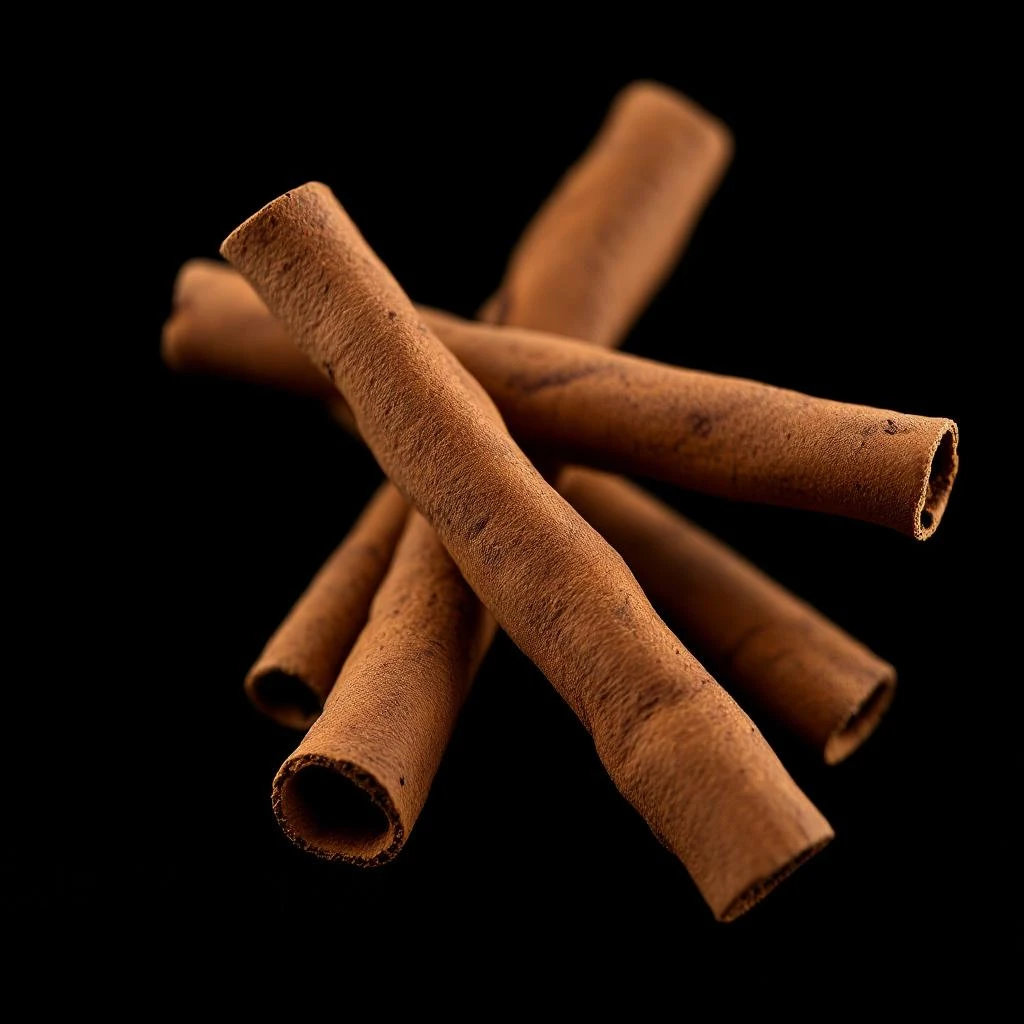
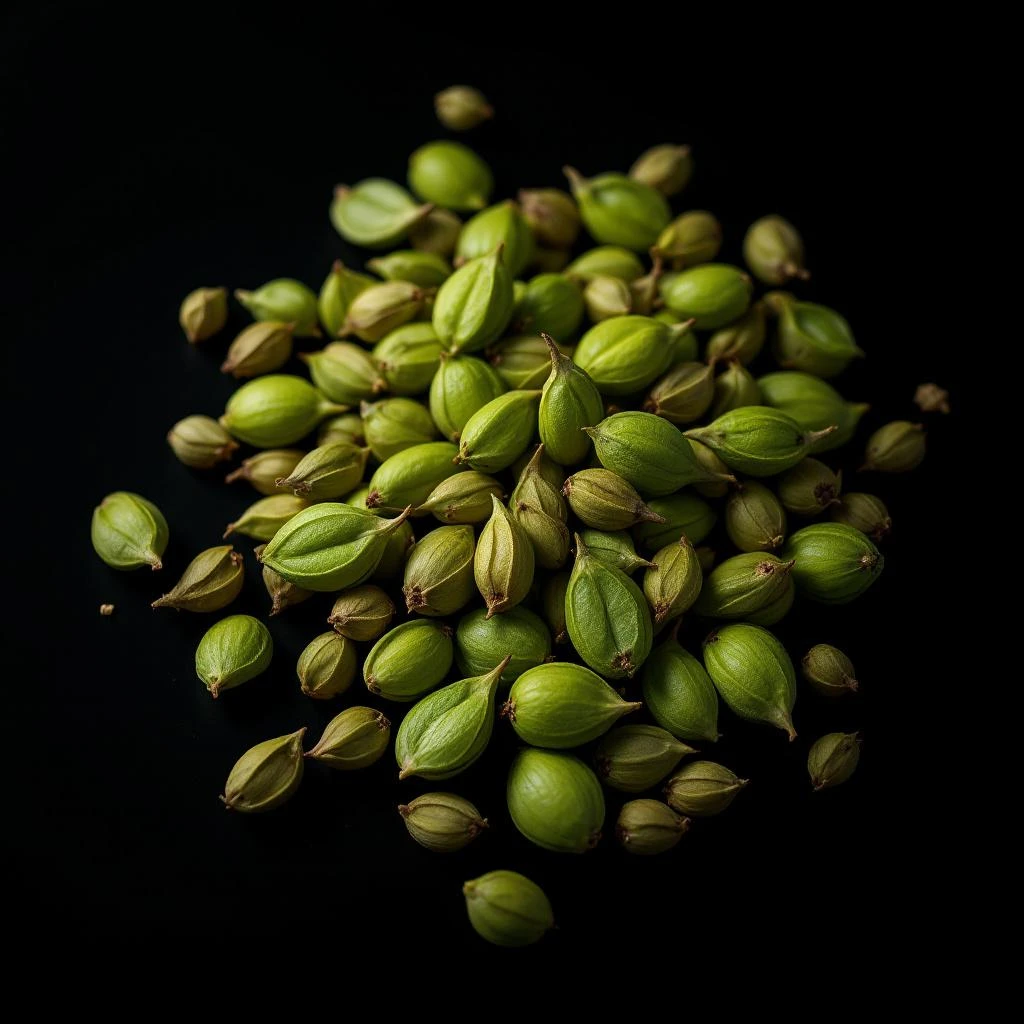
How it smells
Smoke and earth from the rhizome of a sacred sedge.
Cyperus scariosus belongs to the same plant family as Egypt's papyrus, yet its subterranean roots yield an oil with a radically different aromatic identity.






Origin
India
Indian perfumery traditions extend back at least five thousand years, with roots in the ancient ittar craft that flourished in what is now Uttar Pradesh. The city of Kannauj earned its reputation as India's perfume capital during the 7th century CE, a period documented in the Harsha Charita, where early references to ittar distillation appear alongside mentions of nagarmotha. Ayurveda also recognized cypriol, incorporating it into formulations for its reputed grounding and purifying properties.
While the ingredient has ancient lineage, its global prominence in contemporary perfumery grew substantially in the late 20th century, when Western fragrance houses began exploring exotic base materials to distinguish oriental fragrance compositions. Today, nagarmotha remains a signature note in many Middle Eastern and Indian attars, representing a living link between ancient distillation practices and modern perfume composition.
Wears it best
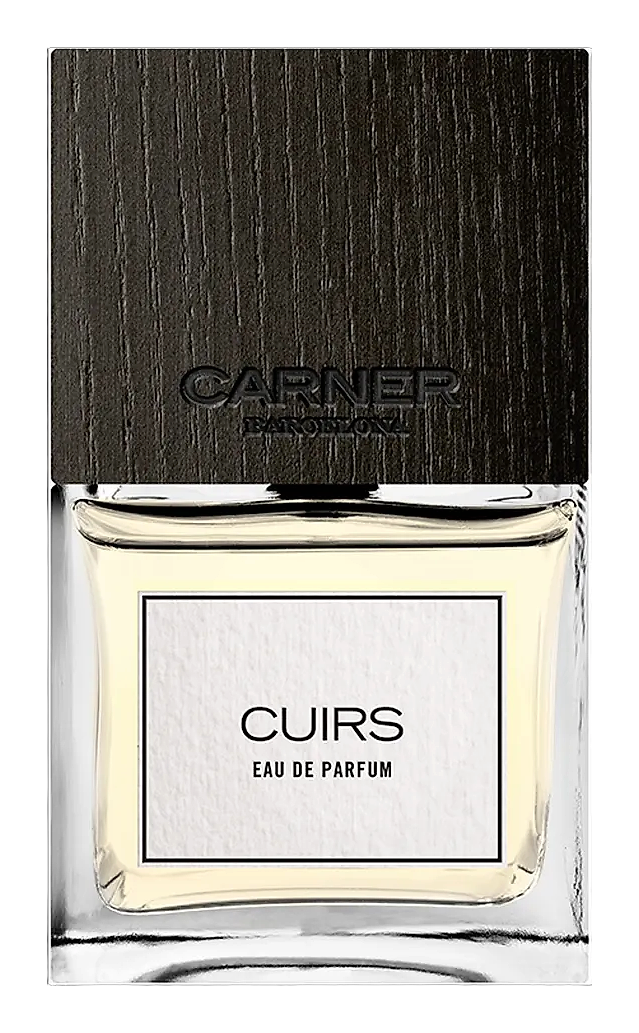
Fragrances featuring Indian cypriol
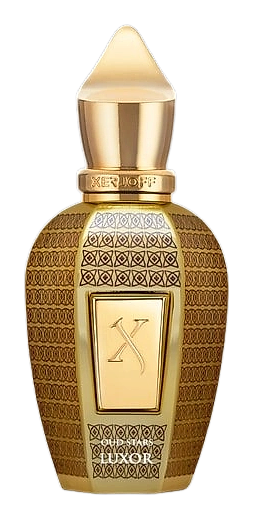
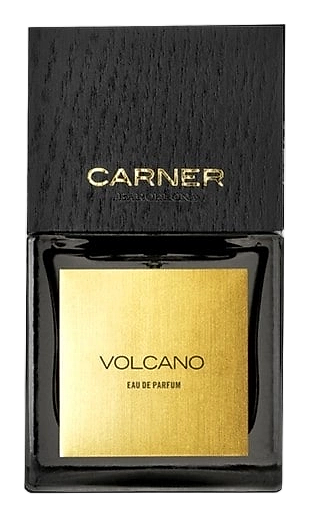
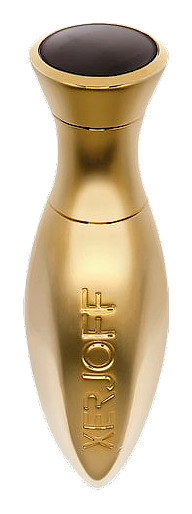
Brands
Brands known for Indian cypriol
Good to know
Questions, answered
The essentials on Indian cypriol in perfumery: how it smells, where it comes from, and how it behaves on skin.
What does Indian cypriol smell like?
Cypriol oil smells woody, earthy, and smoky with a dry, slightly leathery undertone. It adds depth and resinous warmth to fragrance compositions, functioning as a powerful base note that lingers for hours.
What is cypriol called in India?
In India, cypriol is known as nagarmotha or nagarmotha oil. The term appears in traditional Ayurvedic texts and remains the common name in the Kannauj ittar industry where the oil is primarily produced.
How is cypriol oil extracted?
Cypriol oil is extracted by steam distillation of cleaned, dried rhizomes. The process takes several hours per batch and requires careful temperature management to preserve the aromatic compounds that give cypriol its characteristic smoky profile.
Which plant family does Cyperus scariosus belong to?
Cyperus scariosus is a member of the Cyperaceae family, the sedge family. It shares botanical ancestry with papyrus (Cyperus papyrus), though the two species produce entirely different aromatic materials from their respective plant parts.
Where is cypriol primarily produced?
The primary production region for cypriol is central India, particularly around the traditional perfumery center of Kannauj in Uttar Pradesh. The region's climate and soil support the growth of Cyperus scariosus with favorable aromatic profiles.
What type of fragrance compounds is cypriol used in?
Cypriol is classified as a base note ingredient. Perfumers employ it in oriental, woody, and chypre fragrance families to add smoky depth, earthiness, and long-lasting dry-down characteristics that hold the fragrance together over time.
How long have Indian artisans distilled nagarmotha?
Documented references to ittar distillation in India date to the 7th century CE, found in the Harsha Charita. The broader ittar craft in India carries a tradition spanning roughly five thousand years, with cypriol consistently featured among the materials used.
Is cypriol oil used in aromatherapy?
Traditional Ayurvedic practice has incorporated cypriol for its reputed grounding properties, though scientific clinical data on its therapeutic applications remains limited. The oil is primarily valued in professional perfumery rather than consumer aromatherapy products.