Incense absolute
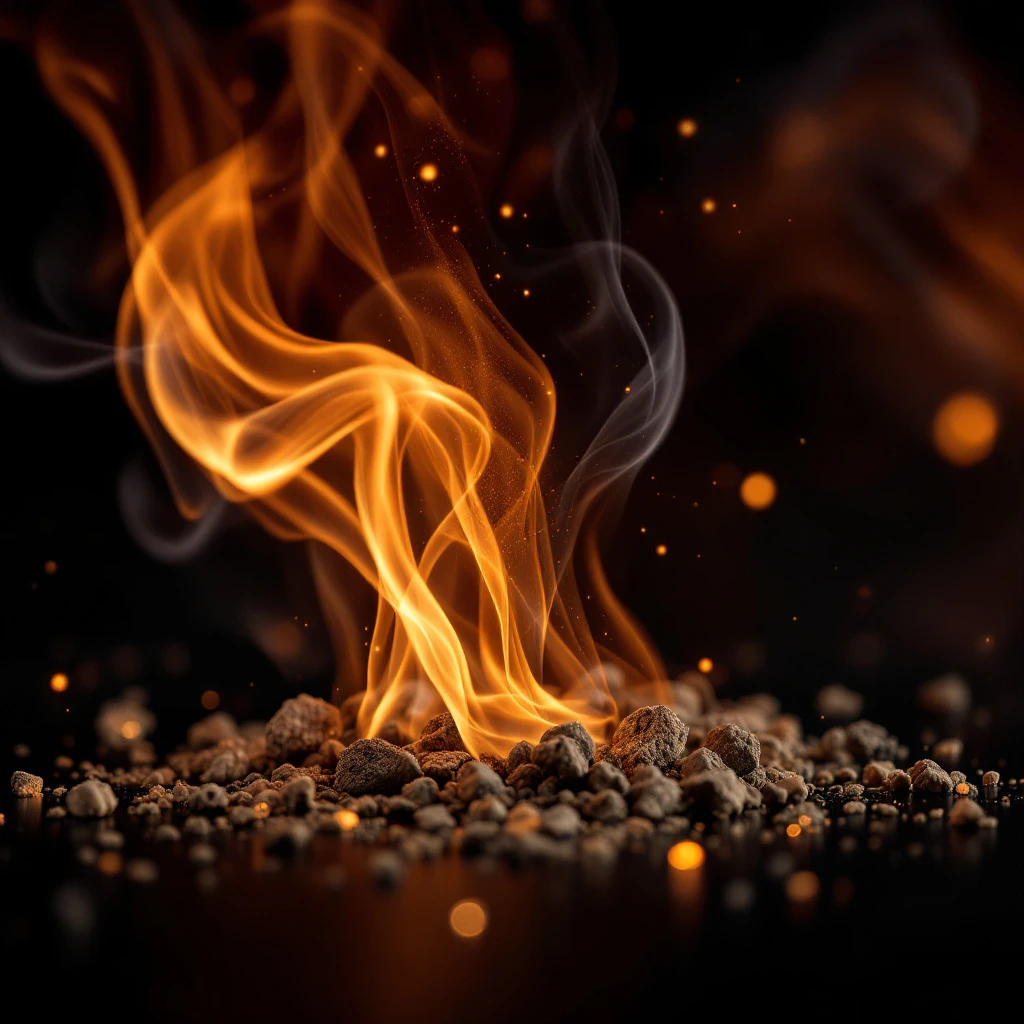
Sacred resin rendered into a rich, enveloping absolute. Incense absolute transforms ancient aromatic traditions into modern olfactory art, carrying the smoky depth and spiritual resonance of temple ceremonies into contemporary creations.
Character
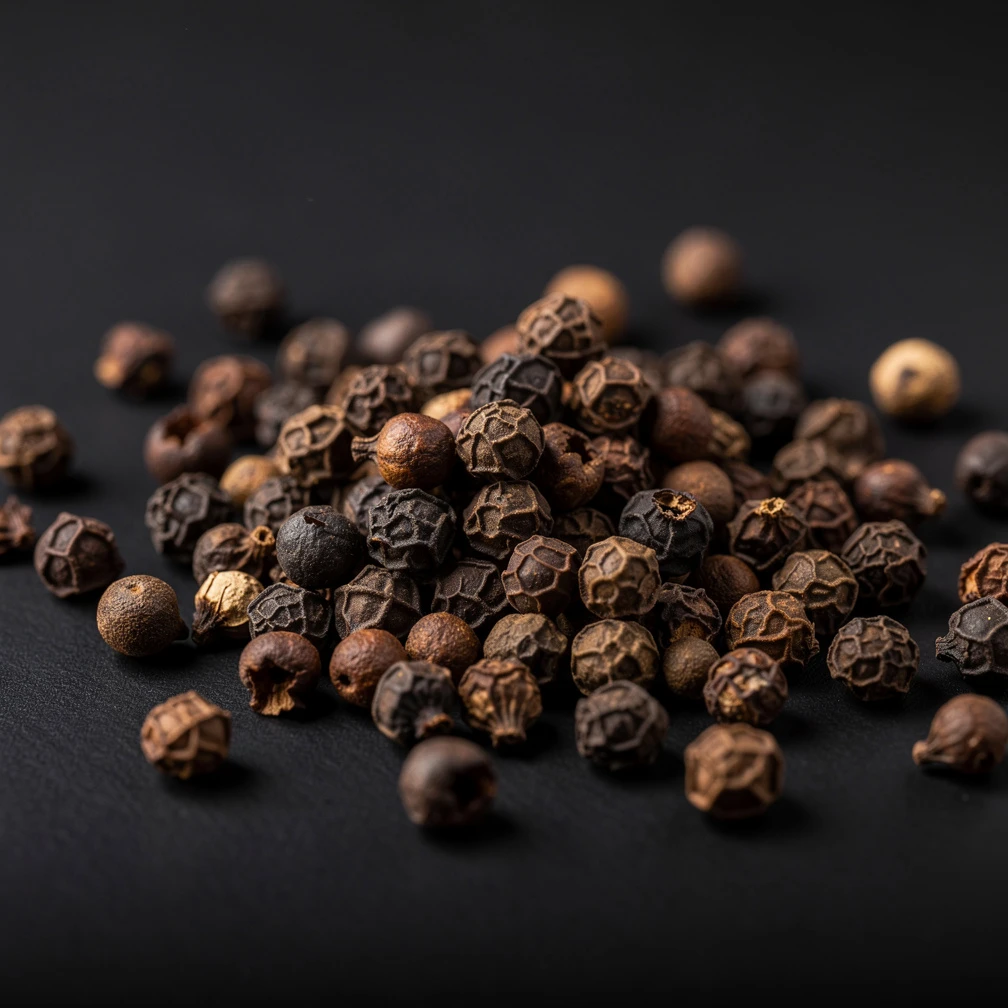
How it smells
Sacred smoke, preserved through centuries
Frankincense resin once held higher value by weight than gold along ancient Arabian trade routes spanning from Somalia to the Mediterranean.


Origin
Somalia
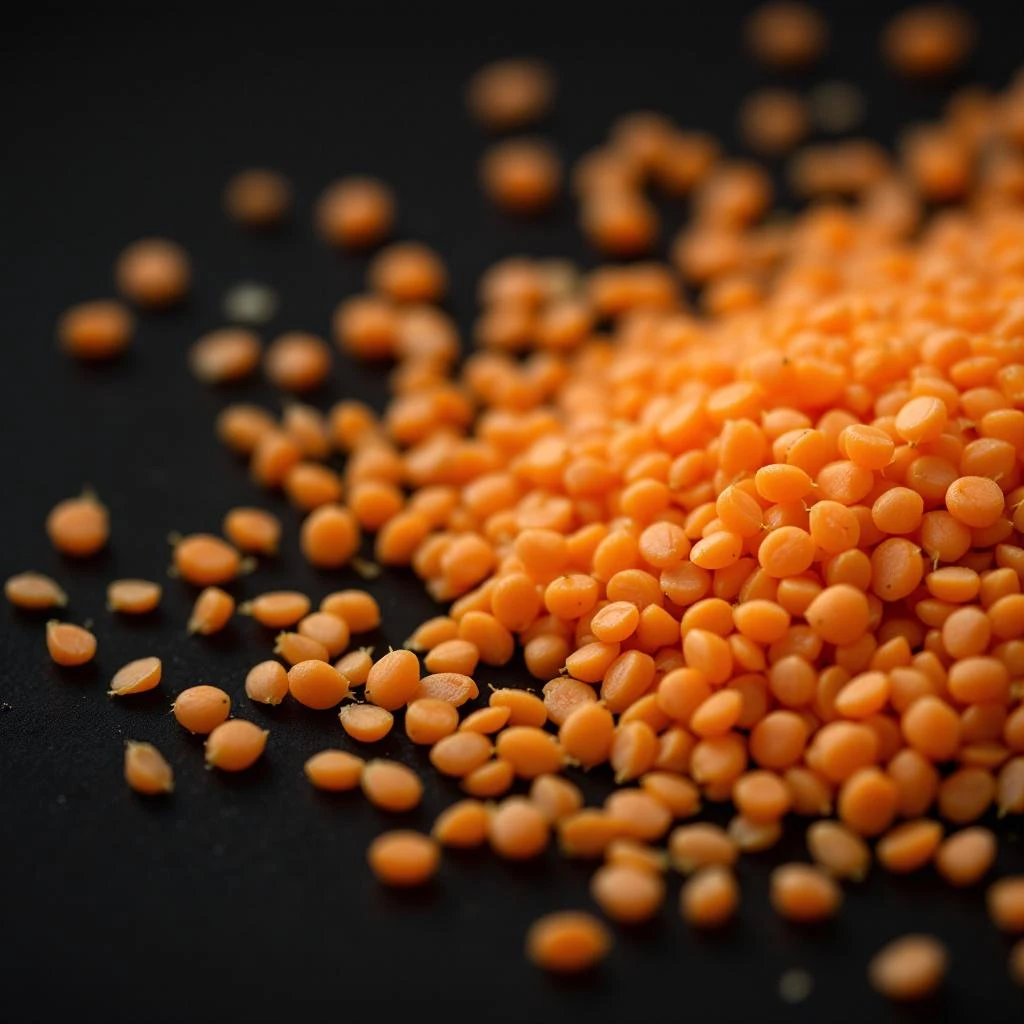
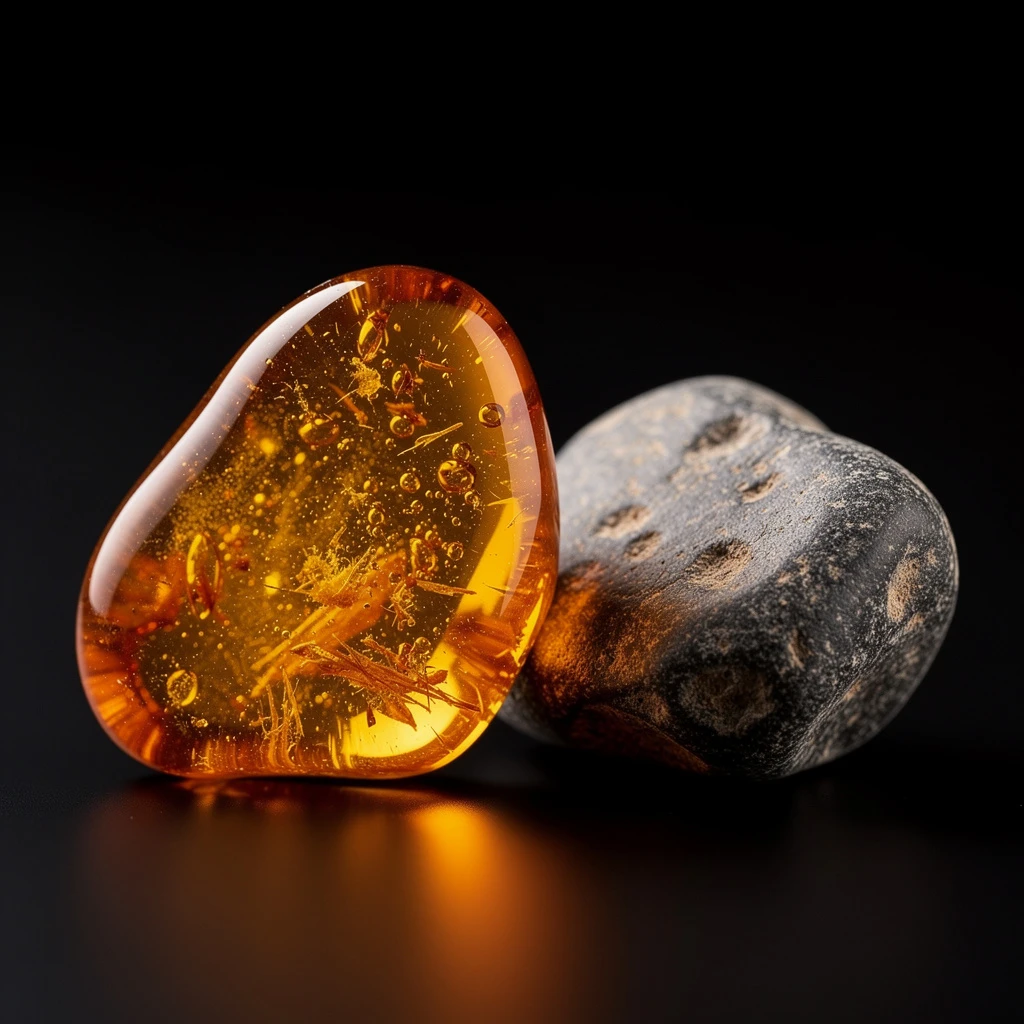
The history of incense resin stretches back over four thousand years, rooted in the sacred landscapes of Northeast Africa and the Arabian Peninsula. Ancient Mesopotamians burned aromatic resins in religious ceremonies as early as 1500 BCE, while Egyptian priests reserved the finest frankincense for temple rites and embalming rituals. By the classical era, frankincense had become a cornerstone of Arabian trade networks, moving along caravan routes that connected Somalia, Yemen, and the Mediterranean world.
The ingredient appears repeatedly in biblical texts, gifted by wise men and used in temple offerings. Ancient texts from China and India document similar reverence for sacred smoke in Buddhist and Hindu practices. When perfumery emerged as a formal craft in medieval Arabia, incense resins traveled from their ceremonial origins into the hands of early artisans.
Distillation techniques refined during the Islamic Golden Age eventually enabled extraction of pure aromatic compounds, transforming raw resin into the concentrated absolutes and essential oils that modern perfumers prize. The 19th-century development of solvent extraction methods opened new possibilities, allowing perfumers to capture even more of the resin's complex aromatic character than traditional distillation alone.
Wears it best
Fragrances featuring Incense absolute
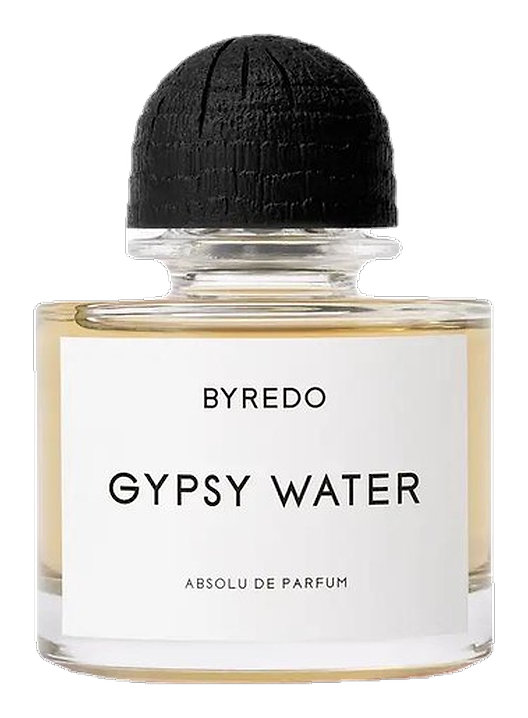
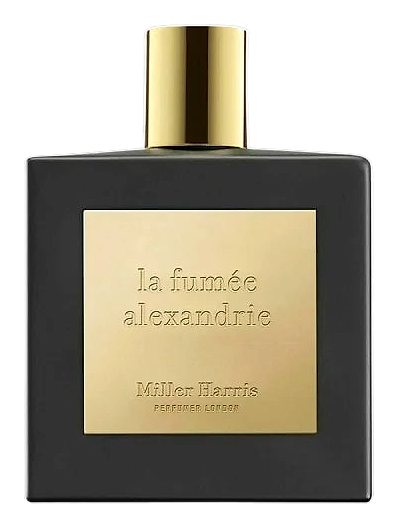
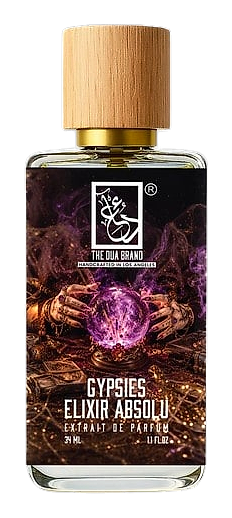
Brands
Brands known for Incense absolute
Good to know
Questions, answered
The essentials on Incense absolute in perfumery: how it smells, where it comes from, and how it behaves on skin.
What is incense absolute?
Incense absolute is a highly concentrated aromatic material obtained through solvent extraction of raw incense resin, typically from Boswellia species. It captures the full aromatic complexity of sacred smoke in a viscous, deeply aromatic form.
How does incense absolute differ from frankincense essential oil?
Solvent extraction captures a wider range of aromatic molecules, including heavier compounds that steam distillation cannot isolate. The absolute delivers greater olfactory depth and richness compared to frankincense essential oil.
What does incense absolute smell like?
It offers a warm, smoky, resinous character with sweet balsamic undertones and subtle citrus freshness. The scent evolves over hours on skin, revealing meditative depth typical of sacred smoke.
What plant produces incense absolute?
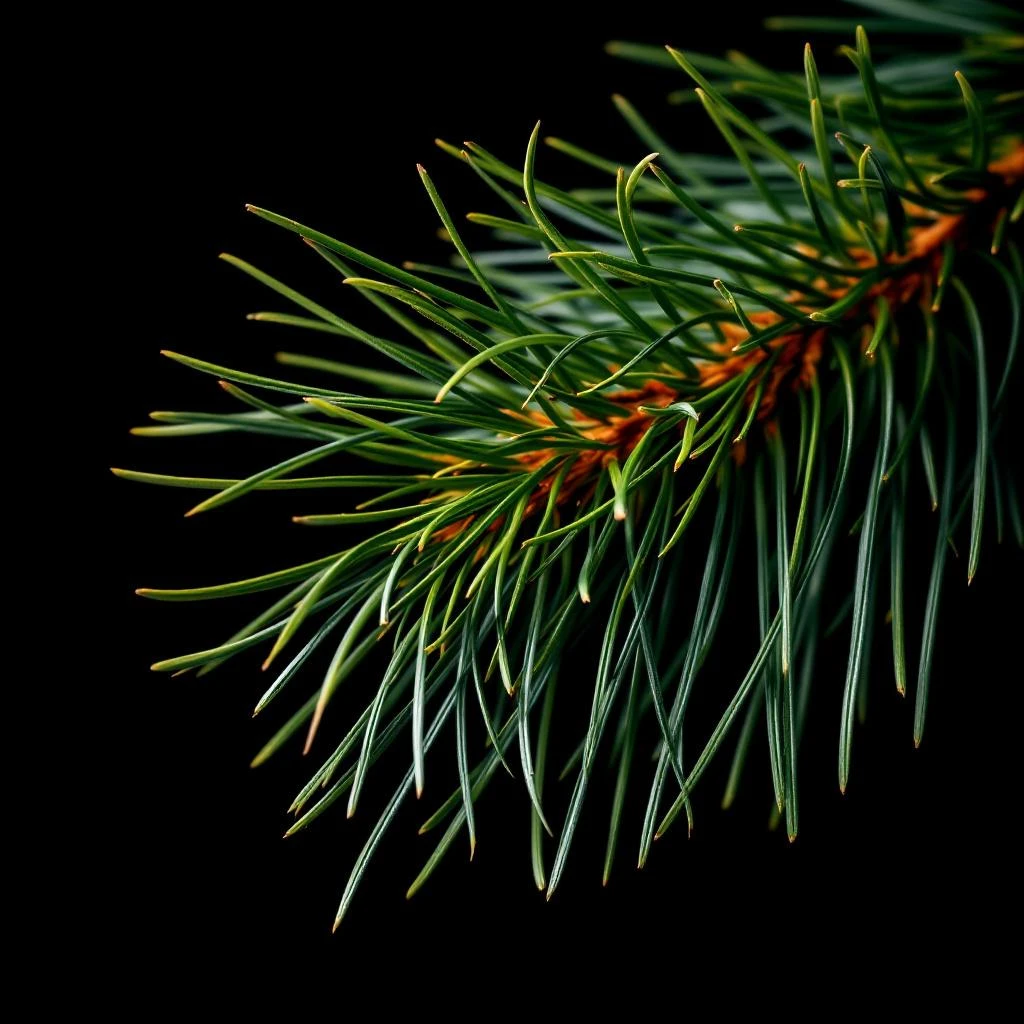
Boswellia trees, primarily Boswellia sacra and Boswellia carterii, produce the aromatic resin processed into incense absolute. These trees grow wild in arid regions across the Horn of Africa and Arabian Peninsula.
Where does incense resin originate?
Somalia ranks as the primary commercial source, with significant production from Oman, Yemen, Ethiopia, and India's Gujarat region. The trees thrive in harsh, rocky terrain where little else survives.
How do perfumers use incense absolute?
Perfumers employ incense absolute as a base note to add smoke, depth, and spiritual resonance to compositions. It lends woody, meditative character to oriental fragrances, incense-inspired colognes, and niche creations.
How should incense absolute be stored?
Keep the material in an airtight container away from direct light and heat. These precautions preserve its aromatic integrity over a typical shelf life of 3-5 years.
Why does incense resin hold historical significance?
Frankincense resin appears in sacred texts across Christianity, Islam, Hinduism, and Buddhism. Ancient Egyptians used it in temple rituals, and Arabian merchants built empires trading this precious material along Incense Route trade networks.