Hongyu Tea
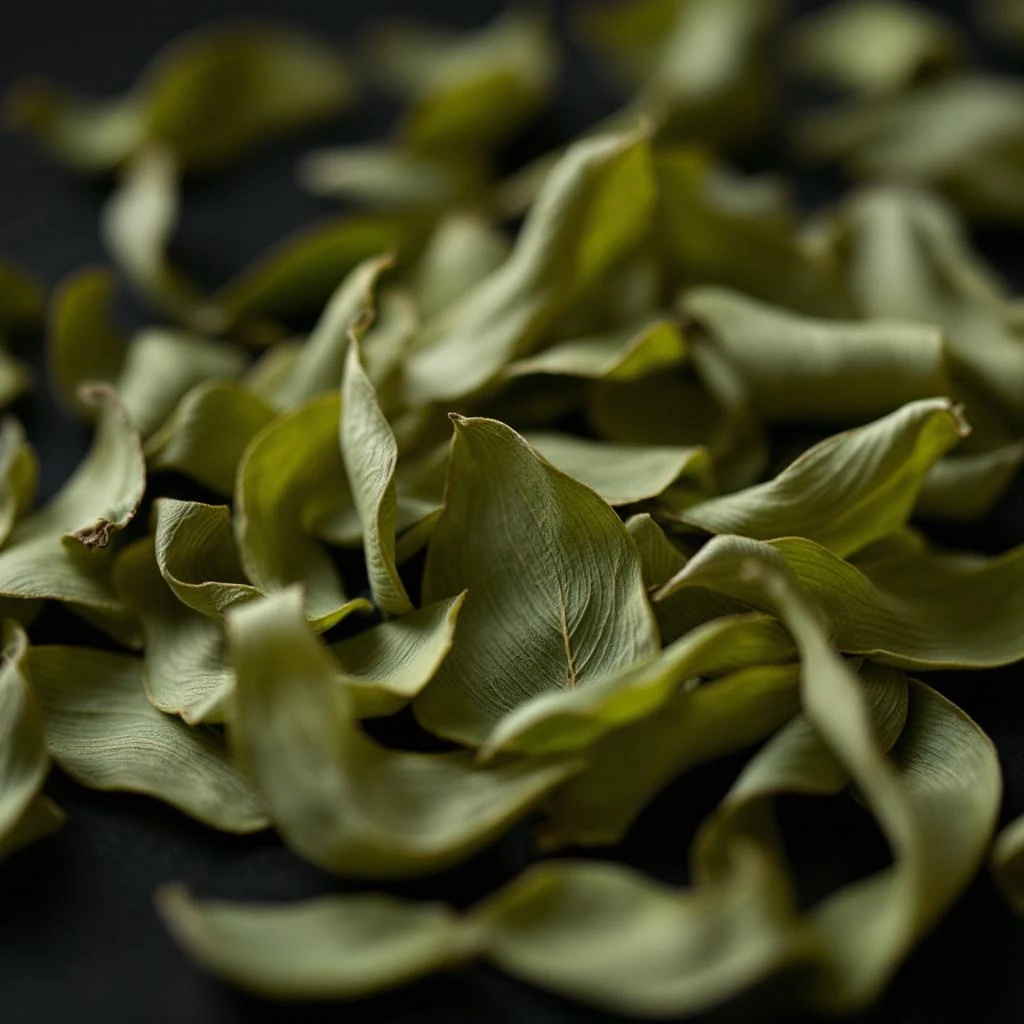
Hongyu Tea, a prized cultivar of Camellia sinensis from Fujian Province, delivers a smooth, roasted aroma with smoky undertones and a clean vegetal finish that perfumers prize for adding warmth without heaviness.
Character
How it smells
Roasted elegance from a storied Chinese cultivar
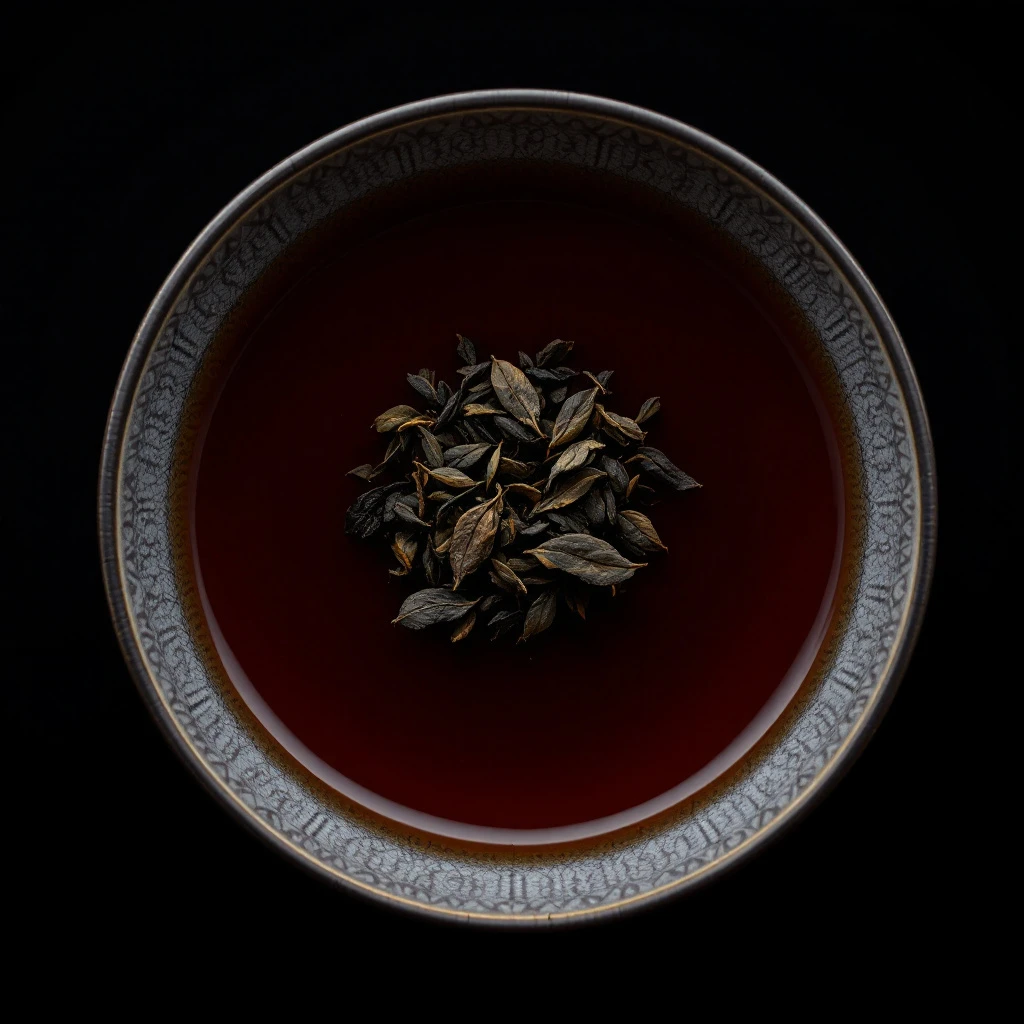
Hongyu means 'red plum' in Mandarin, though the cultivar produces no plum. The name reflects the tea's signature deep reddish-brown liquor when brewed.
Pairs beautifully with

Origin
China
The Camellia sinensis plant has been cultivated across China for over two millennia, but Hongyu itself is a comparatively recent cultivar, developed in the late 20th century by agricultural researchers at Fujian Agriculture and Forestry University. It emerged from controlled hybridization programs designed to combine the body of traditional oolong with the aromatic clarity of green tea, a response to growing domestic demand for premium single-cultivar teas.
In perfumery, tea remained a minor curiosity until the early 1990s, when Jean-Claude Ellena's 1992 composition for Bvlgari, a green tea-centered fragrance, demonstrated that tea notes could carry a composition rather than merely support it. That release opened the door for roasted and oolong-style teas to enter Western fragrance houses, though Chinese perfumers had already worked with cured tea extracts for decades in traditional incense and cosmetic formulations.
Today, Hongyu sits at the intersection of two traditions. Chinese fragrance houses draw on its cultural resonance and regional terroir, while international perfumers value it as a roasted alternative to the brighter, greener profiles built from Japanese sencha or Ceylon white tea. The note continues to grow in visibility as niche perfumery turns toward lesser-known cultivars with distinct fermentation signatures.
Wears it best
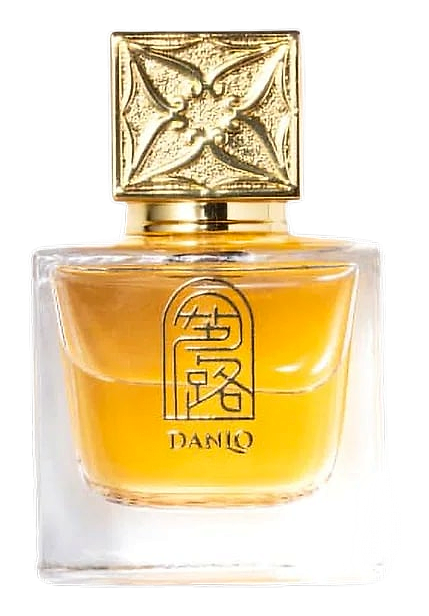
Fragrances featuring Hongyu Tea
Brands
Brands known for Hongyu Tea
Good to know
Questions, answered
The essentials on Hongyu Tea in perfumery: how it smells, where it comes from, and how it behaves on skin.
What does Hongyu Tea smell like in a fragrance?
Hongyu Tea presents a roasted, slightly smoky aroma with woody undertones, a gentle caramel sweetness, and a clean vegetal backbone. It reads warmer and more toasted than green tea notes, with less astringency and a soft, lingering finish.
How is Hongyu Tea different from regular green tea notes?
Hongyu is a partially oxidized cultivar, placing it closer to oolong than green tea. The charcoal roasting step adds toasty, almost cocoa-like warmth, while green tea accords typically lean fresh, grassy, and marine without the cured depth.
Is Hongyu Tea a natural or synthetic note in perfumery?
Both. Some houses use CO2 or solvent extracts of the actual cured leaves. Others build the accord from natural isolates like linalool and theaflavin combined with aroma chemicals, since the roasted character is difficult to capture through distillation alone.
Where does Hongyu Tea come from?
Hongyu is cultivated primarily in Fujian Province, southeastern China, particularly around Anxi County. The region's subtropical climate, mineral-rich soils, and long tradition of oolong production make it the cultivar's heartland.
When was Hongyu Tea developed?
Hongyu was bred in the late 20th century by researchers at Fujian Agriculture and Forestry University. It was created through hybridization programs aimed at combining the body of oolong with the aromatic clarity of green tea.
Which perfumes feature Hongyu Tea or similar roasted tea notes?
Specific Hongyu references are rare in commercial releases, but roasted oolong-style tea appears in various niche compositions. Jean-Claude Ellena's 1992 green tea composition helped establish tea as a standalone note in modern perfumery.
Does Hongyu Tea contain caffeine?
Like all true teas from Camellia sinensis, Hongyu contains caffeine. In perfumery this is irrelevant, since caffeine is not a volatile aromatic compound and does not contribute to the scent profile.
Is Hongyu Tea suitable for sensitive skin?
Tea extracts are generally well tolerated in fragrance concentrations, though individual reactions vary. Those with known sensitivities to tea polyphenols should patch test before regular use, as residual compounds can occasionally trigger mild irritation.