The Story
Why it exists.
The beginning
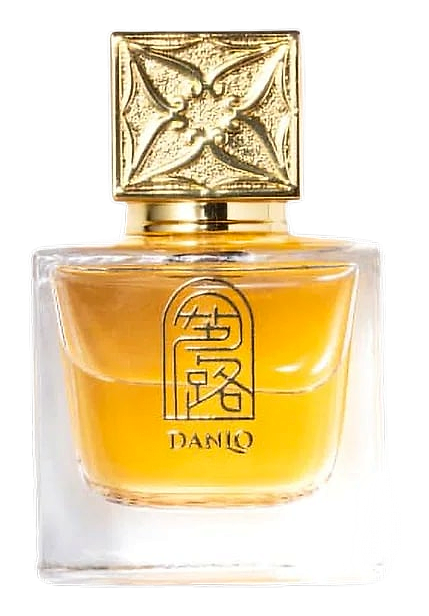
Taimaru reads as something compact and rounded in the way the name sits in the mouth. It comes from DanLo, a house whose name and notes carry Taiwanese resonance, with Taimaru composed by a perfumer listed as Kaiwei. The fragrance is built around a single pairing: Hongyu tea and longan honey, pulled to the oxidized, roasted end of the spectrum. Hongyu contributes a dried-fruit depth that anchors the composition, its weight giving the scent a backbone from the first spray. Longan honey layers in a sticky-sweet register, the kind of sweetness that edges toward edible, that recalls sugar left on the edge of a spoon. The result is a fragrance that smells less like a clean cup of tea and more like one that's been steeping for hours, dense and ambered and unapologetically warm.
Taimaru pulls from the roasted, oxidized end of the tea spectrum and pairs it with a sugar note that reads burnt rather than syrupy. That choice shapes everything else in the bottle. The Hongyu tea doesn't sit as a thin top note; it does structural work, its dried-fruit depth pulling weight through every phase of the wear. You can sense it underneath the honey, underneath the initial sugar rush, a low roasted hum that gives the composition something to hold onto. Longan honey adds its own particular sweetness, one that doesn't behave like the lighter honeys in most mainstream perfumery.
The evolution
On skin, Taimaru opens with a rush of burnt sweetness, the kind of dry, crackling caramelization that one wearer compared to scorched sugar at the bottom of a pot. That startling first minute or two softens as the oolong registers, bringing wet leaves and a tannic bite that cuts through the sweetness. Within thirty minutes the heart settles into a honeyed, slightly resinous warmth, the kind of scent that conjures low light and wooden tables, a room with the curtains half-drawn. The drydown is where the black sugar comes back, but quieter, thinner, more like the residue at the bottom of a cup than the first pour. The fragrance wears close, lingering on skin without projecting aggressively, staying in the personal space rather than filling the room. It moves through its phases deliberately, never rushing, each note stepping back to let the next take the lead.
Cultural impact
Early wearers describe Taimaru less as a perfume and more as a specific atmosphere, a scent that pulls the wearer into a particular sensory space. Its burnt-sugar opening has drawn strong reactions, with some drawn immediately to its density and others finding the scorched sweetness more challenging. The fragrance sits in a territory where comfort and complexity meet, dense enough to feel grounding yet unusual enough to stand apart from more conventional tea fragrances. For those who connect with it, Taimaru becomes a kind of signature scent, a go-to rather than an occasional choice.