The Story
Why it exists.
The beginning
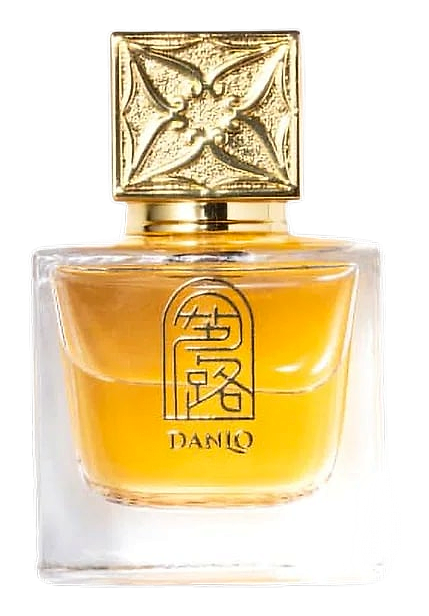
Distilled Heat arrived in 2025, the newest release from Danlo. The brief went to perfumer Kaiwei, whose work made the brief's central idea possible: a warm, grainy composition built on ambergris, sorghum, vetiver, and West Indian amyris, nothing else, nothing ornamental. This one starts with a single question. Can a field crop belong in fine perfumery? Kaiwei's answer is layered, patient, and slightly sweet. The name says it plainly. This is heat after distillation, not before. Warmth that survived something. Four notes carry the entire weight of the composition, and each one pulls more than its share. There's no background music here, no base of musks or cushion of synthetics to soften the edges.
Sorghum is the unusual move here. It's a cereal grain with a molasses-adjacent sweetness, the kind of ingredient more common in a pantry than in a perfume lab. Pairing it with ambergris creates a contrast that moves between mineral salt and warm grain, something almost edible and something oceanic at once. The combination reads like two weather systems meeting over the same patch of ground.
The evolution
Distilled Heat begins with a bright squeeze of ambergris that reads mineral and slightly saline against the warm cereal sweetness of sorghum. The opening is the loudest the fragrance ever gets, and even at full volume it stays closer to a murmur than a shout. As the first minutes pass, the vetiver rises, grounding the opening with its dry, earthy rootiness while the sorghum settles into a denser, almost toasted-honey register. The sweetness never disappears, it just changes weight, moving from the bright molasses note at the start to something rounder and more baked. In the final hours, West Indian amyris smooths the edges, blending with the lingering ambergris into a quiet, skin-close drydown that feels closer to warm skin and clean cloth than to any loud sweetness.
Cultural impact
Distilled Heat fits Danlo's established approach: minimal note lists and warm compositions built from a tight palette of materials. At NT$2,880, it joins the brand's other releases in a catalog that holds its shape through restraint rather than volume. The choice of sorghum, a cereal grain more at home in a granary than in a perfumer's organ, gives the composition its unusual character and sets the fragrance apart from anything built around the usual suspects. For collectors interested in contemporary work that takes a single material seriously and builds outward from there, this is a natural fit.