Hongkong Oud
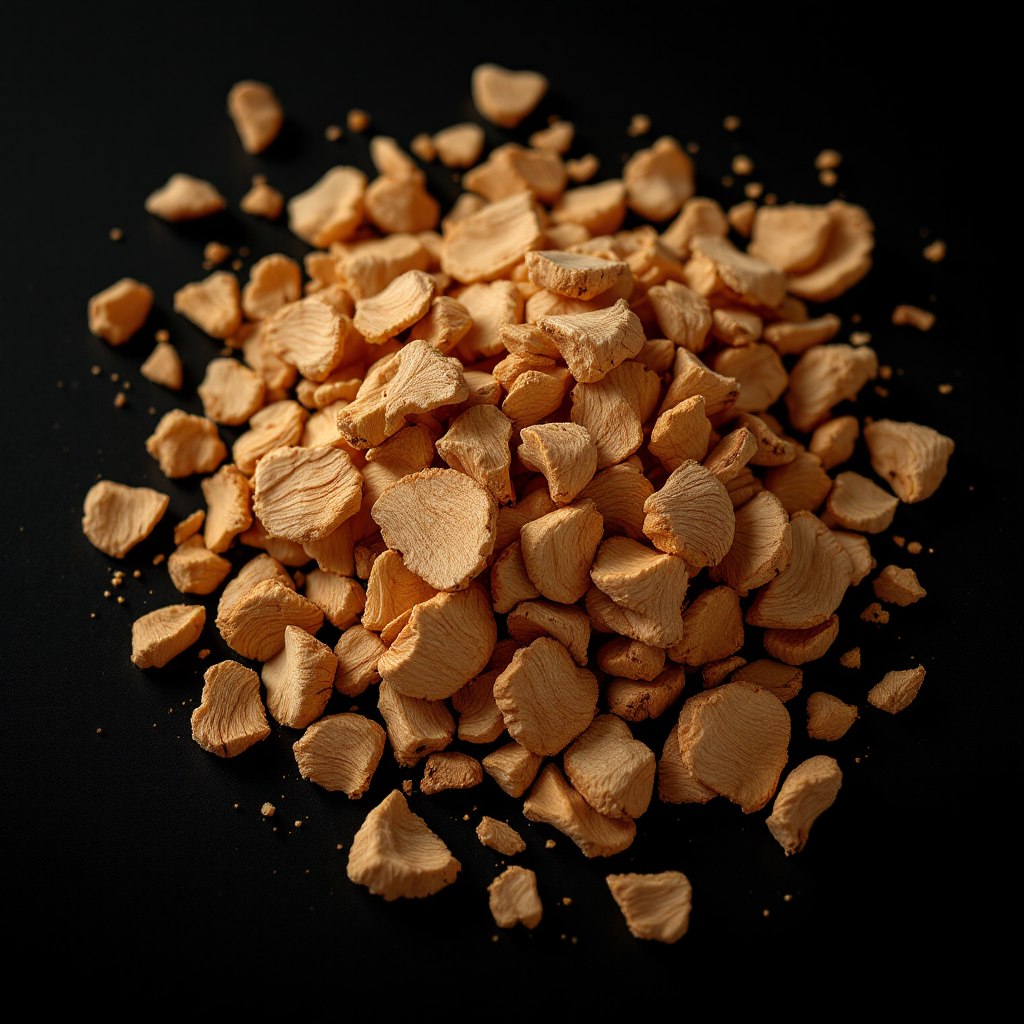
Hongkong Oud references oud sourced or traded through Hong Kong's historic agarwood markets, where Southeast Asian resin meets Chinese perfumery tradition. A smoky, animalic note prized for its depth.
Character
How it smells
Where Southeast Asian resin meets Chinese trade
Hong Kong's incense and agarwood trade dates to the Song Dynasty, when the city served as a major transit point for oud bound for imperial courts across China.
Pairs beautifully with
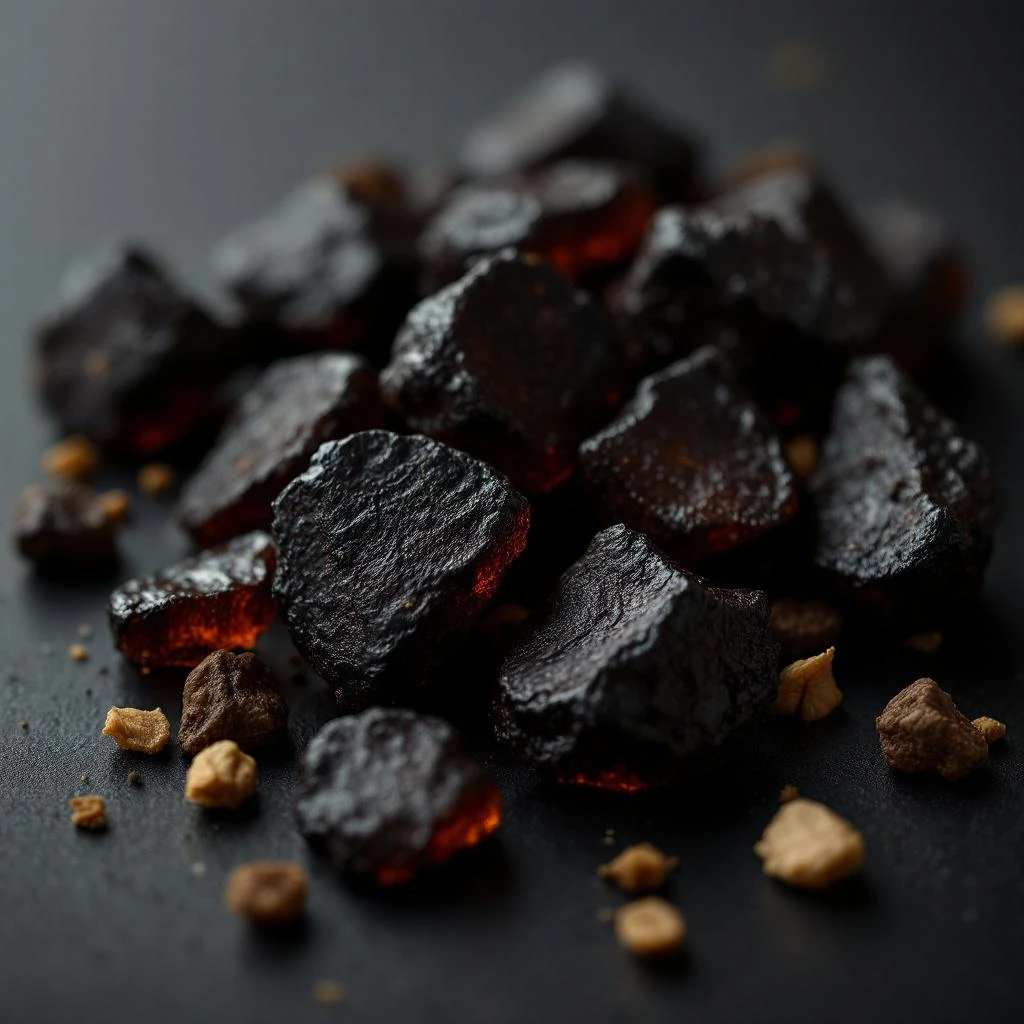
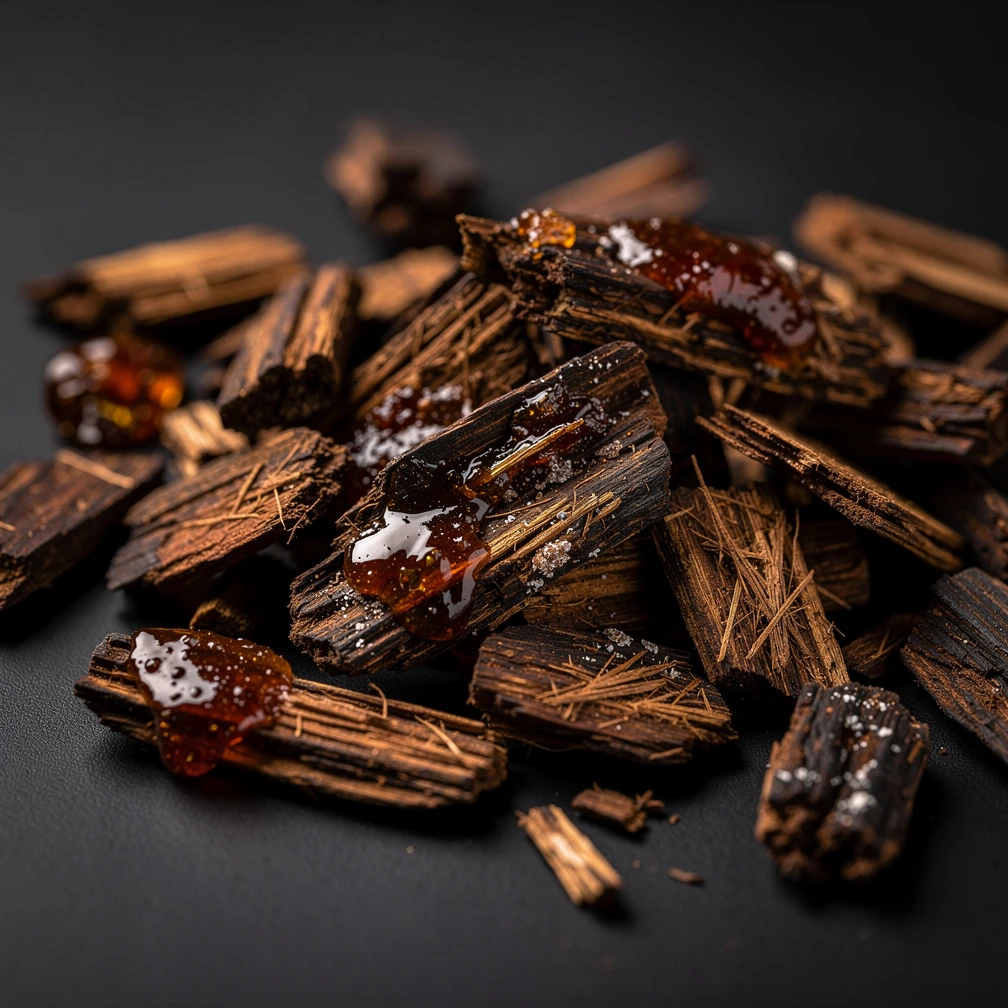
Origin
Hong Kong (trading hub for Southeast Asian agarwood)
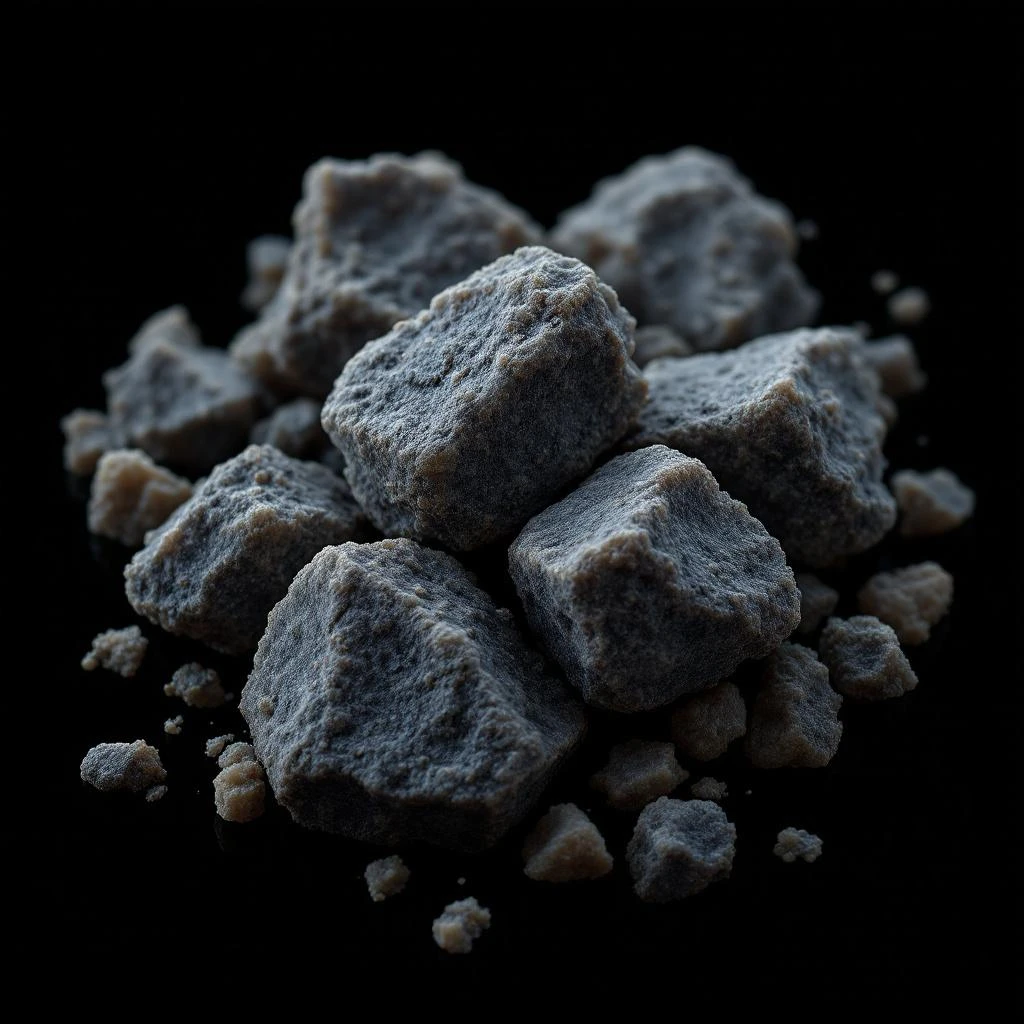
Hong Kong's relationship with oud stretches back centuries, rooted in the broader maritime incense trade that connected the South China Sea to the Persian Gulf. Chinese texts from the Tang and Song Dynasties reference agarwood, called chenxiang, as a prized luxury imported through southern ports. Hong Kong's role grew as British colonial expansion formalized the territory into a free trading port in the nineteenth century, drawing merchants from Guangzhou, Macau, and across Southeast Asia.
By the early twentieth century, Hong Kong had become a critical node for agarwood distribution. Traders based in Sheung Wan and Wan Chai handled raw chips, oils, and carved artifacts destined for mainland China, Taiwan, and emerging Western perfume houses. The term Hongkong Oud emerged in modern fragrance circles as a descriptor for oud oils graded, blended, or finished in this commercial tradition, often carrying a slightly sweeter, less barnyard profile than Cambodian or Laotian oils.
Today, the designation reflects heritage and provenance rather than terroir. It signals a specific aesthetic of refinement shaped by generations of Cantonese merchants who treated agarwood as both commodity and art form.
Wears it best
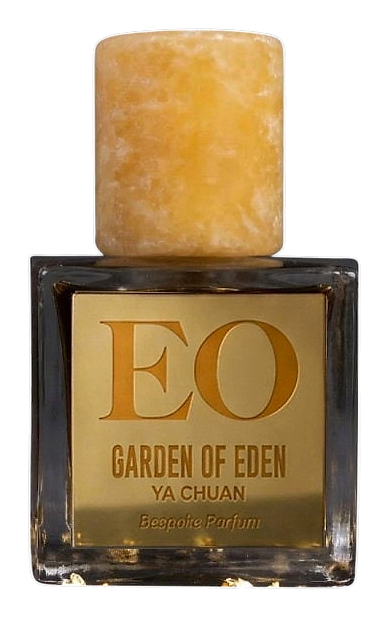
Fragrances featuring Hongkong Oud
Brands
Brands known for Hongkong Oud
Good to know
Questions, answered
The essentials on Hongkong Oud in perfumery: how it smells, where it comes from, and how it behaves on skin.
What is Hongkong Oud in perfumery?
Hongkong Oud refers to agarwood resin graded, traded, or finished through Hong Kong's historic agarwood commerce. The material itself comes from Aquilaria trees across Southeast Asia. The Hong Kong designation signals a specific commercial tradition rather than a unique botanical source.
How does Hongkong Oud differ from other oud varieties?
Oils associated with Hong Kong trade often display a smoother, slightly sweeter profile compared to barnyard-forward Cambodian ouds or smoky Laotian varieties. This character reflects merchant grading practices and aging traditions rather than terroir differences.
Why is Hong Kong important in the oud trade?
Hong Kong became a major agarwood transit point during the nineteenth century under British colonial rule. Traders in districts like Sheung Wan handled raw chips and oils moving between Southeast Asian producers and Chinese, Taiwanese, and Western buyers.
Is Hongkong Oud more expensive than other oud types?
Prices depend on resin grade and oil yield, not the Hong Kong designation itself. High-quality oils from any origin can command premium pricing. The label reflects provenance and finishing rather than a guaranteed cost tier.
What does Hongkong Oud smell like?
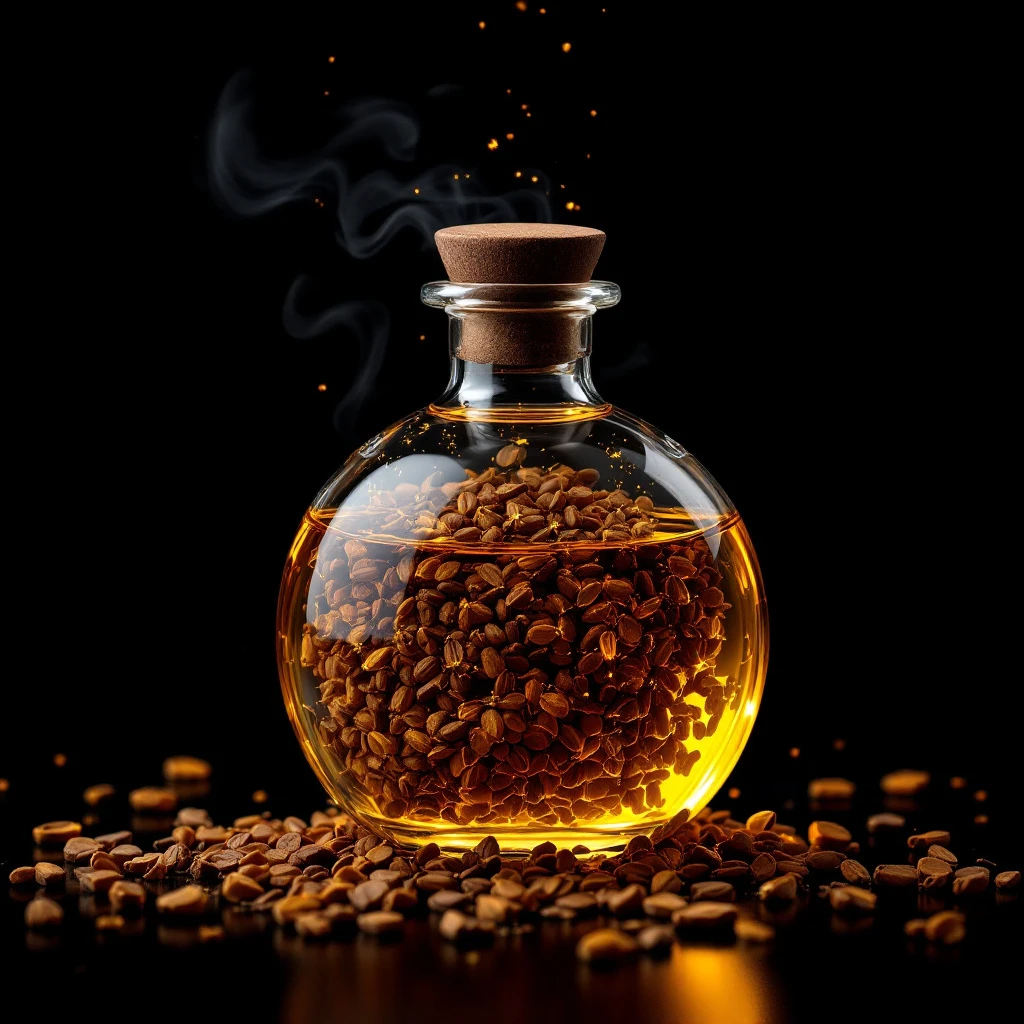
Expect warm, resinous depth with sweet woody facets, less pronounced animalic or fecal notes than some Cambodian oils. Many examples show hints of dried fruit, leather, and incense smoke characteristic of traditionally aged agarwood.
How is Hongkong Oud produced?
The process involves Aquilaria trees infected by specific fungi that trigger resin formation. After years of saturation, the wood is harvested, graded, and steam-distilled. Hong Kong's role centers on trading, grading, and sometimes aging rather than cultivation.
When did Hong Kong become a center for agarwood commerce?
The trade expanded significantly during the nineteenth century when Hong Kong was established as a free port. Merchants handled agarwood destined for mainland China, Taiwan, and Western markets throughout the colonial era and beyond.
Is Hongkong Oud sustainable?
Sustainability depends on the original Aquilaria source, not the Hong Kong designation. Plantation-grown agarwood from certified operations offers a responsible option. Wild-harvested oud remains a conservation concern across Southeast Asia.