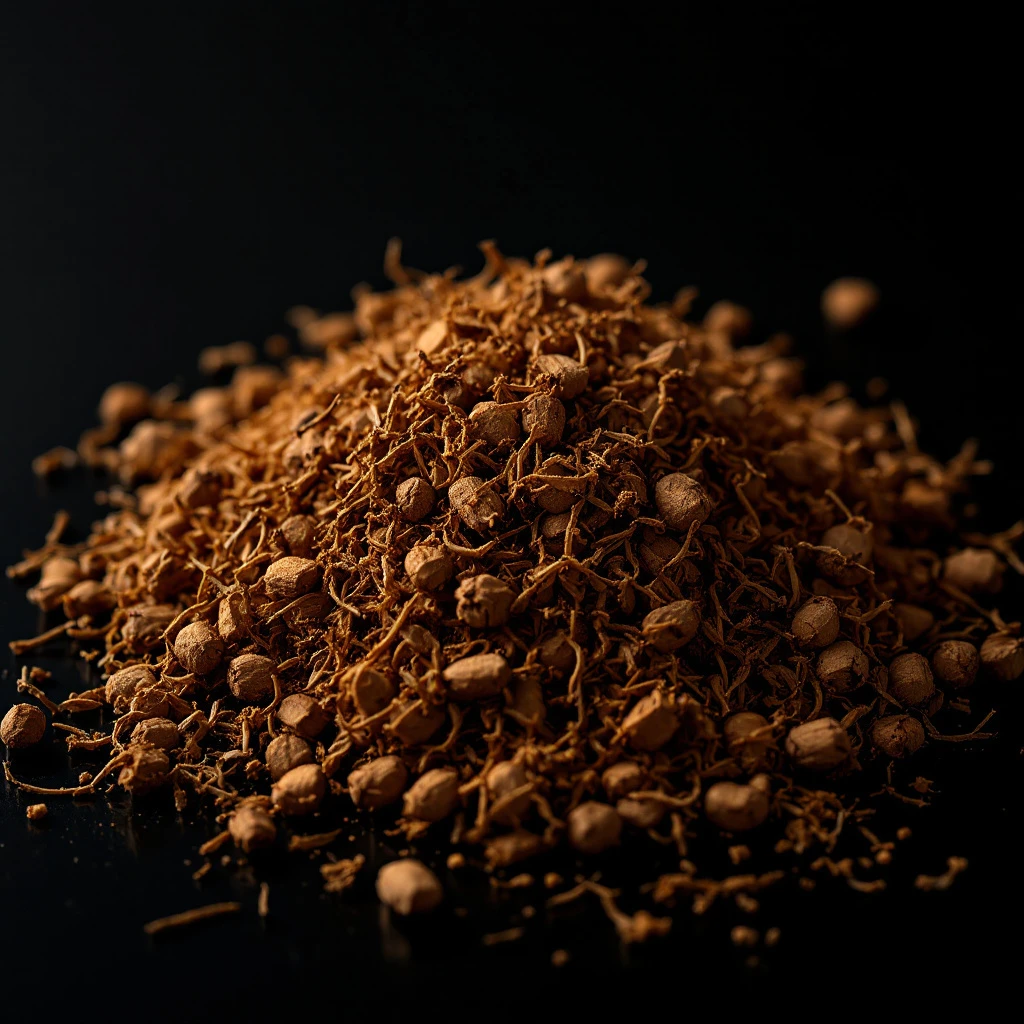
Honduran Tobacco
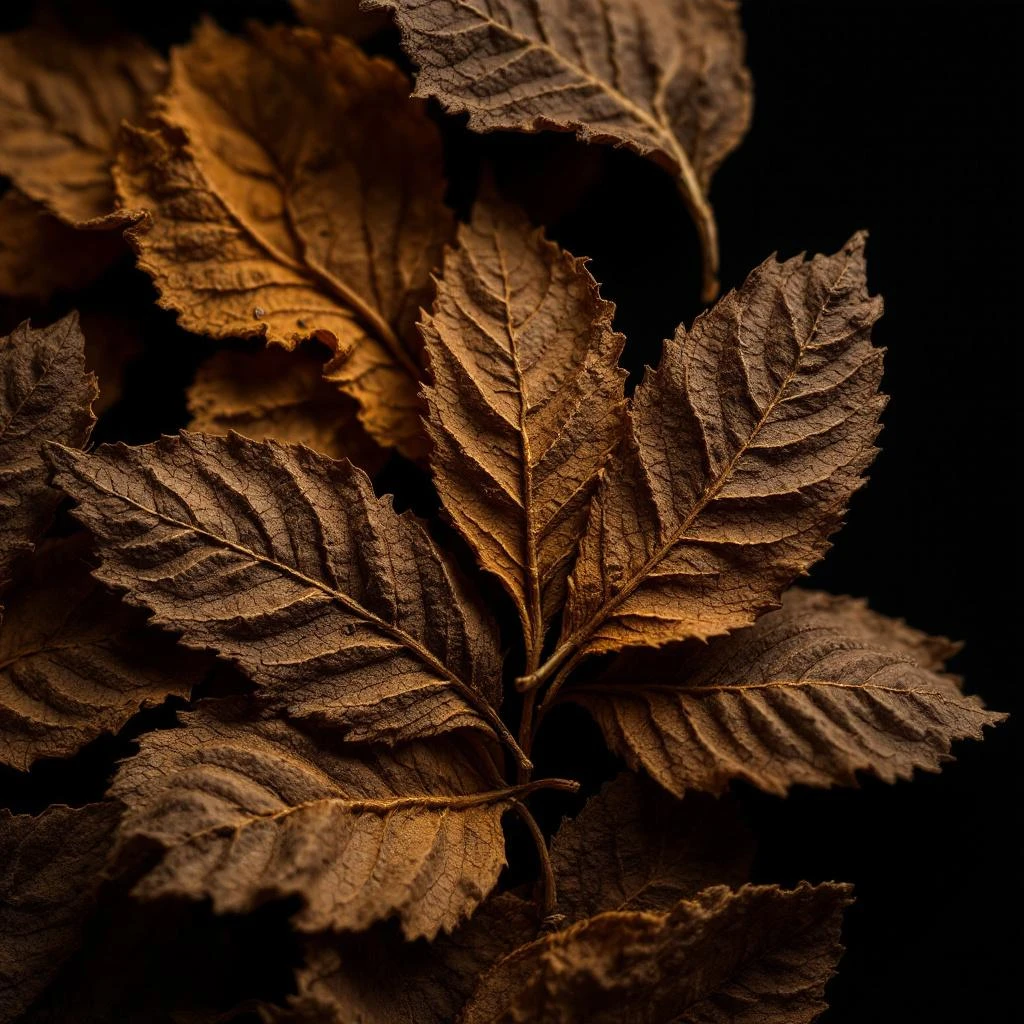
Honduran tobacco brings a rich, sun-warmed depth to fragrance: smooth, slightly sweet, with hints of dried fruit and the quiet warmth of cured leaves aged in tropical air.
Character
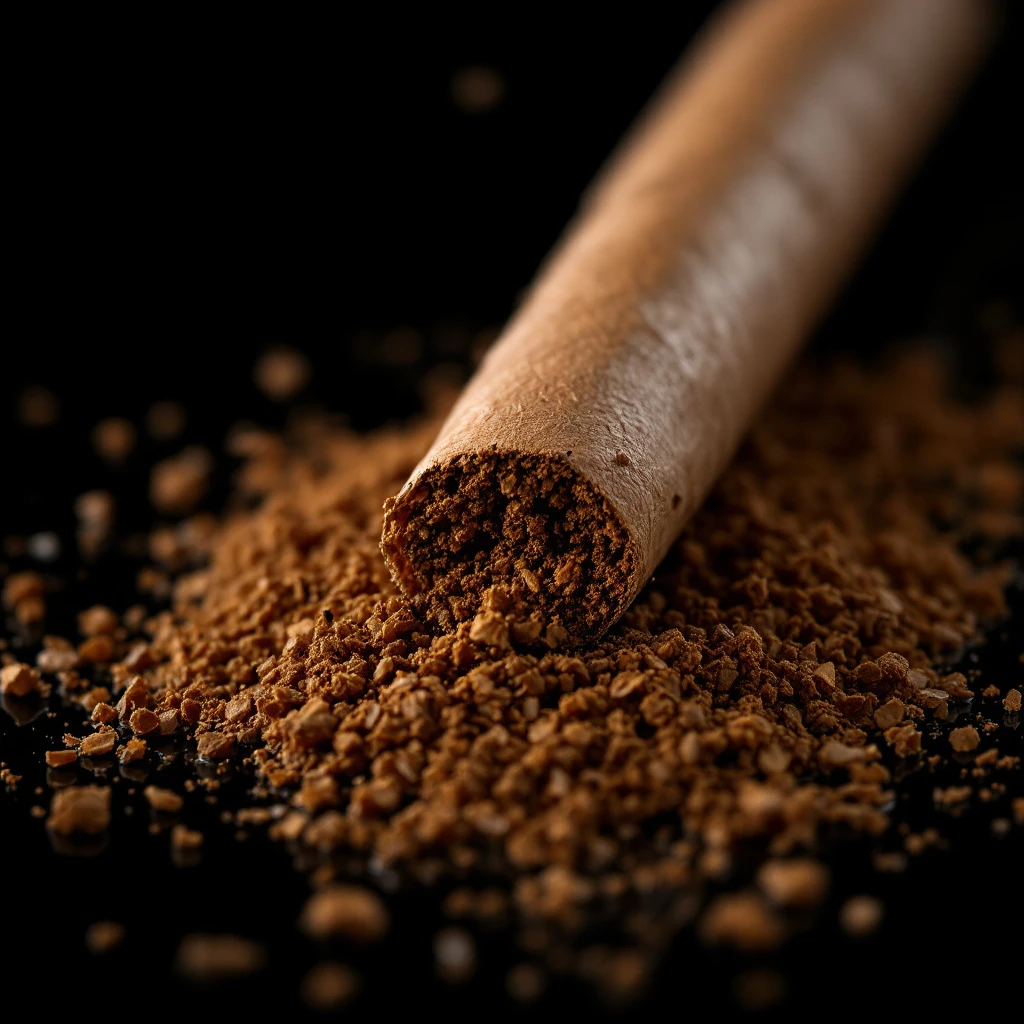
How it smells
Sun-cured leaves, bottled warmth.
Honduras has cultivated tobacco for nearly 3,000 years, making it one of the oldest continuous tobacco-growing regions on Earth.
Pairs beautifully with
Origin
Honduras
Tobacco cultivation in Honduras stretches back roughly 3,000 years, when indigenous groups including the Maya grew and ritually used Nicotiana rustica and early tabacum varieties. When Spanish colonizers arrived in the 16th century, they encountered thriving tobacco traditions and quickly folded Honduran leaf into transatlantic trade. The country became a major supplier to European cigar markets, and by the 19th century, Honduran growers like those in Santa Rosa de Copán were producing leaves renowned for their wrapper quality.
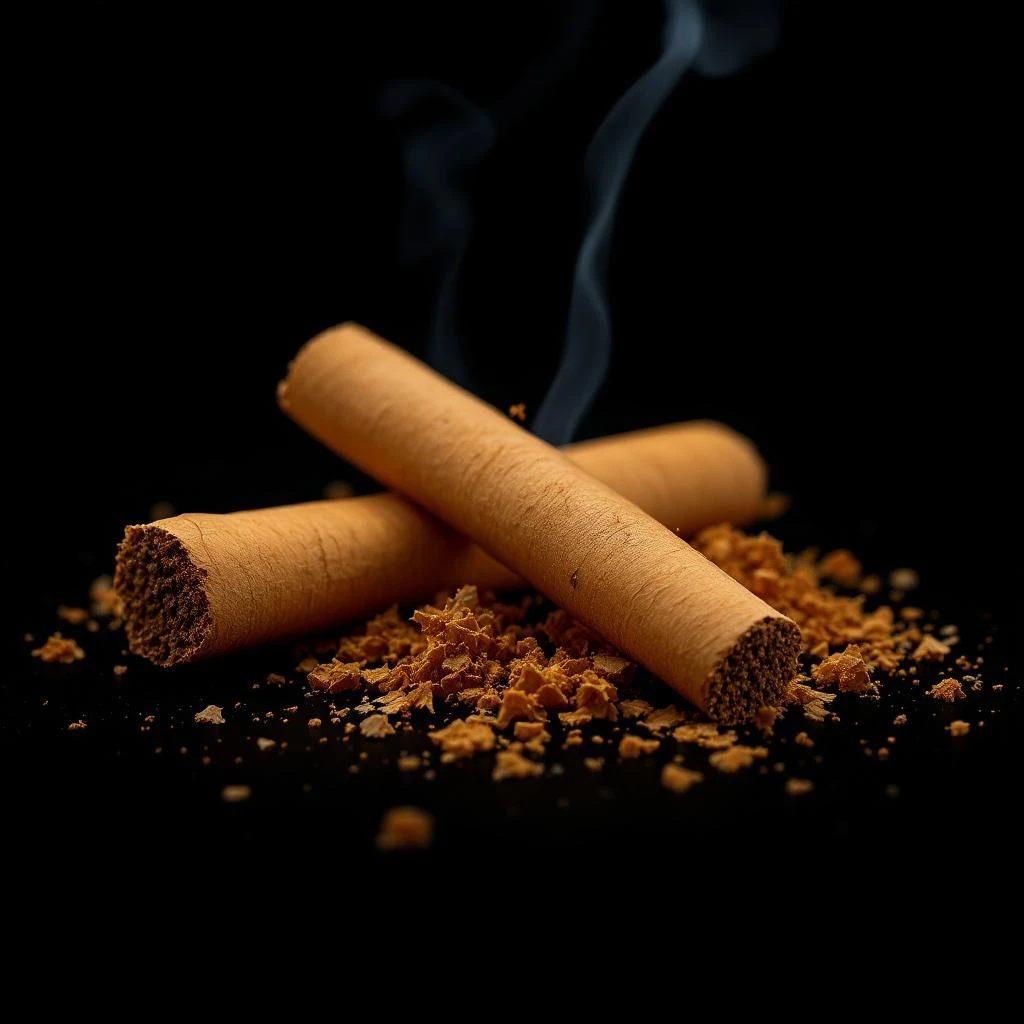
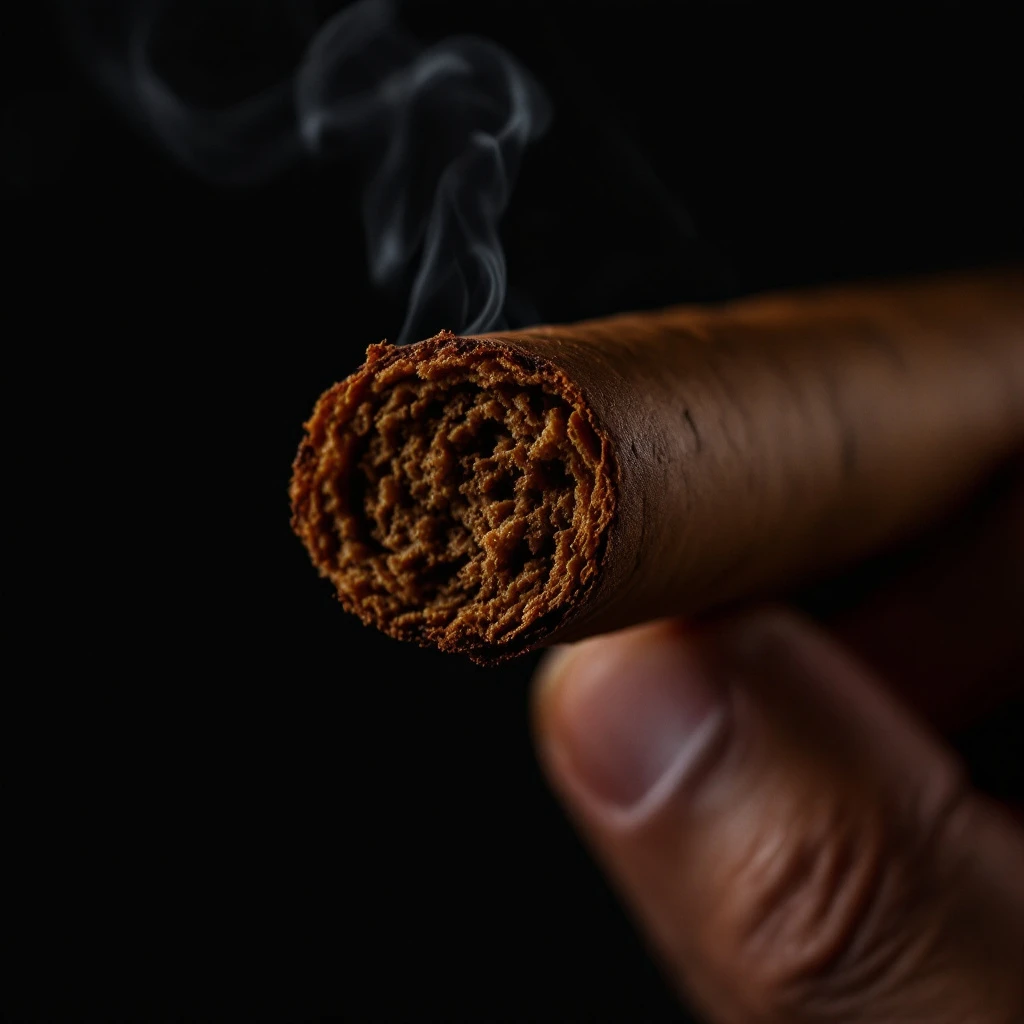
The cigars crafted from these leaves gained global recognition during the Cuban embargo era of the 1960s, when many master blenders relocated their operations to Honduras and helped establish the country as a premium tobacco origin. In modern perfumery, Honduran tobacco absolute captures this heritage of careful cultivation and curing, lending fragrances the warm, slightly sweet character associated with hand-rolled cigars aged in tropical humidity.
Wears it best
Fragrances featuring Honduran Tobacco
Brands
Brands known for Honduran Tobacco
Good to know
Questions, answered
The essentials on Honduran Tobacco in perfumery: how it smells, where it comes from, and how it behaves on skin.
What does Honduran tobacco smell like in perfume?
Honduran tobacco absolute smells warm, slightly sweet, and honeyed, with notes of dried fig, cured hay, and faint leather. It carries a smoother, fruitier profile compared to Bulgarian tobacco absolute's more fermented, almost prune-like depth.
How is Honduran tobacco absolute produced?
Sun-cured Nicotiana tabacum leaves from the Copán and Jamastrán valleys undergo solvent extraction with hexane or ethanol. The resulting concrete is washed with alcohol to yield a dark amber absolute prized for its rich, slightly sweet character.
How long has tobacco been grown in Honduras?
Indigenous groups have cultivated tobacco in Honduras for nearly 3,000 years. Spanish colonizers encountered these traditions in the 16th century and integrated Honduran leaf into transatlantic trade, establishing the region's cigar reputation.
What is the difference between Honduran and Bulgarian tobacco absolute?
Honduran tobacco absolute tends toward warm, honeyed sweetness with dried-fruit nuances, while Bulgarian tobacco absolute is darker, more fermented, and carries pronounced prune and molasses tones. Both derive from Nicotiana tabacum but reflect different curing traditions.
Is Honduran tobacco natural or synthetic?
Honduran tobacco absolute is a natural ingredient, extracted physically from sun-cured leaves. About three-quarters of all fragrance materials are now synthetic, but tobacco absolutes remain among the materials where natural extraction still dominates.
What fragrance families feature Honduran tobacco?
Honduran tobacco appears most often in oriental, woody, and tobacco-forward compositions, where it anchors basenotes alongside vanilla, tonka, leather, and oud. Its warm sweetness pairs well with spicy and resinous materials.
Where specifically in Honduras is tobacco grown for perfume?
Premium tobacco for both cigars and perfumery concentrates in the Copán valley and the Jamastrán valley near Danlí. These highland regions combine volcanic soil, consistent rainfall, and humidity that produce the smooth, aromatic leaves prized by blenders.
Why did Honduras become a major tobacco source?
Honduras rose to global prominence during the 1960s Cuban embargo, when many master cigar blenders relocated operations there. Existing 3,000-year cultivation traditions and ideal growing conditions helped the country establish a lasting reputation for quality tobacco.