Holly Berry
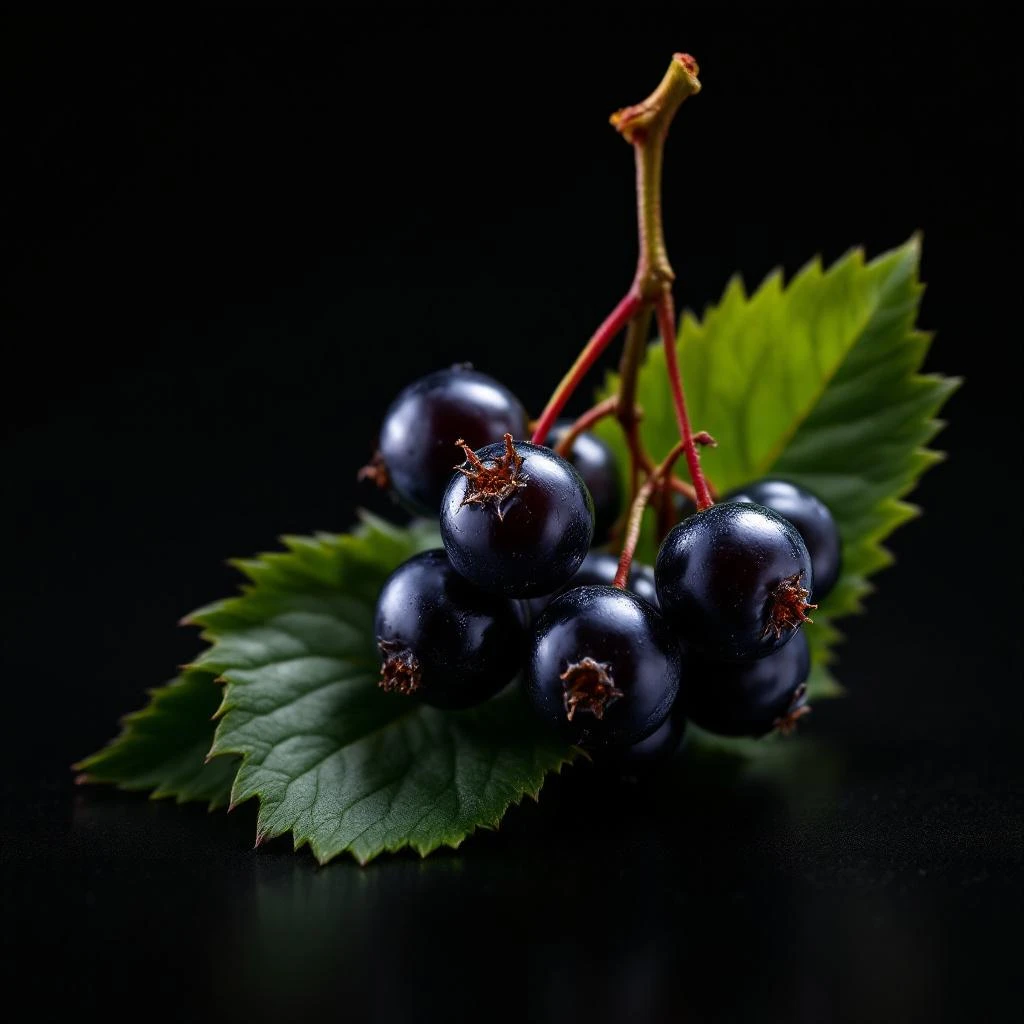
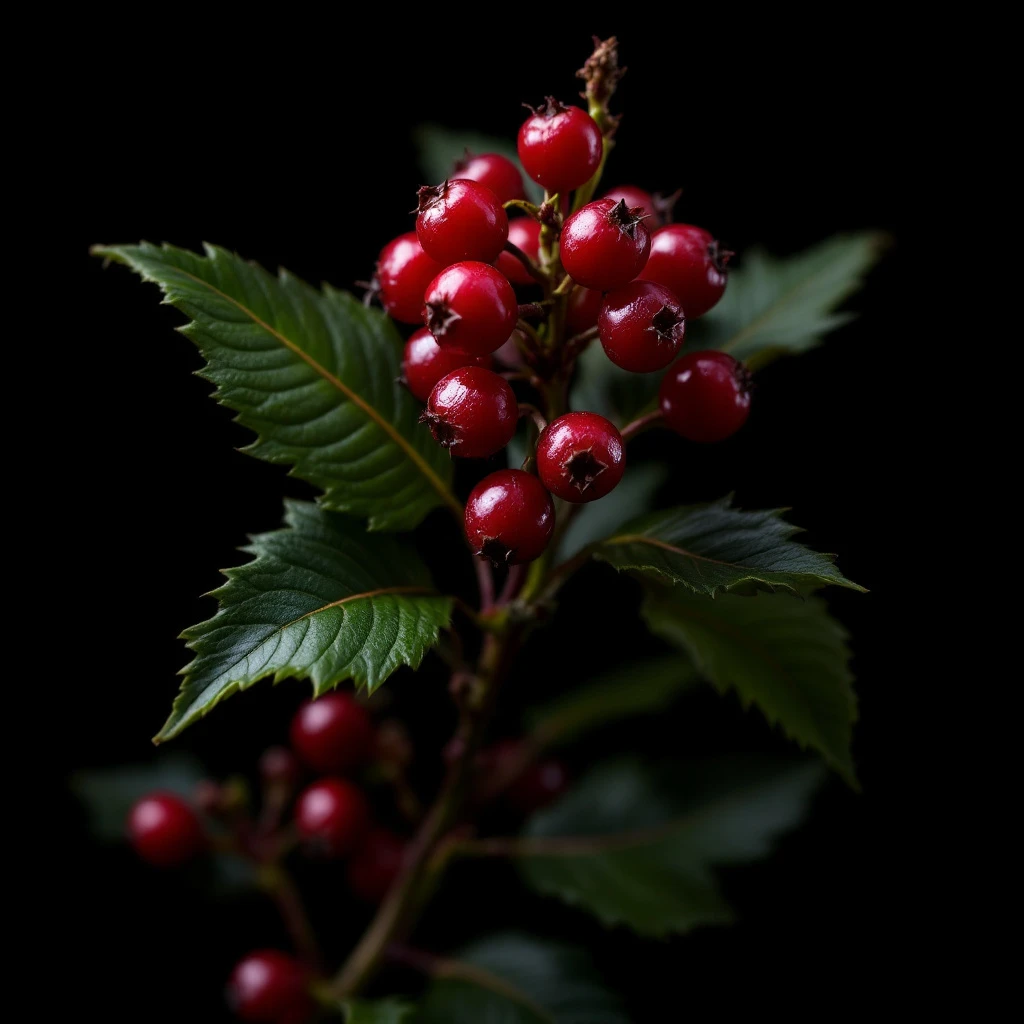
Holly Berry brings a crisp, wintry greenness to fragrances. In perfumery, Ilex aquifolium inspires synthetic accords that capture the fresh, slightly tart essence of winter foliage and berries. The note evokes frost-kissed gardens and evergreen forests during the coldest months.
Character
How it smells
Crisp winter greenery with tart berry depth.
Holly berries contain caffeine and theobromine, making them mildly toxic if ingested though birds safely consume them in winter.
Pairs beautifully with

Origin
France
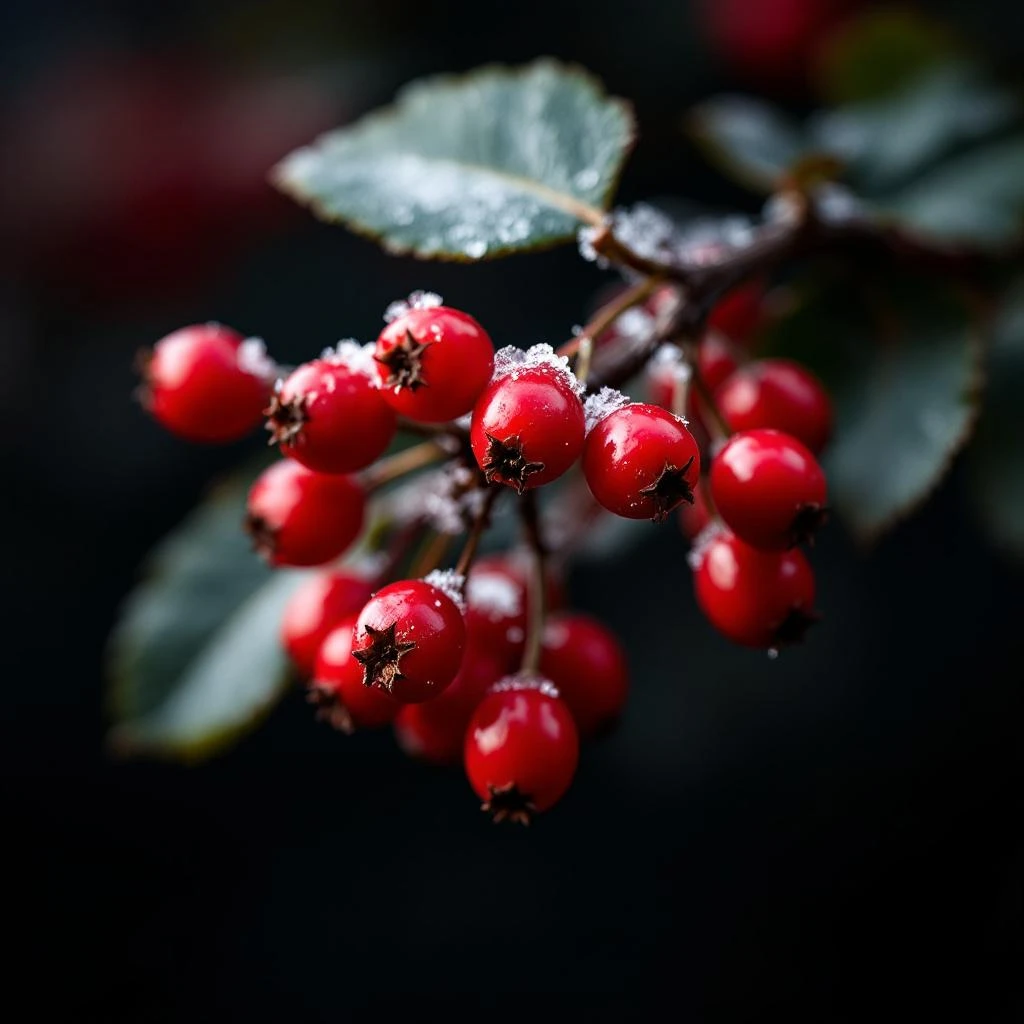
Holly holds deep roots in European winter traditions, predating Christianity in solstice celebrations. Druids revered the evergreen plant as sacred, believing it embodied protective spirits living in the forest. Roman cultures associated holly with Saturnalia, gifting sprigs during mid-winter festivals.
When Christianity spread through Europe, holly became intertwined with Christmas folklore, its red berries symbolizing Christ's blood and spiny leaves representing his crown. The plant's year-round greenness made it a powerful symbol of renewal during the darkest days of winter. Perfumers adopted Holly Berry as a winter note during the 20th century fragrance boom, drawing on these cultural associations to create seasonal fragrances that evoke frost, evergreens, and holiday nostalgia.
Today, the note appears primarily in winter seasonal releases and luxury colognes inspired by northern European landscapes.
Wears it best
Fragrances featuring Holly Berry
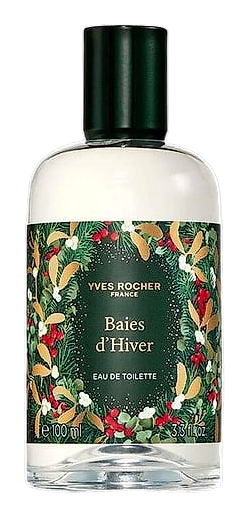
Brands
Brands known for Holly Berry
Good to know
Questions, answered
The essentials on Holly Berry in perfumery: how it smells, where it comes from, and how it behaves on skin.
Is there a natural Holly Berry essential oil?
No. Ilex aquifolium produces no commercially viable fragrance extract. Perfumers create the note synthetically using green leaf alcohols and fruity esters to evoke holly's character.
What does Holly Berry smell like in perfume?
Holly Berry reads as crisp, wintry greenery with subtle tartness. The note combines fresh-cut leaf qualities and faint berry undertones, evoking frost-covered gardens in December.
Why do fragrances use synthetic Holly Berry instead of natural extract?
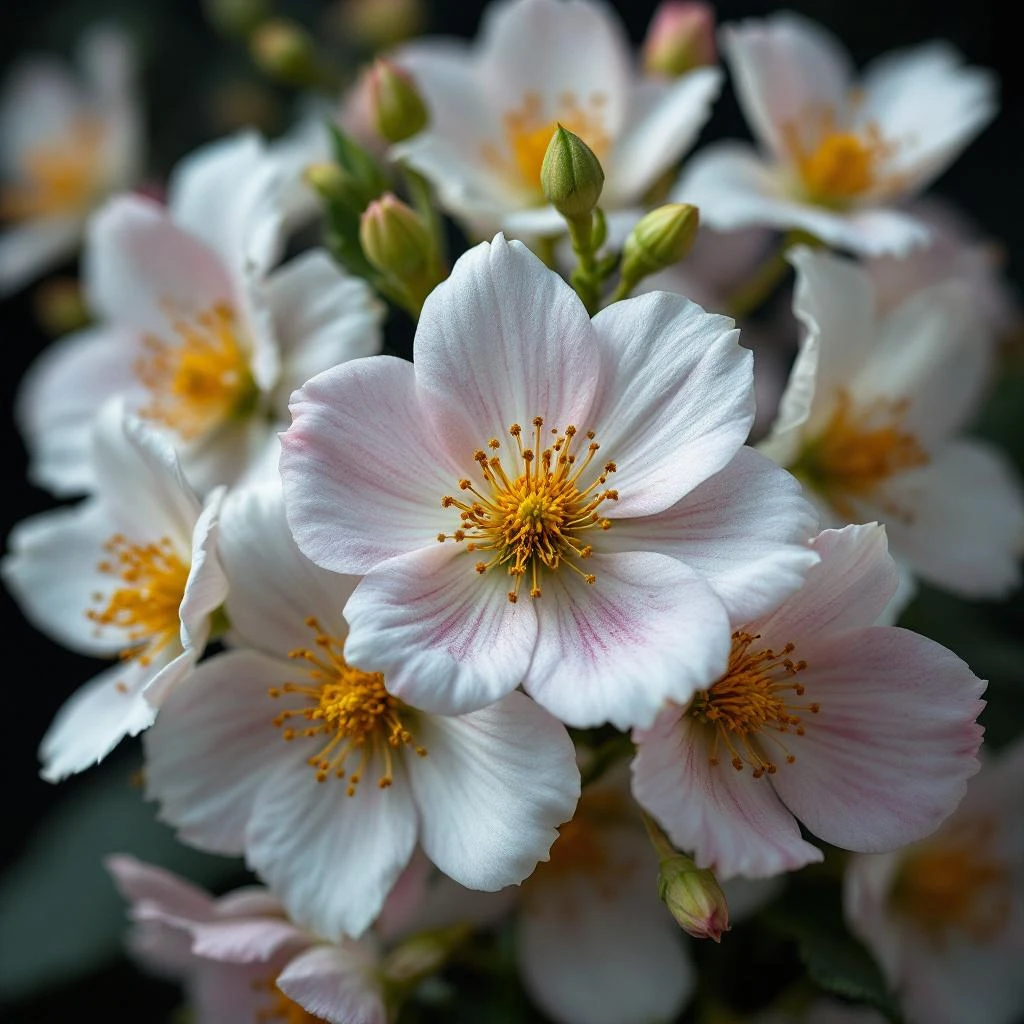
Holly berries contain mild toxins (caffeine, theobromine) that make extraction impractical. The flowers offer only faint green-floral qualities unsuitable for commercial fragrance production.
Which fragrance families commonly feature Holly Berry?
Fruity-chypre and winter fresh colognes frequently incorporate Holly Berry. The note appears most often in seasonal autumn and winter releases, particularly those inspired by northern European landscapes.
What chemicals create the Holly Berry scent?
Perfumers blend cis-3-hexenol (green leaf note), fruity esters like isoamyl acetate, and subtle bitter components to approximate holly's natural fragrance profile.
Is Holly Berry used in luxury or mass-market fragrances?
Holly Berry appears in both market tiers. High-end winter releases use more sophisticated green accords, while mass-market seasonal fragrances employ simpler synthetic representations.
Does Holly Berry have any traditional perfumery uses?
Unlike rose or sandalwood, holly has no historical perfumery tradition. The note emerged in 20th-century seasonal fragrances, capitalizing on winter holiday associations rather than ancient aromatic use.
Can I grow holly for fragrance purposes?
Cultivated holly exists primarily for ornamental and seasonal decoration, not fragrance. French growers supply plant material to research laboratories studying Ilex aquifolium's volatile compounds for perfumery refinement.