Hinoki incense
Hinoki incense distills the serene, slightly camphoraceous soul of Japanese cypress into smoke. For centuries, this sacred wood anchored purification rituals, meditation chambers, and the ritual of Japanese bathing. Today it lends a warm, meditative woodiness to fine fragrances.
Character
How it smells
Resinous, meditative wood from Japan's sacred forests.
Hinoki cypress wood resists decay for centuries because of its natural oils. Japanese shrines like Ise have been rebuilt every 20 years using new timbers from protected forests.





Origin
Japan
Hinoki cypress shaped Japanese civilization from its earliest recorded history. Its naturally rot-resistant wood became the choice material for Shinto shrines, imperial palaces, and sumo wrestling rings. Hinoki forests were so valuable that samurai families protected them as family assets, with the most prized trees reaching usable size only after centuries of growth.
The modern incense industry crystallized in the Edo period when established Japanese companies like Baieido refined Hinoki into the incense stick format. These companies formalized what had long been a sacred practice into a domestic Meditation and purification tool accessible to everyday life.
Wears it best
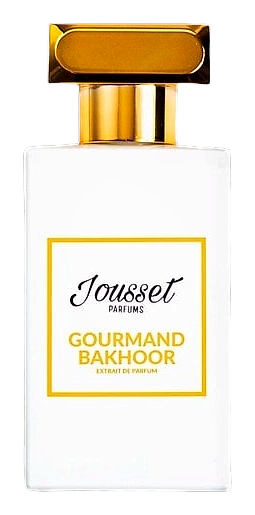
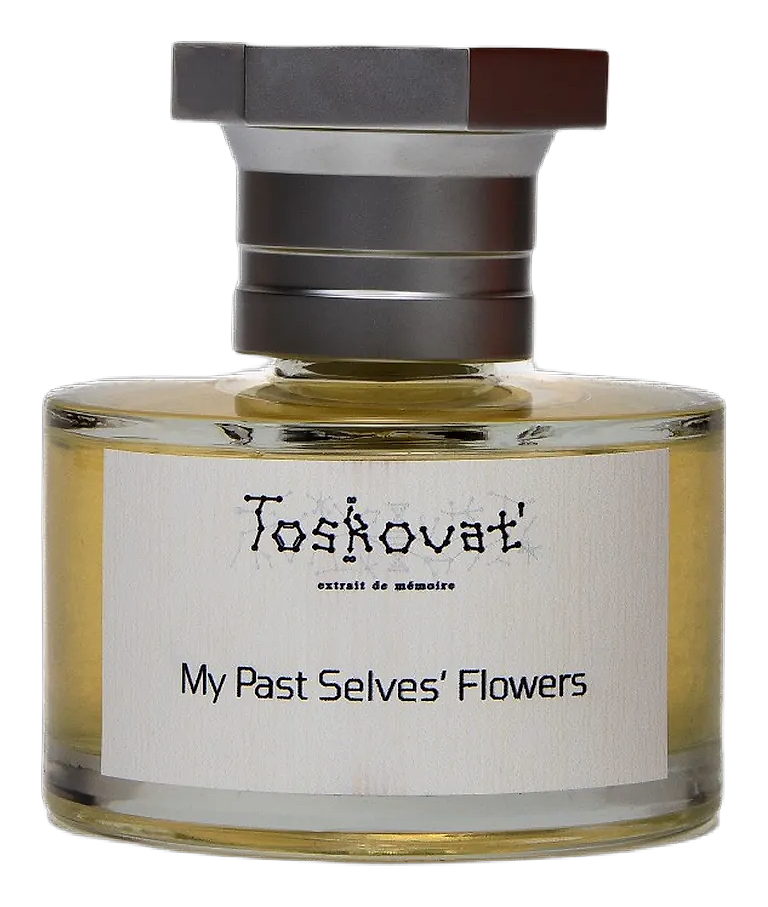
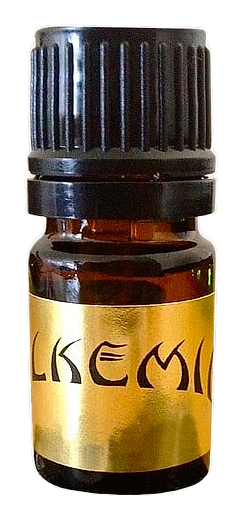
Fragrances featuring Hinoki incense

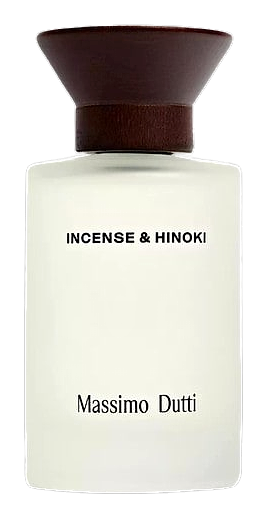
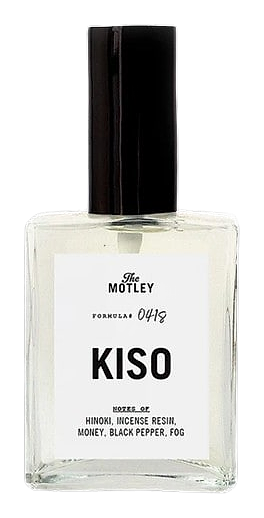
Brands
Brands known for Hinoki incense
Good to know
Questions, answered
The essentials on Hinoki incense in perfumery: how it smells, where it comes from, and how it behaves on skin.
What does Hinoki incense smell like?
Hinoki incense carries a warm, intimate woodiness threaded with camphor and subtle citrus. The smoke reads as clean and meditative rather than smoky, lingering gently as a base note. Its aroma often triggers associations with Japanese cedar baths and forest stillness.
Is Hinoki used as a perfume ingredient today?
Yes. Hinoki cypress extract appears in high-end woody and oriental fragrances as a base note. The ingredient gained wider Western attention after Tom Ford Ombre Leather (2017) and Acqua di Parma Colonia woods (2021) featured notable Hinoki accords in their compositions.
Why is Hinoki significant in Japanese culture?
Hinoki tree has been a sacred pillar of purity and protection in Shinto tradition for over 2,000 years. The wood's natural antimicrobial oils made it ideal for shrine construction and ritual cleansing, qualities that translated directly into its use in incense and fine fragrance.
How does Hinoki differ from other wood ingredients like Cedarwood?
Hinoki reads less dry and pencil-like than Virginian Cedarwood, with a softer, more intimate warmth and a distinctive camphor-medicinal edge. It shares some leathery darkness with Himalayan Cedar but carries a lighter, more meditative forest character.
What compounds give Hinoki its distinctive aroma?
The primary bioactive compounds are hinokiol and related diterpenes present in the heartwood. The critical ratio of sesquiterpenes to sesquiterpene alcohols determines whether the oil develops a creamy, balsamic quality or a sharper, more medicinal character.
Can Hinoki incense be used every day, or is it ceremonial?
Everyday use is traditional and common. Japanese monks have burned it during meditation for centuries, and many households still burn Hinoki sticks daily for purification and atmosphere rather than exclusively for ritual observance.
Where does high-quality Hinoki oil come from?
The finest material historically grows in the Kiso Valley and Yoshino regions of Japan, where slow-growing trees in mineral-rich mountain soil develop exceptionally aromatic heartwood. These areas supply premium ingredients to major fragrance houses.
Is Hinoki essential oil sustainable to produce?
Steam distillation of Hinoki wood chips repurposes what would otherwise be forestry waste, making it relatively sustainable. Ethical producers source wood from managed forests or salvage operations rather than harvesting ancient trees. Always check supplier certifications for wood origin.