Himalayan salt
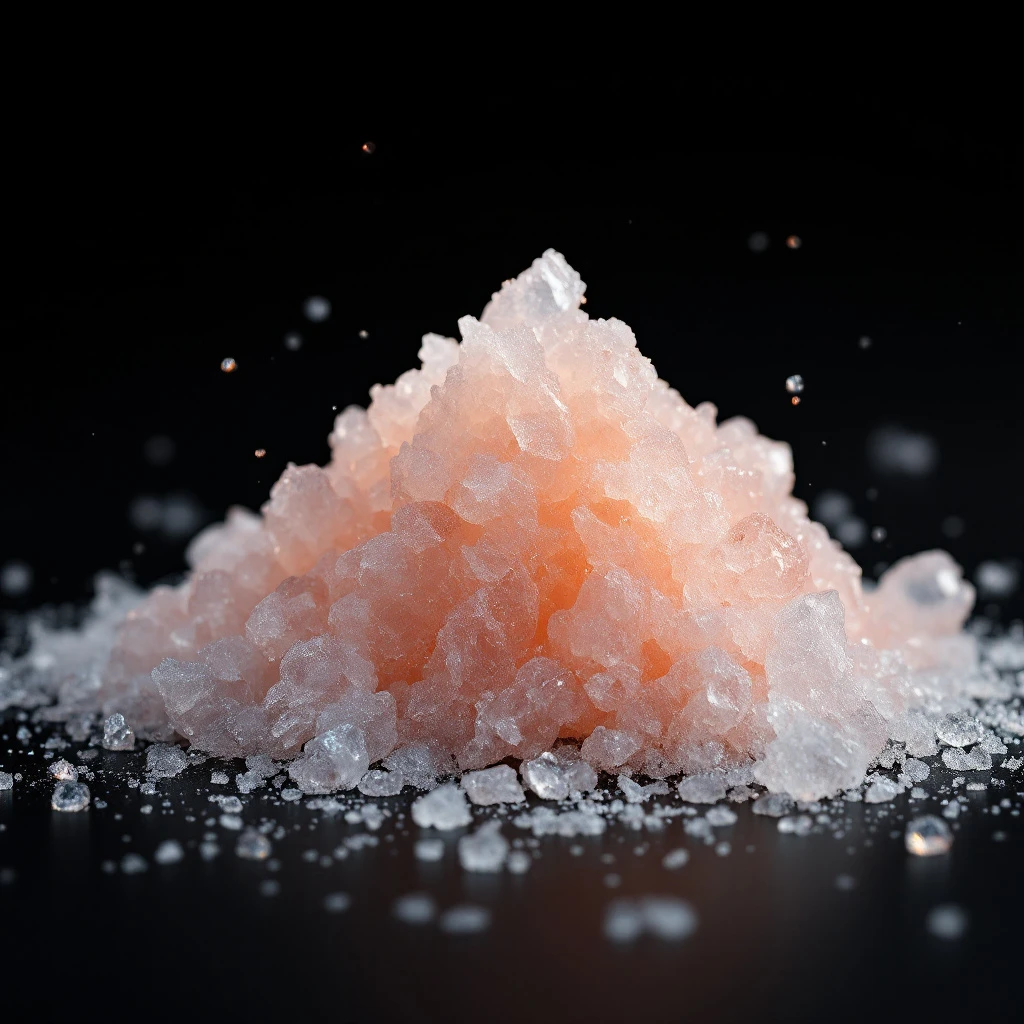
Raw mineral salt from ancient deposits, prized in perfumery for its fixative properties. Himalayan salt tempers sharpness and anchors volatile aroma compounds, creating fragrances that linger with crystalline precision.
Character
How it smells
Nature's fixative: mineral clarity in every note
Salt was so prized in ancient Egypt that it was exchanged weight-for-weight with gold in certain trade negotiations.






Origin
Pakistan
Salt's role in fragrance extends far deeper than Himalayan salt's relatively recent commercial emergence. Ancient Mesopotamians combined salt with aromatic resins to create unguents that resisted rapid evaporation.
Egyptian perfumers document salt's inclusion in kyphi, a sacred incense compound used in temple rituals and royal ceremonies around 1500 BCE. The Persians and Arabs refined these techniques, discovering that mineral compounds extended fragrance wear time on skin.
When British colonial geologists documented the Khewra deposits in the 19th century, they noted local populations already used the pink crystals for medicinal and cosmetic purposes. The fragrance industry adopted Himalayan salt as a specialty fixative during the late 20th century, though salt itself has maintained unbroken use in perfumery for over three millennia.
Wears it best
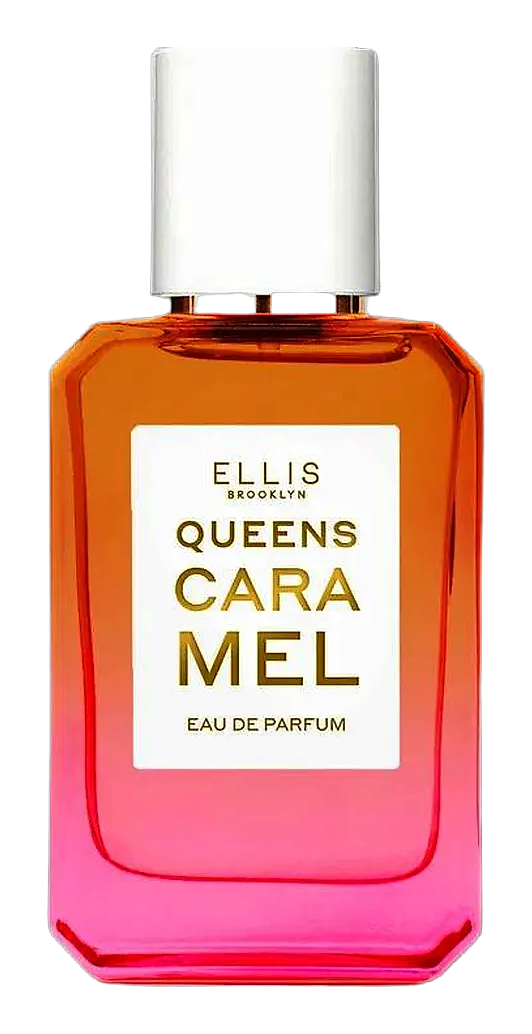
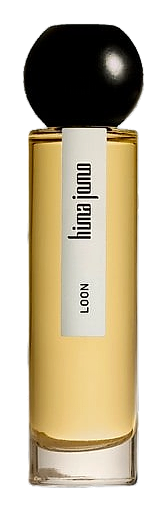
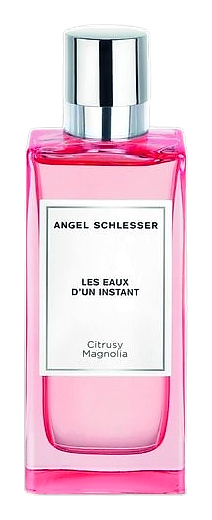
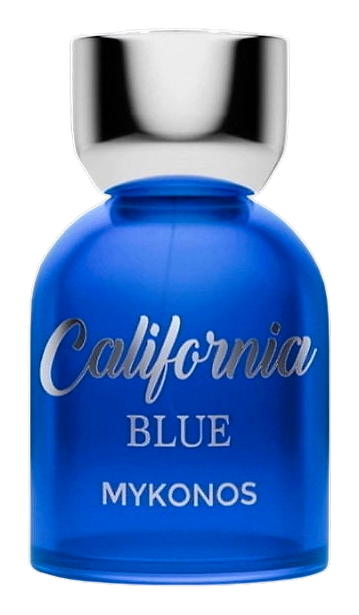
Fragrances featuring Himalayan salt
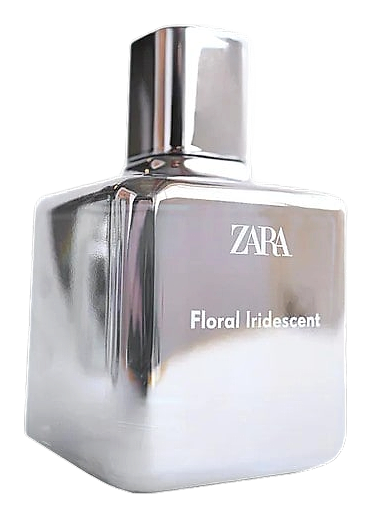
Brands
Brands known for Himalayan salt
Good to know
Questions, answered
The essentials on Himalayan salt in perfumery: how it smells, where it comes from, and how it behaves on skin.
What does Himalayan salt contribute to a fragrance?
It acts as a fixative, slowing the evaporation of lighter aromatic compounds and adding a subtle mineral warmth to the dry-down phase.
Is Himalayan salt a smelling ingredient in perfume?
It has minimal direct aroma but enhances other notes. Its primary function is structural—it helps the fragrance remain detectable on skin for hours longer.
Where does the pink color come from?
Trace iron oxide deposits within the crystal lattice create the distinctive rose-pink coloration. Deeper mining depths yield more intensely colored crystals.
Can Himalayan salt cause skin irritation?
High-purity pharmaceutical-grade Himalayan salt is generally well-tolerated. Individuals with compromised skin barriers or specific mineral sensitivities should test products first.
How much Himalayan salt appears in a typical fragrance formula?
Concentrations rarely exceed 2-5% in most formulations. As a fixative rather than a primary note, even small percentages meaningfully extend fragrance longevity.
What fragrance families commonly use Himalayan salt?
It appears frequently in oriental, woody, and marine compositions where mineral depth complements aquatic or amber base notes.
Does the origin of Himalayan salt affect its perfumery properties?
The Khewra mines in Pakistan remain the primary source. Crystal structure and mineral density vary by deposit depth, influencing effectiveness as a fixative agent.
How does Himalayan salt interact with alcohol-based fragrances versus oil-based ones?
In alcohol, it disperses as fine particles contributing subtle texture. In oil bases, it dissolves partially, creating a slightly saline undertone that grounds sweeter components.