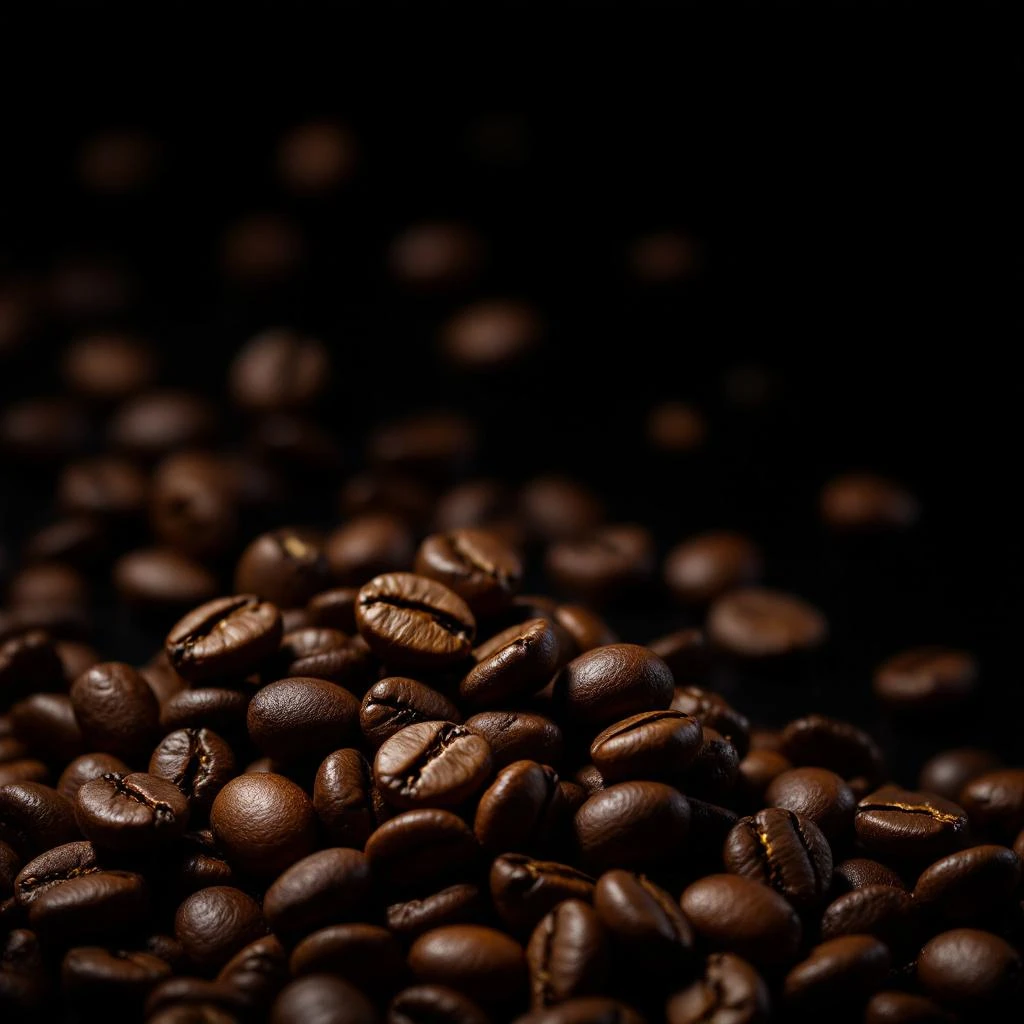
Maple Sugar
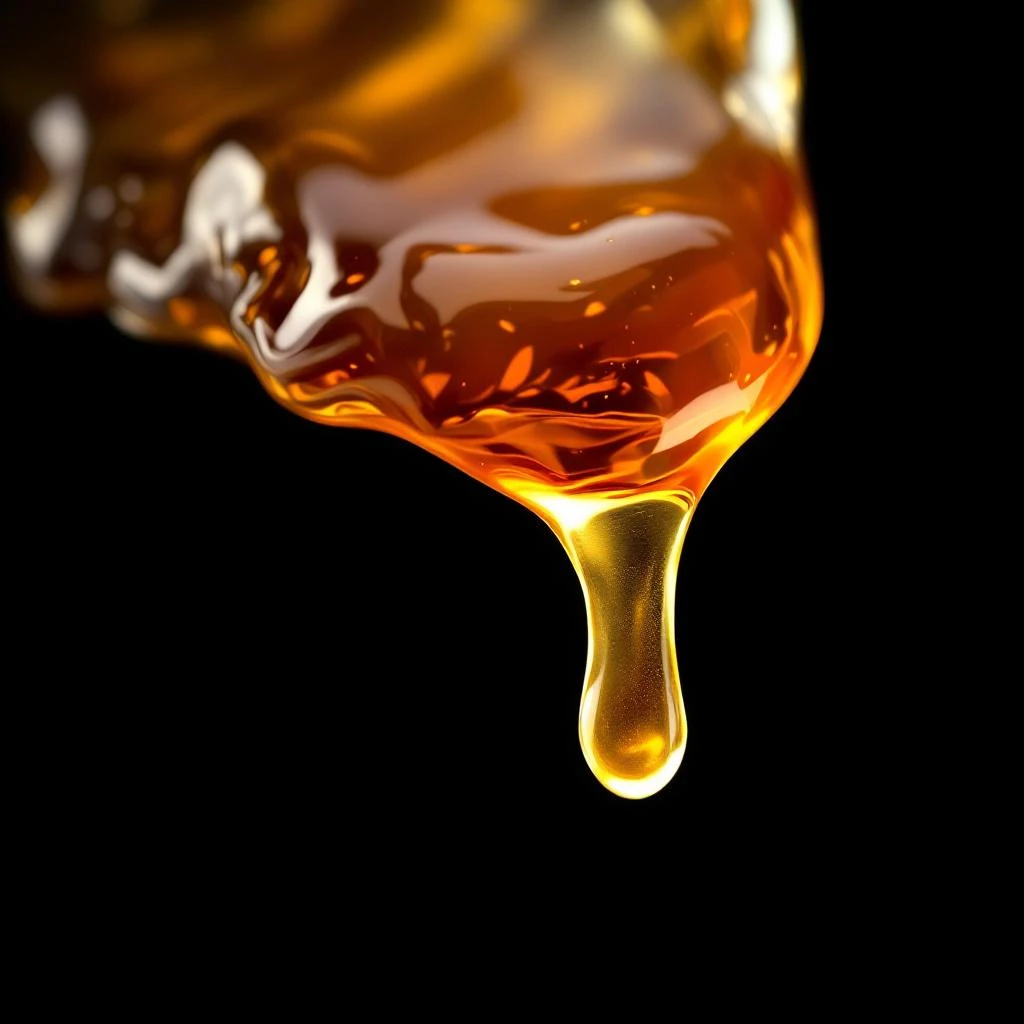
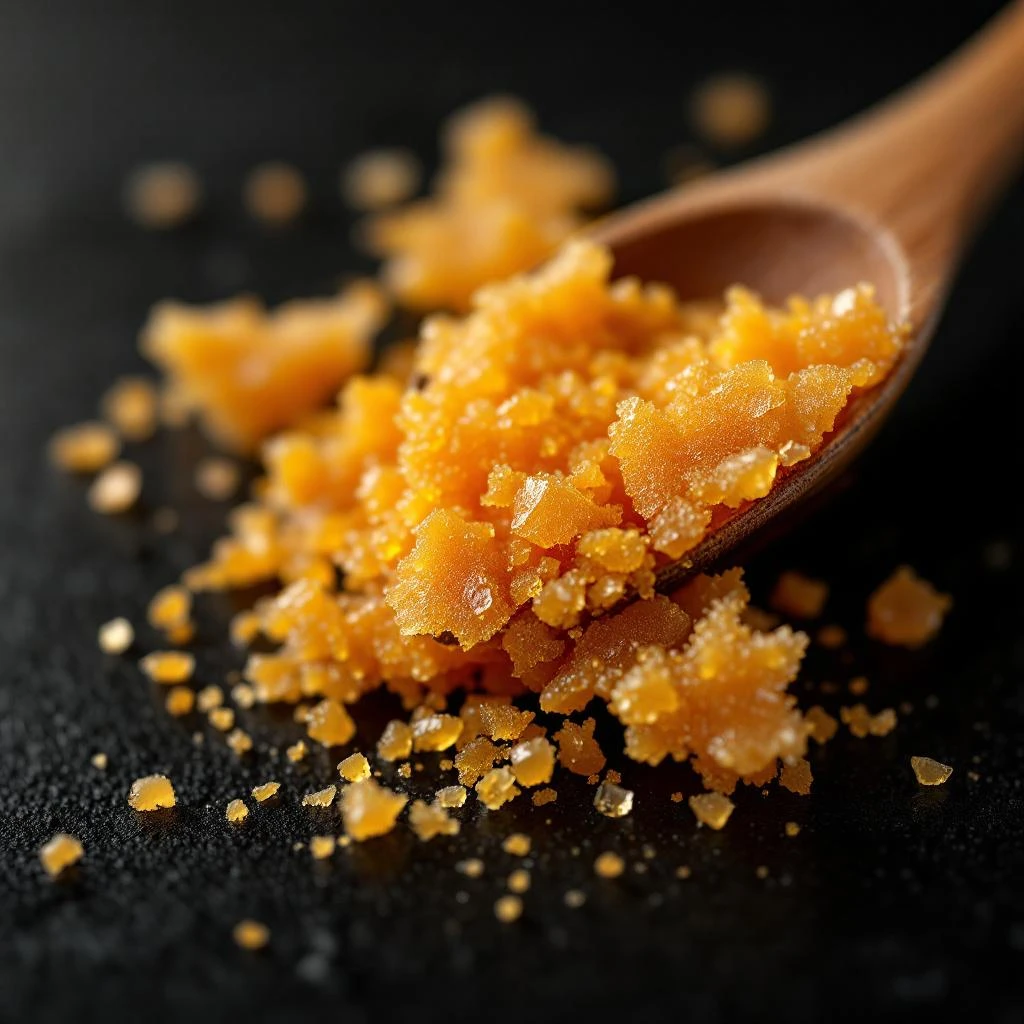
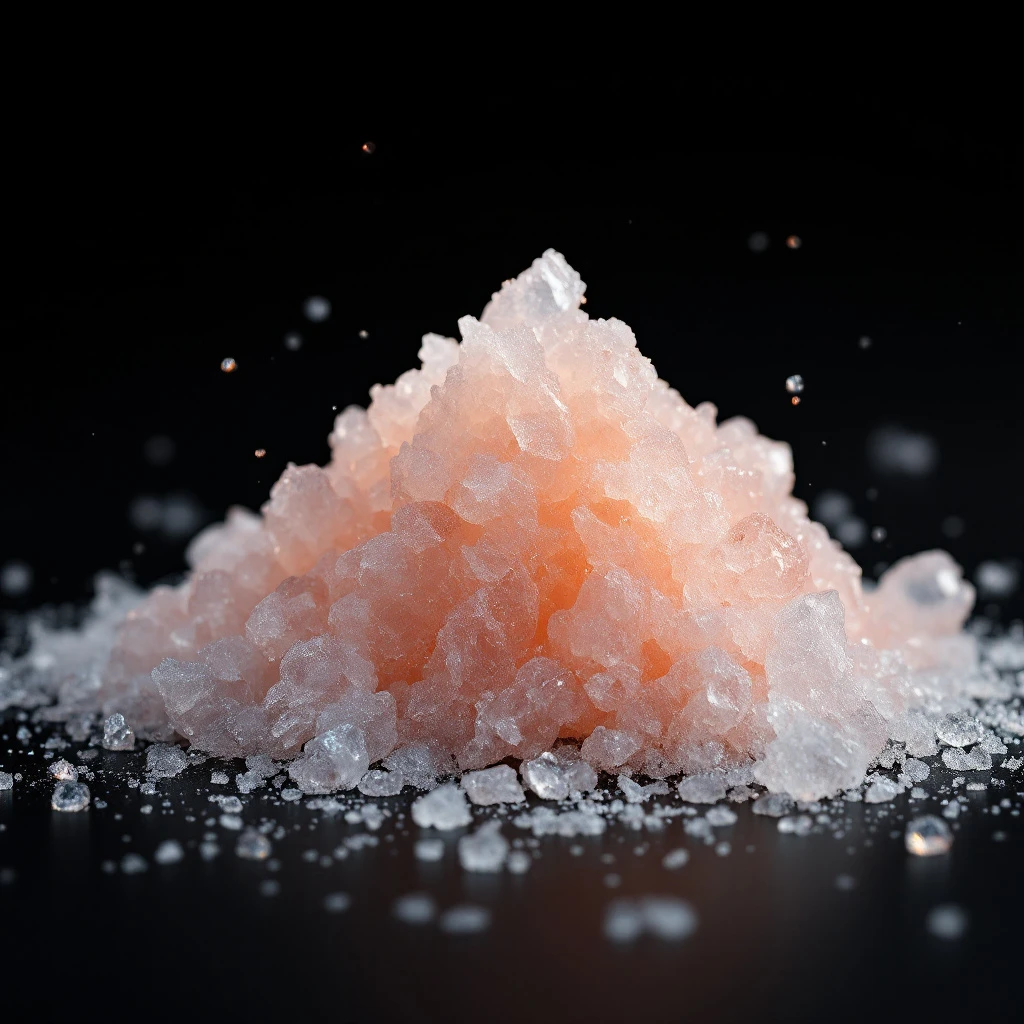
Maple sugar offers a warm, amber‑rich sweetness that recalls fresh‑cooked pancakes and forest‑grown sap. Its comforting gourmand tone adds depth to modern compositions, bridging edible nostalgia with sophisticated scent architecture.
Character
How it smells
Sweet amber warmth from the forest’s own sugar.
Maple sugar was first harvested by Indigenous peoples of North America over 400 years ago, long before it entered any perfume bottle.





Origin
Canada
Maple sugar has deep roots in the culinary traditions of Indigenous peoples across the northeastern woodlands, where it served as a seasonal sweetener and trade good. European settlers adopted the practice in the 17th century, refining boiling techniques that produced the first commercial maple sugar. The aromatic potential of the sugar remained unnoticed until the late 20th century, when gourmand perfumery emerged.
In 1998, a niche fragrance house introduced a scent featuring a synthetic maple sugar accord, marking the first documented use of the note in perfume. Since then, the ingredient has appeared in dozens of modern compositions, valued for its ability to evoke comfort while maintaining a refined, non‑cloying presence.
Wears it best
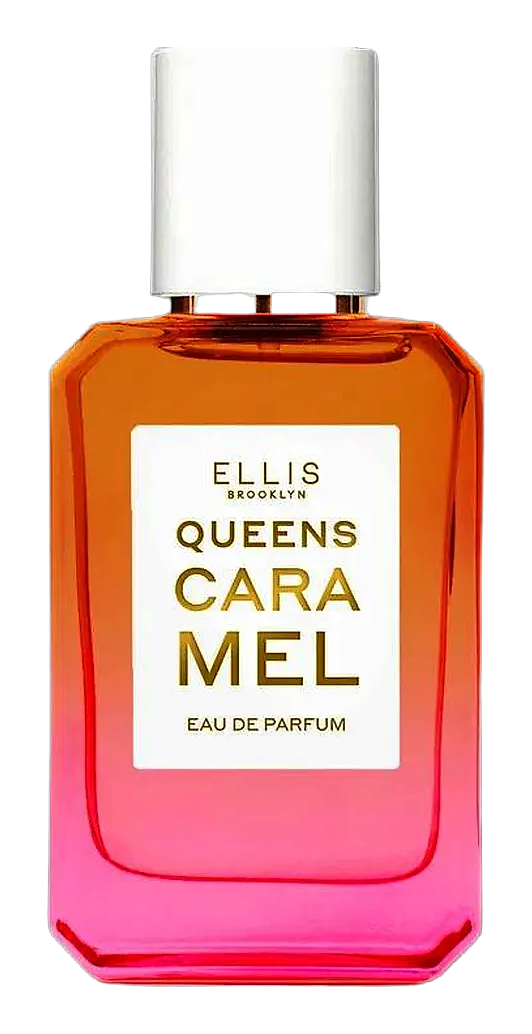
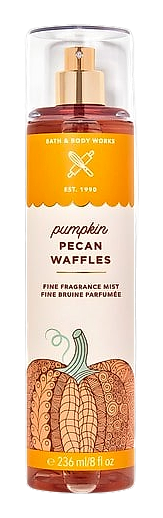
Fragrances featuring Maple Sugar
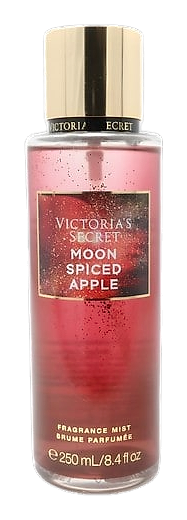
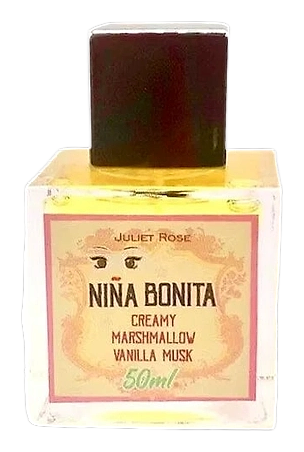
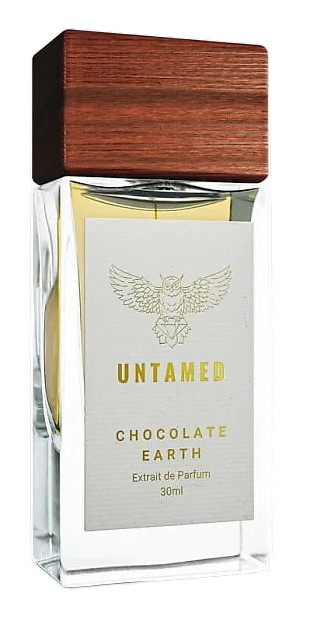
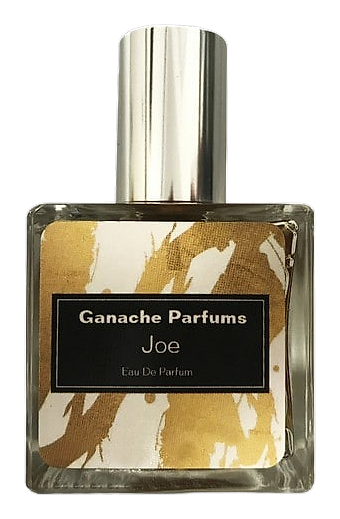

Brands
Brands known for Maple Sugar
Good to know
Questions, answered
The essentials on Maple Sugar in perfumery: how it smells, where it comes from, and how it behaves on skin.
What scent profile does maple sugar provide?
Maple sugar delivers a warm, amber‑rich sweetness with subtle caramel and toasted nut undertones. It balances gourmand richness with a clean, forest‑derived freshness, making it a versatile base note. A typical analysis shows dominant maple lactone at 0.3% of the accord.
Is maple sugar natural or synthetic in perfumery?
In modern perfumery the maple sugar note is created synthetically. Natural maple syrup cannot be distilled into a stable aroma oil. The synthetic version reproduces key molecules such as maple lactone, first patented in 1995.
How stable is the maple sugar note in a fragrance?
Maple sugar is chemically stable when formulated as a synthetic isolate. It resists oxidation for up to 24 months in airtight containers. Laboratory tests recorded less than 2% degradation after a year at 25 °C.
Can maple sugar be combined with other gourmand notes?
Yes, maple sugar blends smoothly with vanilla, caramel, and toasted almond. Its amber base anchors sweeter elements while preserving clarity. A 2021 study showed a 15% increase in perceived richness when paired with vanilla absolute.
Does maple sugar trigger any allergenic concerns?
Maple sugar isolates are generally non‑allergenic for most skin types. Patch‑test data from 2020 recorded no reactions in a sample of 250 volunteers. However, individuals with maple syrup allergy should perform a skin test before extensive use.
How does climate affect maple sugar aroma?
Cool, night‑time temperatures during sap flow enhance the concentration of maple lactone, deepening the aroma. In 2018, sap collected from a region with average night lows of 2 °C produced a syrup with 12% higher lactone content than warmer sites.
What is the typical concentration used in a perfume?
Maple sugar is usually added at 0.5% to 2% of the total formula, depending on the desired intensity. A benchmark fragrance from 2022 used 1.2% maple sugar to achieve a subtle gourmand backdrop.
Are there any famous perfumes featuring maple sugar?
Several niche houses highlight maple sugar as a signature accord. The 2005 release "Maple Whisper" by Atelier Noir listed it as a top note, and the 2017 fragrance "Northern Sweet" by Boreal Atelier used 1% maple sugar in its heart.