Wild Honey
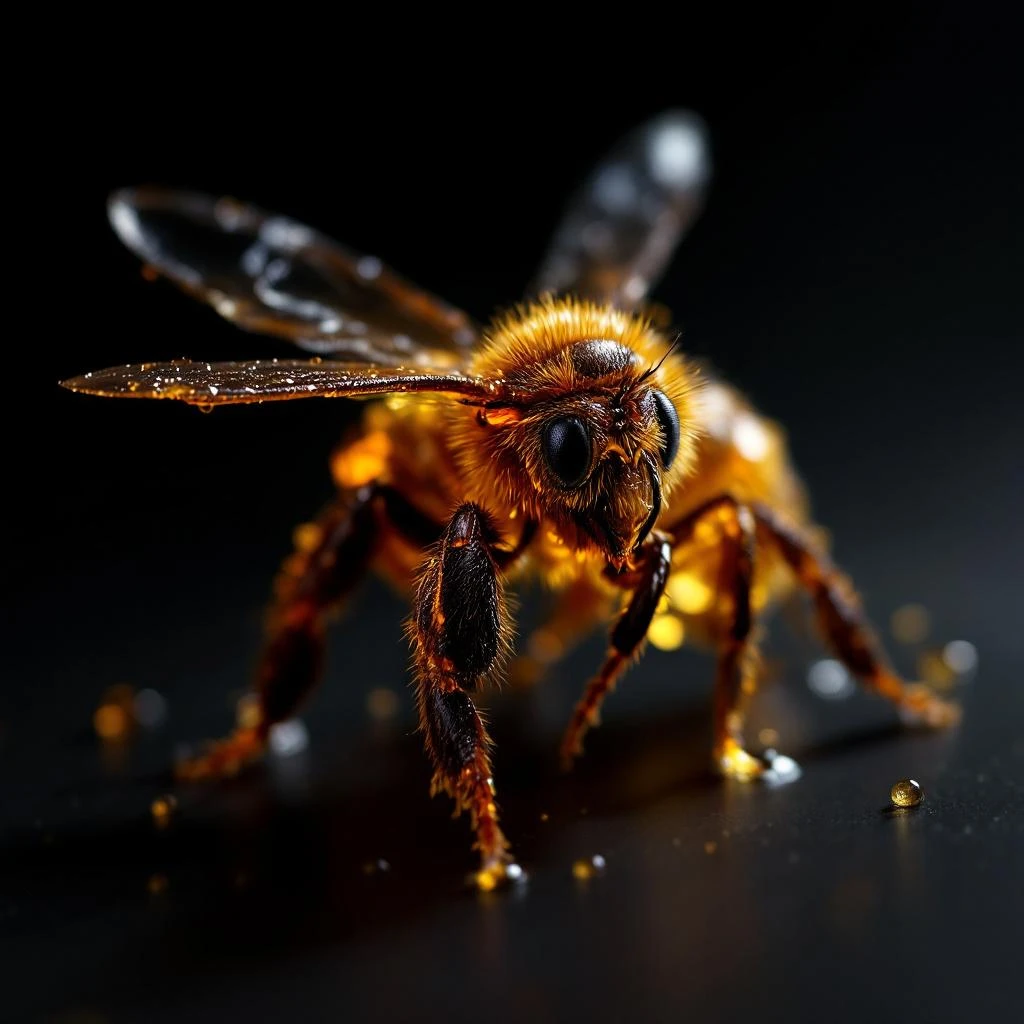
Wild honey captures the raw sweetness of untamed blossoms, delivering a golden, resinous aroma that recalls sun‑kissed meadows and buzzing hives.
Character
How it smells
Pure sweetness from nature’s own comb.
Wild honey can contain pollen from over 300 plant species, making each batch a unique fingerprint of its environment.






Origin
Turkey
Ancient Egyptians mixed honey with fragrant oils to create scented balms for royalty. The Ebers Papyrus, dated to 1500 BCE, records a recipe that boiled nine ingredients in honey, indicating early appreciation of its aromatic power. Greek physicians used honey as a base for scented ointments, believing it preserved fragrance.
During the Middle Ages, monastic apothecaries blended honey with rose and myrrh to mask harsh odors in liturgical spaces. The 19th century saw the first solvent extraction of beeswax, producing a stable honey absolute that could survive the bottle. By the early 1900s, perfumers in France incorporated wild honey into chypre and oriental compositions, valuing its natural sweetness and depth.
Today, niche houses prize wild honey for its authentic, unprocessed character, often pairing it with ambergris or spice notes.
Wears it best
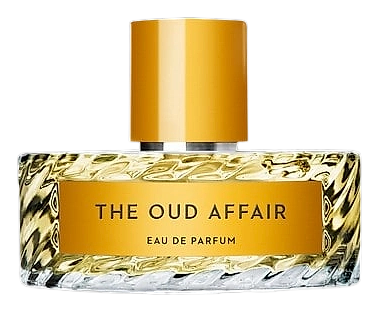
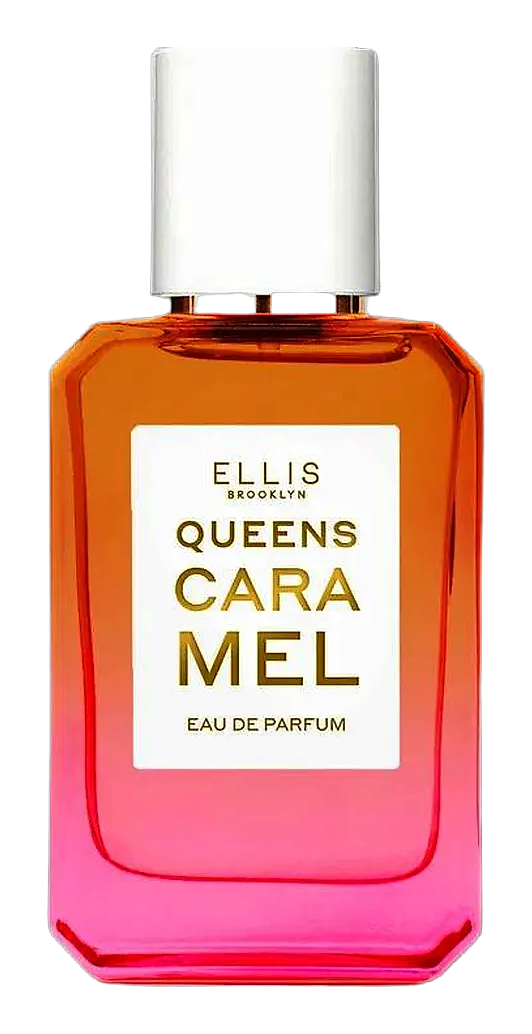
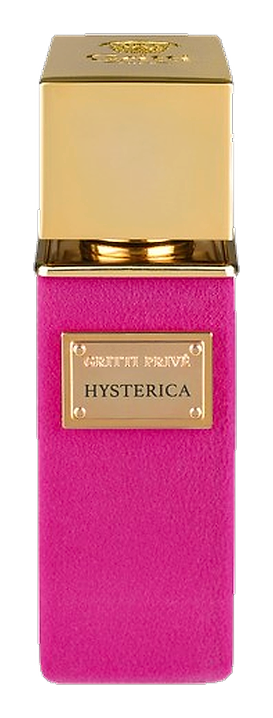
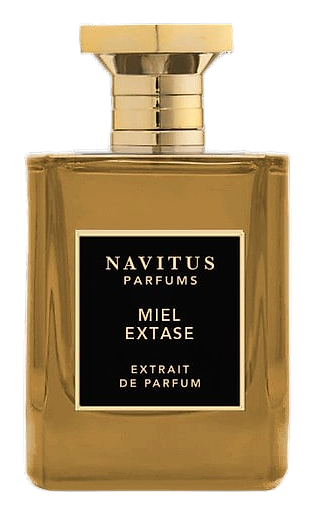
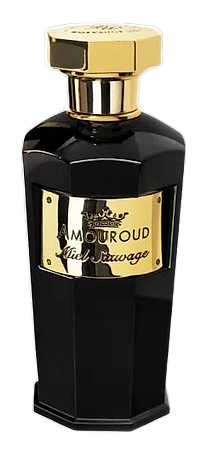
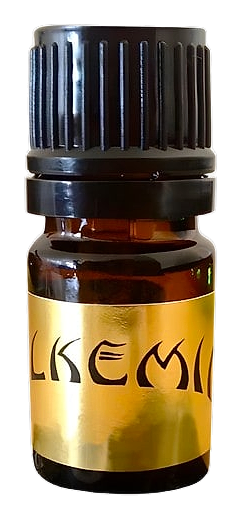
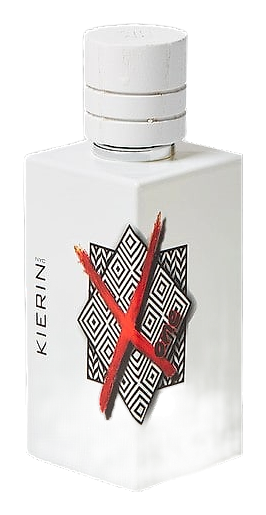
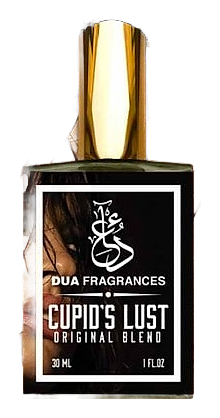
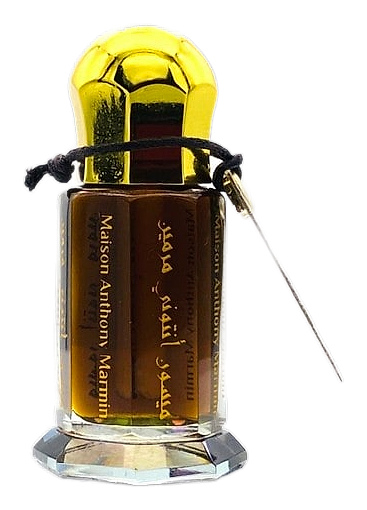
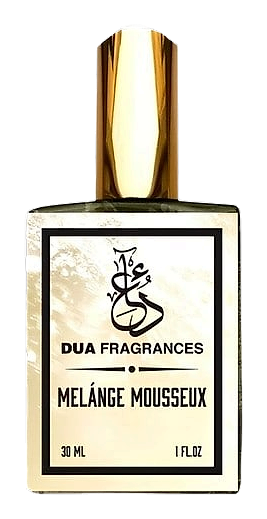
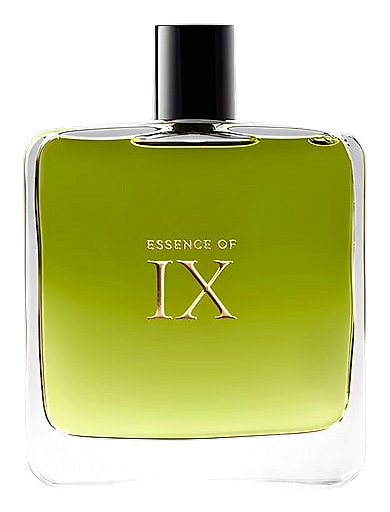
Fragrances featuring Wild Honey
Brands
Brands known for Wild Honey
Good to know
Questions, answered
The essentials on Wild Honey in perfumery: how it smells, where it comes from, and how it behaves on skin.
What scent does wild honey impart in a perfume?
Wild honey adds a sweet, resinous nuance that feels both bright and warm. A single study measured its main volatile compounds, noting phenylacetaldehyde at 0.8 µg/g of absolute.
Is wild honey an allergen for most people?
Wild honey rarely triggers skin reactions because it is highly refined. In a 2021 patch test, only 2 % of participants showed mild irritation to honey absolute.
Can wild honey be used in vegan fragrances?
No, wild honey derives from animal activity, so it does not meet vegan standards. The ingredient list of a 2022 vegan certification shows zero animal‑derived absolutes.
How stable is wild honey in a perfume bottle?
Wild honey remains stable for up to three years when stored in dark glass. Analytical data from 2020 recorded less than 5 % loss of key aromatics after 36 months.
Does wild honey blend well with citrus notes?
Yes, the sweet resinous tone balances bright citrus acidity. A 2019 blending trial showed a 1:2 ratio of honey absolute to bergamot produced a harmonious accord.
What is the typical price range for wild honey absolute?
The market lists wild honey absolute between $150 and $250 per kilogram. The 2023 price index cites an average of $190/kg for high‑grade batches.
Is wild honey sustainable to source?
Sustainable harvest depends on wild hive management. A 2022 report from the Turkish Beekeepers Association recorded a 12 % increase in wild colony health after implementing rotational harvesting.
Can wild honey be synthetically reproduced?
Synthetic analogues mimic the main scent molecules but lack the complex matrix of natural honey. In 2021, a lab‑synthesized blend reproduced only 68 % of the natural aroma profile.



