Himalayan Blue Poppy
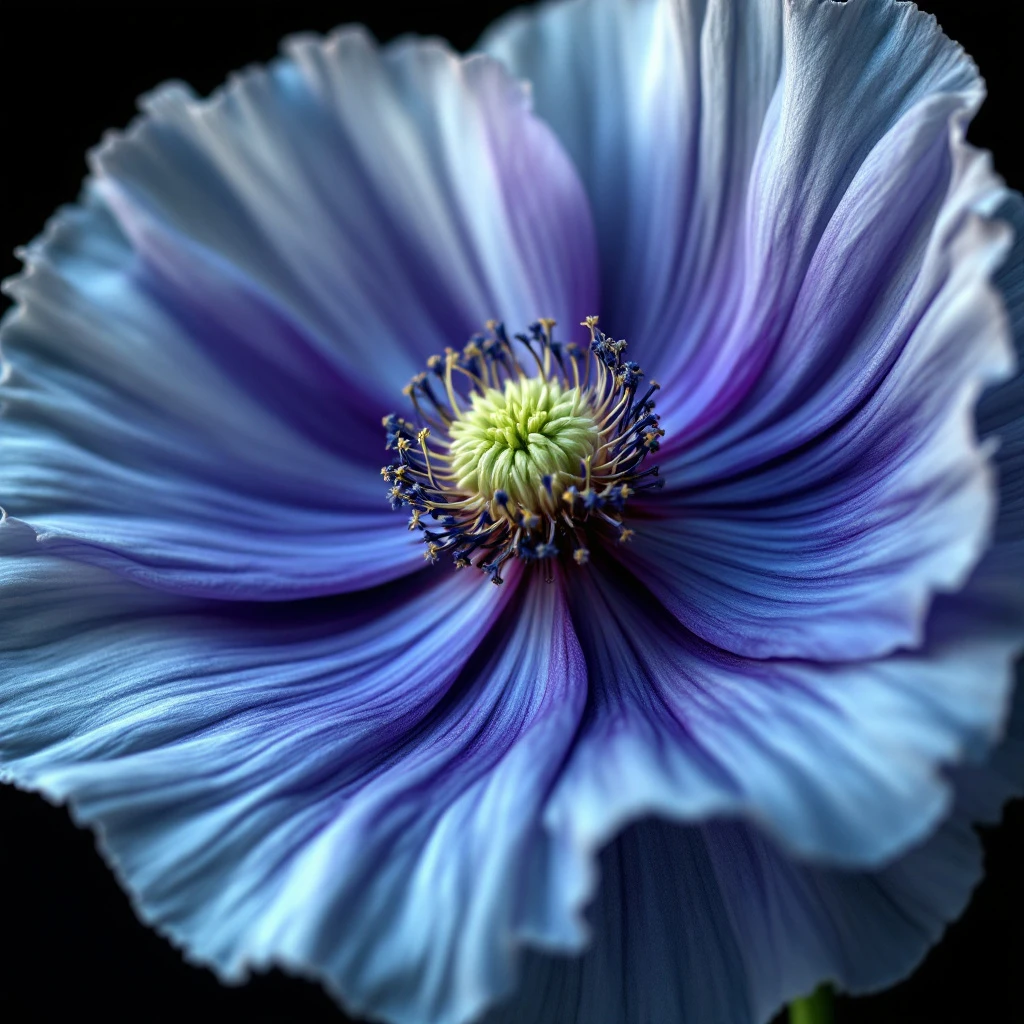
The Himalayan Blue Poppy captures the rare sky-blue hue of high-altitude meadows where few flowers dare to bloom. Bhutan reveres this flower as its national symbol, and perfumers prize its fleeting, ethereal character.
Character
How it smells
Rare sky-blue blooms from the roof of the world.
Botanists re-identified Bhutan's national flower as an entirely new species in 2021.
Pairs beautifully with

Origin
Bhutan
British botanist Francis Kingdon-Ward introduced Meconopsis to Western horticulture during his 1912 Tibet expedition. The flower's introduction sparked immediate fascination among botanical collectors seeking the elusive true-blue tones absent from most flowering plants. Bhutan has long held the poppy as its national emblem, celebrating its representation of harmony between land and sky.
A 2021 botanical reclassification confirmed Bhutan's specimen as a distinct species, reinforcing its cultural and scientific significance. While the flower's fragility limits its role in perfumery, its image and symbolic resonance continue influencing fragrance marketing and design narratives across the industry.
Wears it best
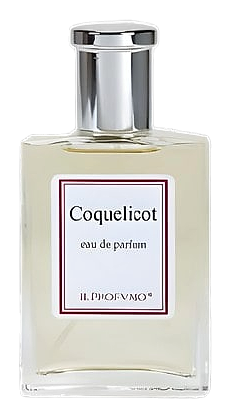
Fragrances featuring Himalayan Blue Poppy
Brands
Brands known for Himalayan Blue Poppy
Good to know
Questions, answered
The essentials on Himalayan Blue Poppy in perfumery: how it smells, where it comes from, and how it behaves on skin.
Is Himalayan Blue Poppy a real perfumery ingredient?
Natural blue poppy absolute exists but remains extraordinarily rare in commercial fragrances. Most products featuring this note rely on synthetic aromatics that recreate its fresh, green-floral character. The natural material commands premium prices due to minimal yields from high-altitude sourcing.
Where does Himalayan Blue Poppy grow?
The flower thrives above 3,500 meters elevation in Bhutan, Tibet, and China's Yunnan province. Bhutan's government protects it as a national symbol, and recent botanical surveys confirmed unique regional varieties found nowhere else on Earth.
What gives blue poppy its distinctive color?
The rare sky-blue pigmentation comes from delphinidin-based anthocyanins, pigments that produce blue tones in flowers. Scientists study these compounds to understand how plants generate true-blue colors, which remain uncommon in the plant kingdom.





