Hibiscus absolute
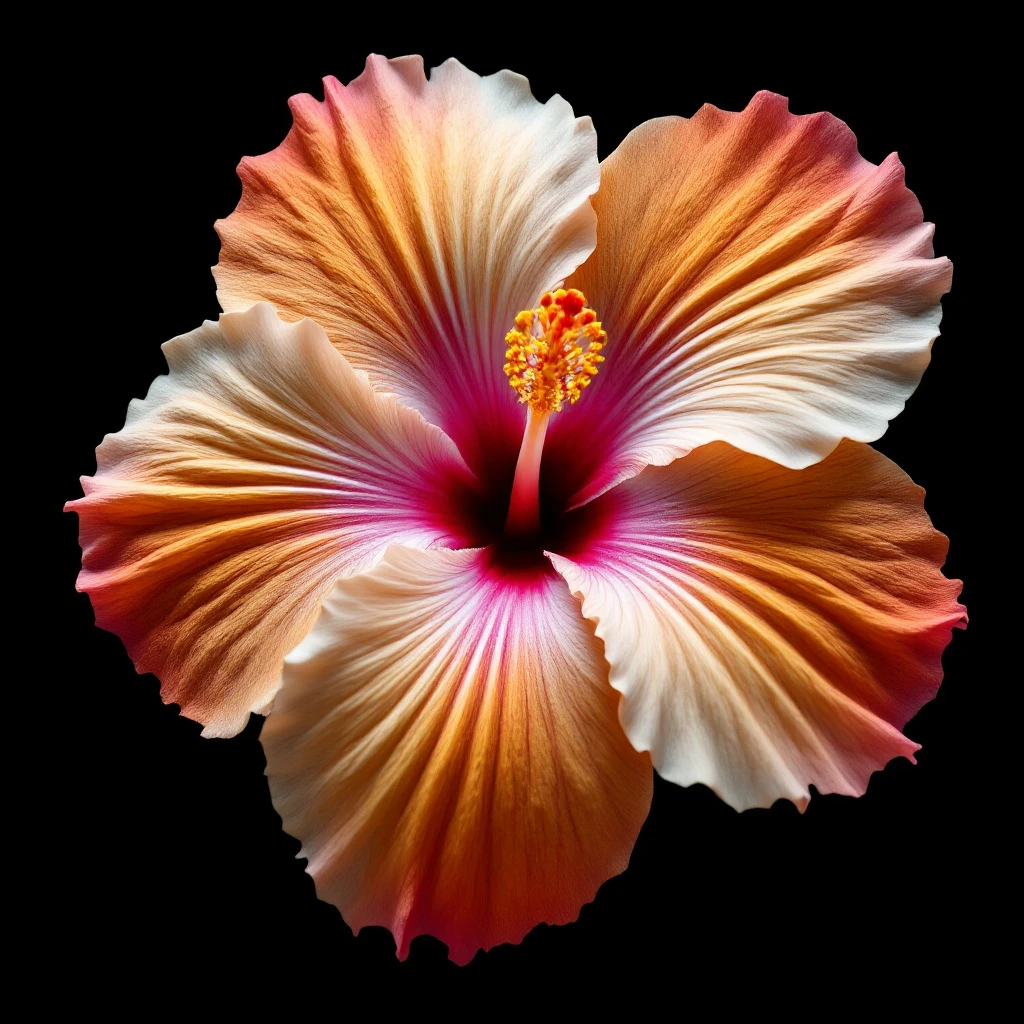
Hibiscus absolute captures the lush, dewy heart of tropical blooms with a vibrant sweetness rarely found in florals. This rare extraction delivers an intoxicating floralcy that bridges garden freshness and sensual warmth.
Character
How it smells
Tropical floral with sun-kissed sweetness
It takes approximately 1,000 kilograms of hibiscus petals to yield just 1 kilogram of absolute, making it one of the rarest floral extracts in perfumery.






Origin
India
Hibiscus has scented gardens across tropical Asia, Africa, and the Pacific for thousands of years, featuring prominently in traditional ceremonies and medicinal preparations. Ancient Egyptians prepared hibiscus beverages that later became the hibiscus tea still consumed along the Nile. The hibiscus connection to perfumery runs deeper through the ambrette seed (Abelmoschus moschatus, formerly classified as Hibiscus abelmoschus), a cousin species that provided perfumers with a precious vegetable musk since medieval Arabic perfumery traditions.
Western perfumers first encountered hibiscus as a fragrance material through trade routes linking India and Arabia, where the flower's lush scent appeared in attars and sacred oils. Natural hibiscus absolute emerged as a sought-after material only in the twentieth century as solvent extraction technology advanced beyond steam distillation's limitations for delicate floral tissues.
Wears it best
Fragrances featuring Hibiscus absolute
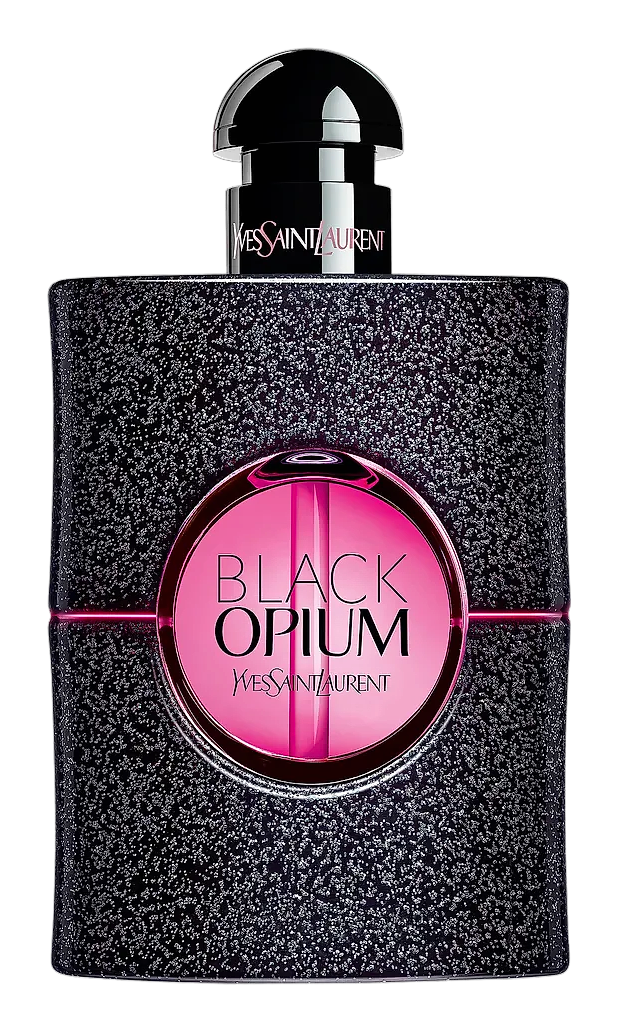
Brands
Brands known for Hibiscus absolute
Good to know
Questions, answered
The essentials on Hibiscus absolute in perfumery: how it smells, where it comes from, and how it behaves on skin.
What does hibiscus absolute smell like?
Hibiscus absolute delivers a vivid tropical floral scent with sweet, slightly tart fruitiness reminiscent of ripe berries. It carries green, dewy undertones that evoke morning-blooming flowers. The overall impression is lush, feminine, and distinctly tropical.
Is hibiscus absolute natural or synthetic?
Hibiscus absolute exists as a natural botanical extract, though it remains scarce. Most commercial hibiscus fragrance in perfumes comes from aroma chemicals that accurately reproduce its scent profile at scale.
What perfumes feature hibiscus absolute?
Hibiscus absolute appears in numerous niche fragrances that highlight tropical florals. It pairs exceptionally well with other tropical notes like椰子, ylang-ylang, and frangipani. High-end floral perfumes targeting the garden-fresh, just-picked flower aesthetic commonly include it.
Why is hibiscus absolute so expensive?
Hibiscus petals contain exceptionally low aromatic oil content, requiring approximately 1,000 kilograms of fresh petals to produce a single kilogram of absolute. This unfavorable yield-to-material ratio drives prices that rival or exceed even rose and jasmine absolutes.
How is hibiscus absolute different from hibiscus tea?
Hibiscus tea comes from Hibiscus sabdariffa calyces (the fleshy red sepals), not the petals. The calyces produce a tart, cranberry-like beverage. Hibiscus absolute derives from flower petals and captures the sweet, floral headspace rather than the acidic flavor compounds.
What extraction process creates hibiscus absolute?
Solvent extraction produces hibiscus absolute. Fresh petals are soaked in food-grade solvent, creating a waxy concrete. This concrete dissolves in ethanol, which separates and concentrates the aromatic molecules while removing non-aromatic waxes.
Does hibiscus absolute contain allergens?
Like most natural floral absolutes, hibiscus absolute may contain trace aromatic compounds that function as allergens for sensitive individuals. EU cosmetic regulations require disclosure of specific fragrance allergens present above threshold concentrations.
Can hibiscus absolute be replicated synthetically?
Modern aromatics can approximate hibiscus scent through combinations of phenylacetaldehyde (sweet floral), damascone derivatives (fruity), and various green accord materials. These reconstructions offer consistency and cost advantages while capturing the character of natural hibiscus.