Herbal
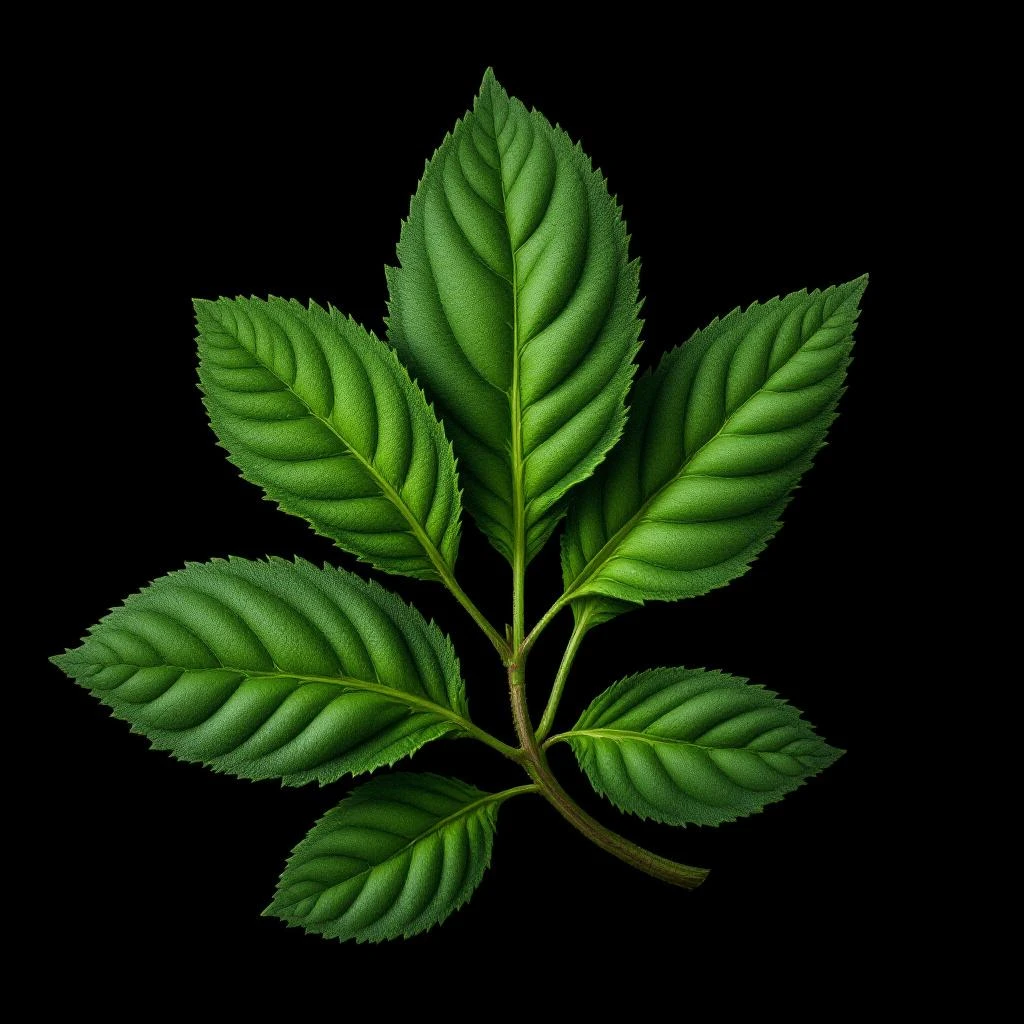
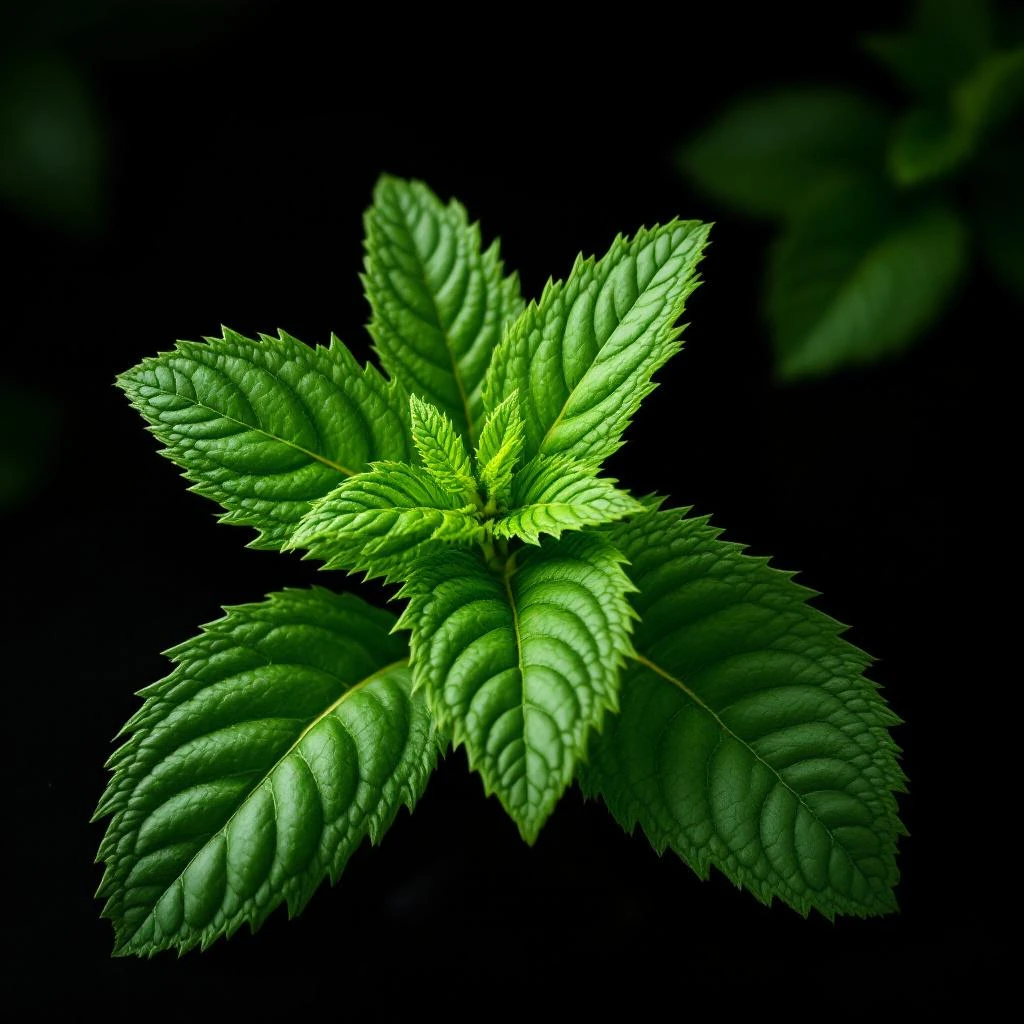
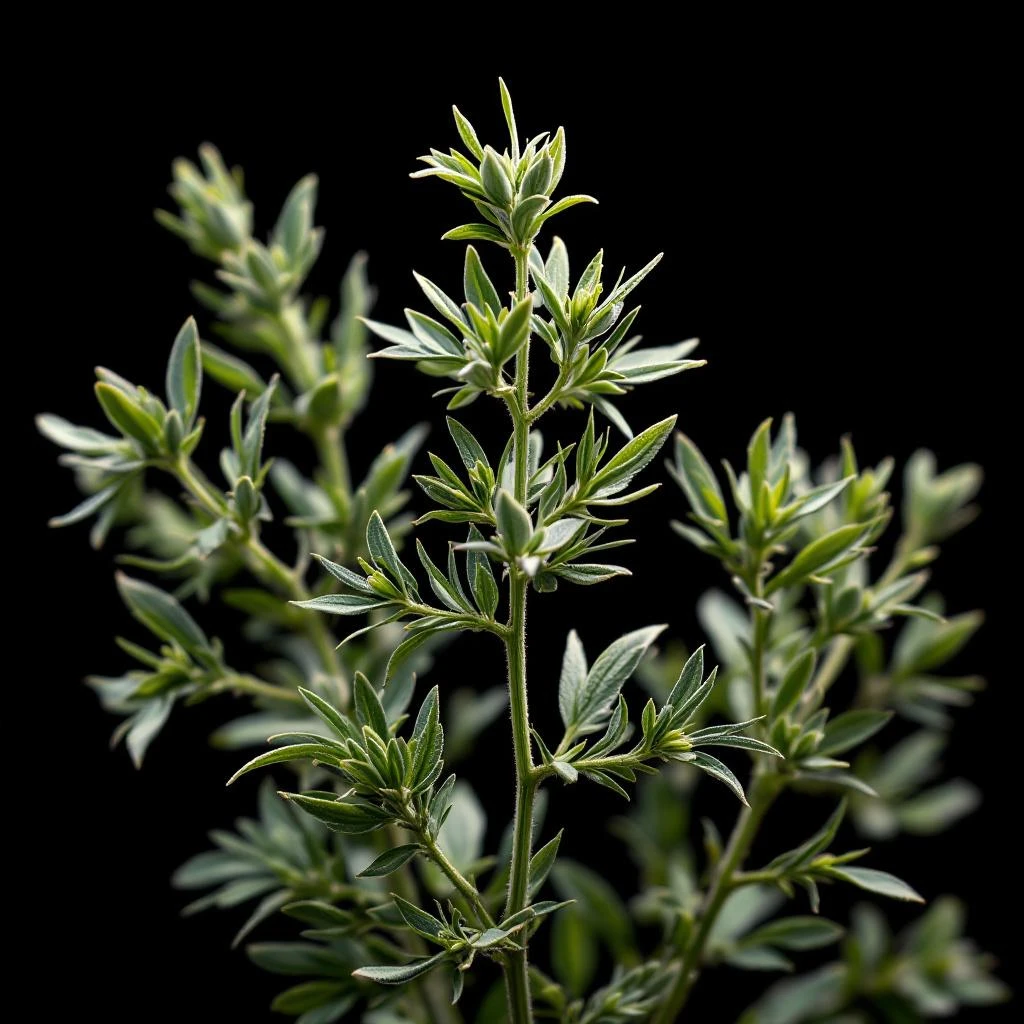
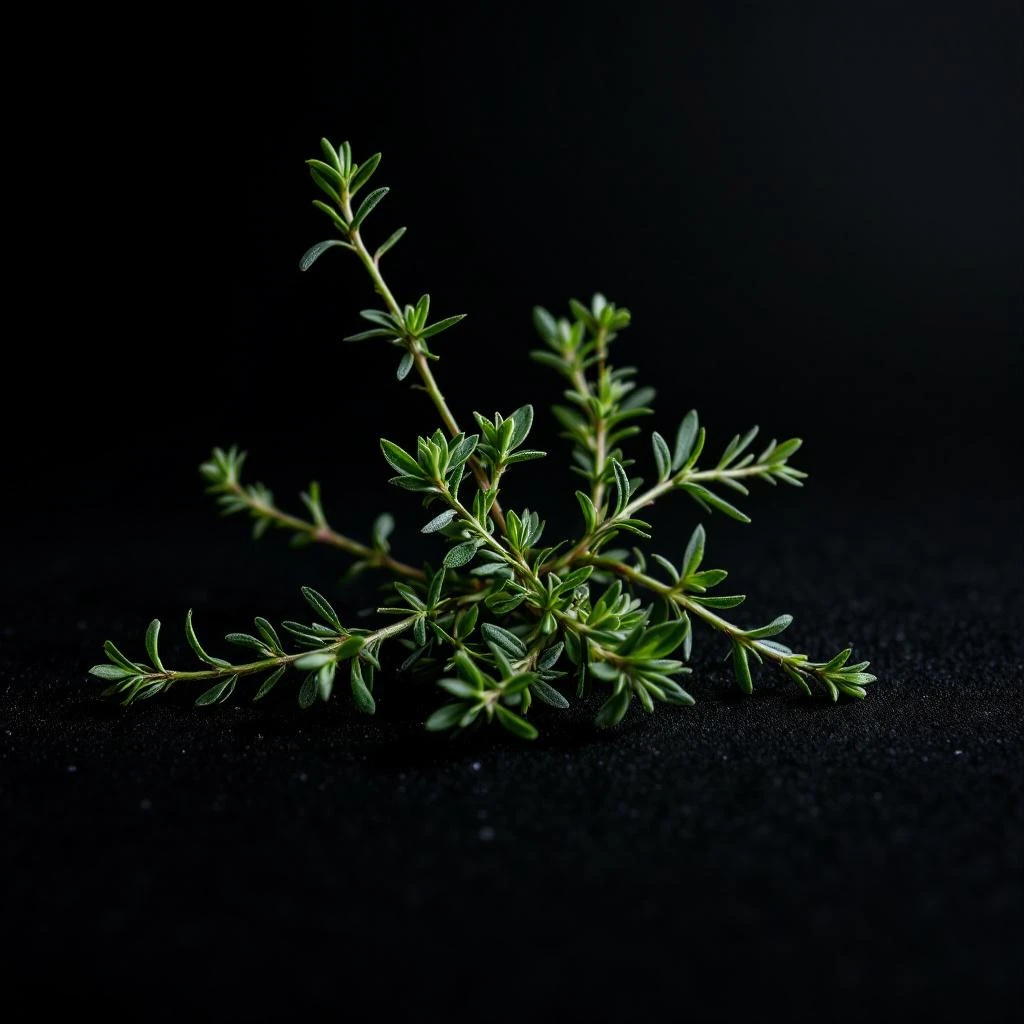
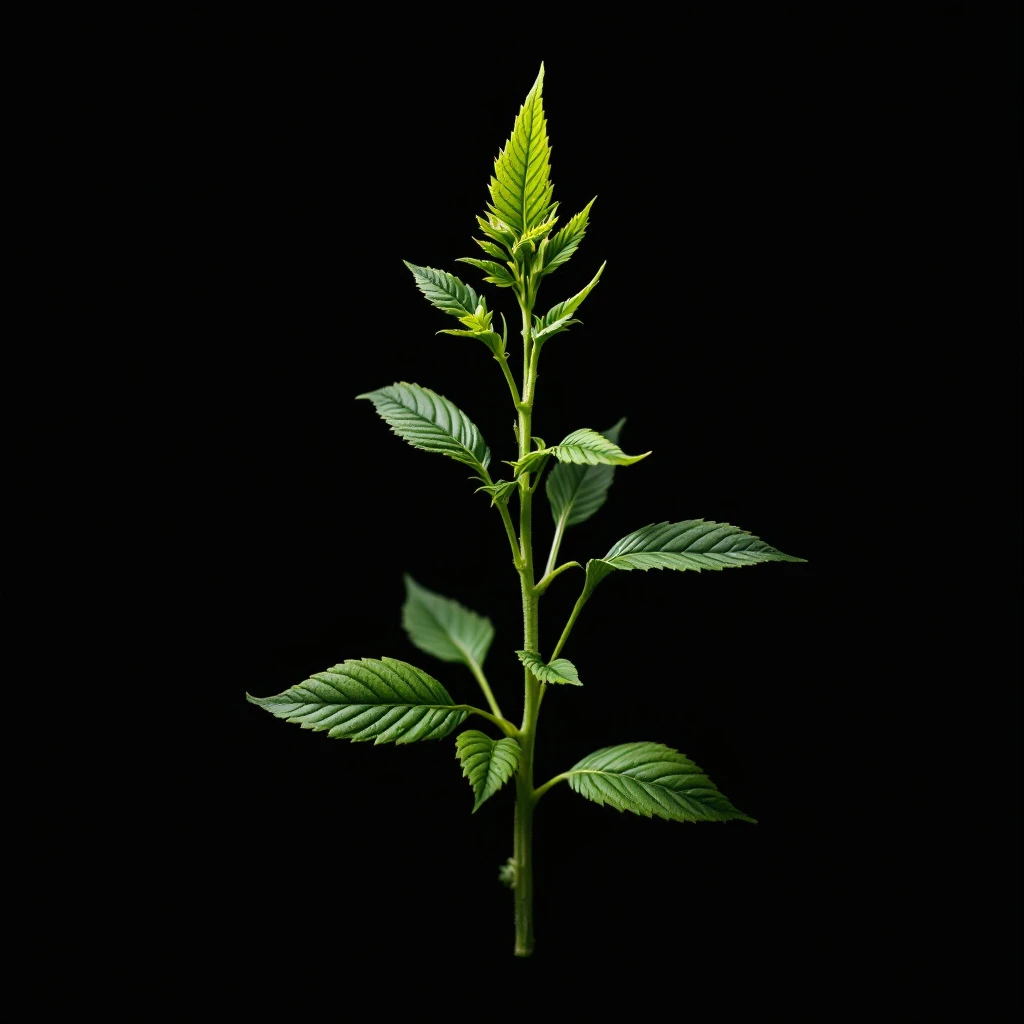
Herbal notes in perfumery capture the living green of the plant world, from sun-warmed lavender fields to crushed basil stems. These aromatic botanicals form the backbone of countless fragrances, lending freshness, depth, and an organic vitality that connects scent to the natural world.
Character
How it smells
Green, fresh, alive: the scent of plants in motion.
Over 20,000 plant species worldwide produce aromatic compounds suitable for perfumery use, yet only a fraction reach commercial production.
Pairs beautifully with
Origin
Mediterranean Basin
Herbal aromatics predate recorded history. Ancient Egyptians infused oils and fats with botanicals for religious rites and personal grooming, while the ancient Greeks refined perfumery into an art form. The transformative moment arrived in 12th century Arabia when physicians discovered distillation, a process that separates volatile compounds through controlled heating and cooling.
This innovation unlocked the full aromatic potential of herbs and laid the foundation for modern perfumery. By the late 19th century, the synthesis of aroma compounds like coumarin expanded the herbal palette beyond natural limits, giving perfumers new tools to recreate and reinterpret botanical scents.
Wears it best
Fragrances featuring Herbal
Brands
Brands known for Herbal
Good to know
Questions, answered
The essentials on Herbal in perfumery: how it smells, where it comes from, and how it behaves on skin.
What are herbal notes in perfumery?
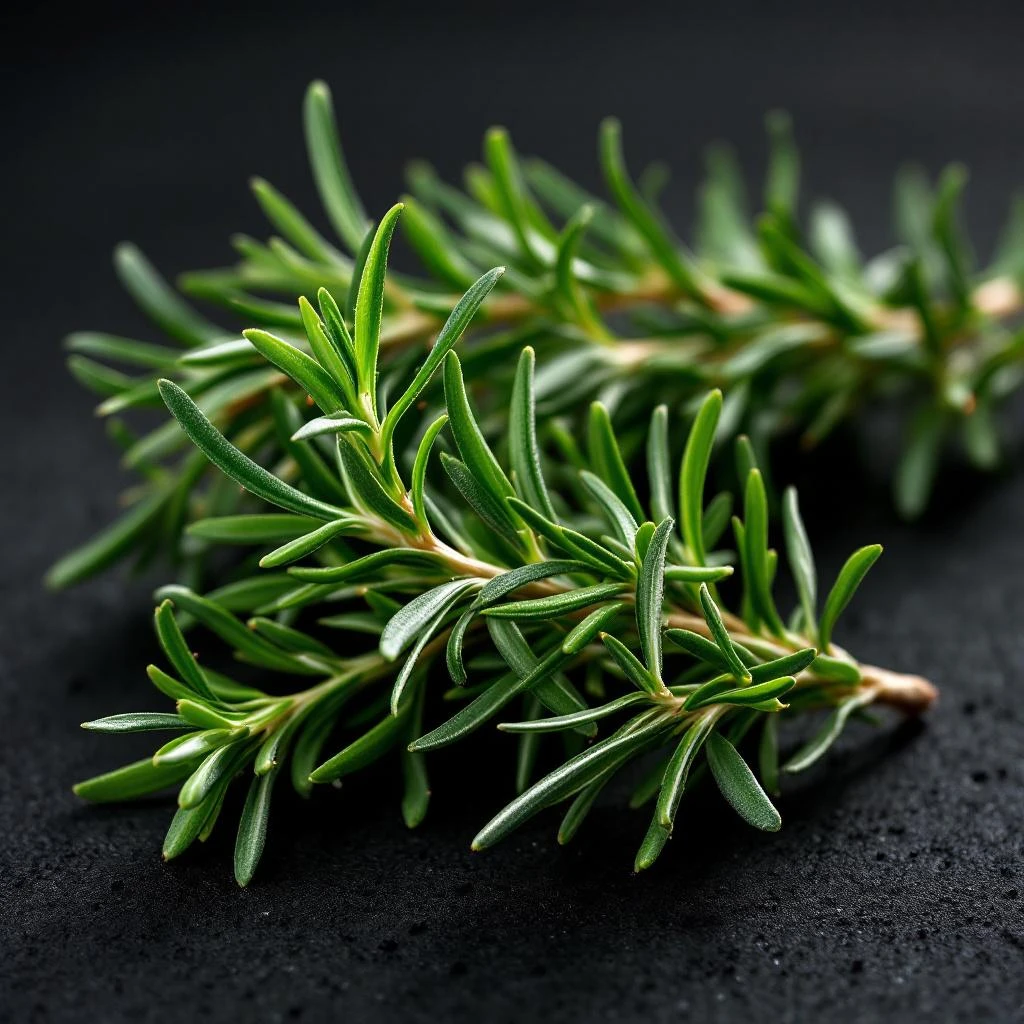
Herbal notes are aromatic compounds derived from plant materials that evoke fresh-cut grass, crushed leaves, or medicinal botanicals. They appear in the top or heart of a fragrance pyramid and provide natural freshness. Lavender, clary sage, and rosemary represent the most recognizable examples used across fragrance families.
What are common herbal ingredients in perfume?
Lavender ranks as the most ubiquitous herbal ingredient, appearing in over 80 percent of masculine fragrances. Other staples include clary sage, rosemary, basil, thyme, marjoram, and artemisia. These materials range from sweet and floral to sharp and medicinal, offering perfumers a broad tonal spectrum.
How do herbal notes function in fragrance composition?
Herbal notes typically serve as top or heart notes, providing immediate freshness and green complexity. They act as natural bridges between citrus top notes and heavier base materials, adding transparency and preventing a fragrance from becoming too sweet or cloying. In aromatherapy traditions, certain herbs are believed to impart energizing or calming properties.
Are herbal perfume ingredients natural or synthetic?
Both natural and synthetic sources exist. Natural herbal notes come from steam-distilled essential oils and absolutes derived from botanicals like lavender and clary sage. Synthetic alternatives include compounds like dihydromyrcenol, which mimics the fresh, green character of crushed herbs. Most contemporary fragrances blend natural and synthetic herbal materials for consistency and performance.
Which fragrance families use herbal notes most prominently?
Herbal notes dominate fougère, aromatic, and chypre compositions. Fougère fragrances built around lavender, coumarin, and oakmoss define an entire masculine fragrance family. Aromatic fragrances pair herbs with aromatic spices, while chypre compositions use herbal complexity to anchor citrus and animalic base notes.
How long have herbal ingredients been used in perfumery?
Botanical aromatics have been used since at least 3000 BCE, with documented use among ancient Egyptians. The critical advancement came in 12th century Arabia when physicians developed distillation, enabling concentrated extraction of herbal essential oils and establishing techniques still used in modern perfumery.
What herbs pair well with herbal notes in fragrance?
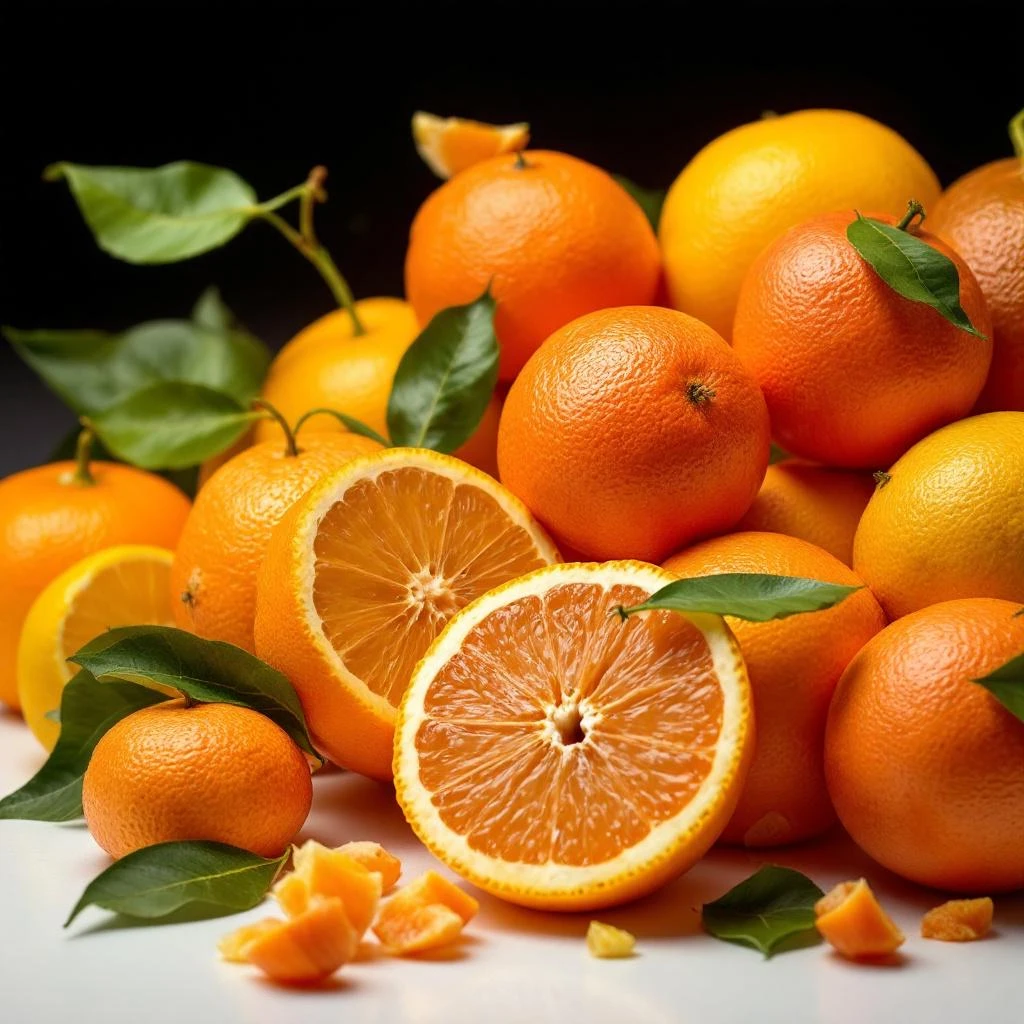
Citrus oils like bergamot and lemon amplify herbal freshness in top notes. Woods like sandalwood and vetiver ground herbal complexity in the base. Spices such as cardamom and pink pepper add warmth without obscuring green character. In masculine compositions, herbal notes frequently pair with leather and tobacco for contrast.
Do herbal notes differ between masculine and feminine fragrances?
Lavender and rosemary skew toward masculine compositions, while basil, clary sage, and artemisia appear more frequently in feminine fragrances. However, the distinction has blurred considerably since the late 20th century. Unisex fragrances routinely combine traditionally masculine herbs with sweeter florals, challenging historical gender boundaries in perfumery.