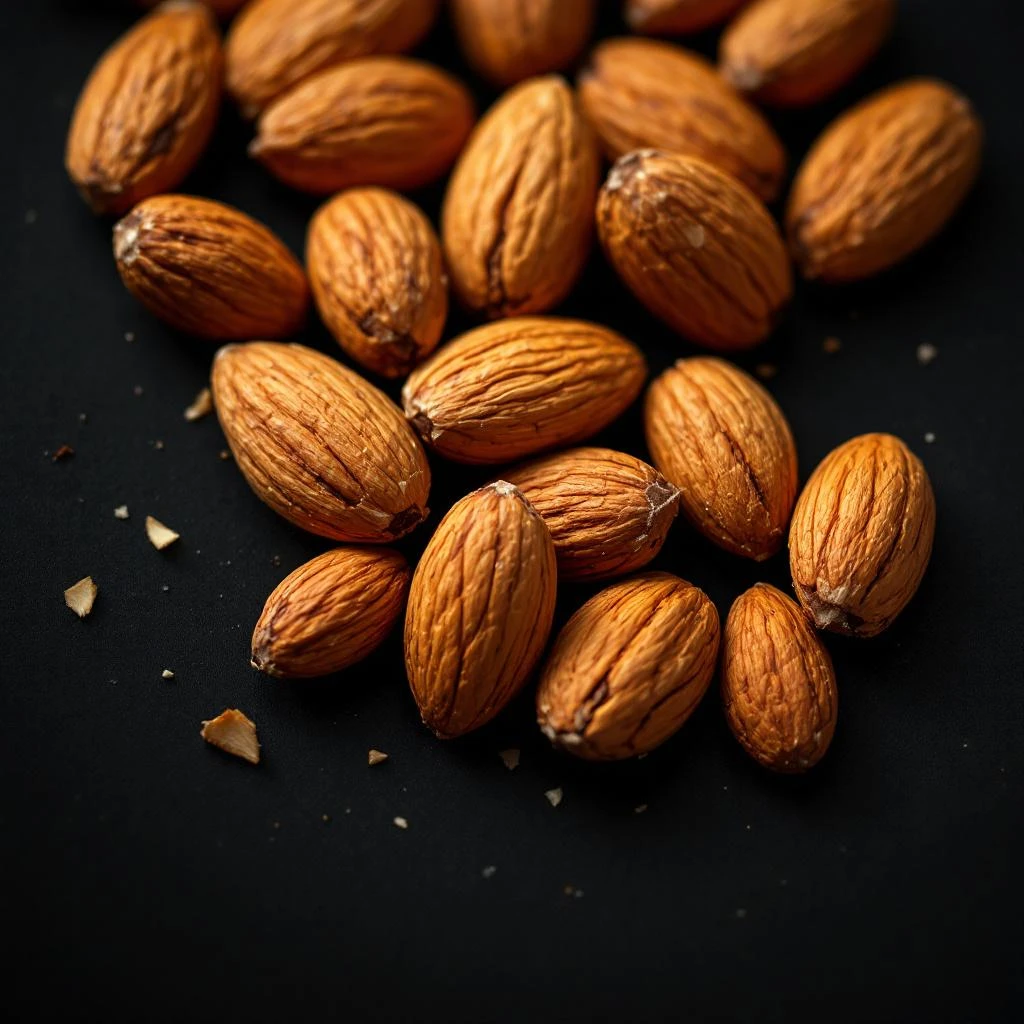
Glazed Almond
Glazed Almond brings a warm, edible sweetness to perfumery that feels both comforting and sophisticated. Extracted from the kernels of apricot pits or synthesized as benzaldehyde, this note evokes the soft richness of marzipan and the subtle bitter edge of bitter almonds.
Character
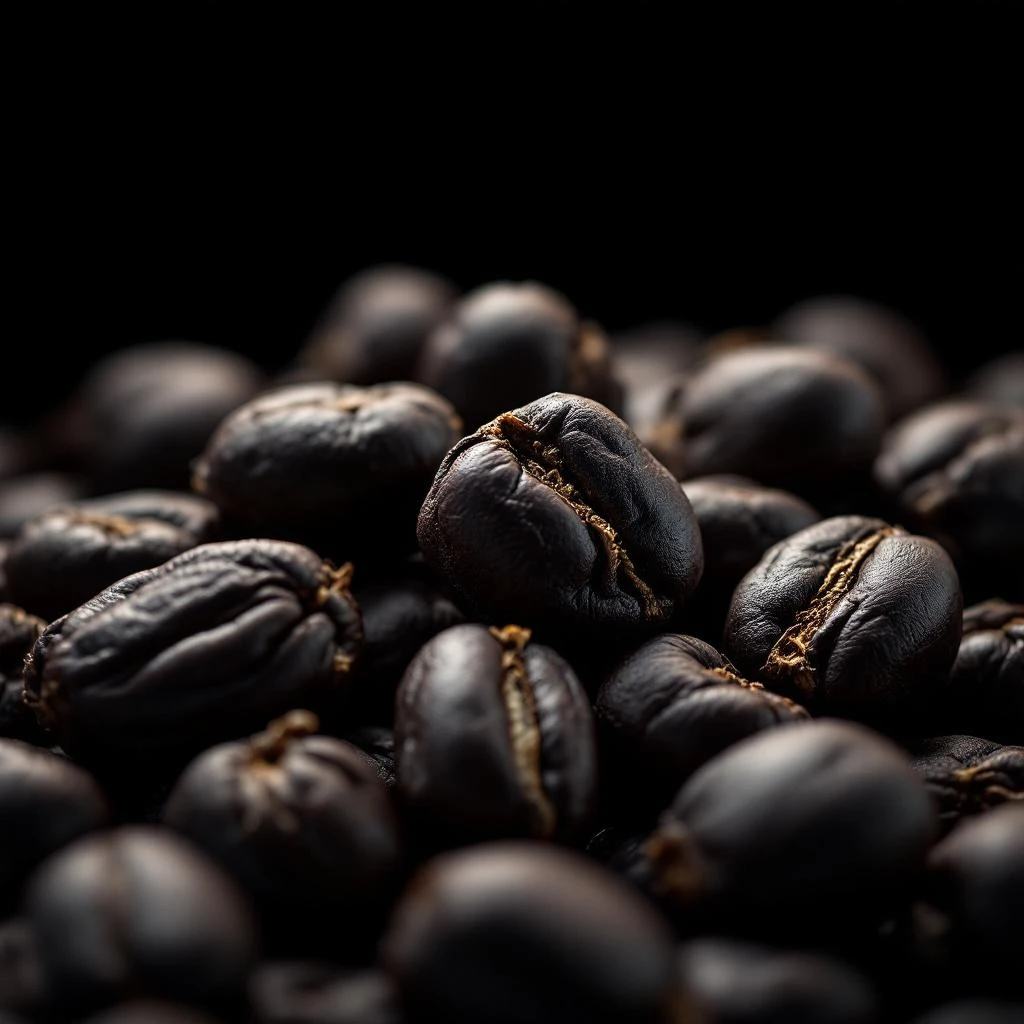
How it smells
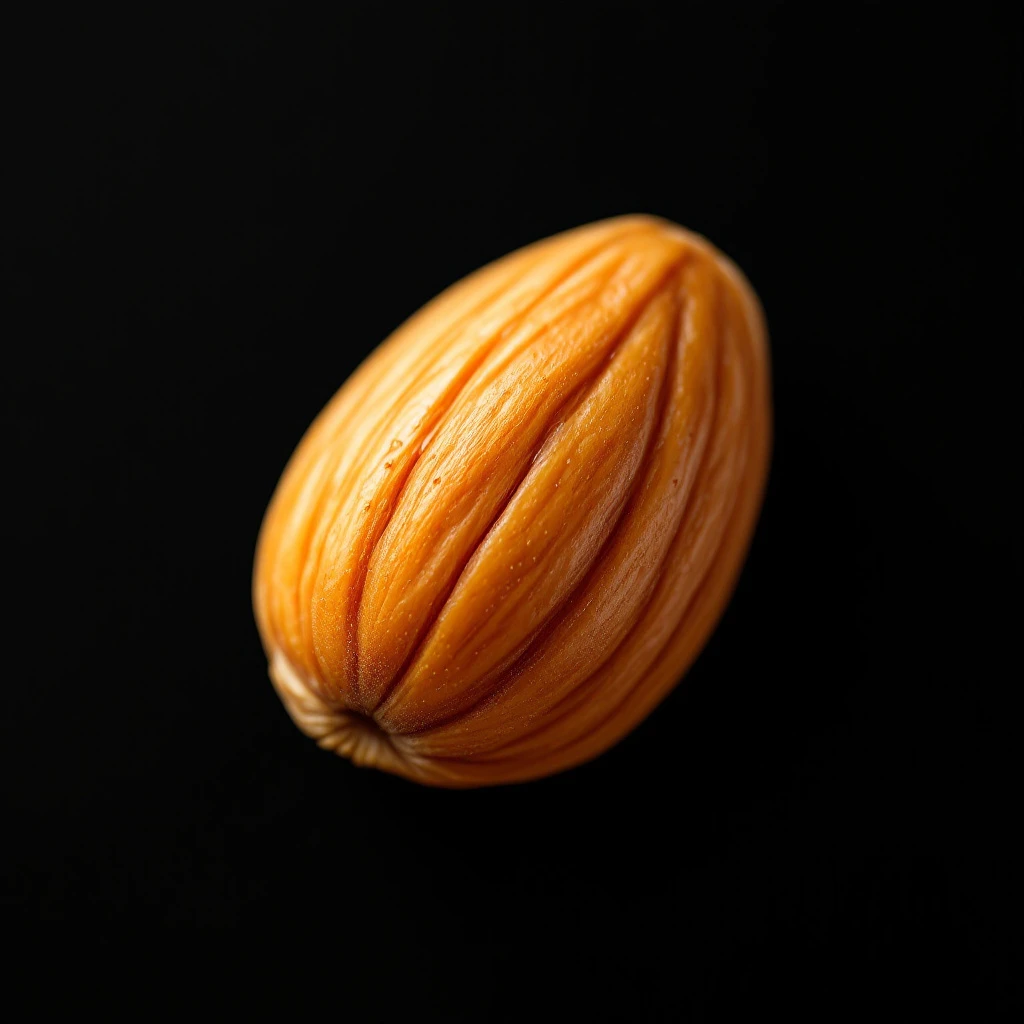
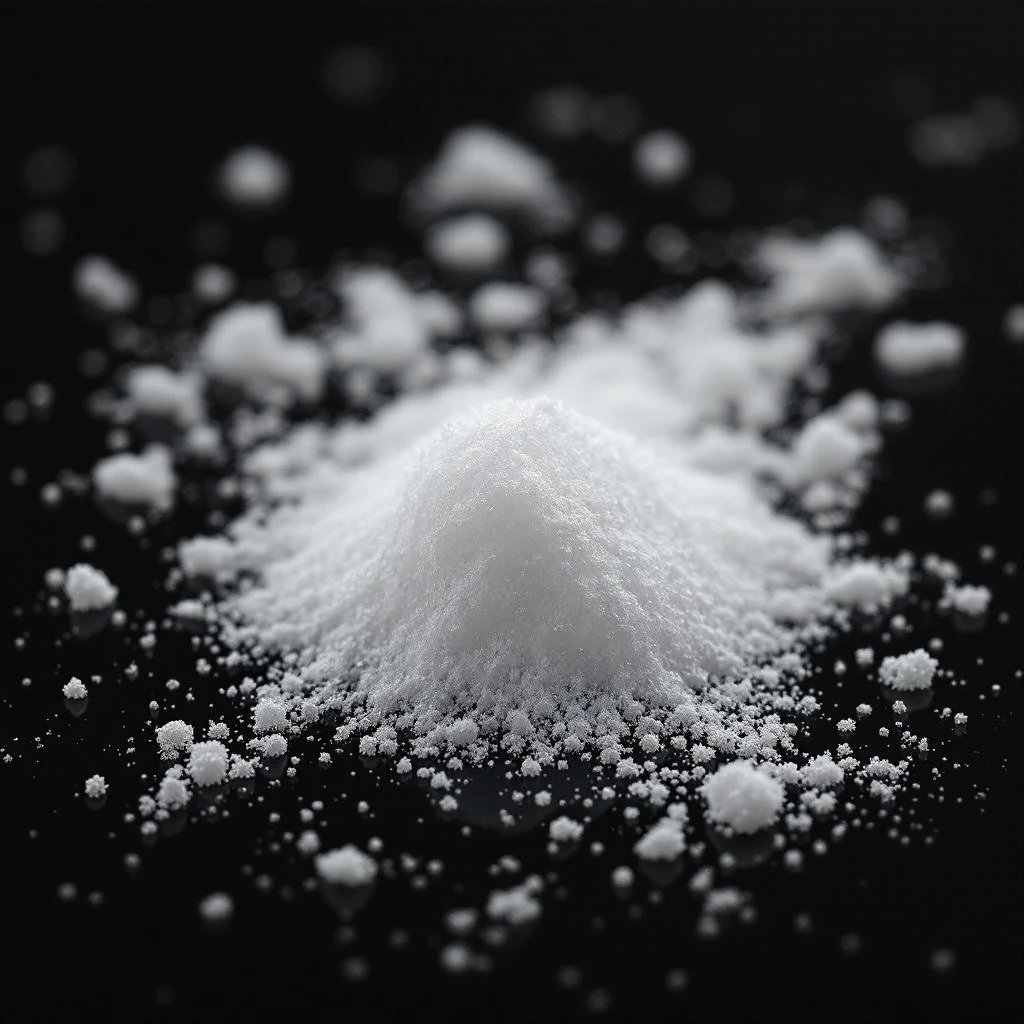
Sweet, nutty warmth with an edible, almost edible richness.
The compound responsible for natural almond scent, benzaldehyde, also gives cherries their characteristic aroma.

Origin
China
Almond has been a fragrance material since ancient Mediterranean civilizations. Egyptians incorporated almond oil into their scented balms and unguents, valuing its warm, edible character. The ancient Middle East also embraced almonds as a natural fragrance source.
Apricot kernels, native to the mountains of Central Asia, spread westward along trade routes, carrying their aromatic potential into European perfumery. By the 19th century, as organic synthesis advanced, benzaldehyde became commercially available, allowing perfumers to capture almond's distinctive sweetness with greater precision and scalability.
Wears it best
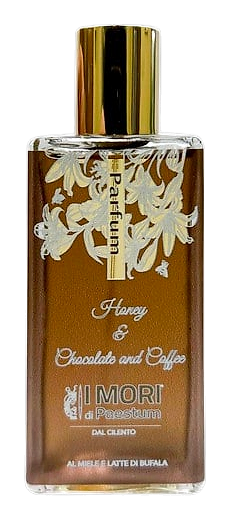
Fragrances featuring Glazed Almond
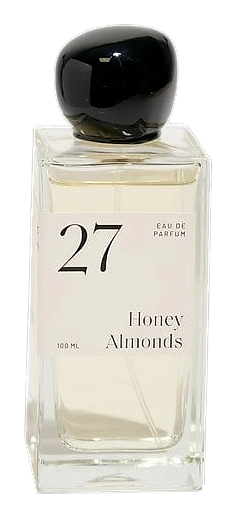
Brands
Brands known for Glazed Almond
Good to know
Questions, answered
The essentials on Glazed Almond in perfumery: how it smells, where it comes from, and how it behaves on skin.
What does Glazed Almond smell like in perfume?
Glazed Almond smells warm, sweet, and nutty with an edible quality similar to marzipan. It carries subtle bitter undertones from raw bitter almond oil, but refined benzaldehyde creates a cleaner, sweeter profile.
Is Glazed Almond a natural or synthetic ingredient?
It can be both. Natural benzaldehyde is extracted from apricot kernels or cassia bark. Most perfumery almond notes are synthesized for consistency and purity, replicating the same aromatic profile.
What chemical compound gives almond its characteristic scent?
Benzaldehyde is the primary aromatic compound. It also occurs naturally in cherries, plums, and laurel leaves, giving these materials their characteristic sweet-cherry character.
How long has almond been used in perfumery?
Almond has been used since ancient Egyptian and Middle Eastern civilizations, appearing in fragrant balms and oils. It became commercially significant in perfumery during the 19th century with synthetic chemistry.
How does Glazed Almond differ from other nutty notes like hazelnut or pistachio?
Glazed Almond is sweeter and softer than hazelnut, with less bitterness than pistachio. Its benzaldehyde content gives it a distinctive marzipan quality that sets it apart from other edible nut notes.
Which fragrance families commonly use Glazed Almond?
Gourmand, Oriental, and Amaretto-style fragrances most commonly feature Glazed Almond. It also appears in powdery and floral compositions as a warm base note that adds depth and sweetness.
Is Glazed Almond safe to use in perfume?
Benzaldehyde is IFRA-compliant at standard usage levels and is generally recognized as safe in dilution. Bitter almond oil (not the same as refined benzaldehyde) requires careful handling due to hydrogen cyanide content.
What fragrance combinations pair well with Glazed Almond?
Vanilla, tonka bean, heliotrope, and caramel create an edible, dessert-like effect. Pairing with coumarin adds warmth, while white musk softens it for a skin-like finish.