Ginjō sake
Rare in perfumery, ginjō sake captures the ethereal, just-opened bloom of premium Japanese rice wine. It distills the essence of restraint and craft into a base that whispers of delicate florals, subtle warmth, and centuries of mastery.
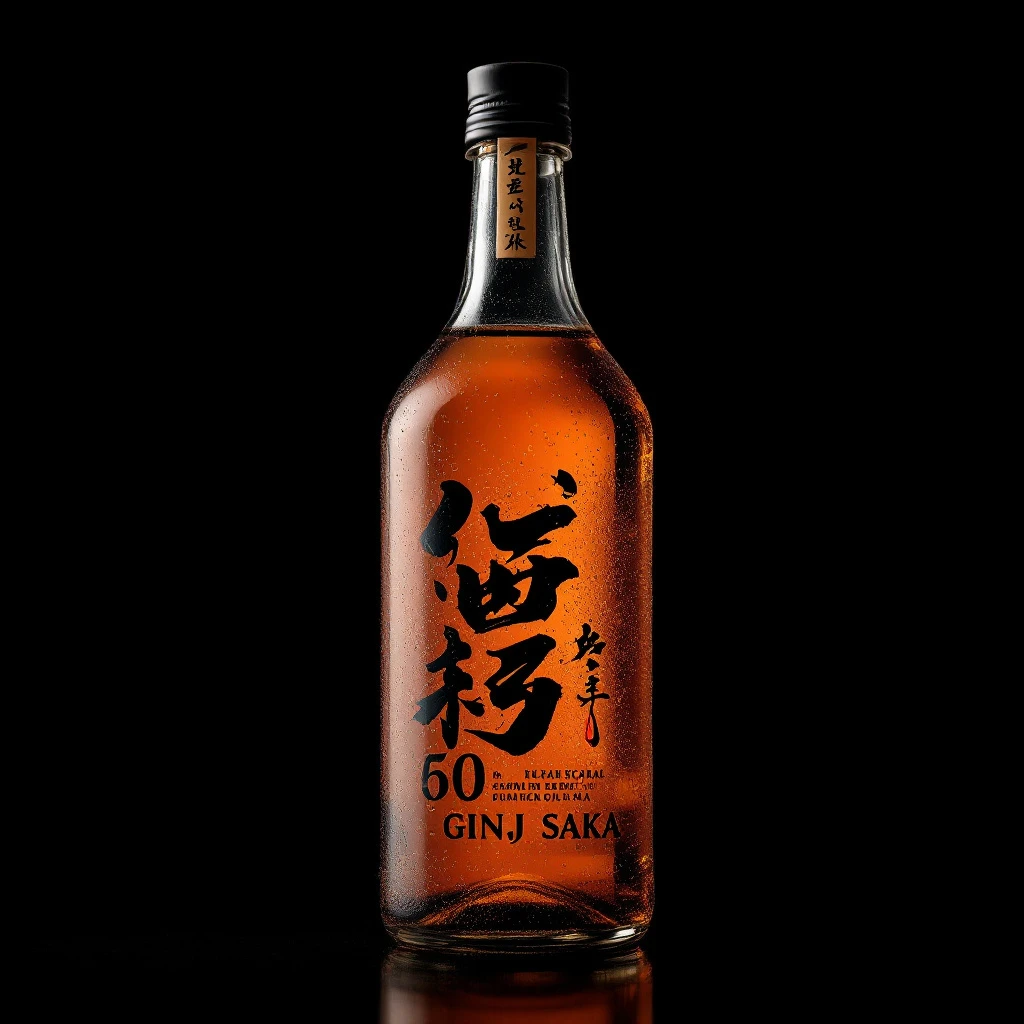
Character
How it smells
Sake's rarest aromatic expression, now captured in fragrance.
In 1568, Nara brewers discovered pasteurization at 65°C, a technique that enabled the clean, complex aromatics defining ginjō today.

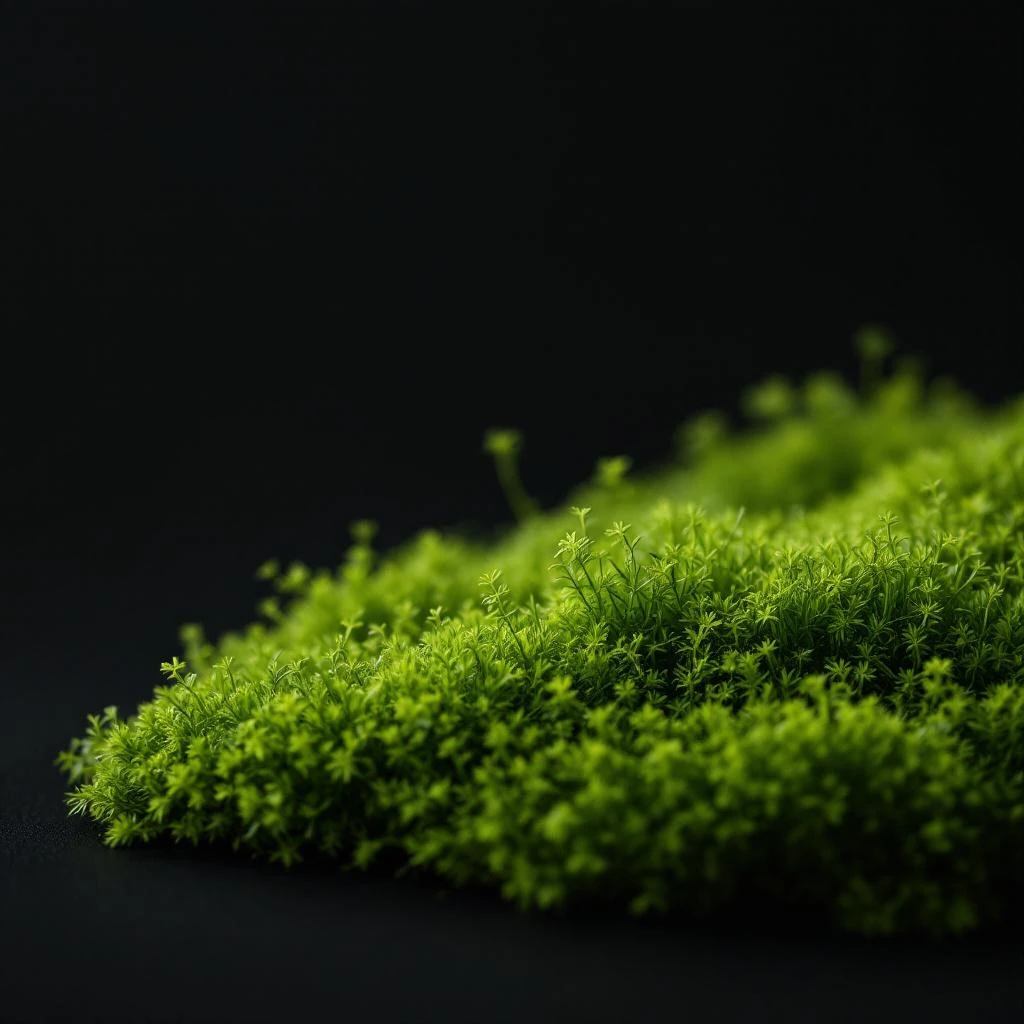
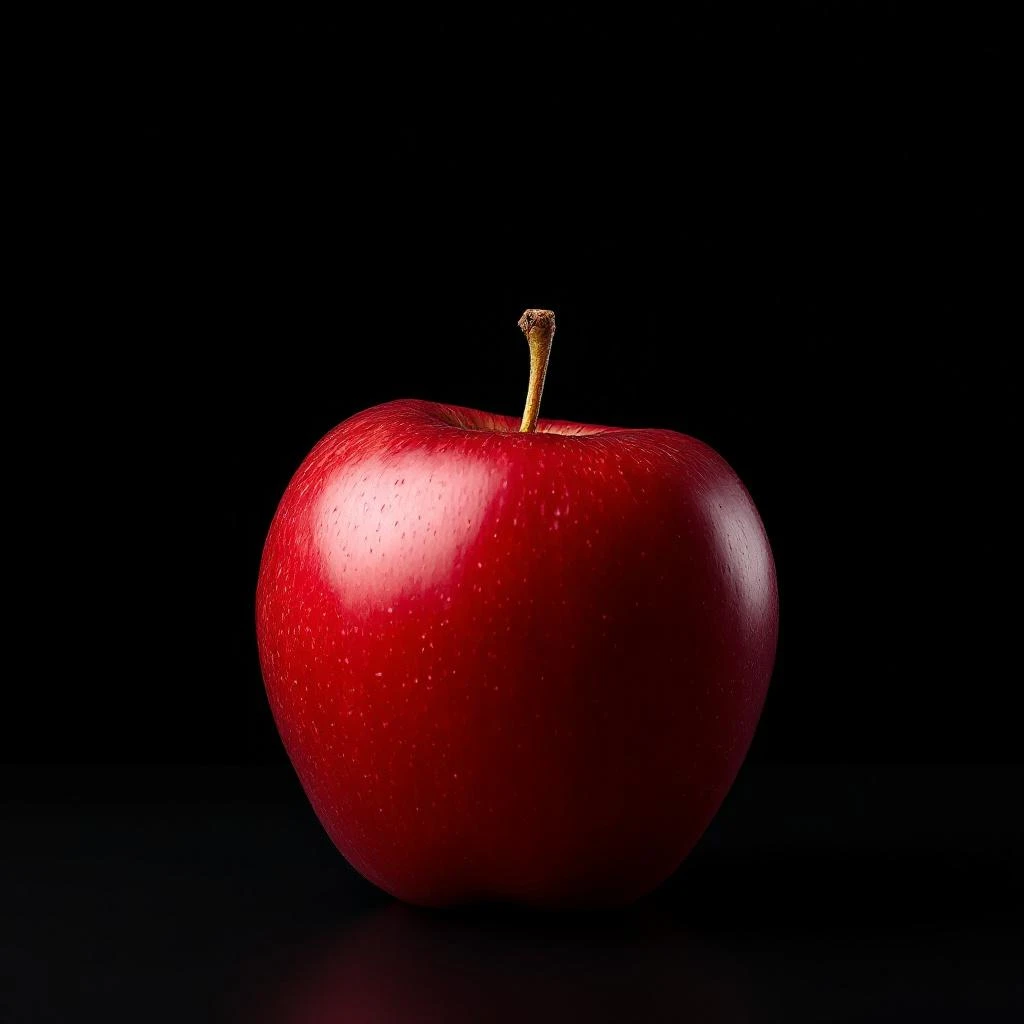
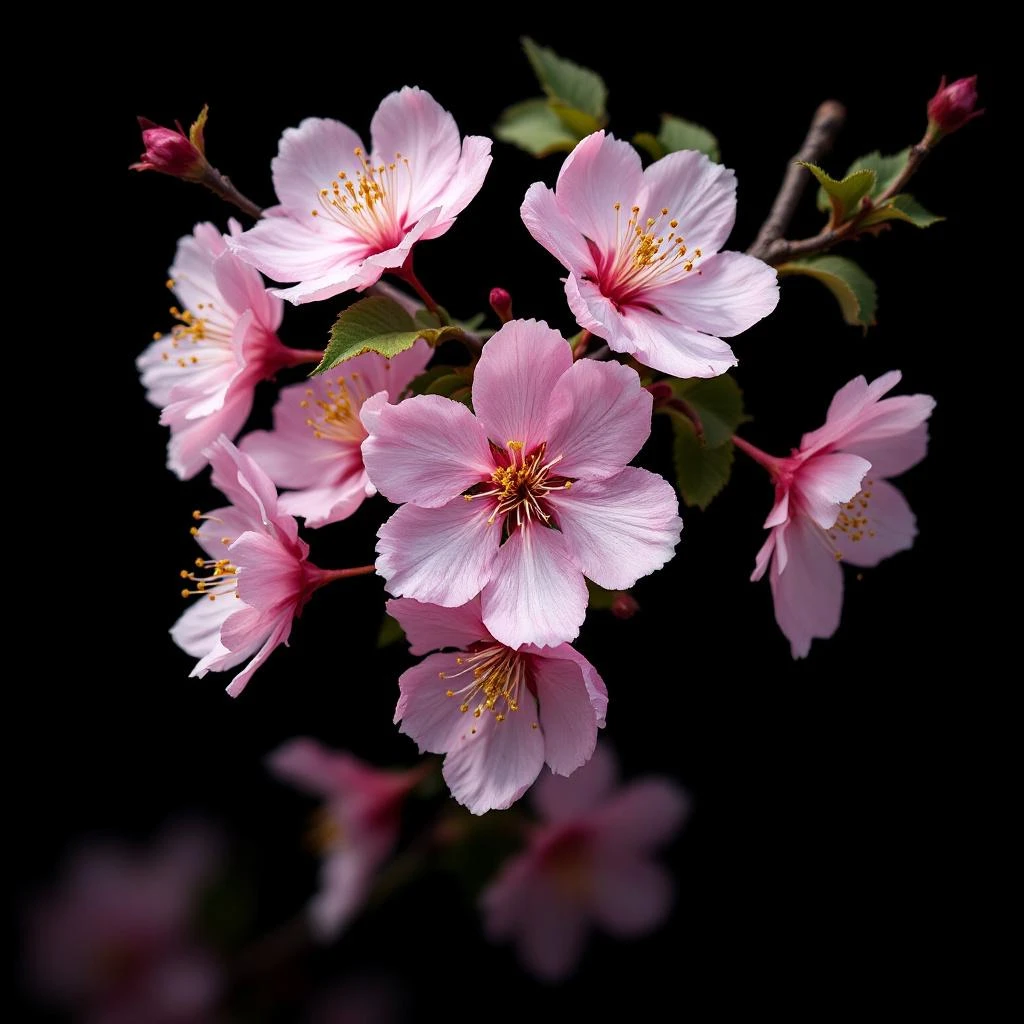


Origin
Japan
Sake brewing stretches back over a thousand years to Japan's Nara period (710-794 AD), when religious ceremonies first formalized rice wine production. The pivotal turning point came in 1568, when Nara brewers began pasteurizing sake at 65°C to remove spoilage organisms, granting unprecedented stability and control over the final product.
This breakthrough laid the groundwork for the refined, aromatic styles that would emerge centuries later. During the Meiji era (1868 onward), brewer Yuichi Sakamoto and his contemporaries pioneered the low-temperature fermentation techniques that define ginjō, a category that did not become widely produced until roughly 50 years ago, when sake's image as a mass-market commodity gave way to appreciation for artisanal depth.
Wears it best
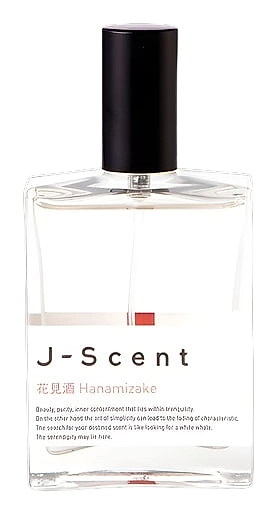
Fragrances featuring Ginjō sake
Brands
Brands known for Ginjō sake
Good to know
Questions, answered
The essentials on Ginjō sake in perfumery: how it smells, where it comes from, and how it behaves on skin.
What is ginjō sake in perfumery?
Ginjō sake refers to aromatic principles extracted from premium Japanese rice wine, used as a rare base note in fine fragrance. It conveys delicate floral and fruity warmth uncommon in Western perfumery traditions.
What does ginjō sake smell like?
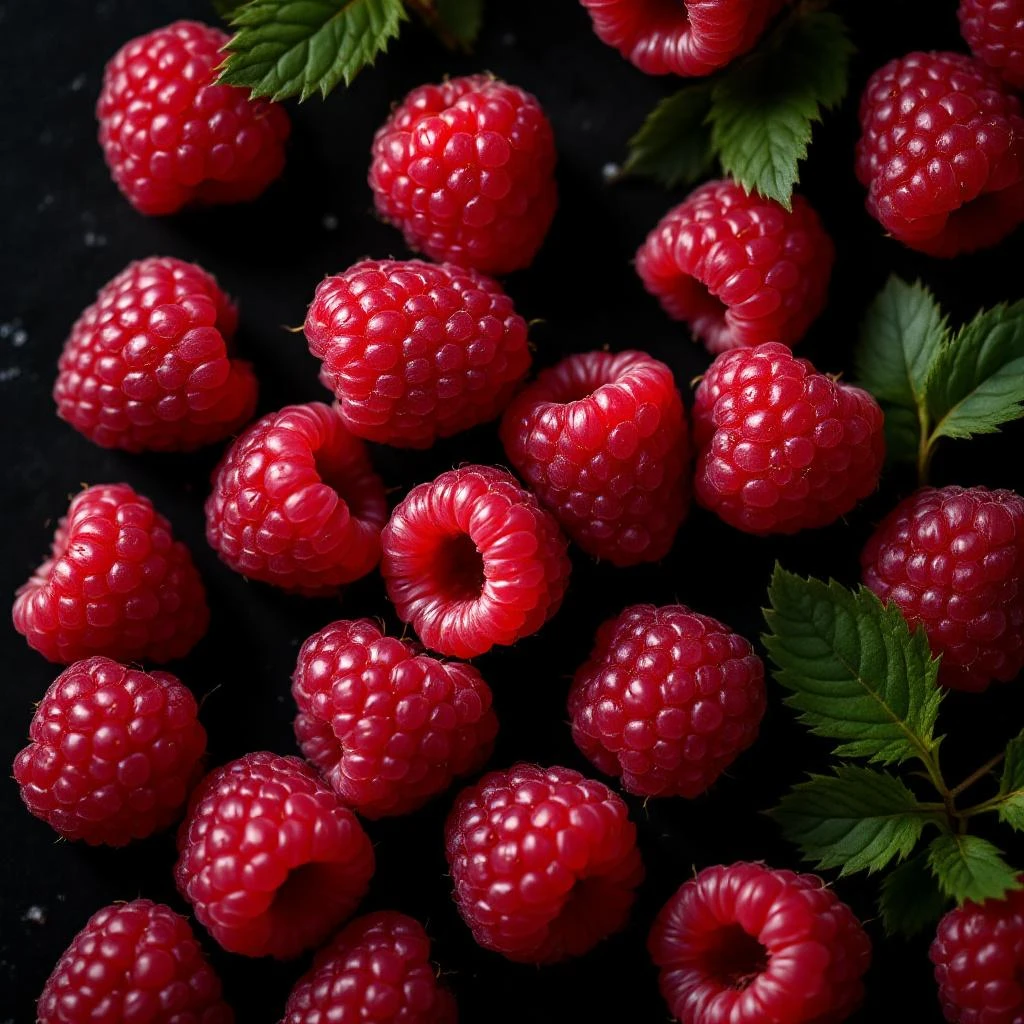
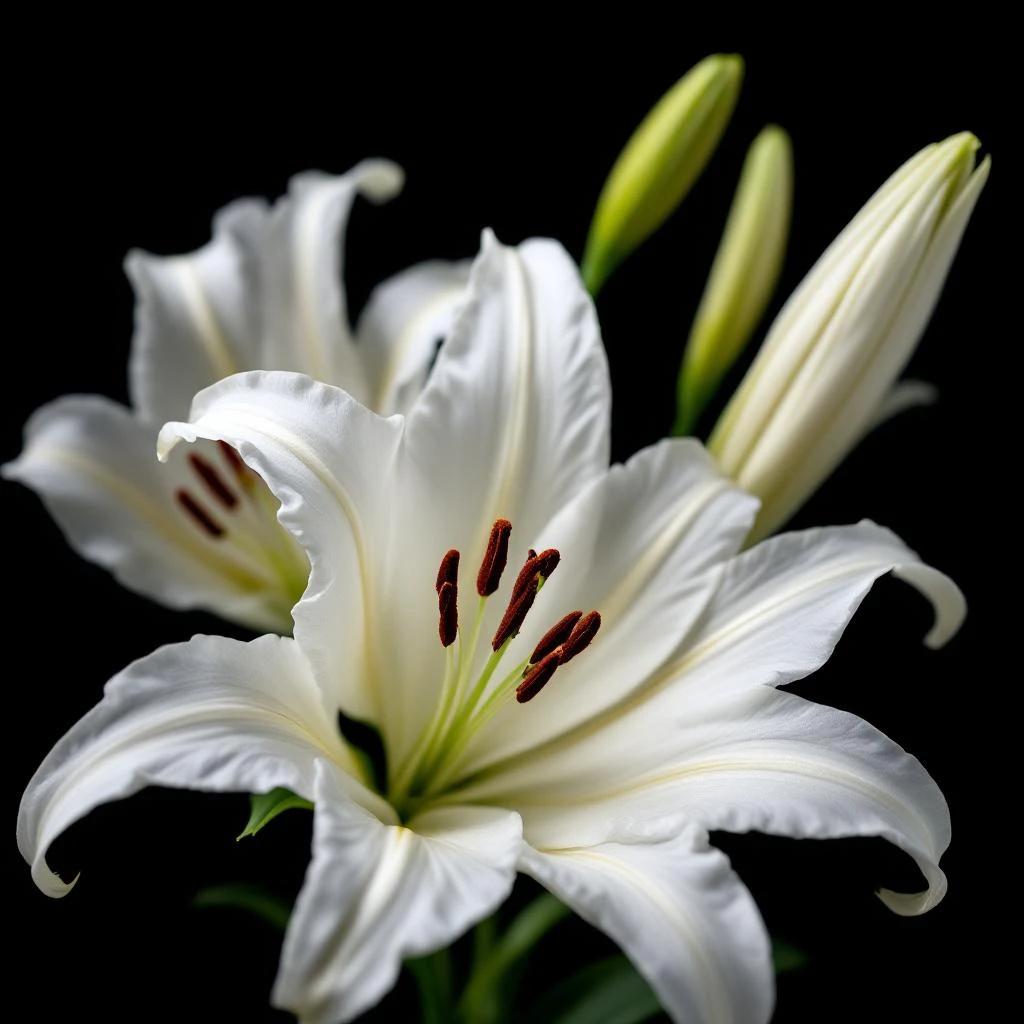
It carries a fresh, clean aroma with pronounced floral notes reminiscent of lily of the valley and white peach, supported by subtle fruity undertones. The profile is delicate, airy, and notably less heavy than wine-based extracts.
How is ginjō sake different from regular sake?
Ginjō uses highly polished rice grains (at least 60% polishing) and low-temperature fermentation with specialized yeast. This produces the compound ginjo-ka, which delivers the signature floral-fruity complexity absent from table sake.
Is ginjō sake used as a fixative in fragrance?
Ginjō extracts function less as fixatives and more as aromatic bases, lending a translucent, watery warmth. The relaxation effect attributed to ginjo-ka in clinical studies adds a novel psychosensory dimension to fragrance composition.
Where does ginjō sake originate?
Ginjō sake developed in Japan during the Meiji era (late 1800s), building on pasteurization techniques pioneered in Nara in 1568. Modern production concentrates in Niigata, Yamagata, and Hiroshima prefectures.
What role does 1568 play in ginjō history?
In 1568, Nara brewers introduced pasteurization at 65°C, removing spoilage organisms and stabilizing sake. This stability allowed brewers to pursue subtler, more aromatic styles that eventually became ginjō.
Is ginjō sake natural or synthetic?
Ginjō aromatic extracts are derived from natural fermented rice through advanced extraction methods like headspace capture and supercritical CO₂. No synthetic reconstruction replicates the full complexity of the ginjo-ka compound.
Can ginjō sake note appear in any fragrance family?
It suits fresh, minimalist, and Oriental compositions equally. Paired with rice-derived musks or white tea, it anchors modern gender-neutral scents; with warm woods, it deepens quietly luxurious Oriental structures.