Galbanum Leaf
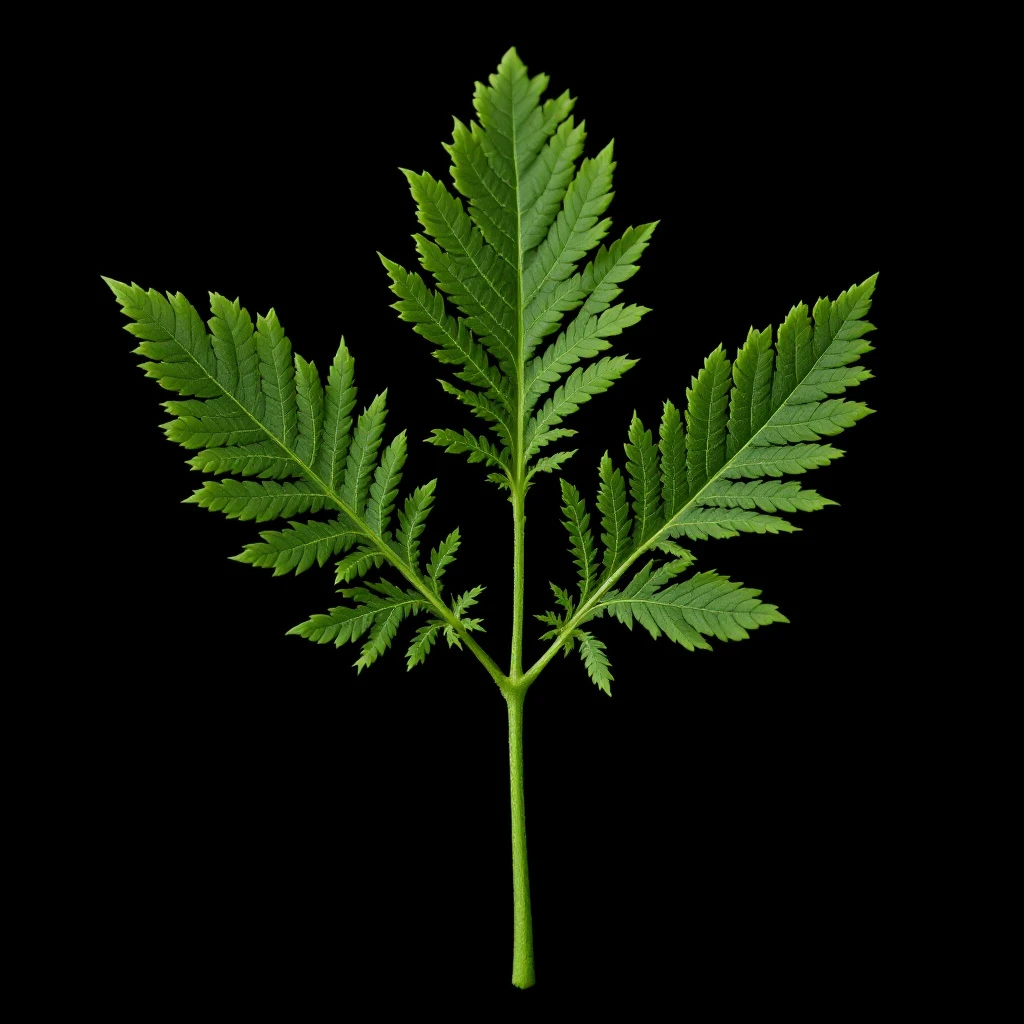
An intensely green, almost electric resin from the mountains of Iran. Galbanum captures the sharp vitality of crushed leaves and wild herbs in a single, ancient ingredient prized by perfumers for millennia.
Character
How it smells
Persia's ancient green soul
Ancient Egyptians included galbanum in embalming formulas. The Ebers Papyrus, dating to 1550 BCE, documents its medicinal use.





Origin
Iran
Galbanum carries one of the longest documented histories of any fragrance ingredient. Ancient Persians burned it as sacred incense and used it in ceremonial contexts. Egyptian texts, including the Ebers Papyrus from 1550 BCE, list galbanum among their most valued medicinal resins.
Greek physicians like Dioscorides prescribed it for respiratory and digestive complaints, while Roman texts describe its use in bath waters and unguents. The ingredient appears in the Bible as part of the sacred ketoret incense blend specified for the Tabernacle, indicating its spiritual significance. This continuous thread of use spanning over three millennia reflects both its distinctive scent and the reverence ancient cultures held for mountain-grown resins from the East.
Modern perfumery adopted galbanum gradually, but it gained prominence in the twentieth century as perfumers sought to expand green fragrance families.
Wears it best
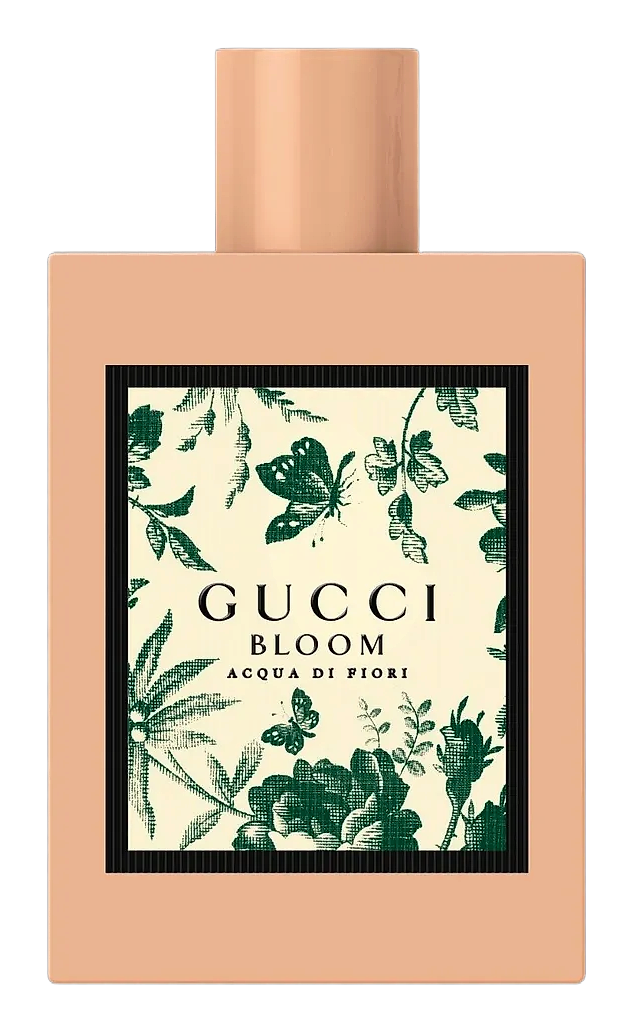
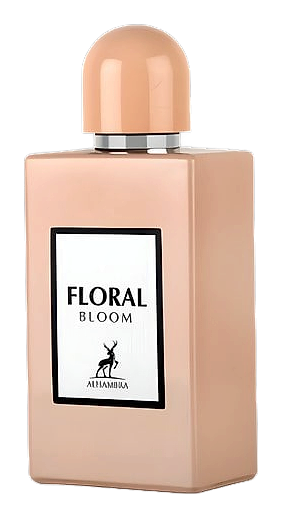
Fragrances featuring Galbanum Leaf
Brands
Brands known for Galbanum Leaf
Good to know
Questions, answered
The essentials on Galbanum Leaf in perfumery: how it smells, where it comes from, and how it behaves on skin.
What does galbanum smell like?
Galbanum delivers an intensely green, sharply vegetal scent. Think crushed grass, hyacinth stems, and fresh green peppers, with a subtle woody-resinous depth underneath.
What is galbanum in perfumery?
Galbanum is a rare aromatic resin from Ferula plants native to Iran. Perfumers use it to add crisp, natural green effects that are difficult to replicate synthetically.
Why is galbanum expensive?
Supply is inherently limited. Galbanum comes from wild-harvested plants that have not been successfully cultivated, combined with labor-intensive collection methods.
Where does galbanum originate?
The primary source is the mountainous regions of northern Iran, where wild Ferula plants produce resin in small quantities. Trade historically connected this region to Egypt, Greece, and Rome.
How is galbanum used in modern fragrances?
Perfumers employ galbanum oil or resinoid at low concentrations to introduce green, fresh, and slightly resinous effects. It pairs well with florals and chypre bases.
Is galbanum still relevant in contemporary perfumery?
Yes. Despite its cost, galbanum remains a signature note in green fragrances. It forms the heart of several landmark women's fragrances released since the 1970s.
What cultures historically used galbanum?
Ancient Persia, Egypt, Greece, and Rome all valued galbanum. It appears in biblical incense formulas and Egyptian medical papyri, demonstrating over 3,000 years of continuous use.
Can synthetic alternatives replace natural galbanum?
Chemistry has produced green-smelling synthetics like cis-3-hexenol, but natural galbanum retains value for its complex, multifaceted character that laboratory duplicates have not fully matched.