Fucus absolute
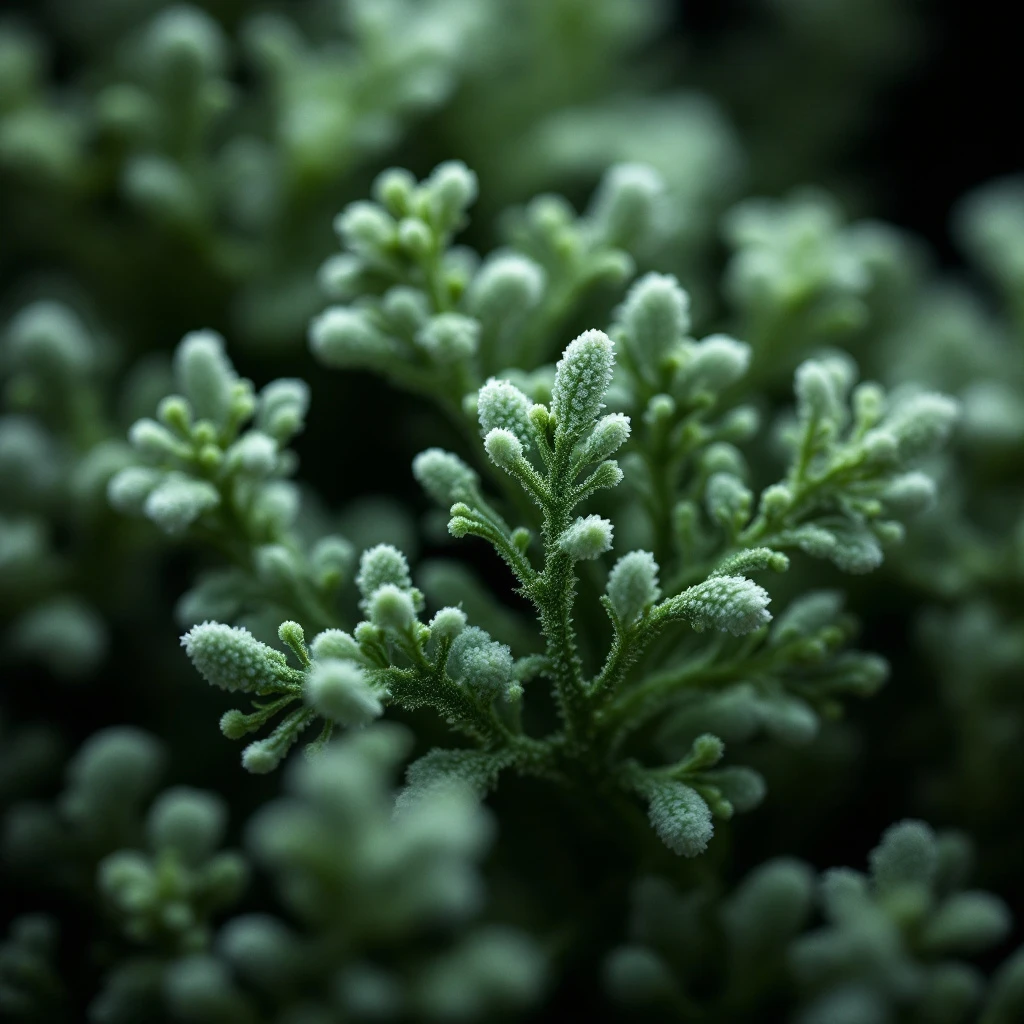
Fucus absolute captures the primal scent of the North Atlantic seaboard, where Fucus vesiculosus and Fucus serratus cling to coastal rocks. This rare marine ingredient delivers salt, iodine, and a mineral dryness that brings oceanic depth to fragrance compositions.
Character
How it smells
The ocean's mineral soul, captured in absolute form.
Fucus absolute was only introduced to perfumery in the late 1990s, making it one of the youngest natural ingredients in a perfumer's palette.





Origin
France
For centuries, marine botanicals remained largely unexplored by perfumers, who favored terrestrial plants and resins. The cultural fascination with the sea was expressed through textual and artistic references long before it entered fragrance. It was only in the late 1990s that a few specialist houses, primarily in France and the United Kingdom, began serious work on seaweed as a perfumery material.
The breakthrough came from suppliers with deep expertise in marine botanical extraction, who recognized that the phenolic richness of brown algae—particularly bladderwrack and serrated wrack—could offer something no floral or woody ingredient could replicate. Today, seaweed absolute occupies a niche but growing position in natural perfumery, prized for its authenticity and its ability to convey a sense of place that no synthetic marine note can fully replicate.
Wears it best
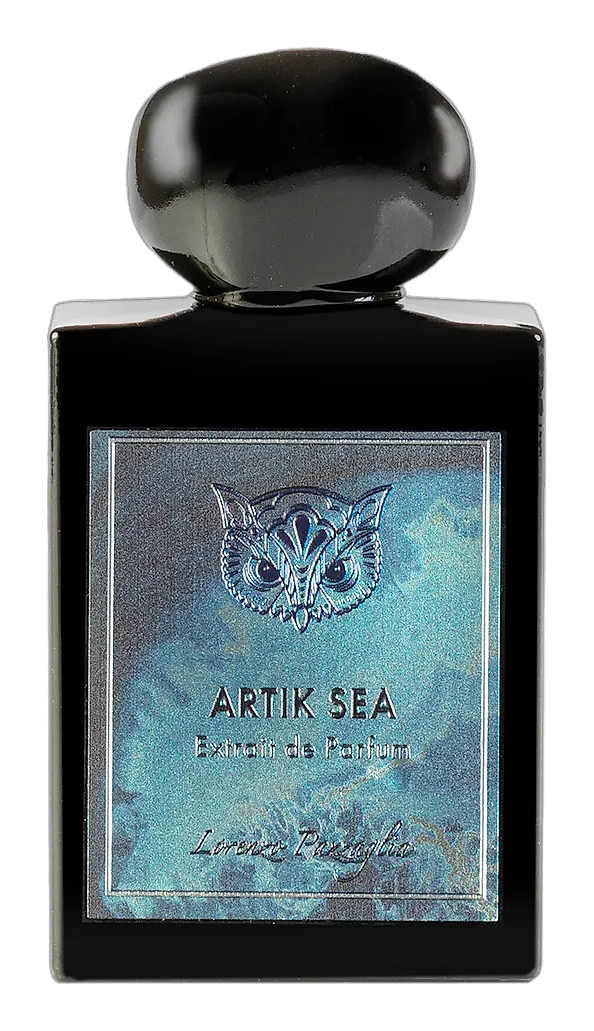
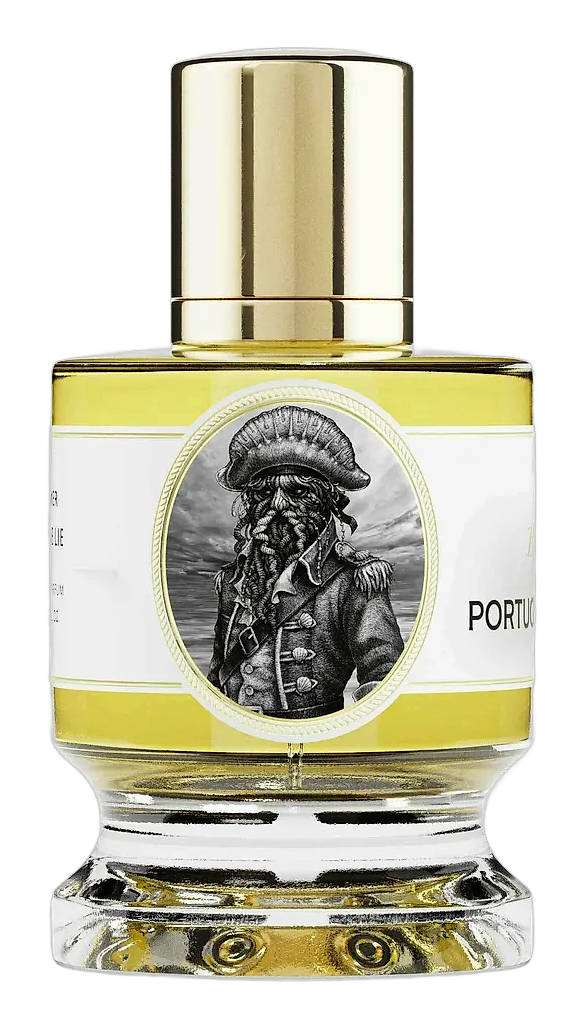
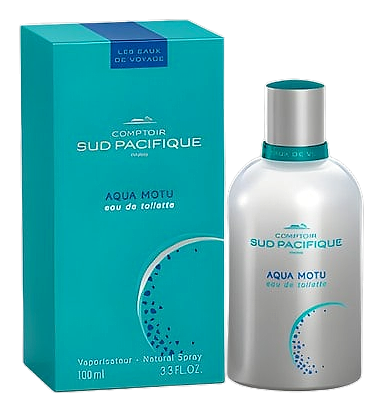
Fragrances featuring Fucus absolute
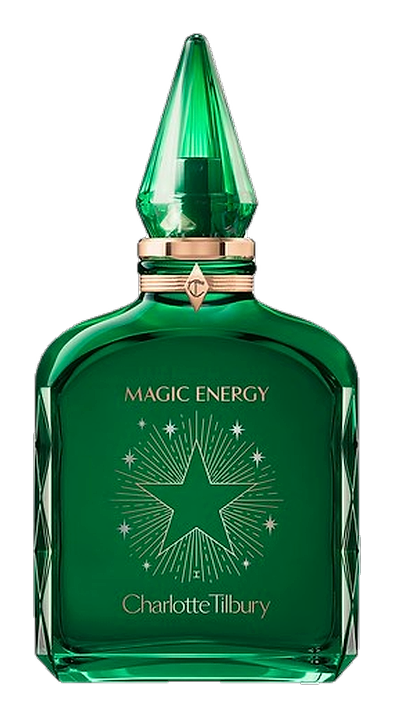
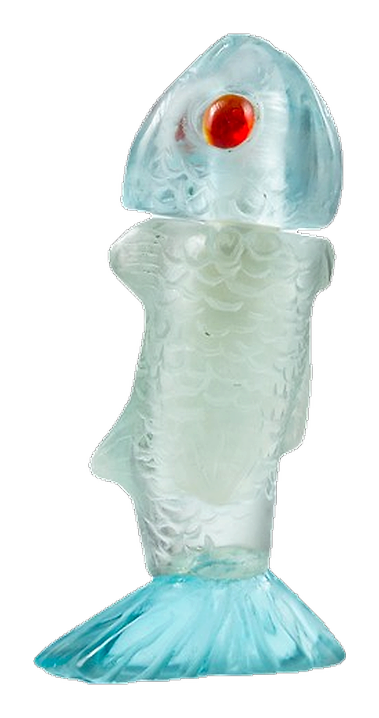
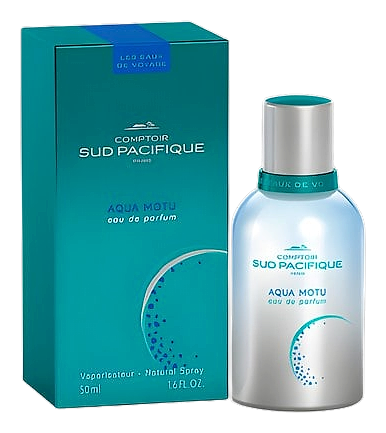
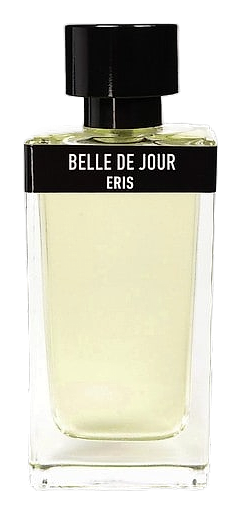
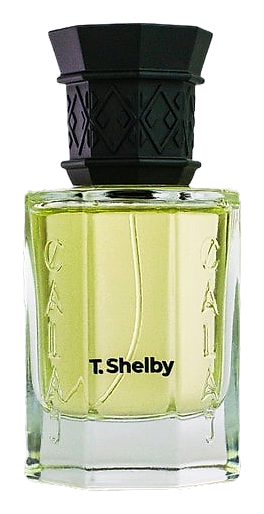
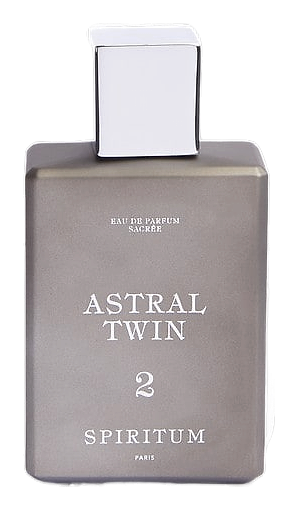
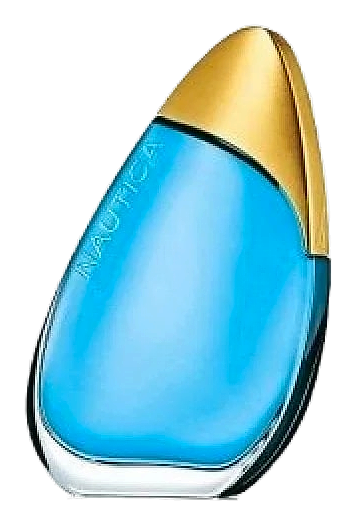


Brands
Brands known for Fucus absolute
Good to know
Questions, answered
The essentials on Fucus absolute in perfumery: how it smells, where it comes from, and how it behaves on skin.
What does Fucus absolute smell like?
Fucus absolute smells like the Atlantic coast at low tide. It features immediate salty iodine, a mineral dryness, and undertones of smoke and leather that evoke seaweed drying on coastal rocks after a storm.
Is Fucus absolute a natural ingredient?
Yes. Fucus absolute is a fully natural material extracted from brown algae using solvent extraction. No synthetic aroma chemicals replicate its complex phenolic and marine profile.
What fragrance families use Fucus absolute?
Fucus absolute appears primarily in marine, green, and aromatic fragrance families. It works as a base note that lends oceanic authenticity to compositions, particularly in gender-neutral and masculine designs.
When was seaweed first used in perfumery?
Seaweed extracts entered perfumery production in the late 1990s, roughly two decades after the modern marine fragrance trend began with oceanic-themed releases in the 1980s.
How is Fucus absolute different from seaweed essential oil?
Fucus absolute is produced via solvent extraction, yielding a thicker, more concentrated material than steam-distilled essential oil. The solvent extraction captures a broader range of aromatic compounds, including heavier phenolic and mineral molecules that steam distillation can miss.
Where is Fucus absolute harvested?
The primary source region is the North Atlantic coast, particularly Normandy and Brittany in France, where Fucus vesiculosus and Fucus serratus grow in cold tidal zones rich in mineral content.
What challenges exist in sourcing Fucus absolute?
Wild-harvested seaweed varies significantly by season and tidal conditions, making batch-to-batch consistency difficult. Sustainable harvesting practices also limit the volume available, contributing to its rarity.
How does Fucus absolute perform in fragrance formulations?
Fucus absolute serves as a powerful fixative and base note. A small percentage in a formula can dramatically shift the composition's character toward marine and mineral territory without overpowering the top notes.