Frosted Mint
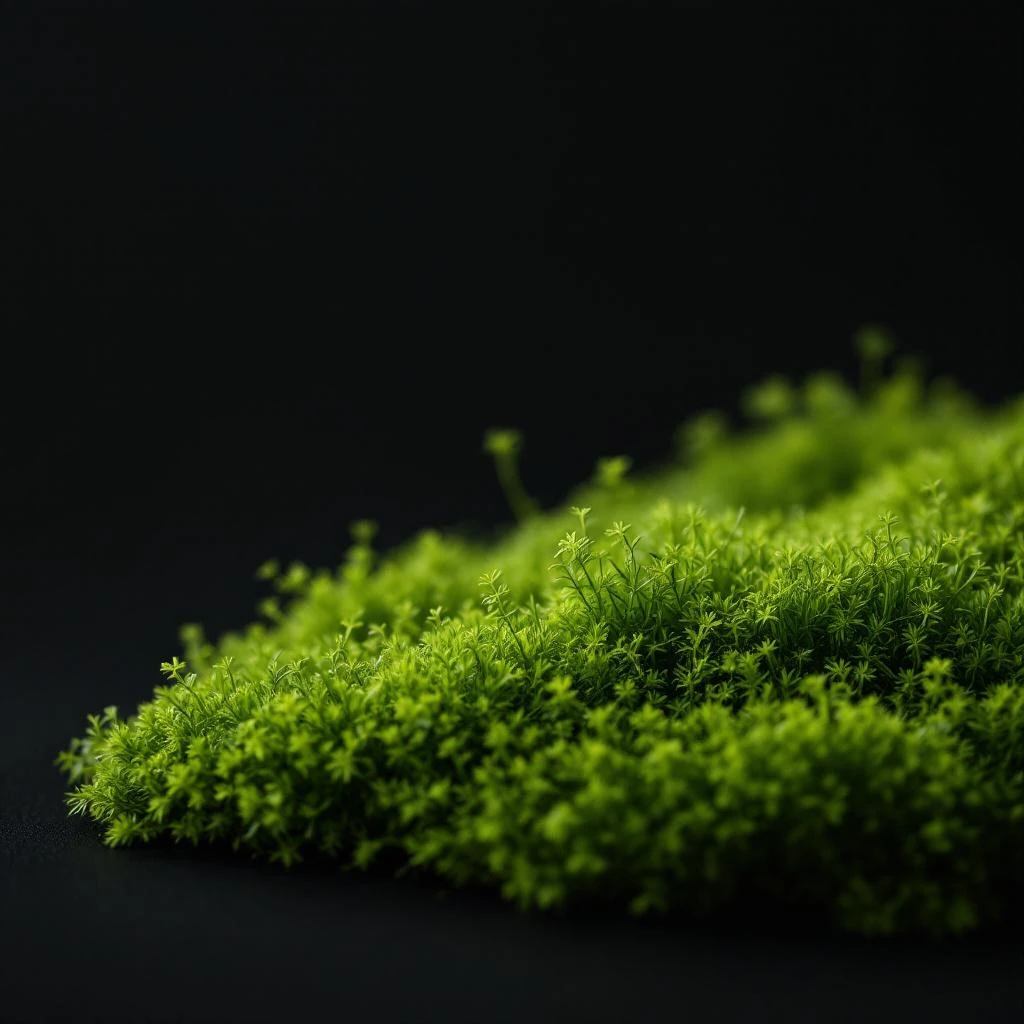
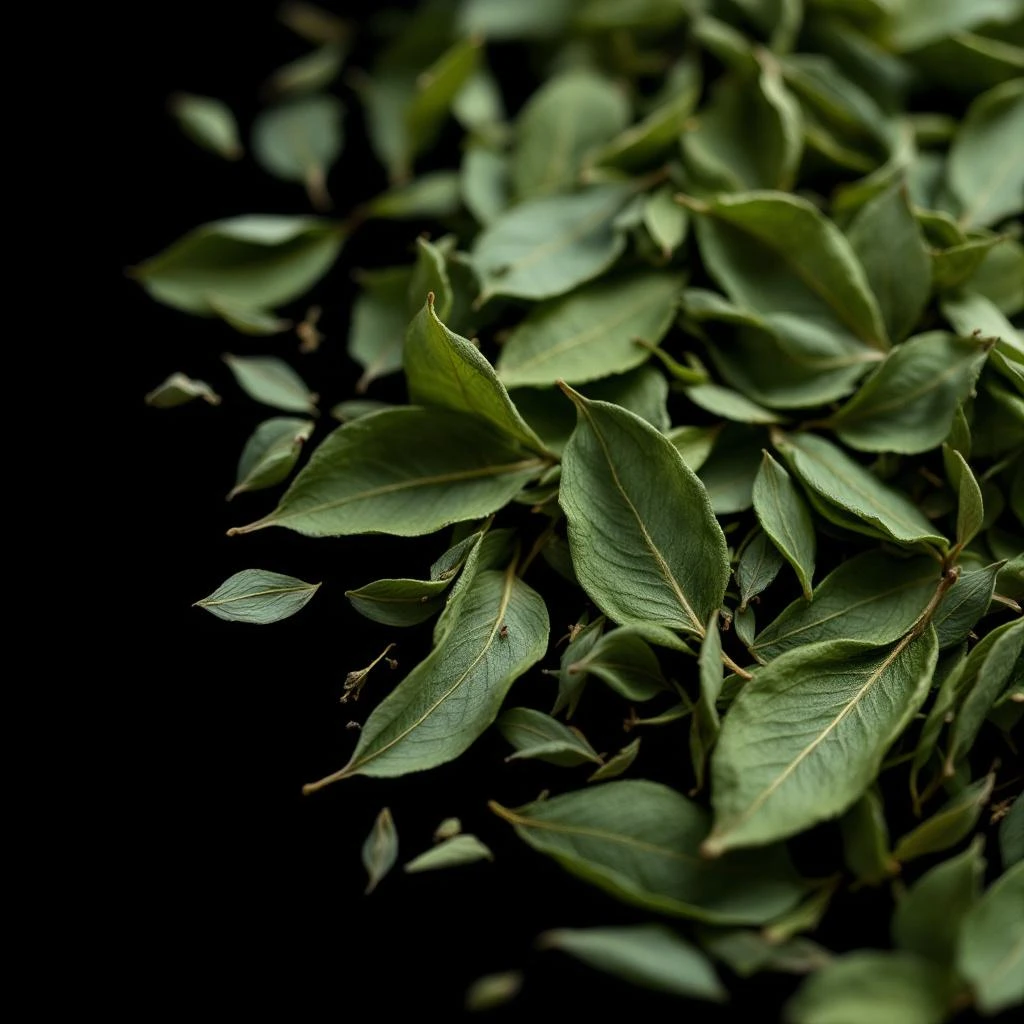
Frosted Mint delivers an icy-cool, crystalline snap of menthol layered over green herbal facets. This modern interpretation amplifies peppermint's natural bite, creating a refreshing sensation that lingers on skin like winter air.

Character
How it smells
Icy menthol snap with a crystalline edge
The vast majority of global mint oil production goes to oral care and confectionery, not perfumery, making mint a rare case of a scent most people taste far more than they smell.
Pairs beautifully with

Origin
India
Mint appears in the earliest recorded uses of aromatic plants. Ancient Egyptian medical papyri, dating to around 1550 BCE, reference mint for its cooling properties, though its primary role then was therapeutic and culinary rather than perfumery. The Greeks and Romans pressed mint leaves into oils for personal fragrance and scattered them in bathhouses, drawn to the clean, sharp scent.
By the medieval period, mint had spread across monastic herb gardens throughout Europe, where it was distilled by monks into early essential oils. The modern iteration of Frosted Mint as a perfumery concept is a twentieth-century development, emerging alongside synthetic menthol isolation techniques refined by German and Japanese chemists. The icy, glass-like quality we now associate with frosted or glacial mints reflects this industrial capability, the ability to concentrate menthol far beyond what a fresh leaf contains.
Contemporary perfumers leaned into this effect in the 1990s and 2000s, when clean, cool, and transparent scent profiles gained ground in unisex and functional fragrance categories.
Wears it best
Fragrances featuring Frosted Mint
Brands
Brands known for Frosted Mint
Good to know
Questions, answered
The essentials on Frosted Mint in perfumery: how it smells, where it comes from, and how it behaves on skin.
What does Frosted Mint smell like?
Frosted Mint smells like peppermint oil amplified with concentrated menthol, producing an icy, crystalline coolness with green herbal undertones. It carries a sharper, more glassy bite than fresh mint, with less sweetness and a longer-lasting sensation on skin.
How is Frosted Mint made?
Producers extract peppermint essential oil via steam distillation, then isolate menthol through low-temperature crystallization. The concentrated menthol is blended back into the redistilled oil, creating a cooling intensity that exceeds the natural plant.
Is Frosted Mint natural or synthetic?
It can be both. Pure versions use only steam-distilled peppermint oil with crystallized natural menthol, while commercial interpretations often include synthetic menthyl lactate or similar cooling agents to extend the frosted sensation and stabilize the scent in fragrance bases.
Where does peppermint for perfumery come from?
India, the United States (Pacific Northwest), and China lead global production. Indian varieties tend toward higher menthol content, making them particularly suited for the concentrated, icy profile that defines Frosted Mint compositions.
What is the difference between peppermint and spearmint?
Peppermint contains high menthol levels, which produce the cooling, frosted effect. Spearmint is dominated by carvone, a sweeter, softer compound that lacks menthol's icy sensation and therefore cannot replicate the frosted character.
When was mint first used in perfumery?
Mint appears in ancient Egyptian papyri from around 1550 BCE, though its perfumery role was minor. Greek and Roman bathhouses later incorporated pressed mint oils, and the modern frosted interpretation emerged in the late twentieth century alongside synthetic menthol isolation.
What fragrance families use Frosted Mint?
Frosted Mint appears most often in aromatic, fougère, and fresh aquatic compositions. It also works as a top-note accent in gourmand fragrances, where its cooling effect contrasts with vanilla, chocolate, or coffee accords to add brightness and lift.
Why is Frosted Mint so popular in functional fragrances?
Menthol triggers cold-sensitive receptors in the skin and nose, producing a genuine physiological cooling sensation beyond mere scent. This makes Frosted Mint a favorite in post-shower products, gym-focused scents, and summer launches where refreshment is a core selling point.