Frankincense Orpur
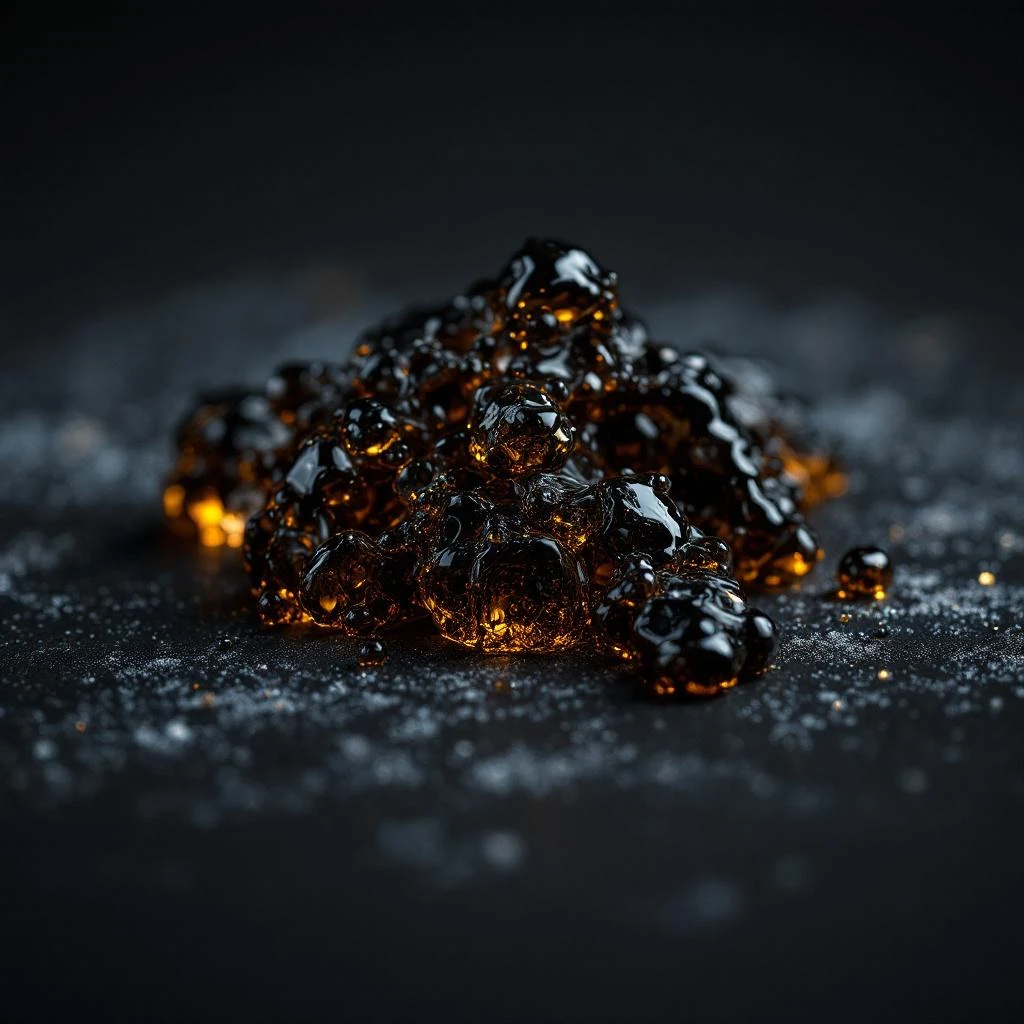
A luminous resinous note from the sacred Boswellia tree. Steam-distilled from aged gum resin, Orpur® frankincense carries ancient warmth, quiet smoke, and quiet depth that anchors a fragrance long after the top notes fade.

Character
How it smells
Ancient smoke, modern soul.
Somalia and Yemen were the ancient world's primary frankincense suppliers, fueling Arabian trade routes that reached Egypt and beyond.




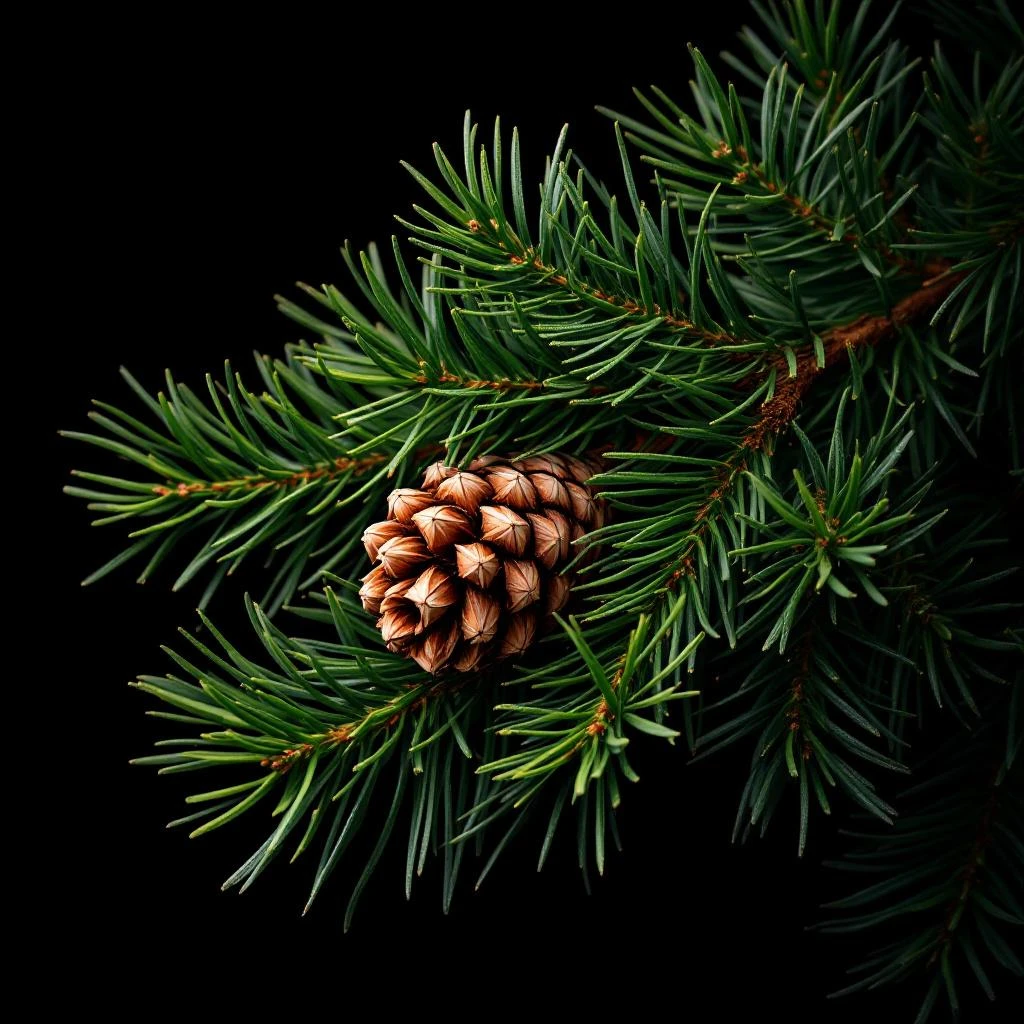
Origin
Somalia
Frankincense shaped the economies of the Arabian Peninsula and the Horn of Africa for millennia. Somalia and Yemen produced some of the most prized resin in the ancient world, traded alongside gold and spices along routes that connected Arabia with Egypt, Greece, and Rome.
Egyptian priests burned the resin in temples and incorporated it into cosmetics and balms. Arabian merchants controlled much of this supply, making frankincense a luxury commodity as valuable as silk was later to become.
The material carried unmistakable sacred weight: burned in religious rituals, presented as offerings, and woven into burial practices across multiple civilizations. In perfumery, it transitioned from ceremonial incense to a subtle fixative and heart-note, prized for the way it lends quiet gravity to a composition without dominating it.
Wears it best
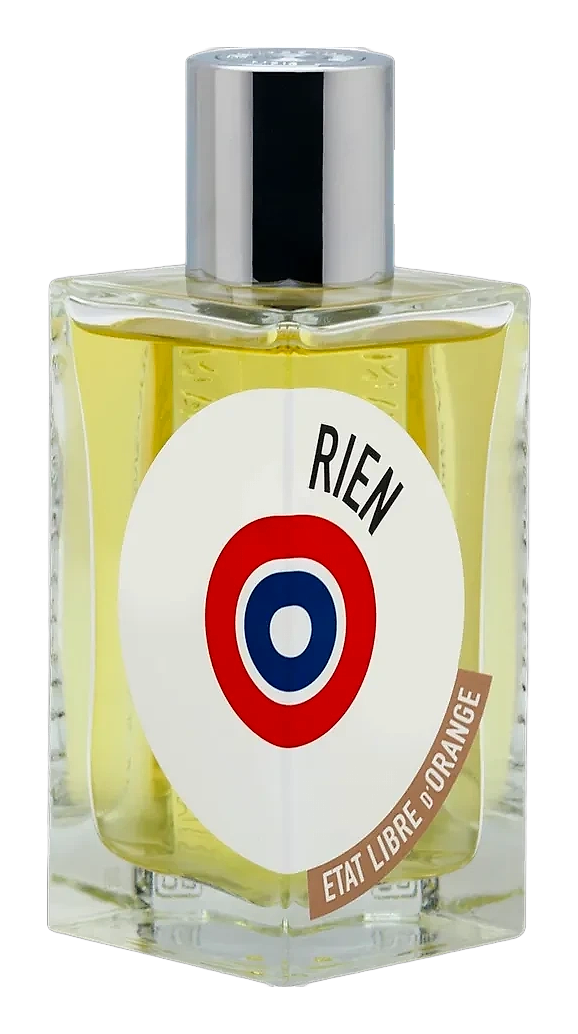
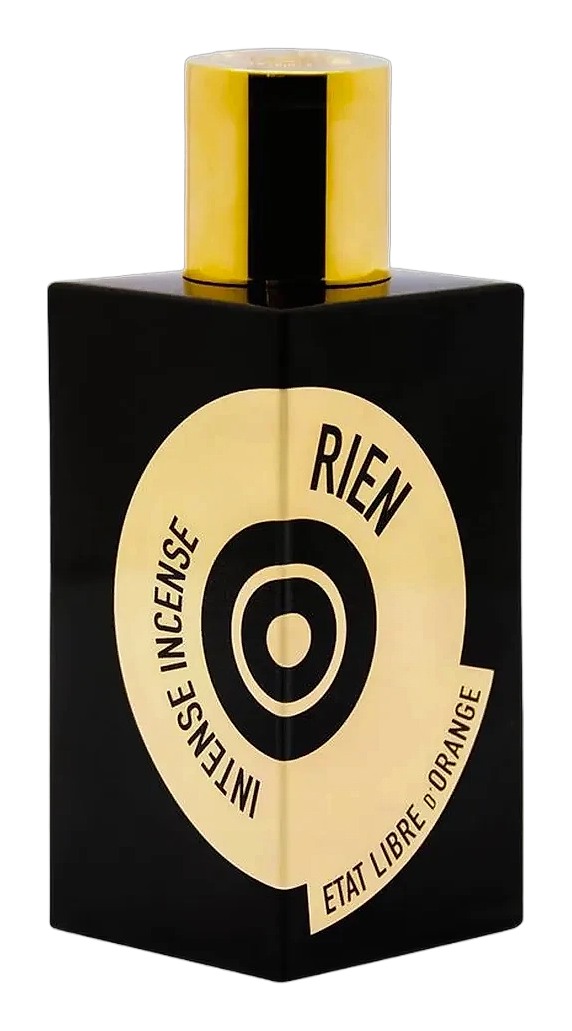
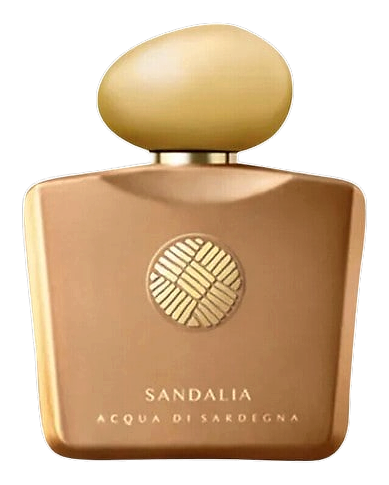
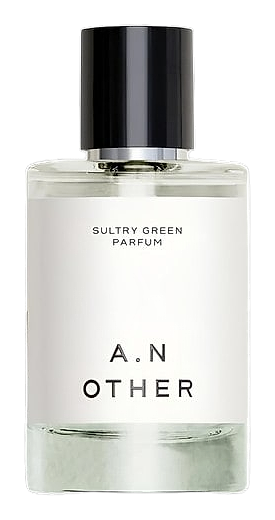
Fragrances featuring Frankincense Orpur
Brands
Brands known for Frankincense Orpur
Good to know
Questions, answered
The essentials on Frankincense Orpur in perfumery: how it smells, where it comes from, and how it behaves on skin.
What is Orpur® frankincense and how does it differ from standard frankincense?
Orpur® is Givaudan's branded frankincense extract, produced under their responsible sourcing program. The designation signals standardized quality and traceability rather than a different species or extraction method.
What does frankincense smell like in a fragrance?
Frankincense reads as warm, resinous, and slightly balsamic with airy smoke. Depending on the Boswellia species, it may carry citrus, pine, or spicy undertones. In perfumery, it acts as a quiet anchor rather than a loud statement.
Which Boswellia species are used for perfumery?
Boswellia sacra (Oman) yields premium resin with sweet, complex depth. Boswellia carterii (Somalia/Yemen) is widely used commercially. Boswellia papyrifera (Ethiopia/Eritrea) produces a lighter, more citrus-forward oil.
How is frankincense resin harvested without damaging the tree?
Skilled harvesters make shallow cuts into the Boswellia bark, allowing the oleo-gum-resin to weep out. Each tree is tapped sparingly across a season. The incisions must remain shallow enough for the bark to heal, which determines whether the tree survives for future harvests.
Is frankincense sustainable given overharvesting concerns?
Some Boswellia species face population decline due to over-tapping and habitat loss. Responsible sourcing programs like Orpur® require rotation schedules and limited tapping per tree to allow recovery.
Can frankincense be produced synthetically?
Synthetics like bornyl acetate or camphor derivatives can mimic parts of frankincense's profile, but the full complexity of natural resin cannot be replicated. Natural frankincense remains preferred in fine perfumery.
How long has frankincense been used in perfumery?
Frankincense has been used since ancient Egyptian temple ceremonies. Its transition to perfumery occurred gradually over centuries, with steam distillation becoming standard in the 19th century alongside other natural essential oils.
Does frankincense perform differently across fragrance formats?
Yes. In alcohol-based perfumes, frankincense projects softly and works best as a heart or base note. In solid perfumes, balms, or oils, the resinous qualities emerge more directly and project more closely to the skin.