Eucalyptol
Eucalyptol, also known as 1,8-cineole, is a cyclic ether that delivers cool, camphoraceous freshness. It dominates eucalyptus oil at up to 80% concentration and appears across tea tree, rosemary, and sage. In perfumery, it provides a crisp, medicinal clarity that sharpens and brightens fragrance compositions.
Character
How it smells
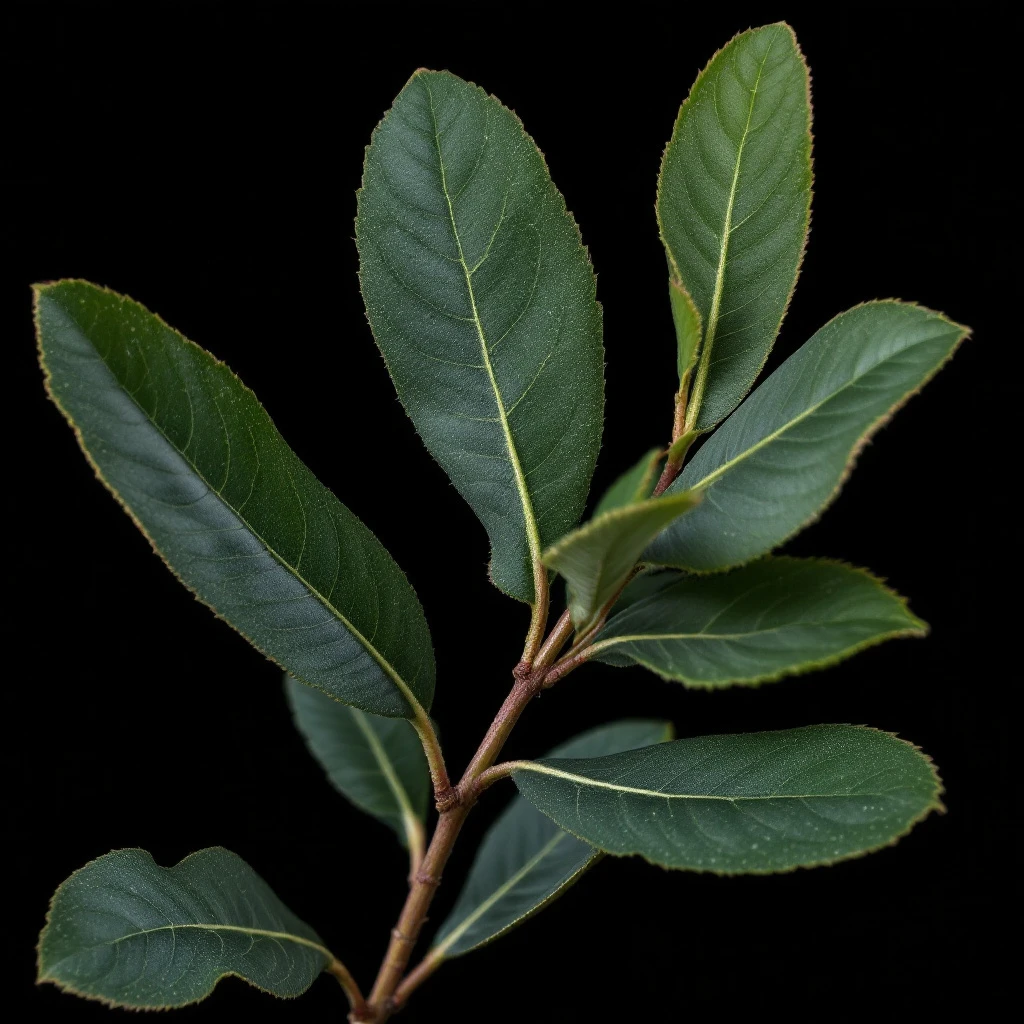
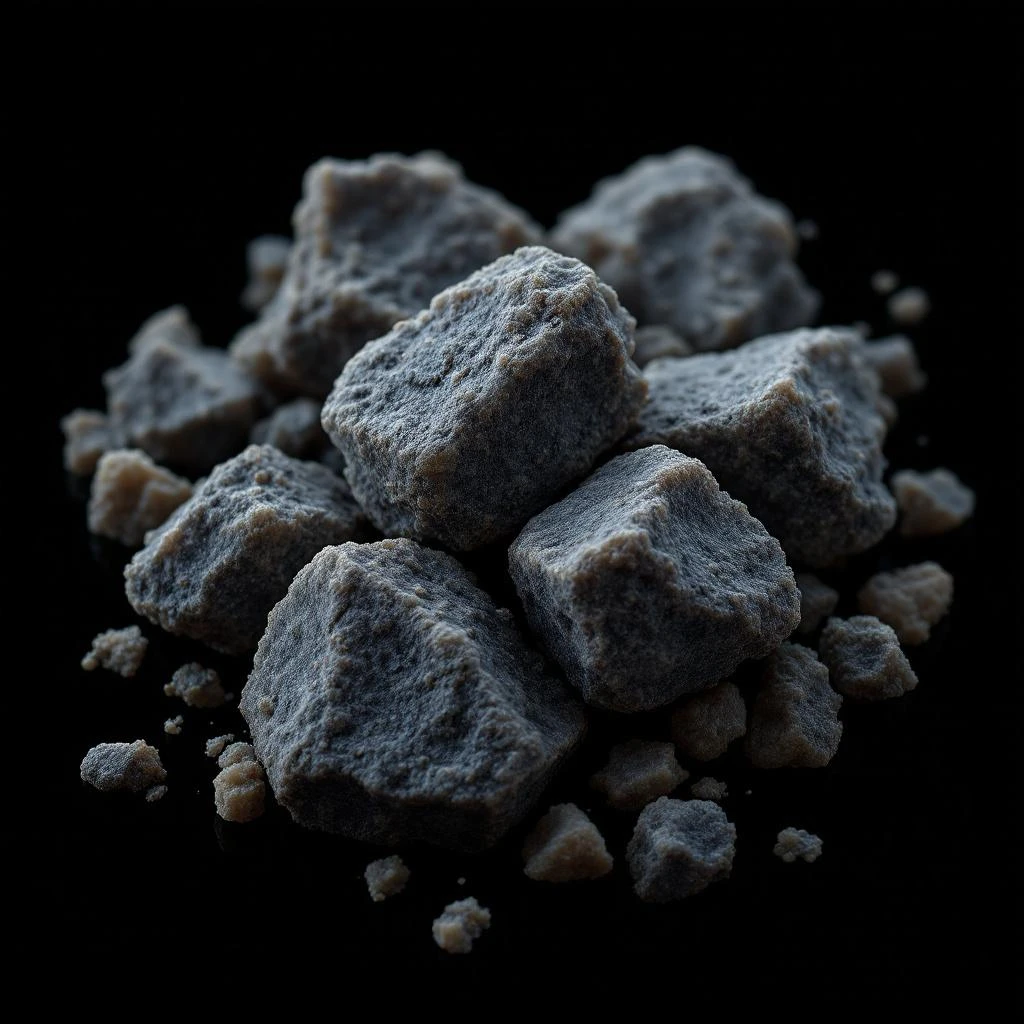
The crisp, medicinal clarity found in eucalyptus.
Australian Aboriginal peoples used eucalyptus for spiritual ceremonies long before colonial pharmacists established commercial oil production in 1852.



Origin
Australia
Australian Aboriginal peoples used eucalyptus leaves in healing rituals and ceremonial practices for thousands of years. Early colonial settlers noticed indigenous communities treating wounds and respiratory ailments with the leaves. In 1852, Melbourne pharmacist Joseph Bosisto established the first commercial eucalyptus oil production, selecting Eucalyptus radiata for its superior fragrance qualities.
By the 1870s, eucalyptus oil reached European markets and gained recognition in pharmaceutical preparations. Perfumers adopted eucalyptol as a synthetic-like natural isolate that provided consistent freshness without the variability of whole essential oils, cementing its role as a fragrance workhorse.
Wears it best
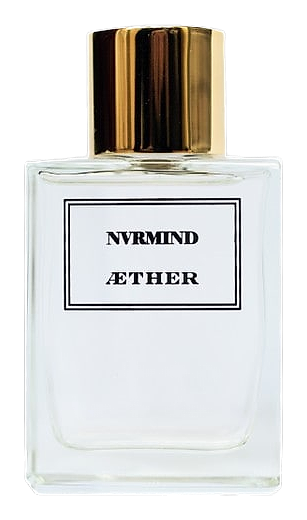
Fragrances featuring Eucalyptol
Brands
Brands known for Eucalyptol
Good to know
Questions, answered
The essentials on Eucalyptol in perfumery: how it smells, where it comes from, and how it behaves on skin.
What does eucalyptol smell like?
Eucalyptol has a sharp, cool, camphoraceous scent with menthol-like freshness. It smells like the mentholated clarity of eucalyptus oil without the sweeter undertones. Think of the immediate nasal clarity you get from smelling fresh rosemary or a eucalyptus cough drop.
Is eucalyptol natural or synthetic?
Eucalyptol is considered a natural isolate. It is derived from botanical sources through distillation, primarily from eucalyptus oil. The same molecule exists in nature in plants like rosemary and sage. However, it can also be produced synthetically from pinene.
What type of fragrance ingredient is eucalyptol?
Eucalyptol functions primarily as a freshening agent and modifier in fragrance compositions. It belongs to the ether class of aromatic chemicals and behaves as a top-to-middle note component that adds crisp, clean character to fragrance pyramids.
Which fragrances commonly use eucalyptol?
Eucalyptol appears across aromatic, fougere, and fresh fragrance families. It shows up in men's colognes, herbal perfumes, and any fragrance aiming for a natural eucalyptus or mentholated quality. Check the ingredient lists of aromatic fragrances for rosemary or eucalyptus as indicators.
What is the difference between eucalyptol and eucalyptus oil?
Eucalyptus oil is a whole essential oil containing eucalyptol alongside other compounds like alpha-pinene and limonene. Eucalyptol is an isolated molecule that provides the dominant eucalyptus character in concentrated form, offering more predictable fragrance performance.
Does eucalyptol have any therapeutic uses?
Eucalyptol has documented expectorant and anti-inflammatory properties. It appears in over-the-counter cough medications and topical analgesic preparations. Aromatherapists use it for respiratory support, though fragrance applications focus purely on its aromatic contribution.
Is eucalyptol safe for skin application?
Eucalyptol carries no restricted usage in the IFRA fragrance regulations when used within specified concentration limits. As with most concentrated fragrance materials, it should be properly diluted before skin application. Individual skin sensitivity testing is recommended.
How is eucalyptol different from menthol?
Eucalyptol and menthol share cooling, fresh qualities but differ in molecular structure. Menthol delivers a sweeter, more pronounced cooling sensation and appears prominently in mint oils. Eucalyptol provides sharper, more medicinal freshness typical of eucalyptus and rosemary.
In the same family