Epiphyllum
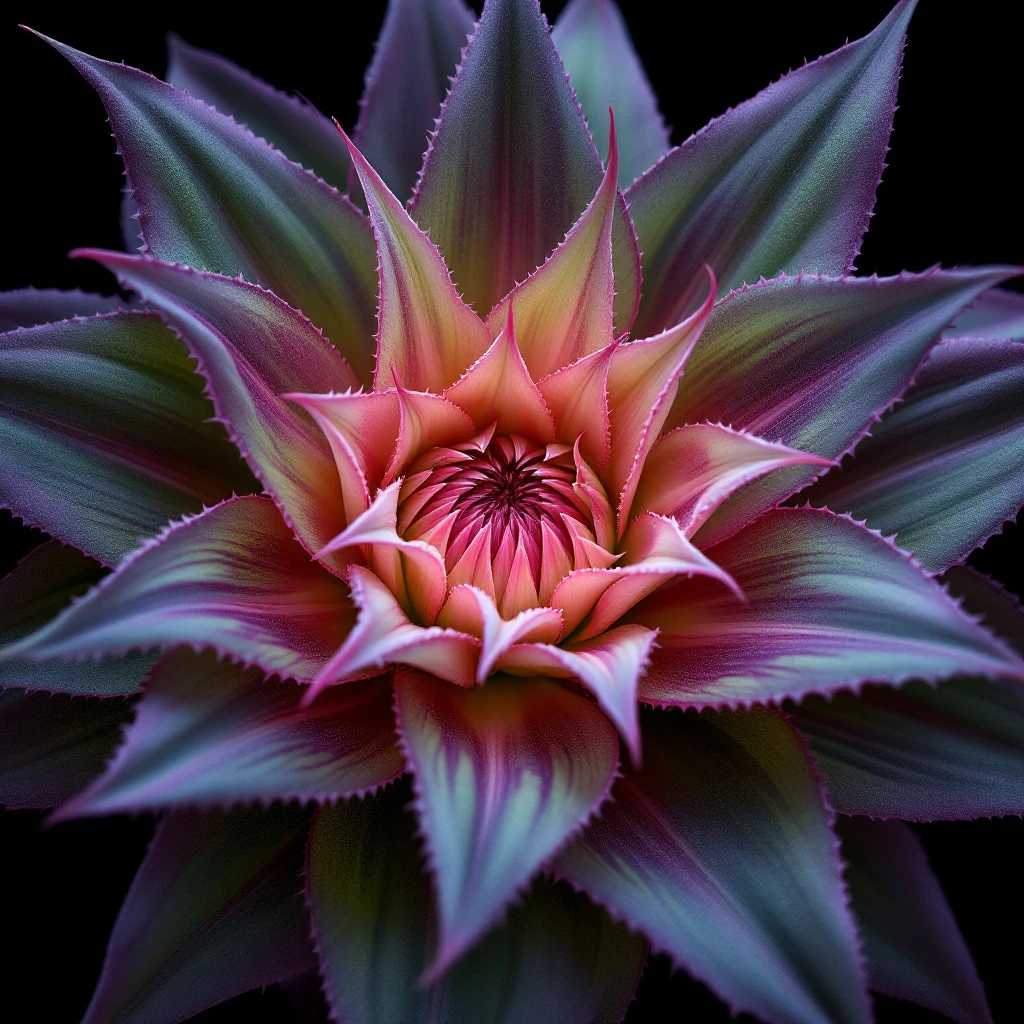
Epiphyllum, the queen of the night cactus, releases its perfume for only a few hours after sunset. This rare bloom yields one of perfumery's most ephemeral natural essences.
Character
How it smells
A flower that scents the night, once a year
Epiphyllum oxypetalum blooms for a single night per year, wilting by dawn, which makes natural extraction extraordinarily rare.
Origin
Mexico
Epiphyllum belongs to the cactus family but behaves unlike any desert plant. Native to Central America and parts of the Caribbean, the genus includes roughly a dozen species of epiphytic cacti that cling to tree branches in humid forests. The species most associated with fragrance, Epiphyllum oxypetalum, earned its nickname queen of the night from the dramatic spectacle of its nocturnal blooming.
Indigenous Mesoamerican cultures revered the plant long before European botanists catalogued it in the 18th century. Swedish taxonomist Carl Peter Thunberg formally described related species in the early 1800s, and specimens spread rapidly through Victorian glasshouse collections across Europe, where their rare flowering events drew crowds. In traditional medicine across Mexico and Central America, the flowers and stems served as cardiac and circulatory remedies.
The flower's legendary scent only entered serious perfumery consideration in the late 20th century, when advances in headspace analysis allowed chemists to map the volatile compounds released by living blooms. Before that technology, no commercial extraction method could capture what the flower offered for a few nocturnal hours.
Wears it best
Fragrances featuring Epiphyllum

Brands
Brands known for Epiphyllum
Good to know
Questions, answered
The essentials on Epiphyllum in perfumery: how it smells, where it comes from, and how it behaves on skin.
What does Epiphyllum smell like?
Epiphyllum oxypetalum produces a creamy, lush floral scent with soft green and aquatic facets. The bloom releases its strongest fragrance during the first two hours after opening, producing an intensity that can fill an entire garden.
Why is Epiphyllum so rare in perfumery?
Each flower opens for a single night and wilts by morning, leaving roughly eight harvest hours per bloom. This extreme brevity makes commercial-scale natural extraction impractical, so most Epiphyllum notes in modern fragrances are reconstructed using aroma compounds.
Is Epiphyllum the same as night-blooming cereus?
The names overlap but refer to different plants. Epiphyllum oxypetalum is one species commonly called queen of the night. True night-blooming cereus belongs to the genus Cereus or Selenicereus, a related but distinct cactus group.
Where does Epiphyllum grow naturally?
Epiphyllum species originate in the tropical forests of Mexico and Central America, where they grow as epiphytes on tree branches. They require humid shade rather than the arid conditions most people associate with cacti.
How is Epiphyllum fragrance captured?
When natural extraction occurs, fresh petals undergo solvent extraction to produce a concrete, then an absolute. Headspace technology has also been used to analyze the living flower's scent profile for accurate synthetic reconstruction.
Can you buy real Epiphyllum perfume?
Genuine Epiphyllum absolute exists in very limited quantities from specialist producers, typically at premium prices. Most consumer fragrances labeled with this note contain synthetic reconstructions that approximate the flower's nocturnal profile.
When does Epiphyllum bloom?
Epiphyllum oxypetalum typically blooms once per year, between late spring and early autumn depending on climate. The flowers begin opening at dusk and reach full display by midnight, then collapse before the following sunrise.
Is Epiphyllum used in traditional medicine?
Across Mexico and Central America, Epiphyllum species have been used in folk medicine for cardiovascular support and as anti-inflammatory remedies. Modern research has examined the plant's flavonoid content, though perfumery applications remain its most documented commercial use.





