Egyptian jasmine sambac absolute
Egyptian jasmine sambac absolute captures a rich, sensual white floral warmth with tropical depth. Grown in the Nile Delta and extracted with precision, this Arabian jasmine variety delivers heady sweetness and lingering warmth prized by master perfumers worldwide.
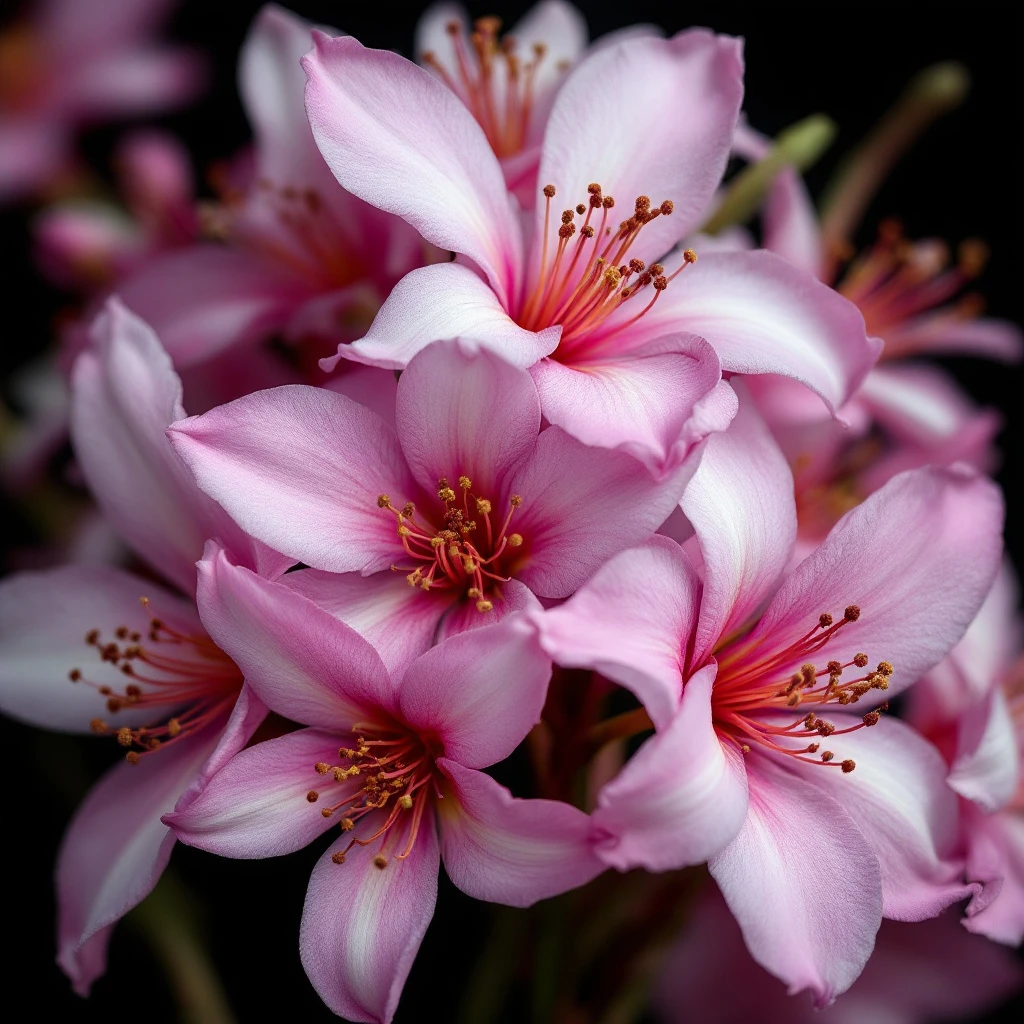
Character
How it smells
Egypt's night-blooming jewel of the Nile Delta.
Egypt's jasmine absolute trade: 8 million blossoms per kilogram, harvested by hand before the sun rises.



Origin
Egypt
Jasmine has perfumed human civilization for over 3,000 years. Jasminum sambac originated in South and Southeast Asia, where it graced gardens from India to the Philippines. Ancient cultures used it in religious ceremonies, cosmetics, and early perfumes before it reached the Arabian Peninsula and beyond.
Egyptian jasmine cultivation began in the 1850s, though Grasse, France, dominated commercial production through the early 20th century. After World War II, Egyptian cultivators expanded significantly in the fertile Nile Delta, eventually surpassing French output.
The village of Shubra Beloula in Gharbia governorate now produces roughly 60 percent of the world's jasmine absolute. Egyptian jasmine absolute became a benchmark for quality. Master perfumers sought its consistency and the particular warmth that Nile Delta terroir imparts.
Today, Egypt leads global jasmine absolute production, supplying raw material to fragrance houses worldwide. The industry sustains thousands of rural livelihoods, carrying forward traditions that predate modern perfumery.
Wears it best
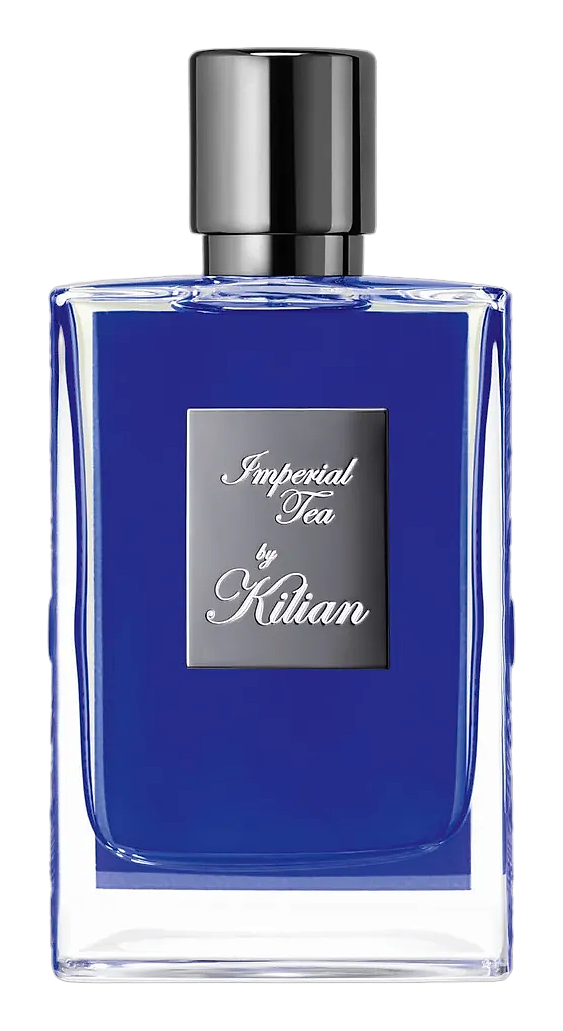
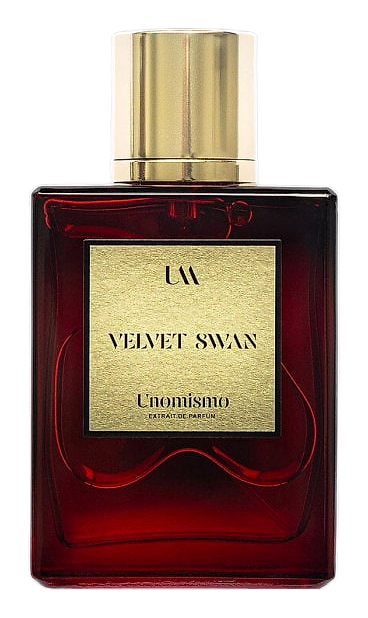
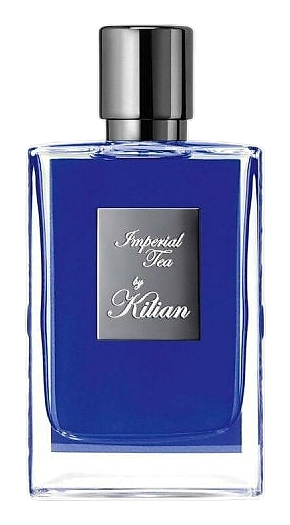
Fragrances featuring Egyptian jasmine sambac absolute

Brands
Brands known for Egyptian jasmine sambac absolute
Good to know
Questions, answered
The essentials on Egyptian jasmine sambac absolute in perfumery: how it smells, where it comes from, and how it behaves on skin.
What is jasmine sambac absolute?
Jasmine sambac absolute is a highly concentrated aromatic extract from Jasminum sambac flowers, produced via solvent extraction. It serves as a warm, diffusive heart note with white floral, oriental sweetness, musky, and heady incense qualities.
What does jasmine sambac absolute smell like?
It smells intensely warm and heady, with white floral sweetness balanced by musky undertones and hints of incense. Unlike sharper jasmine varieties, sambac has a lush, tropical quality that lingers on the skin.
What makes jasmine sambac different from other jasmine absolutes?
Jasmine sambac absolute has a distinctive indolic quality that adds depth and sensuality. Its playful musk character and oriental sweetness, combined with heady incense qualities, separate it from grandiflorum varieties.
Why is jasmine absolute so expensive?
The flowers are extremely delicate and must be harvested by hand before sunrise to capture peak fragrance. Roughly 8 million blossoms are required to produce a single kilogram of absolute, making labor costs a primary price driver.
Where does jasmine sambac grow best?
Jasmine sambac thrives in warm climates with significant day-night temperature variation. Egypt's Nile Delta produces approximately 60 percent of the world's jasmine absolute, with other major origins in India, China, and the Philippines.
What factors affect jasmine absolute quality?
Harvest timing is critical. Flowers picked at night or before sunrise yield more potent aromatic compounds. Soil composition, climate, and extractor expertise also influence the final absolute's complexity and consistency.
When is jasmine harvested in Egypt?
The harvest season runs June through October in Egypt. Flowers are picked daily at night or before sunrise to capture peak fragrance before they begin to close during daylight hours.
Why is solvent extraction used for jasmine absolute?
Jasmine blossoms release their aromatic compounds through cold enfleurage or solvent extraction, as steam distillation destroys the fragile molecules responsible for the characteristic scent. Solvent extraction captures the full aromatic profile.