Dyer's-broom
Genista tinctoria earned its keep for centuries as a golden dye plant before perfumers discovered its subtle floral charm. Native to European meadows, Dyer's broom delivers a quiet green-herbaceous fragrance with whispers of sweetness, a quiet star in classical and modern compositions alike.
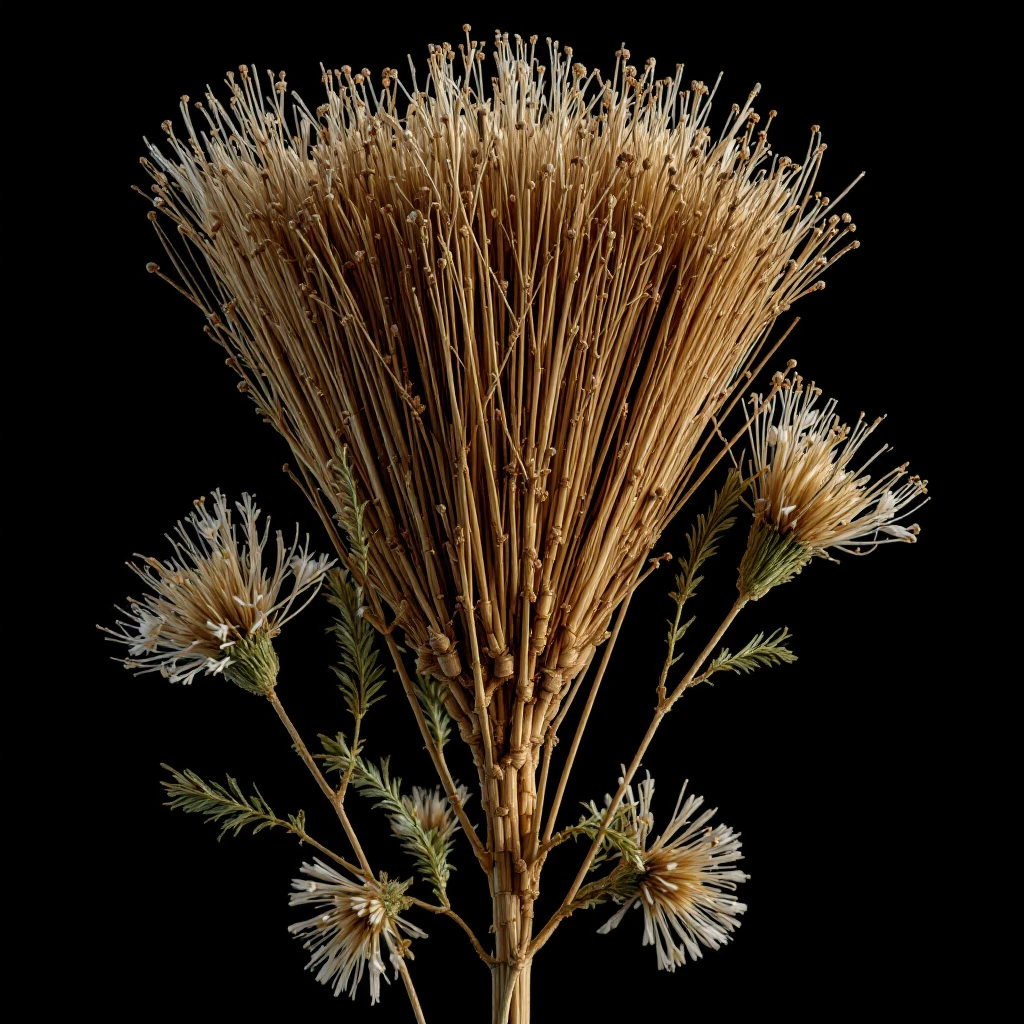
Character
How it smells
A quiet golden beauty from field to formula.
Dyer's broom once painted entire tapestries gold before it ever entered a fragrance.
Pairs beautifully with




Origin
France
Dyer's broom carries its name honestly: Genista tinctoria supplied the yellow-gold dyes for European textiles for over five centuries. Flemish and Italian weavers prized it alongside woad and weld for creating the rich golds seen in medieval tapestries and royal garments. Perfumery adoption came later, as artisans in 19th-century Grasse experimented with broom's delicate floral notes after the decline of enfleurage made capturing ephemeral flowers more challenging.
The plant's dual utility as dye and fragrance reflects a broader pattern in pre-industrial botany, where plants served multiple crafts simultaneously. Today, Dyer's broom remains a niche ingredient, prized by perfumers seeking green-herbaceous accents uncommon in mainstream materials.
Wears it best
Fragrances featuring Dyer's-broom
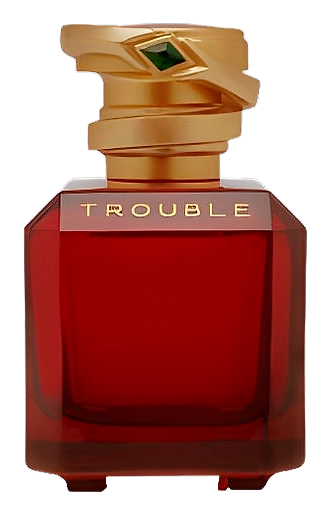
Brands
Brands known for Dyer's-broom
Good to know
Questions, answered
The essentials on Dyer's-broom in perfumery: how it smells, where it comes from, and how it behaves on skin.
What does Dyer's broom smell like?
Dyer's broom offers a subtle, broom-like scent with faint sweetness and a green-herbaceous quality. It adds quiet floral depth rather than dominant character to compositions.
Is Dyer's broom the same as common broom?
Both belong to the Genista genus family. Dyer's broom (Genista tinctoria) shares the green-herbaceous character with common broom (Cytisus scoparius), though extraction methods and regional growing conditions create subtle variations.
How is Dyer's broom absolute produced?
Producers extract Dyer's broom absolute by washing flower concretes with alcohol. The concrete itself comes from processing fresh flowers with volatile solvents, a method that preserves the flower's delicate aromatic compounds.
Why is Dyer's broom significant in textile history?
Dyer's broom served as a primary source for yellow and gold dyes in European textile production from roughly the 12th through 17th centuries, rivaling weld and woad for colorfastness.
Which perfume families use Dyer's broom?
Chypre, fougère, and green fragrance families incorporate Dyer's broom absolute for its subtle herbaceous-floral lift. It works best as a supporting note rather than a star ingredient.
Where does commercial Dyer's broom cultivation occur?
Southern France and Northern Italy host the primary production regions, where the plant thrives in limestone-rich meadow soils under Mediterranean climatic conditions.
Is Dyer's broom still commonly used in perfumery?
Dyer's broom remains a specialty ingredient rather than a mainstream material. Niche and artisan perfumers seek it for its unique green-floral profile unavailable in more common materials.
What makes Dyer's broom unusual among fragrance ingredients?
Few ingredients carry dual historical significance as both a major dye plant and a fragrance material. Dyer's broom uniquely bridges textile arts and perfumery traditions spanning five centuries.




