Cyclamen aldehyde
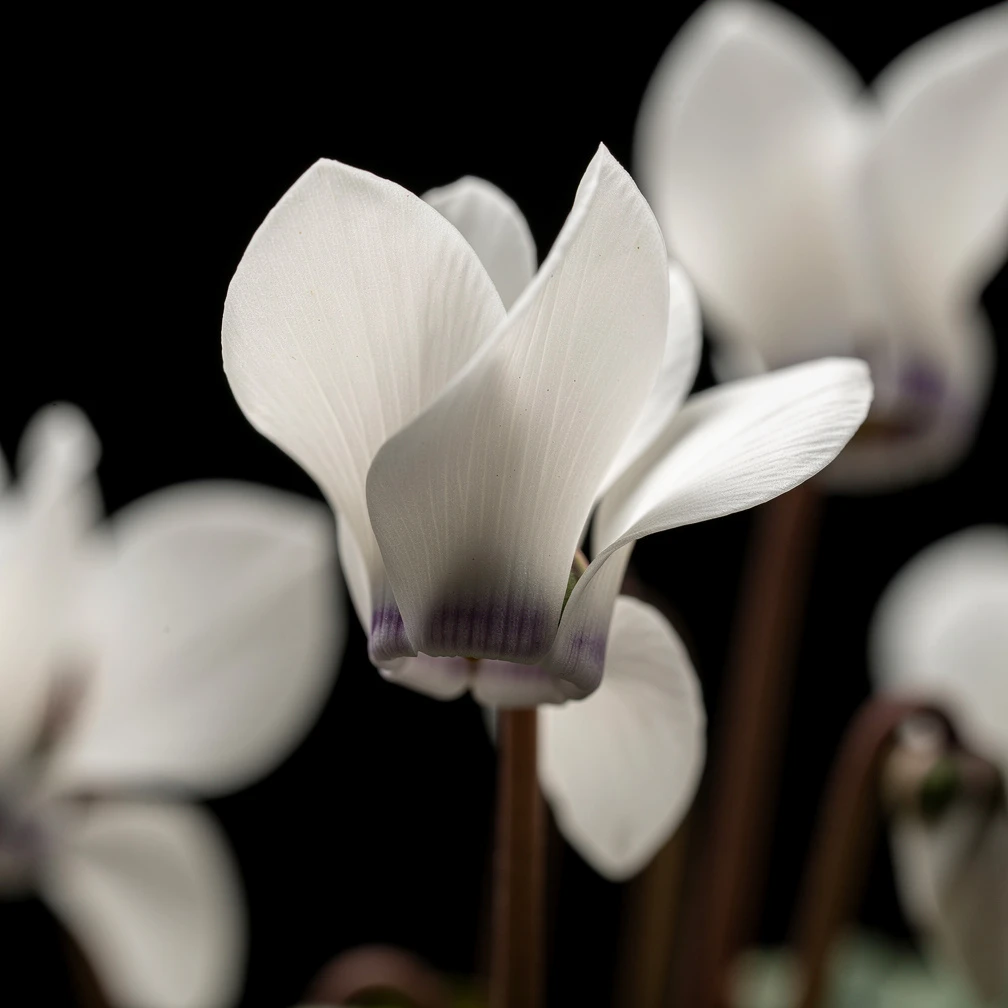
Cyclamen aldehyde is a synthetic green-floral aldehyde with exceptional substantivity and bloom. It recreates the fresh, dewy quality of cyclamen flowers, which are nearly impossible to extract naturally. Widely used to add fresh, ozonic depth to modern fragrances.
Character
How it smells
Synthetic green-floral molecule capturing the dewy essence of spring cyclamen blooms
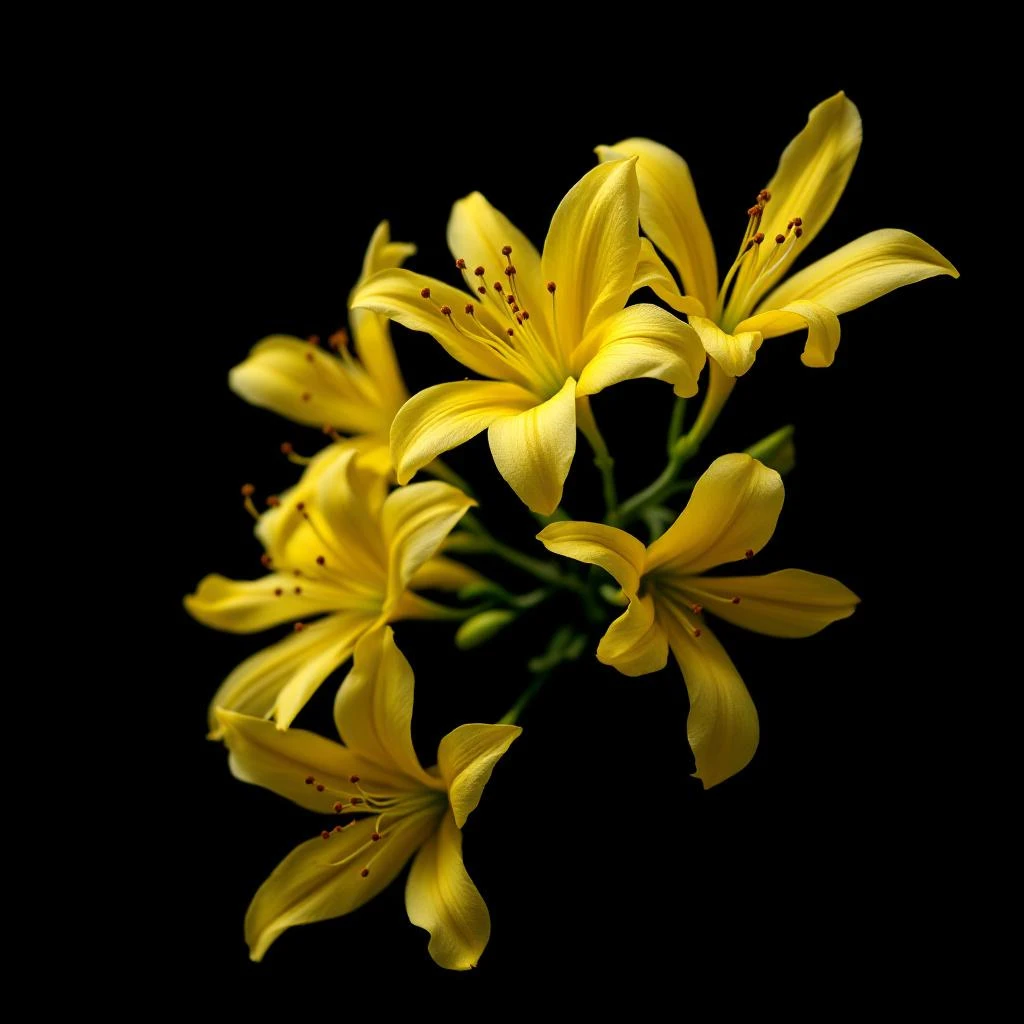
Cyclamen aldehyde does not exist in nature at all. Every drop used in perfumery is entirely synthesized in a laboratory, yet it faithfully recreates the scent of a flower that cannot be extracted.





Origin
Global production
The aldehyde family was discovered in 1835 by German chemist Baron Justus von Liebig, fundamentally changing perfumery's raw material palette. Cyclamen aldehyde specifically emerged from fragrance chemistry in 1932, documented in US Patent 1,844,013. This timing placed it squarely in an era when perfumers were exploring synthetic materials following the aldehyde revolution sparked by Chanel No.
5 in 1921. The compound represents perfumery's ability to recreate scents from flowers that resist natural extraction. Cyclamen flowers contain aromatic compounds in such low concentrations that traditional extraction methods fail to capture their essence.
By synthesizing cyclamen aldehyde, chemists gave perfumers access to a fresh, dewy floral note that would otherwise remain beyond reach, democratizing a previously inaccessible fragrance character across the industry.
Wears it best
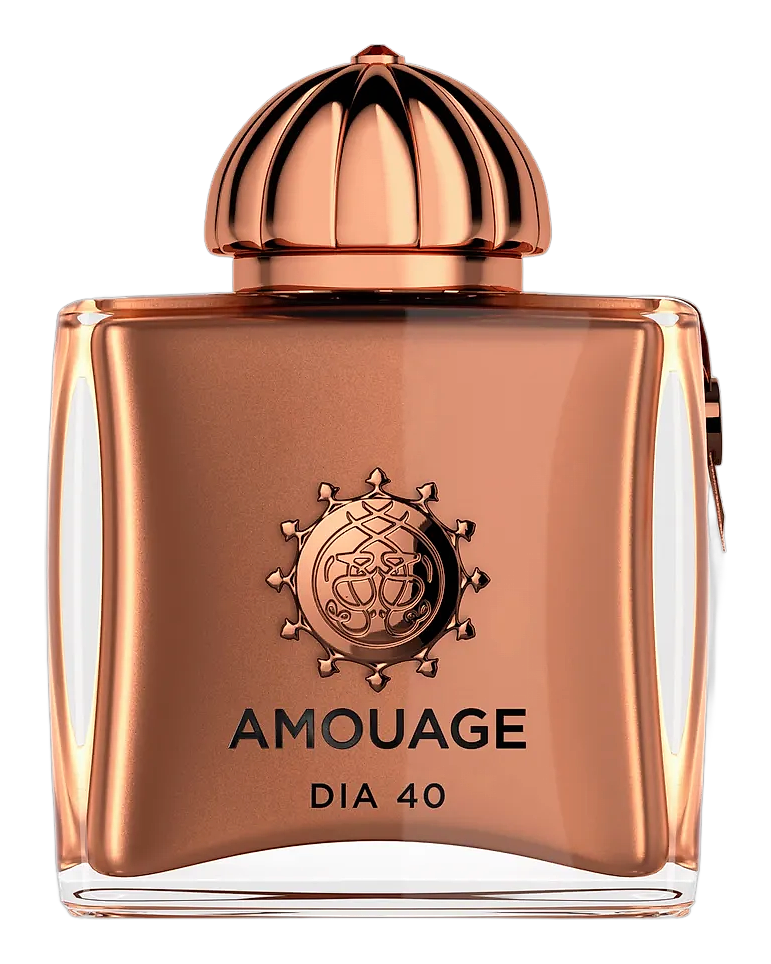
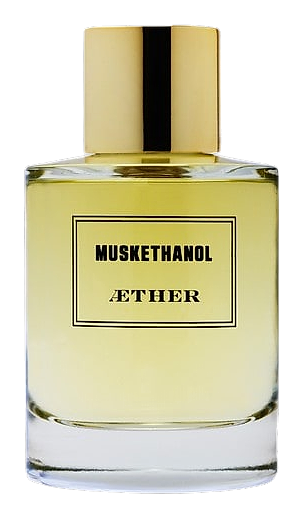
Fragrances featuring Cyclamen aldehyde
Good to know
Questions, answered
The essentials on Cyclamen aldehyde in perfumery: how it smells, where it comes from, and how it behaves on skin.
What does Cyclamen aldehyde smell like in perfume?
Cyclamen aldehyde smells like fresh, dewy floral notes with green undertones. It captures the watery, ozonic quality of cyclamen blossoms that cannot be replicated by natural extracts. Perfumers describe it as delivering crisp, airy floralcy that lifts a fragrance composition.
Why is Cyclamen aldehyde used in perfumery?
Cyclamen aldehyde provides exceptional substantivity and bloom, meaning it lasts long and expands beautifully when applied. It also recreates cyclamen's fresh, dewy character which is impossible to extract from natural flowers. The molecule adds green-floral depth to fresh, ozonic, and marine fragrance themes.
Is Cyclamen aldehyde in perfume natural or synthetic?
Cyclamen aldehyde is entirely synthetic and does not exist in nature. Every molecule used in perfumery is chemically synthesized. Despite being artificial, it faithfully replicates the scent of cyclamen flowers, which resist natural extraction due to their extremely low aromatic compound concentration.
What famous perfumes contain Cyclamen aldehyde?
While specific reformulation details are rarely disclosed, cyclamen aldehyde appears in numerous fresh and ozonic fragrances from the 1980s onward. The molecule is particularly associated with aquatic and green chypre structures. Its use spans designer and niche fragrances requiring fresh, dewy floralcy.
Is Cyclamen aldehyde a top note, heart note, or base note?
Cyclamen aldehyde typically functions as a heart note in fragrance construction, contributing fresh floralcy that bridges top and base elements. Its substantivity allows it to remain detectable throughout development, though it projects most prominently in the fragrance's mid-phase.
What notes pair well with Cyclamen aldehyde in perfume?
Cyclamen aldehyde pairs naturally with ozonic, marine, and green notes like calone, cis-3-hexenol, and Galbanum. It also blends well with lily-of-the-valley, rose, and jasmine for added floralcy. Citrus top notes and musky bases complement its fresh, dewy character.
Where does Cyclamen aldehyde come from?
Cyclamen aldehyde comes entirely from chemical synthesis, first patented in US Patent 1,844,013 in 1932. Its chemical structure (para-isopropyl-alpha-methyl hydrocinnamaldehyde) is created through controlled industrial processes. No botanical source exists; it is purely a laboratory creation.
Is Cyclamen aldehyde used in men's or women's fragrances?
Cyclamen aldehyde is gender-neutral in modern perfumery, appearing equally in men's and women's fragrances. Its fresh, clean character suits unisex and gender-fluid compositions. The molecule supports both masculine fougere structures and feminine floral bouquets.