Corsican Clementine
A zesty burst of Mediterranean sunshine captured in oil form. Corsican Clementine delivers a bright, unmistakably fresh citrus accord that opens fragrances with immediacy and joy. Harvested from sun-drenched groves on the island of Corsica, this ingredient brings together the sweetness of ripe fruit with a subtle, sophisticated complexity.

Character
How it smells
Mediterranean citrus with a sweet, complex soul.
Clementines were born as an accidental hybrid in Algeria: brother Clément crossed a mandarin with a bitter orange, naming the result after himself. Corsica now produces some of the world's most prized specimens, protected under European GI status.




Origin
France
The clementine arrives late to perfumery history. The hybrid emerged around 1900 in Algeria, where Brother Clément of the White Fathers monastery conducted what began as agricultural experiments in citrus. He crossed the sweet mandarin with the hardier, more disease-resistant bitter orange. The resulting fruit was sweeter, easier to peel, and seedless.
Colonial administrators spread the variety across the Mediterranean basin. Corsica proved ideal: volcanic soil, steep maritime ridges that shield groves from wind, and 2,600 hours of annual sunshine. By the mid-20th century, Corsican clementines had earned international reputation among chefs. Perfumery adopted the fruit later, as naturists and independent houses sought alternatives to common citrus oils.
The island produces a distinct biotype today, with a protected geographic indication under EU law. A handful of French fragrance houses now maintain direct sourcing relationships with Corsican growers.
Wears it best
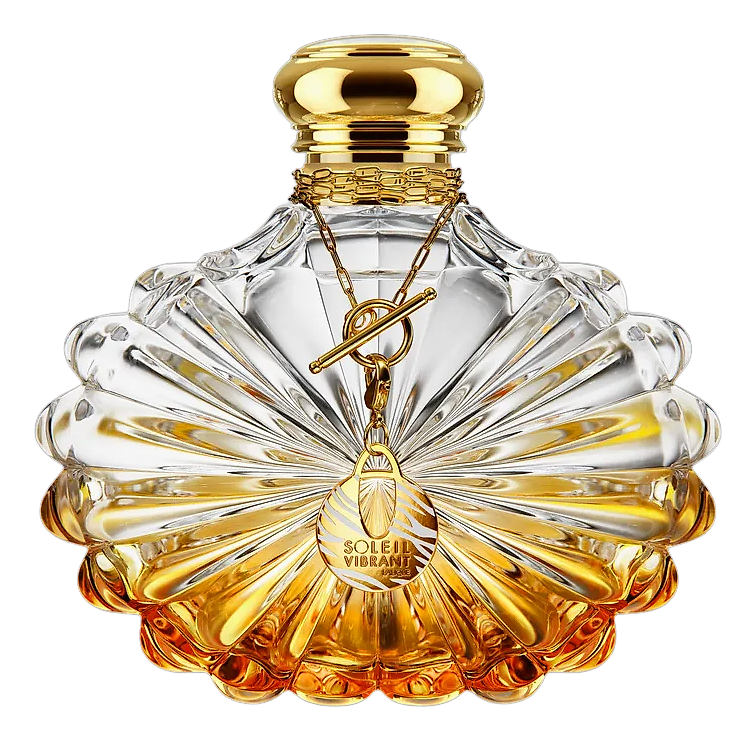
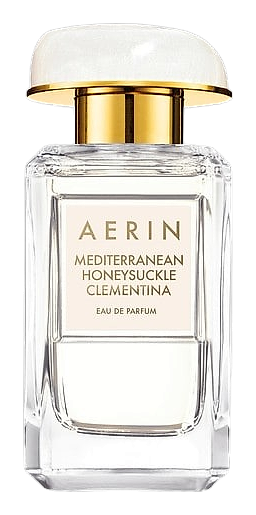
Fragrances featuring Corsican Clementine
Good to know
Questions, answered
The essentials on Corsican Clementine in perfumery: how it smells, where it comes from, and how it behaves on skin.
What makes Corsican Clementine different from regular clementine oil?
Corsican clementines grow in specific volcanic soil and maritime conditions that give their peel a brighter, more complex aromatic profile. The island's microclimate and EU-protected geographic indication mean the fruit develops a notably balanced sweetness uncommon elsewhere.
Is Corsican Clementine a natural or synthetic ingredient?
It is a fully natural ingredient. Perfumers obtain it through cold expression of the fruit peel, a mechanical extraction that requires no solvents or synthetic compounds.
What does Corsican Clementine smell like?
The oil opens with an immediate, sunny citrus burst, predominantly sweet orange and tangerine. Beneath that brightness sits a green, slightly aldehydic nuance that gives it more depth than standard mandarin oil. Dry-down remains clean and uplifting.
How is Corsican Clementine oil produced?
After hand-harvesting at peak ripeness, workers transport fruit to nearby facilities where mechanical rollers puncture the peel. Pressure expression forces out the aromatic oil, which is then centrifuged to remove water and waxes. Speed and temperature control throughout the process determine the final quality.
Where does Corsican Clementine rank in citrus fragrance ingredients?
It occupies a niche but respected position. While bergamot and lemon dominate classic perfumery, clementine offers a sweeter, fruitier citrus avenue. It appears primarily in modern, naturals-focused compositions where brands highlight ingredient provenance.
Does Corsican Clementine hold well in a fragrance formula?
As a citrus top note, it functions best in the opening and heart phases. Longevity depends on the carrier formula and fixatives used alongside it. Sandalwood or ambroxan bases extend its perceived presence on skin.
Can Corsican Clementine be paired with other citrus notes?
Yes, and the combination often works better than the sum of its parts. Bergamot adds structure and bitterness that contrast clementine's sweetness. Petitgrain introduces green leafiness. Neroli grounds the brightness with a floral warmth.
Is cold expression safe for the environment and workers?
Cold expression requires no solvents and generates minimal chemical waste. The process is labor-intensive and time-sensitive, supporting skilled agricultural jobs in rural Corsica. When sourced responsibly, it represents one of the more sustainable extraction methods in the industry.