Coffee Resinoid
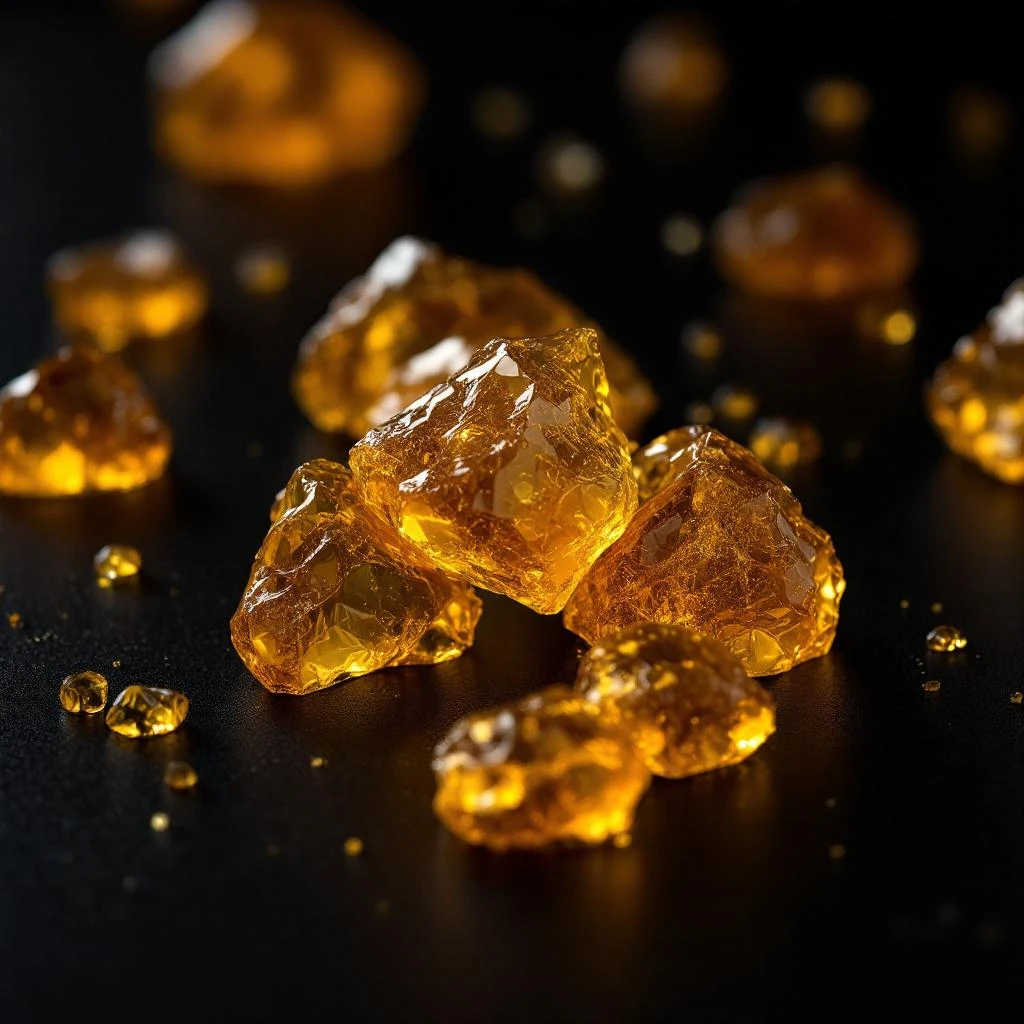
Coffee Resinoid is a rich, aromatic resin extracted from roasted coffee beans, prized in perfumery for its deep, smoky warmth and complex bitter-sweet character.
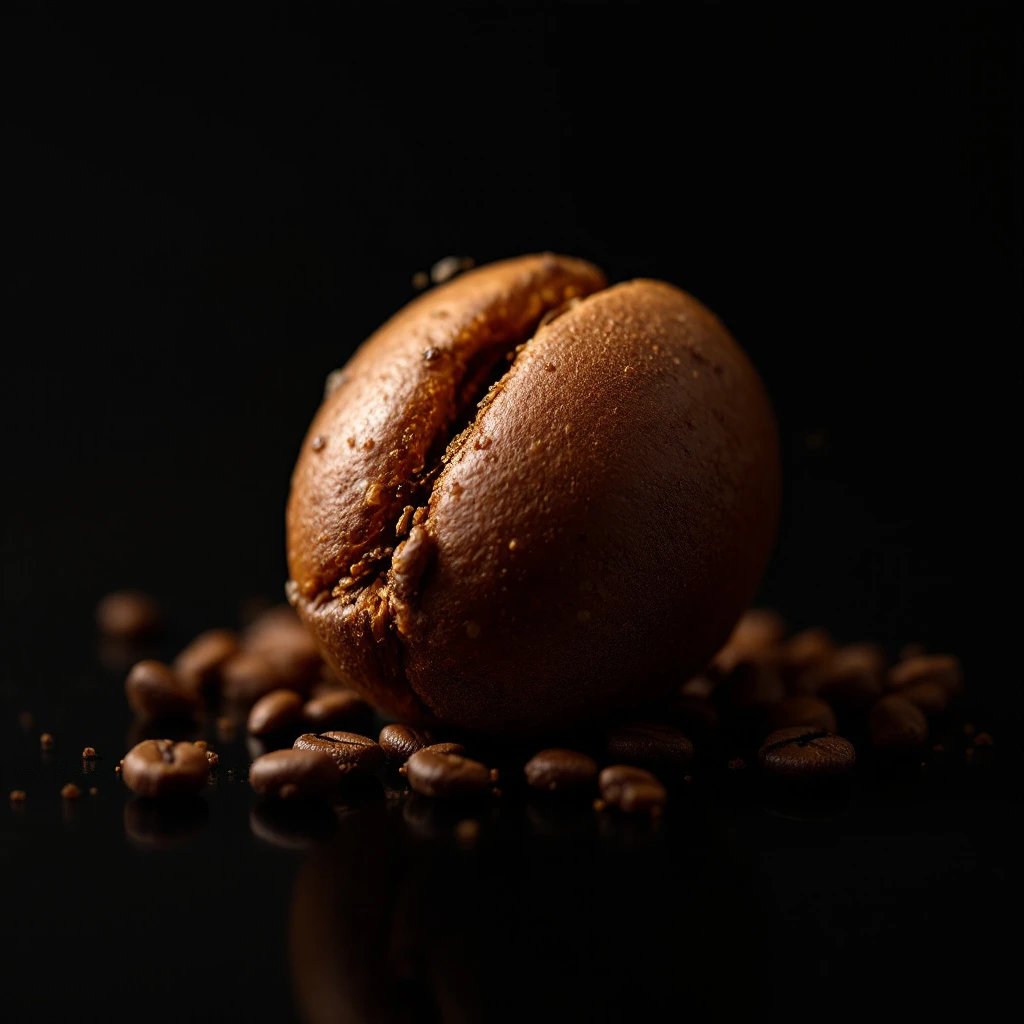
Character
How it smells
Bold, roasted, and unapologetically warm.
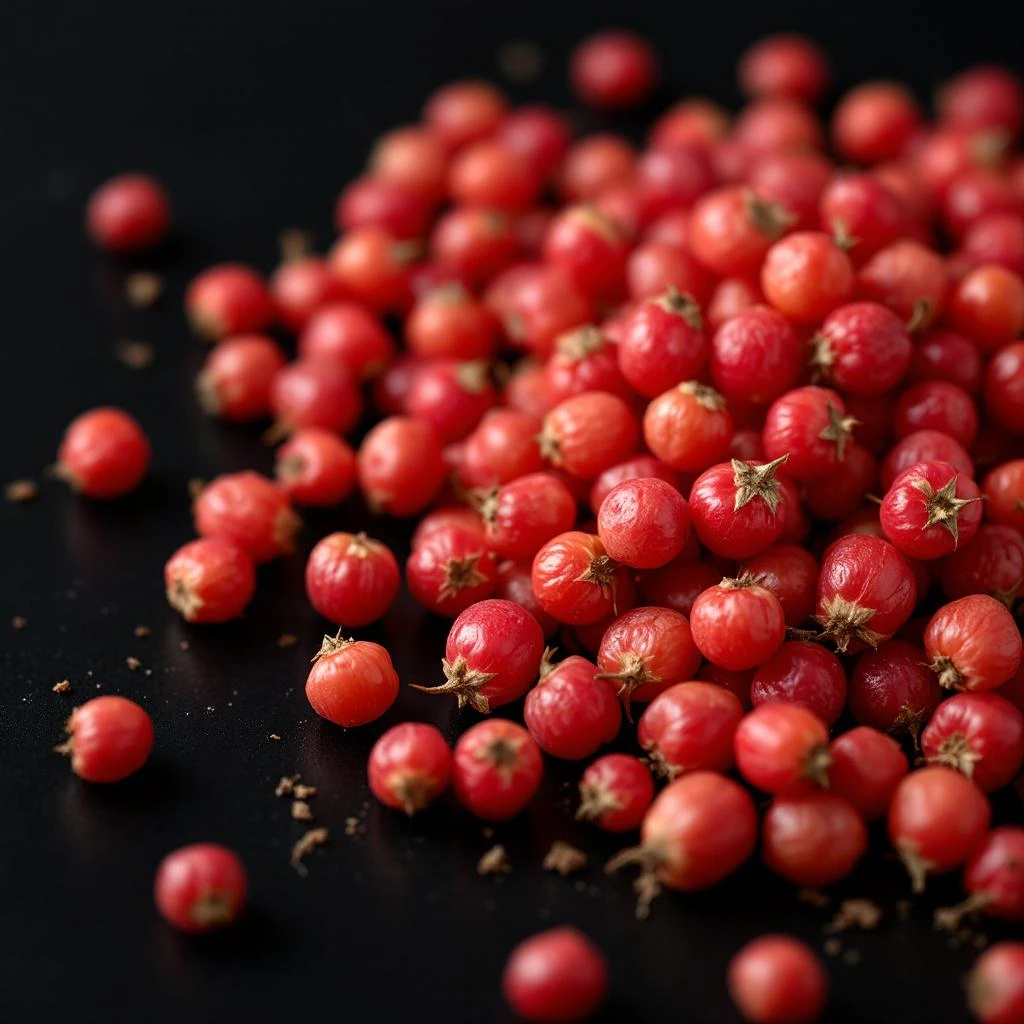
Coffee roasting was discovered accidentally when a goatherd in Ethiopia noticed his goats became frisky after eating red coffee cherries.


Origin
Ethiopia
Coffee originated in the highlands of Ethiopia, where local legend traces its discovery to a 9th-century goatherd named Kaldi, who observed his goats became unusually energetic after eating red coffee cherries. By the 15th century, coffee cultivation had spread to Yemen, where Sufi monks brewed it as an aid to nocturnal devotion. The drink reached Mecca and Cairo, and Ottoman traders introduced it to Constantinople around 1540, establishing coffee houses that functioned as social and intellectual centers across the Islamic world.
European travelers encountered coffee in the 17th century; the first coffee house opened in Venice in 1625, followed by Oxford in 1650 and London in 1652. As global trade expanded coffee consumption, perfumers began studying its aromatic chemistry. Modern perfumery first incorporated coffee extracts in the 20th century, recognizing that the same furfural, pyrazines, and phenolic compounds responsible for roasted coffee's appeal could add remarkable depth to fragrance dry-downs.
Today, coffee resinoid represents a bridge between culinary tradition and fine perfumery.
Wears it best
Fragrances featuring Coffee Resinoid
Brands
Brands known for Coffee Resinoid
Good to know
Questions, answered
The essentials on Coffee Resinoid in perfumery: how it smells, where it comes from, and how it behaves on skin.
What is Coffee Resinoid?
Coffee Resinoid is a solvent-extracted aromatic material produced from roasted coffee beans. It captures the full depth of coffee's aroma in a viscous, dark resin form, used to add roasted, smoky warmth to perfume compositions.
What does Coffee Resinoid smell like?
Coffee Resinoid smells intensely roasted and bitter, with deep notes of dark chocolate, burnt caramel, and a smoky, almost tarry base. It carries both sweet and bitter dimensions simultaneously.
Is Coffee Resinoid natural?
Yes. Coffee Resinoid is a natural ingredient derived through solvent extraction of roasted coffee beans. The solvents used are food-grade and removed during processing, leaving behind a natural aromatic concentrate.
Which coffee species produces the best resinoid?
Coffea arabica yields a more refined, fruity-resinous extract, while Coffea canephora produces a bolder, more intensely bitter resinoid. Many perfumers blend both to balance complexity and strength.
How does Coffee Resinoid differ from Coffee Absolute?
Coffee Absolute is produced from the concrete using alcohol extraction and typically captures lighter, more volatile aroma molecules. Resinoid retains heavier, more resinous compounds and provides superior tenacity and depth in the base notes of a fragrance.
Which perfume families use Coffee Resinoid most?
Coffee Resinoid appears most often in oriental, leather, tobacco, and chypre fragrances. It pairs well with vanilla, tonka bean, benzoin, and smoky woods, adding an addictive roasted warmth to the dry-down.
Why is Coffee Resinoid used instead of actual coffee?
Raw coffee contains water and hundreds of volatile and non-volatile compounds that make direct use impractical. Extraction concentrates and stabilizes the aromatic molecules, giving perfumers a consistent, potent material with a shelf life measured in years.
Does roasting level affect the resinoid's character?
Light roasting preserves more green, slightly bitter coffee notes, while dark roasting develops richer chocolate and smoky characteristics. Most perfumers specify medium-to-dark roasted beans for the most complex resinoid.