Coconut Mousse
An airy, creamy accord capturing the soft sweetness of fresh coconut meat. Coconut Mousse brings a lactonic warmth and velvety texture to fragrances, evoking sun-warmed beaches and tropical indulgence.
Character
How it smells
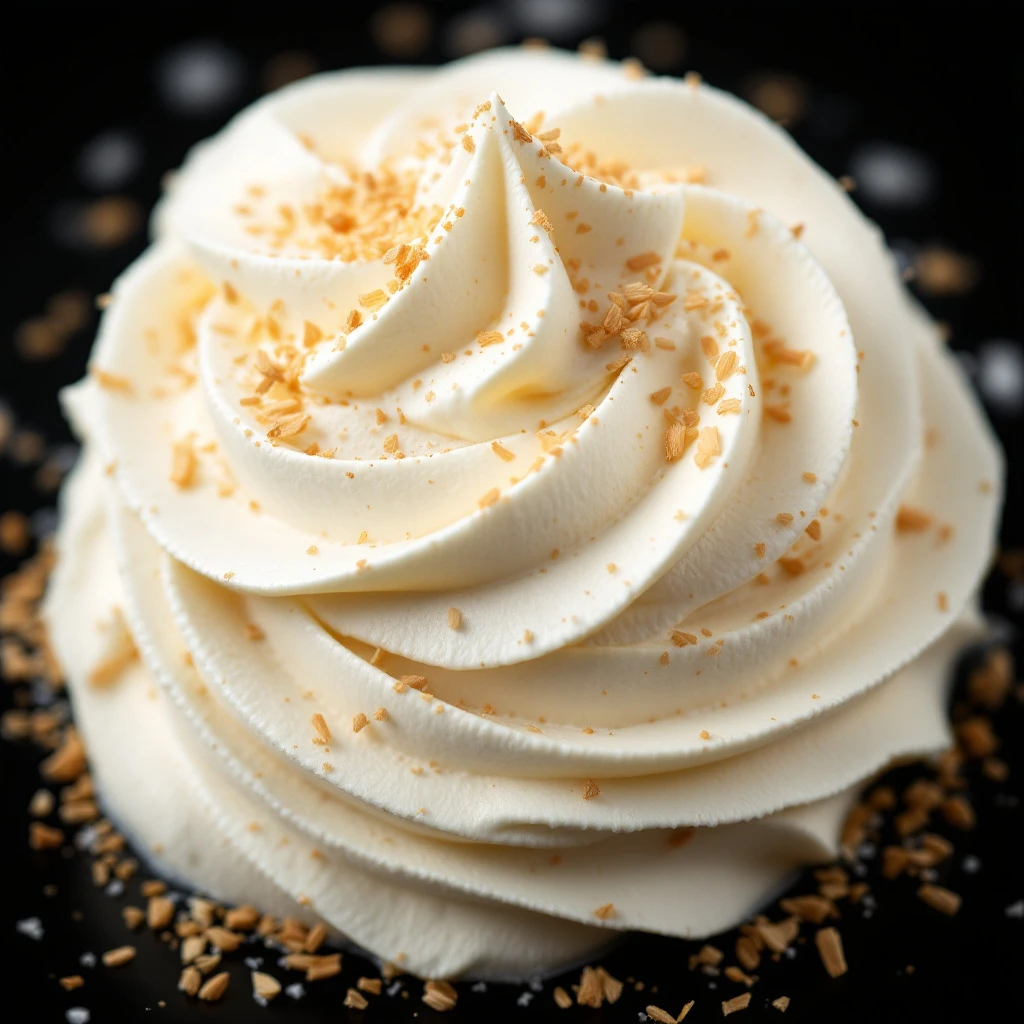
The tropical comfort of coconut cream, whipped into airy softness.
One coconut palm can produce up to 200 fruits per year, each containing refreshing water that perfumers sometimes reference when crafting tropical accords.
Pairs beautifully with


Origin
Philippines
Coconut has perfumed human rituals across tropical regions for thousands of years, from Polynesian ceremonies to Ayurvedic applications in South Asia. Ancient cultures valued coconut oil for its fragrance and skin benefits. In perfumery, coconut emerged as a distinct note during the twentieth century, gaining prominence in tropical and gourmand fragrances.
The "mousse" descriptor reflects modern perfumery's move toward lighter textures, capturing coconut's airy, whipped quality rather than its heavier, buttery aspects. Contemporary perfumers treat coconut as a sophisticated material, balancing its tropical warmth with refined elegance.
Wears it best
Fragrances featuring Coconut Mousse
Brands
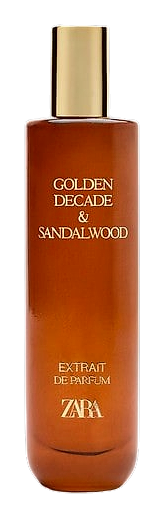
Brands known for Coconut Mousse
Good to know
Questions, answered
The essentials on Coconut Mousse in perfumery: how it smells, where it comes from, and how it behaves on skin.
Is Coconut Mousse a natural or synthetic ingredient?
Coconut Mousse is an accord blending natural coconut-derived materials with synthetic aroma chemicals. This combination provides both authenticity and consistency, ensuring reliable performance across fragrance batches.
What does Coconut Mousse smell like?
Coconut Mousse smells creamy, sweet, and lactonic with an airy, whipped texture. It captures coconut's soft flesh character without the heavy oiliness of coconut butter, making it lighter and more nuanced on skin.
Where does coconut used in perfumery come from?
Major coconut-producing regions include the Philippines, Indonesia, Thailand, and India. These tropical climates provide the warm, humid conditions coconut palms need to produce the fruit used in fragrance materials.
How does Coconut Mousse perform on skin?
Coconut Mousse typically projects softly and stays close to the skin. Its lactonic character means it unfolds gradually, with moderate longevity that suits intimate, personal fragrance wear.
What fragrance families use Coconut Mousse?
Coconut Mousse appears primarily in gourmand and tropical fragrances. Perfumers pair it with vanilla, sandalwood, and other warm notes, or contrast it with marine and citrus elements for a beach-inspired effect.
Can Coconut Mousse trigger allergies?
Coconut-derived fragrance materials may contain compounds like coumarin that cause reactions in sensitive individuals. Checking ingredient lists and patch testing helps identify personal sensitivities.
How does Coconut Mousse differ from coconut absolute?
Coconut absolute is a single extracted material with natural variation between batches. Coconut Mousse is a deliberately blended accord that achieves consistent character through both natural and synthetic components.
What aromatic molecules create Coconut Mousse's creamy character?
Key molecules include delta-decalactone for coconut creaminess, coumarin for sweet warmth, and vanillin for creamy depth. These blend with heliotropin and gamma-undecalactone to complete the accord's profile.