Coconut Candy
Sun-drenched sweetness captured in a bottle. Coconut Candy brings tropical warmth to fragrances with its creamy, confectionery warmth that evokes lazy beach afternoons and golden hour light.
Character
How it smells
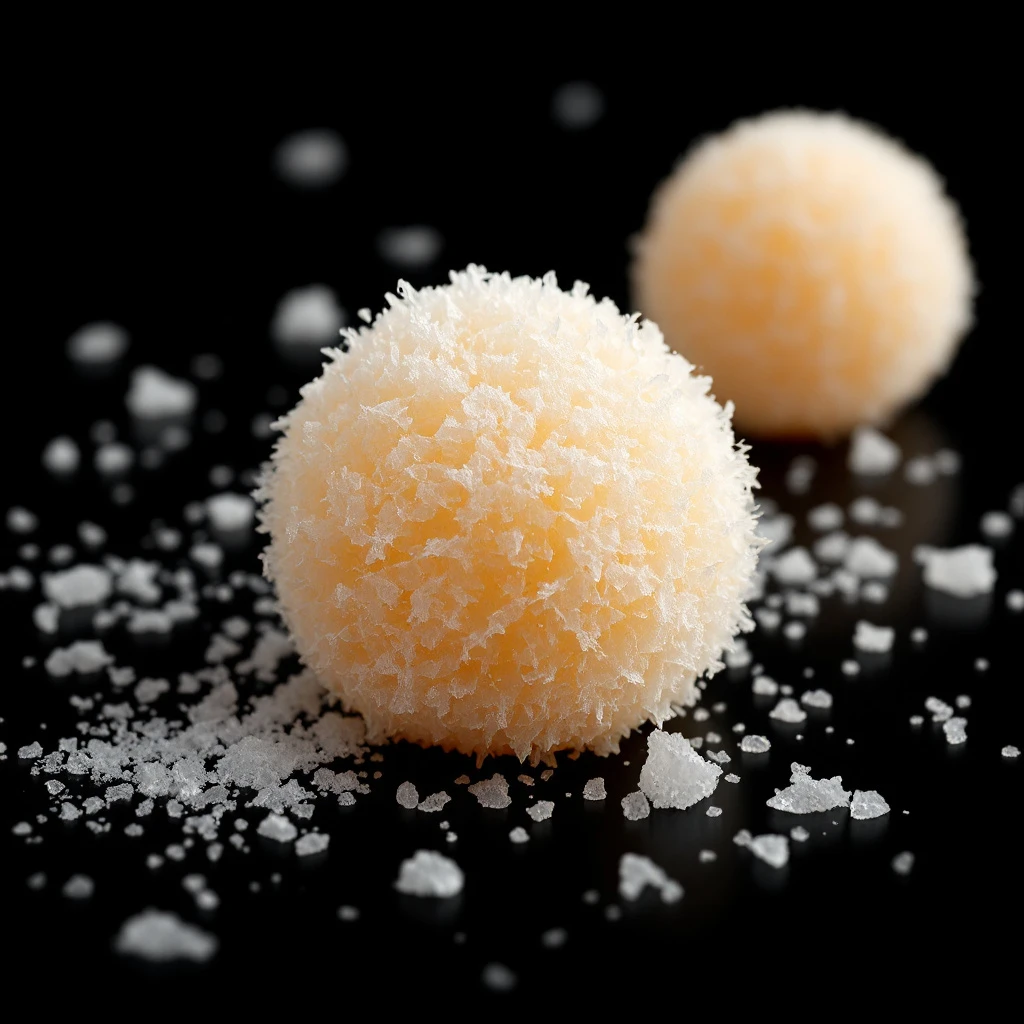
Tropical warmth distilled into sweet creaminess.
The same compound responsible for coconut's signature scent, gamma-decalactone, also occurs naturally in peaches and apricots.

Origin
Philippines
While ancient cultures treasured coconut for its oil and flesh, they never imagined it as a fragrance note. Modern perfumery's shift began in the late nineteenth century when commercial synthesis of aroma compounds opened new creative territory. Coconut candy emerged as a distinct olfactory category during the mid-twentieth century when flavor and fragrance chemists learned to isolate and amplify lactones.
The tropical association proved irresistible for summer fragrances, beach-themed compositions, and gourmand creations. Today it represents one of perfumery's most successful marriages between natural and synthetic ingredients.
Wears it best
Fragrances featuring Coconut Candy
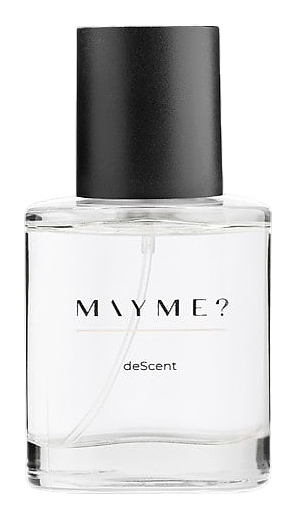
Brands
Brands known for Coconut Candy
Good to know
Questions, answered
The essentials on Coconut Candy in perfumery: how it smells, where it comes from, and how it behaves on skin.
Is Coconut Candy natural or synthetic?
It is typically a hybrid. Natural coconut absolute comes from dried coconut flesh via solvent extraction. Perfumers then enhance it with synthetic lactones to achieve the characteristic sweet, candy-like quality.
What does Coconut Candy smell like?
It smells like sweet coconut cream with creamy, slightly toasted facets. Unlike sharp coconut water notes, it reads as warm, velvety, and confectionery. Think coconut macaroon rather than piña colada.
Which fragrance families commonly use Coconut Candy?
Coconut Candy appears frequently in tropical, summer, and beach-inspired fragrances. It also features prominently in gourmand compositions, particularly those building vanilla-coconut or caramel-coconut combinations.
Does Coconut Candy come from real coconuts?
The base material does originate from real coconuts. Manufacturers extract absolute from copra, the dried kernel of the coconut. However, the pronounced sweet character typically requires synthetic lactone enhancement.
How long has coconut been used in perfumery?
Coconut as a distinct fragrance note only emerged in the twentieth century, after modern organic synthesis developed. Ancient perfumers used coconut oil extensively but not coconut as an aromatic ingredient.
Is Coconut Candy a top, heart, or base note?
It functions primarily as a heart to base note. Coconut lactones have good staying power and provide body to fragrances. In heavier compositions, coconut can anchor the dry-down alongside vanilla and sandalwood.
What blends well with Coconut Candy?
It pairs naturally with vanilla, jasmine, tuberose, and sandalwood. For tropical combinations, it works alongside ylang-ylang, tiare, and monoi. In gourmand fragrances, it combines with caramel, tonka bean, and praline.
Can Coconut Candy cause skin sensitivity?
Like most coconut-derived materials, it carries some allergen considerations for sensitive individuals. Coconut lactones themselves are considered low-risk, but the absolute base may contain residual solvents depending on the extraction process.