Clove Blossom
Clove blossom is the sun-dried bud of the Syzygium aromaticum tree, delivering a bold, spicy warmth with eugenol-rich depth. Perfumery captures this aromatic treasure through steam distillation, creating an essential oil that anchors oriental fragrances and evocations of candlelit spice.
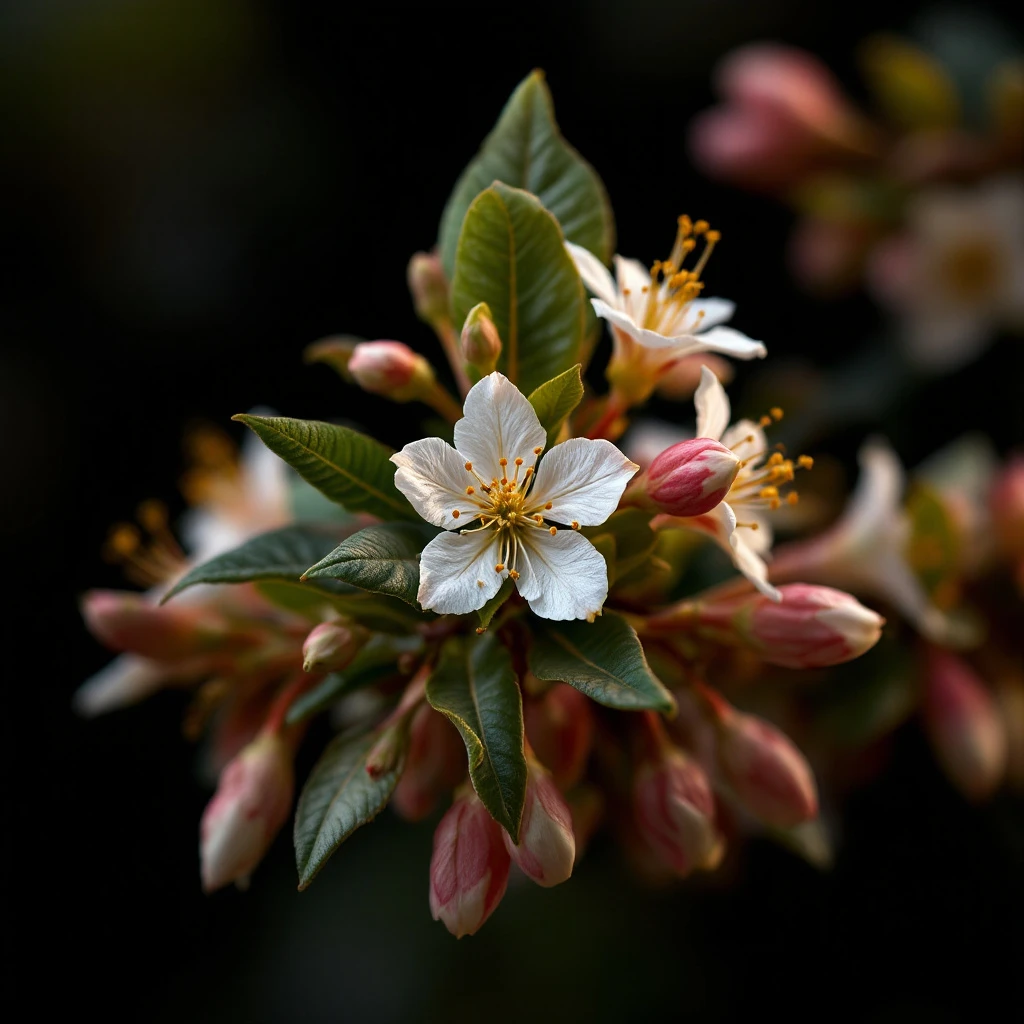
Character
How it smells
Ancient spice, modern warmth.
Dutch colonists once burned clove stockpiles to control prices. France's purchase of a single seedling in 1770 broke the 200-year clove monopoly and changed the spice trade forever.






Origin
Indonesia
Clove traces its story to the Moluccas Islands of Indonesia, where Syzygium aromaticum grows exclusively for over 2,000 years. Arabic traders introduced the spice along Silk Road routes, and Chinese physicians documented clove in medical texts as early as 200 BCE. Vietnamese courtiers kept cloves in their mouths to freshen breath when addressing emperors.
The Dutch East India Company established a brutal monopoly in the 1600s, destroying clove trees outside the Moluccas and controlling all cultivation. This monopoly held for more than two centuries until a French botanist smuggled seedlings to Mauritius in 1770, ultimately enabling global cultivation. Colonial conflict over clove trade shaped the economic history of Southeast Asian islands throughout the 18th and 19th centuries.
Today, Indonesia produces roughly 90 percent of the world's clove crop, though trees also flourish in Madagascar, Tanzania, and Sri Lanka.
Wears it best
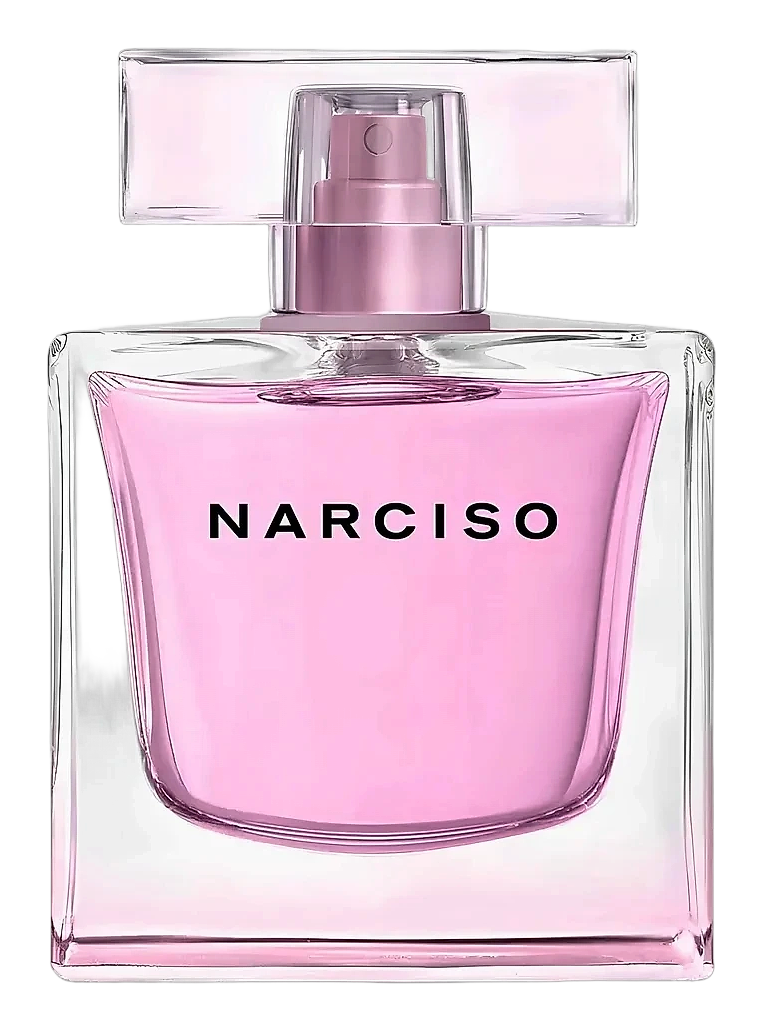
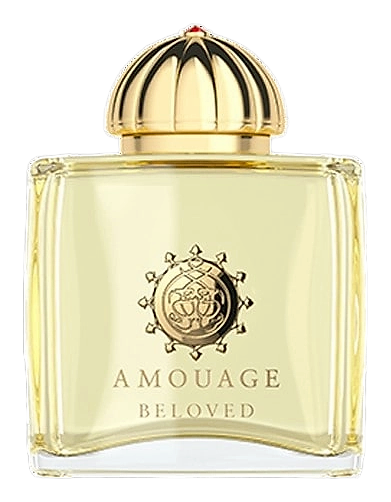
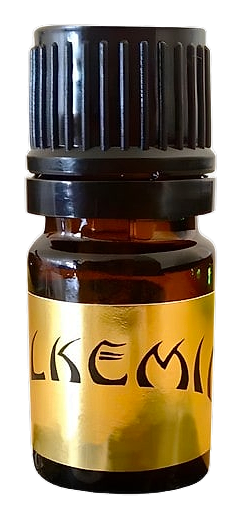
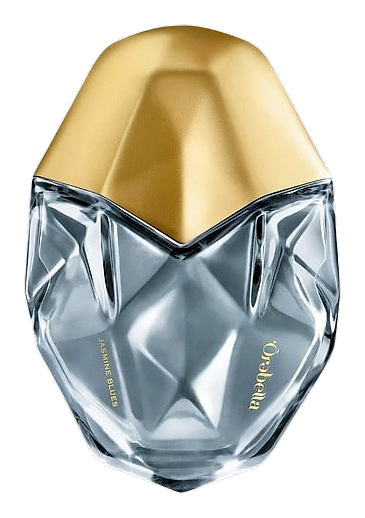
Fragrances featuring Clove Blossom
Brands
Brands known for Clove Blossom
Good to know
Questions, answered
The essentials on Clove Blossom in perfumery: how it smells, where it comes from, and how it behaves on skin.
What does clove blossom smell like in perfume?
Clove blossom carries a bold, spicy warmth dominated by eugenol, featuring notes of pepper, camphor, and subtle sweetness. In compositions, it adds depth and Oriental character, often appearing in men's fragrances and autumn-winter orientals.
Is clove used as a top, middle, or base note?
Clove essential oil typically functions as a base to heart note in fragrance construction. Its tenacity allows the spicy character to persist through dry-down, anchoring compositions for 6 to 8 hours on skin.
What countries produce the most clove for perfumery?
Indonesia produces approximately 90 percent of global clove output. Madagascar and Tanzania rank as distant secondary producers, though Indonesian oil from the Moluccas region remains the industry standard.
Does synthetic clove oil exist?
Synthetic eugenol serves as an alternative to natural clove oil in many commercial fragrances. Natural steam-distilled oil contains over 40 additional trace compounds creating nuanced complexity that synthetic versions struggle to replicate fully.
What fragrance families use clove blossom?
Oriental fragrances most commonly feature clove blossom. It appears in chypre, woody-spice, and certain fougère constructions. Niche perfumers integrate it into unexpected contexts including aquatic and green compositions for contrast.
What blends well with clove blossom?
Clove pairs naturally with other spices like cinnamon, nutmeg, and black pepper. Vanilla softens its sharp edges while sandalwood and benzoin provide a warm resinous backdrop. Orange and bergamot lift its intensity in top notes.
Are clove buds also used fresh in perfumery?
Fresh clove buds yield minimal aromatic material due to their high moisture content. The natural perfumery standard requires drying the buds for several days before extraction, which concentrates the essential oil and develops the characteristic eugenol content.
Is clove blossom sustainable to harvest?
Sustainable cultivation practices are emerging in Indonesian clove farming. Traditional smallholder farms often practice agroforestry, interplanting clove trees with food crops. However, climate shifts affecting monsoon patterns threaten yields in traditional growing regions.