Cistus leaf
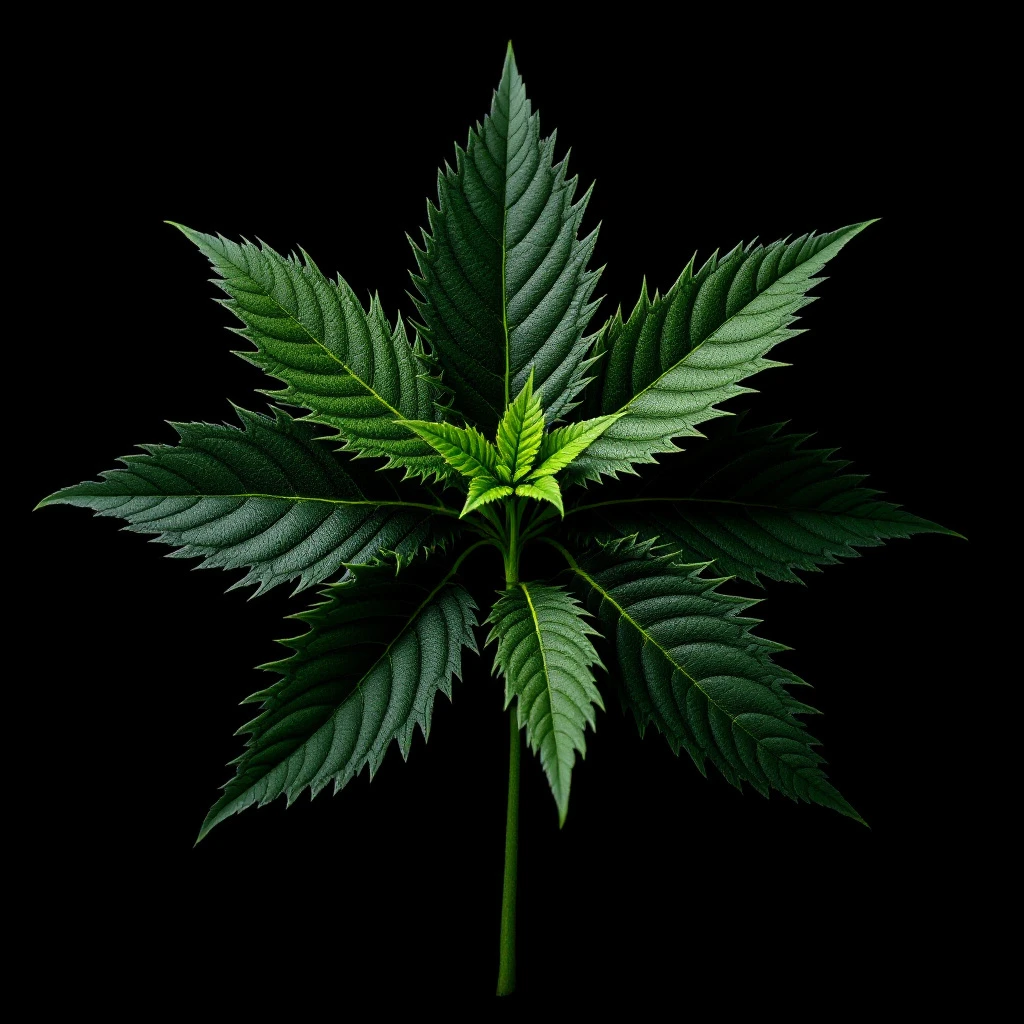
Cistus leaf delivers a warm, balsamic character with deep resinous undertones. The Mediterranean shrub's foliage carries the same aromatic richness as its legendary labdanum resin, grounding fragrances with ancient, sun-baked complexity.
Character
How it smells
Sun-baked Mediterranean warmth in every note
Ancient Egyptians prized cistus resin so highly they used it in temple rituals and mummification, making this ingredient one of perfumery's oldest continuously used materials.




Origin
Spain
Cistus ladaniferus has anchored perfumery for over 3,000 years, with documented use stretching back to Ancient Rome and Egypt. The aromatic resin was so prized in ancient times that Egyptians incorporated it into temple rituals and medicinal preparations. Ancient physicians including Dioscorides recorded its therapeutic applications for treating wounds and respiratory conditions.
François Coty's revolutionary 1917 fragrance Chypre established cistus absolute as the defining ingredient of an entire fragrance family, cementing its role as a cornerstone of Western perfumery. The Mediterranean shrub grows wild across Spain and Morocco, where traditional harvesting methods persisted for centuries. Communities in these regions developed specialized techniques for collecting the sticky labdanum resin, often gathering it from the fur of goats that grazed on cistus thickets.
This practice evolved into modern extraction methods while preserving the ingredient's authentic character. Today, cistus remains essential in chypre and oriental fragrance construction, valued for its ability to add depth and persistence to perfume compositions.
Wears it best
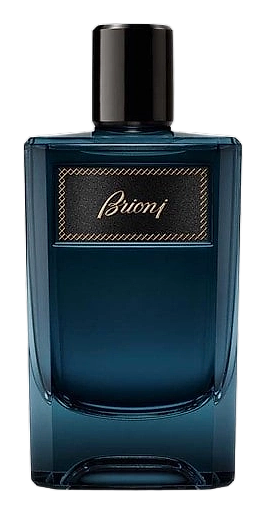
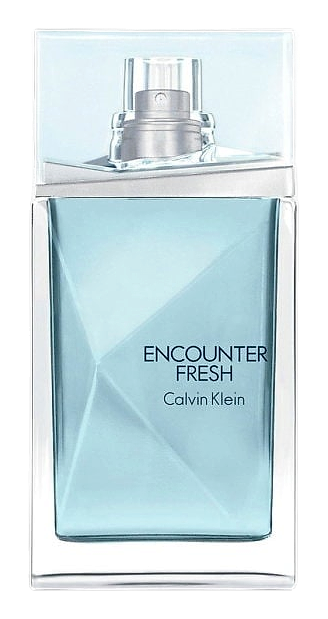
Fragrances featuring Cistus leaf
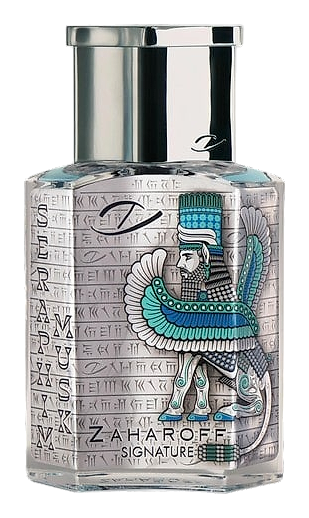
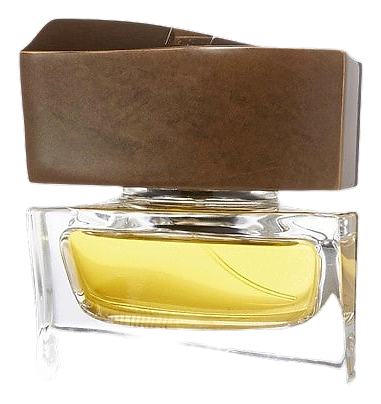
Brands
Brands known for Cistus leaf
Good to know
Questions, answered
The essentials on Cistus leaf in perfumery: how it smells, where it comes from, and how it behaves on skin.
What does cistus leaf smell like?
Cistus leaf carries a warm, balsamic scent with resinous undertones. The aromatic profile includes subtle spicy nuances and a dry, slightly medicinal quality that deepens over time on the skin.
Where does cistus leaf originate from?
Cistus ladaniferus grows wild in the Mediterranean basin, primarily harvested in Spain and Morocco. Andalusia in southern Spain remains the primary source for premium perfumery-grade material.
How does cistus leaf differ from labdanum?
Labdanum is the sticky resin secreted by cistus plant follicles, while cistus leaf oil comes from distilling the foliage and stems. Labdanum is more concentrated and animalic; leaf oil offers a cleaner, more aromatic expression.
Is cistus leaf used in natural perfumery?
Cistus leaf is a fully natural ingredient, steam distilled from wild-harvested Mediterranean shrubs. Certified natural fragrances specify cistus leaf when seeking authentic botanical character without synthetic alternatives.
What fragrance families use cistus leaf?
Chypre fragrances feature cistus leaf as a defining ingredient, providing the resinous base that characterizes this family. Amber and oriental compositions also use it for warmth and depth.
How long has cistus been used in perfumery?
Cistus ladaniferus has been used in perfumery for over 3,000 years. Ancient Egyptians incorporated the resin in temple rituals, and it became a cornerstone of Western perfumery with François Coty's 1917 Chypre.
What extraction methods produce cistus leaf oil?
Steam distillation of fresh leaves and branches is the standard method. Some producers use water distillation for different aromatic profiles. Solvent extraction yields cistus absolute with higher concentration.
Is cistus leaf considered natural or synthetic?
Cistus leaf is a completely natural ingredient. Steam distillation preserves the botanical's aromatic compounds without synthetic modification, making it suitable for natural and organic fragrance formulations.