Cistus concrete
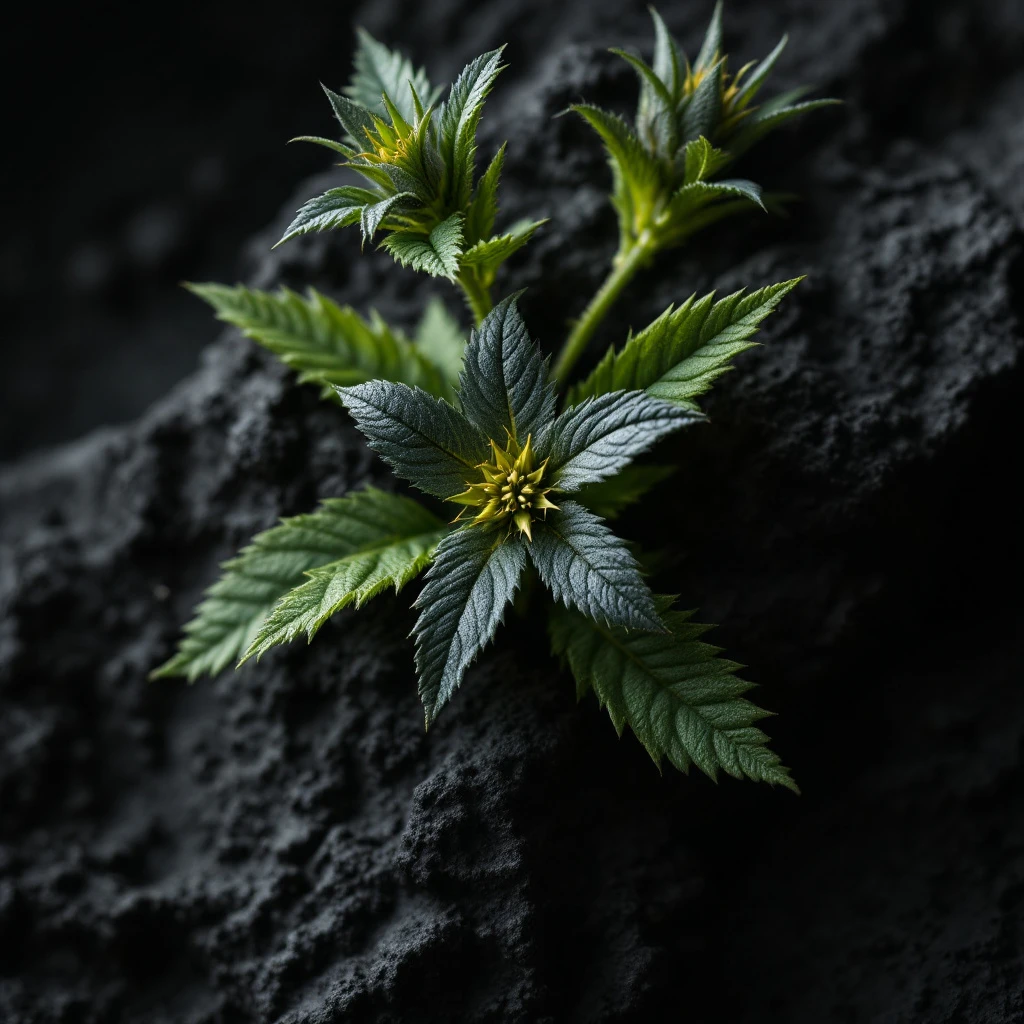
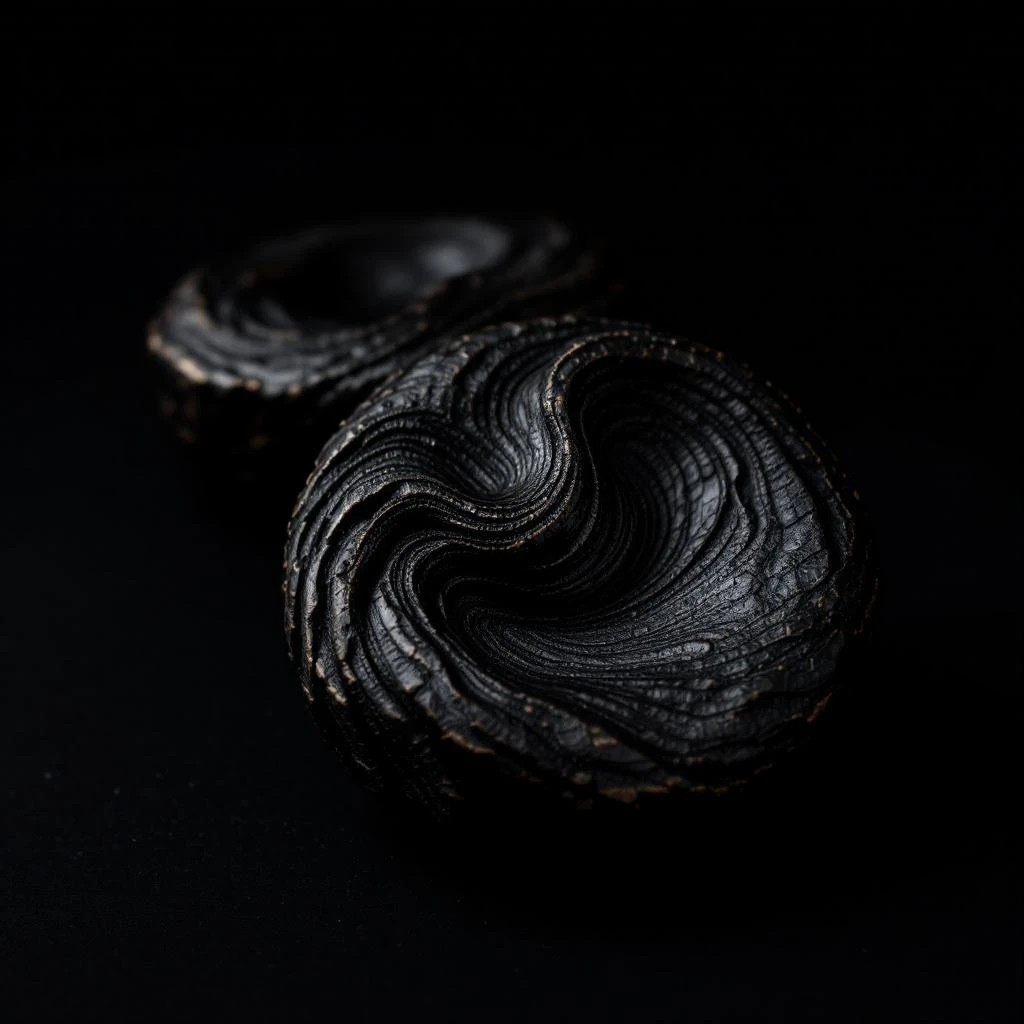
Cistus concrete captures the sun-warmed soul of Mediterranean scrubland—a rich, ambery substance with deep leathery warmth, tobacco spice, and balsamic depth. This ancient resin grounds oriental fragrances with unmistakable Mediterranean soul.
Character
How it smells
Ancient Mediterranean amber with 3,000 years of perfumery history.
Ancient collectors once combed labdanum gum from the beards of goats that grazed through Cistus bushes, scraping the sticky resin from the animals' hair.






Origin
Spain
Cistus ladanifer has shaped perfumery for over three millennia, with documented use stretching back to ancient Egypt and the classical Mediterranean world. The ancient Egyptians prized labdanum—the aromatic gum produced by the shrub—for ceremonial purposes and early perfume formulations. Greek physicians including Dioscorides recorded its medicinal uses, while the Phoenicians traded it throughout the Mediterranean.
Roman perfumers considered it indispensable for their most coveted fragrance creations. The distinction between Cistus concrete and true labdanum lies in the source material: Cistus extracts come from the plant's branches and leaves, while labdanum specifically refers to the gum that naturally exudes and coats those same plant parts. Both have remained continuous threads in perfumery's history, experiencing renewed appreciation during the 20th century's naturals revival.
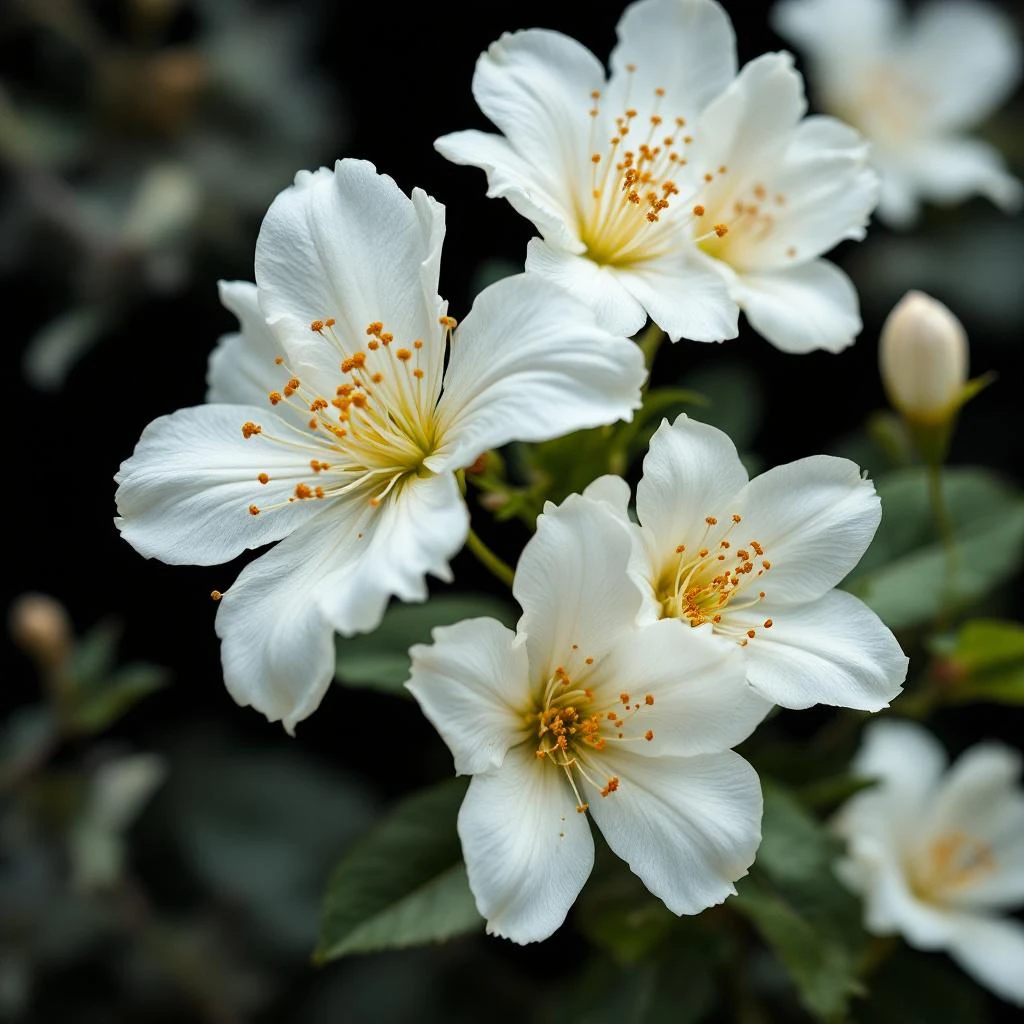
Today, Spain's Andalusia remains the primary source, where the shrub's silvery-green foliage and delicate pink-and-white flowers grow wild across sun-drenched hillsides, continuing an unbroken tradition that began with ancient civilizations.
Wears it best
Fragrances featuring Cistus concrete
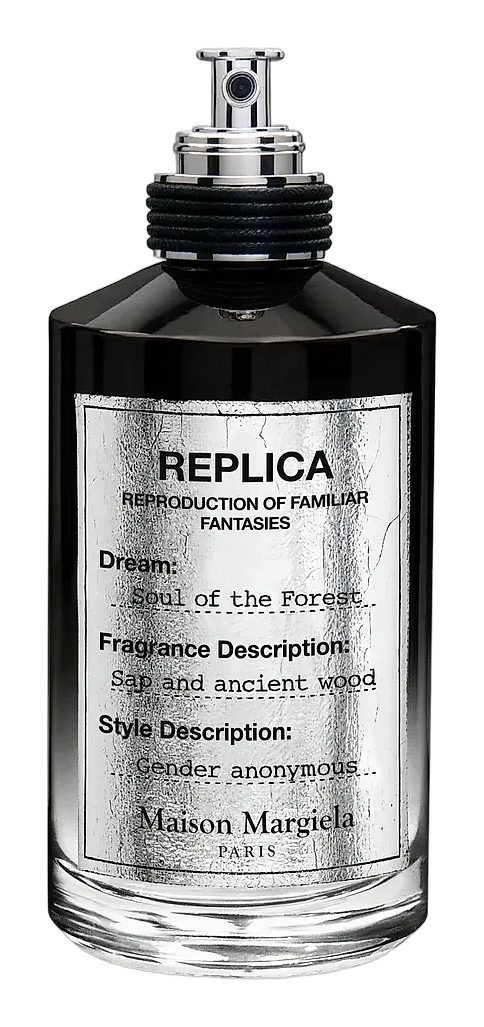
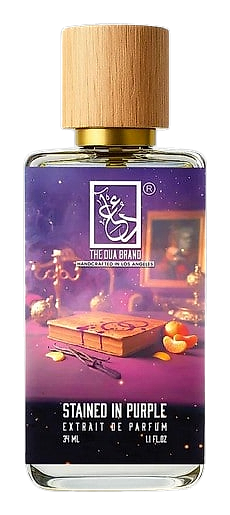

Brands
Brands known for Cistus concrete
Good to know
Questions, answered
The essentials on Cistus concrete in perfumery: how it smells, where it comes from, and how it behaves on skin.
What is Cistus concrete in perfumery?
Cistus concrete is a semi-solid waxy substance produced by solvent extraction of fresh Cistus plant material. It contains the full aromatic profile of the plant—its amber, leathery, and balsamic notes—and functions as both a fragrance ingredient and a fixative in perfume compositions.
How does Cistus concrete differ from labdanum?
Cistus concrete comes from the leaves and branches of the Cistus shrub itself. Labdanum specifically refers to extracts made from the aromatic gum that coats those same branches. Both share similar scent profiles but differ in their source material and extraction approach.
What does Cistus concrete smell like?
It delivers a warm, complex scent combining deep amber with leathery undertones, subtle tobacco spice, and balsamic resinous depth. The overall impression is of sun-warmed Mediterranean scrubland—rich, dry, and enveloping.
Which countries produce Cistus concrete?
Spain, particularly the Andalusia region, dominates global production. The Mediterranean climate and limestone-rich soils of southern Spain create optimal conditions for Cistus ladanifer, which grows wild across extensive areas.
Is there a synthetic alternative to Cistus concrete?
Synthetic labdanum accord exists but cannot fully replicate the complexity of the natural material. Naturals contain hundreds of molecular compounds that interact in ways synthetics struggle to reproduce, particularly the deep fixative quality and layered complexity.
How long has Cistus been used in perfumery?
Documented use spans over 3,000 years, reaching back to ancient Egypt and Rome. Ancient civilizations harvested it from wild shrubs and traded it extensively across the Mediterranean.
What role does Cistus play in fragrance formulations?
Perfumers use it primarily as a fixative that extends the longevity of top and heart notes. Its warm, resinous character also makes it a key ingredient in amber, oriental, chypre, and leather fragrance families.
Why is Cistus considered important in natural perfumery?
Its exceptional fixative properties allow it to stabilize more volatile ingredients while contributing its own rich amber character. Combined with its ancient heritage and limited geographic origin, it represents a prized link between traditional and contemporary perfumery.