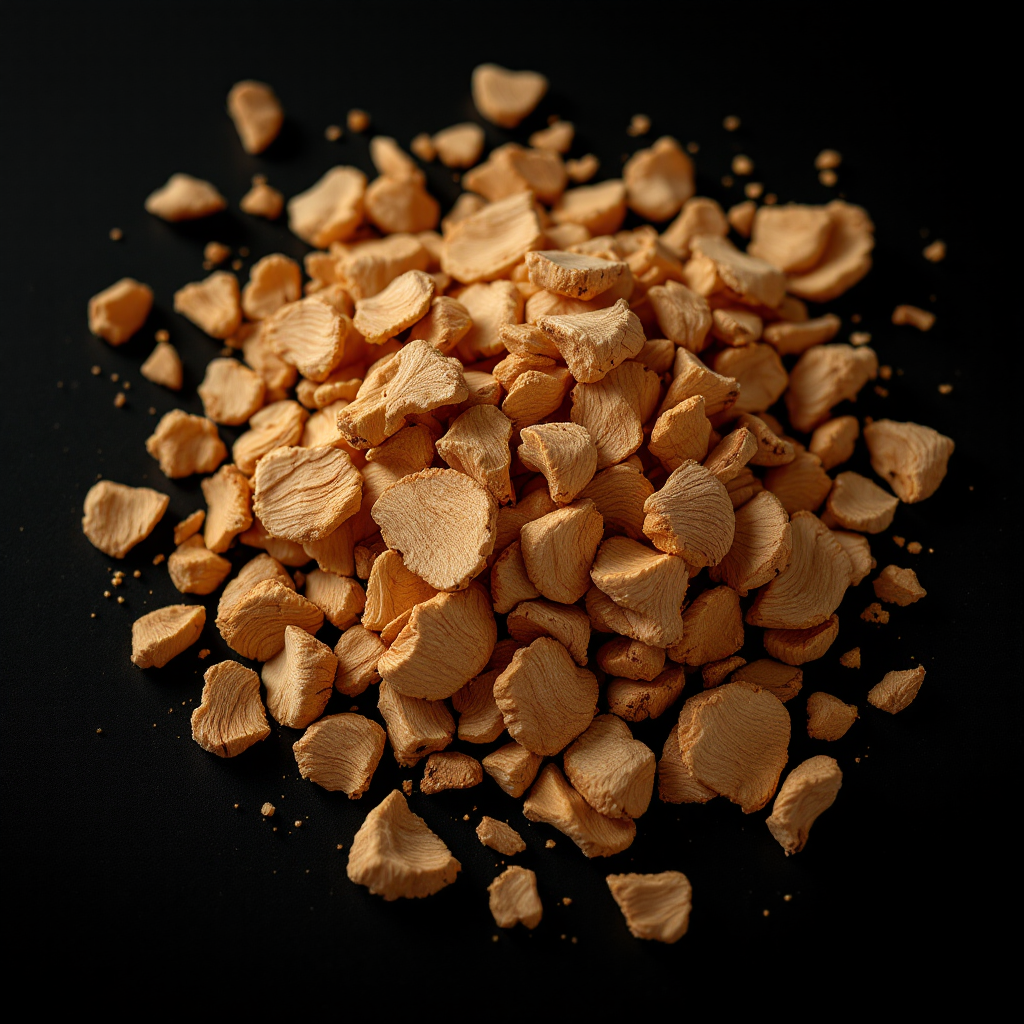
Cinnamon Wood
Warm, sweet heat with a peppery edge. Cinnamon Wood brings the spice's familiar character into a drier, more tactile register, shaped by resonant woods and gentle vanilla depth.
Character
How it smells
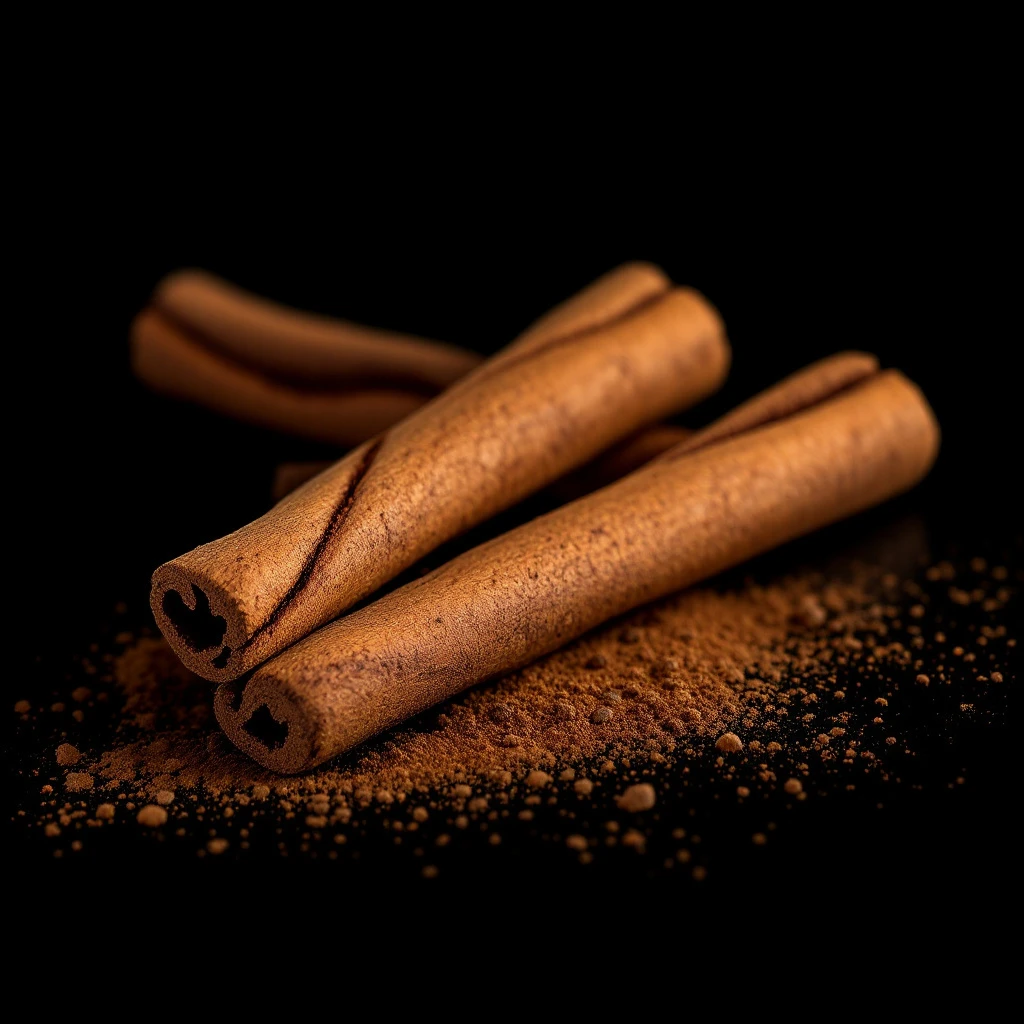
Sweet spice, dry warmth, and a dark woody edge.
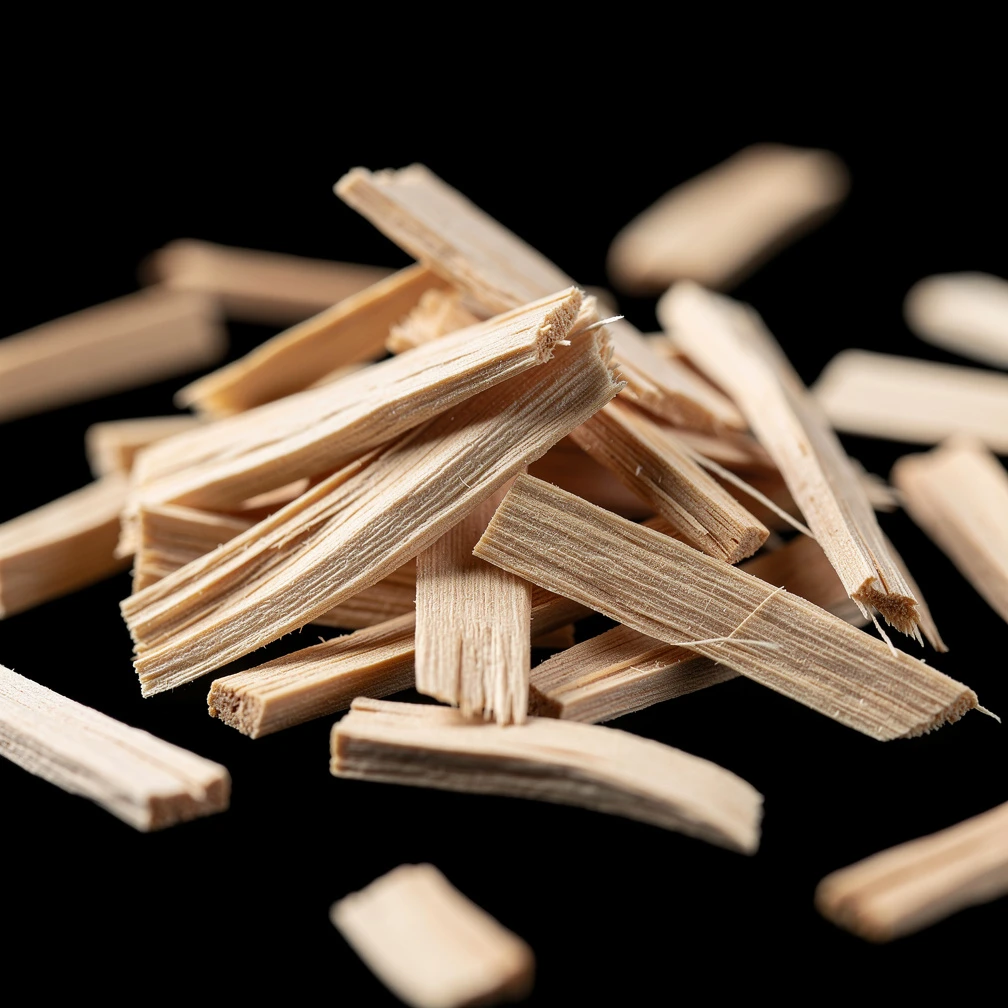
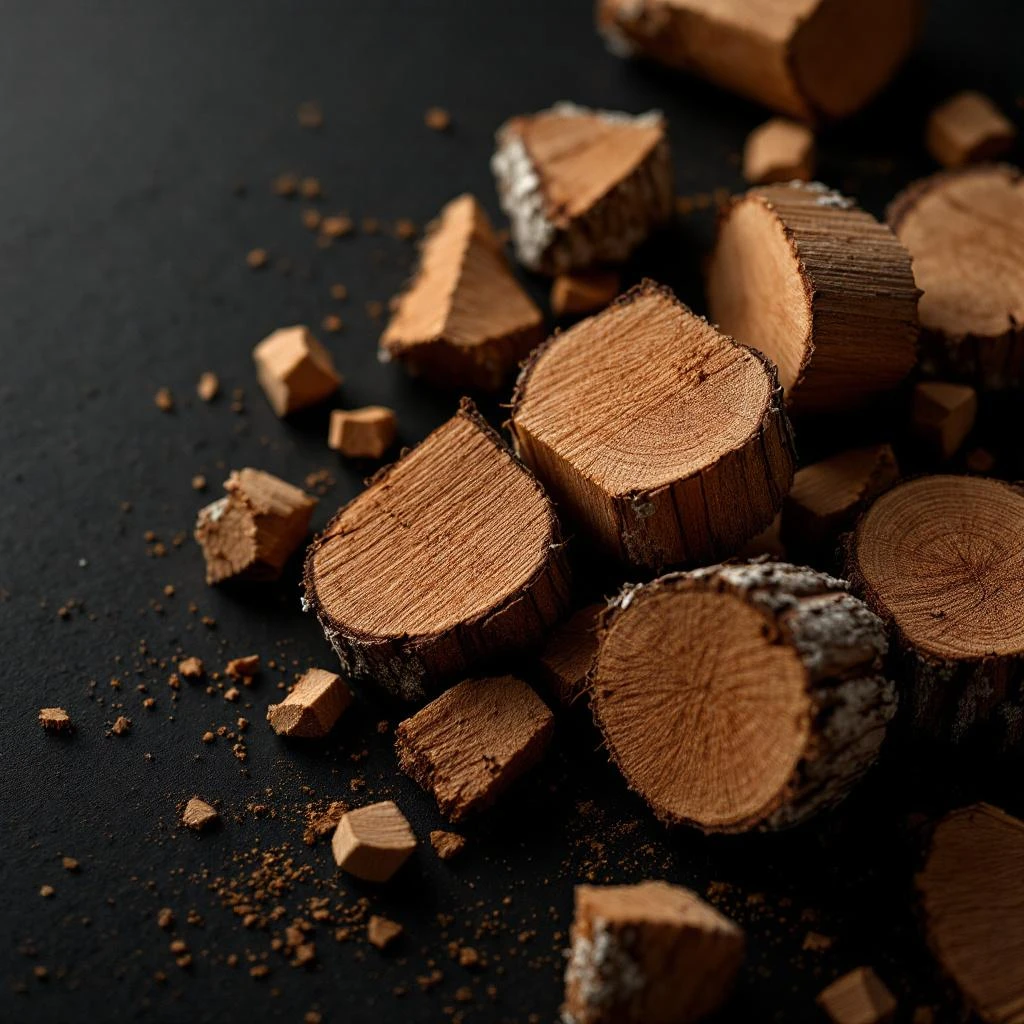
True cinnamon, Cinnamomum verum, derives its fine aromatic oils from the thin inner bark rather than the rough outer bark.
Pairs beautifully with
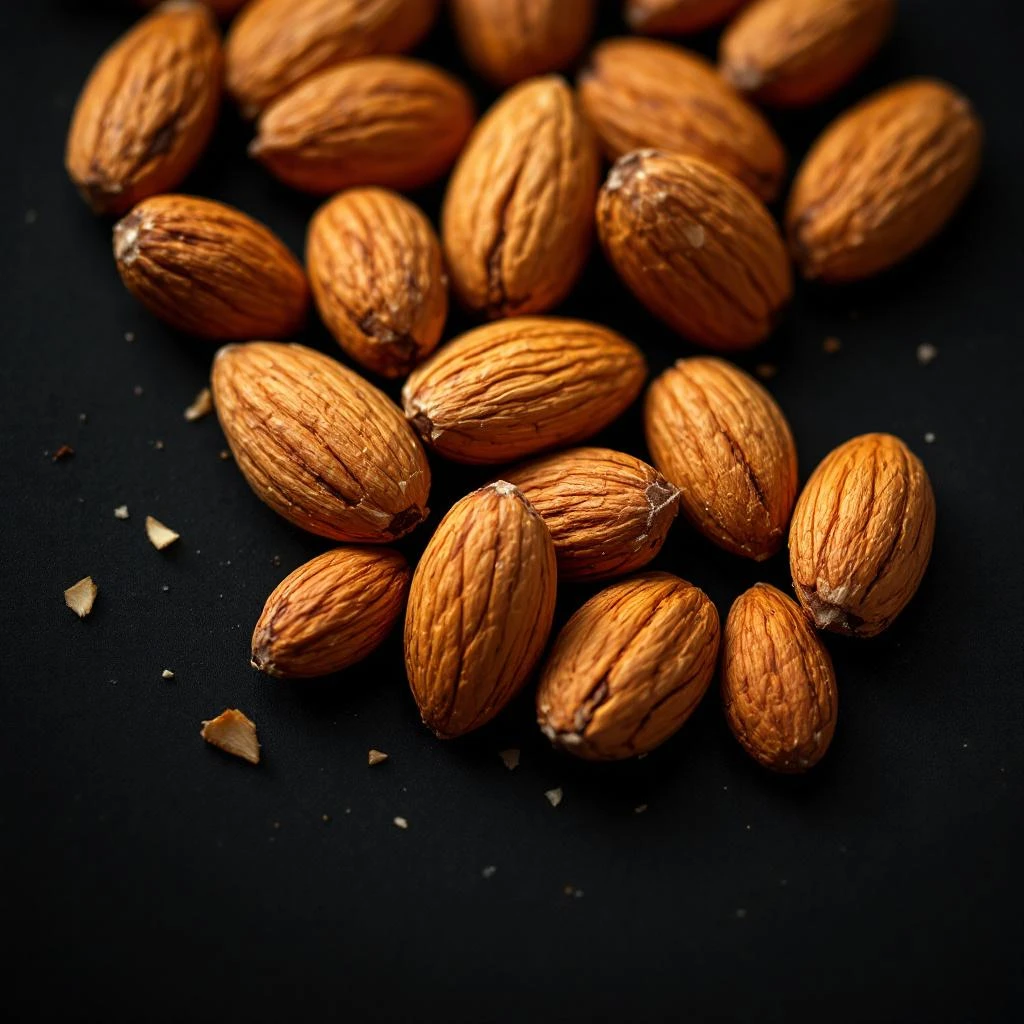
Origin
Sri Lanka
Cinnamon carries one of the oldest recorded histories of any aromatic spice. References to it appear in early Chinese writings, while later trade connected the bark to South and Southeast Asia. True cinnamon, or Ceylon cinnamon, is closely associated with Sri Lanka, where Cinnamomum verum remains the source of the finely layered inner bark prized for its delicate sweetness.
The bark entered scented preparations and luxury materials as both a fragrance and a taste. It also held an important place in traditional medicine and aromatic customs, where its warmth was associated with bodily comfort and festive food. In modern perfumery, cinnamon supplied a rare combination of edible spice, gentle vanilla nuance, peppery lift, and resinous depth.
Its use has since expanded from warm culinary accords into amber compositions, woody fragrances, and contrasting accords. Cinnamon continues to carry a clear association with hospitality and seasonal warmth, but its role in fine fragrance depends on restraint, dilution, and the supporting structure of woods, resins, and soft vanillic notes.
Wears it best
Fragrances featuring Cinnamon Wood
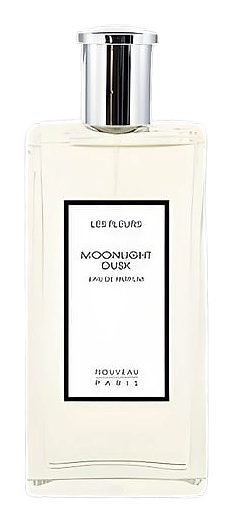
Brands
Brands known for Cinnamon Wood
Good to know
Questions, answered
The essentials on Cinnamon Wood in perfumery: how it smells, where it comes from, and how it behaves on skin.
What does Cinnamon Wood smell like?
Cinnamon Wood smells sweet, warm, peppery, and lightly vanillic, with a dry woody edge. Its familiar spice character is often placed over deeper notes of woods and resins.
Is Cinnamon Wood extracted from bark or timber?
Cinnamon Wood is extracted from the inner bark, not the tree's timber. The bark is steam distilled to release the aromatic oils used in perfumery.
Where does true cinnamon originate?
True cinnamon, Cinnamomum verum, originates in Sri Lanka. Its distinctive inner bark is thin, layered, and valued for a refined sweet-spice aroma.
How is cinnamon essential oil made for perfumery?
Steam passes through cinnamon inner bark and carries its volatile compounds into a condenser. The essential oil then separates from the collected water.
Does Cinnamon Wood have a vanilla note?
Yes, cinnamon naturally presents a gentle vanilla facet. It adds a soft vanillic warmth beneath its sweeter, more peppery spice character.
How does Cinnamon Wood fit into a fragrance?
It works best as a middle or base accent, giving warmth to amber, resinous, and woody compositions. Its strength depends on dilution and the blend's other spices.
Is Cinnamon Wood the same as ground cinnamon?
Not in perfumery. Ground cinnamon is a culinary powder, while cinnamon bark oil is distilled from inner bark for fragrance formulation and aroma performance.
How old is the use of cinnamon in aromatic culture?
References to cinnamon appear in early Chinese writings and later became part of South Asian and Middle Eastern aromatic traditions. It has a recorded history exceeding 4,000 years.